
Ultimate Guide to Midfield Position in Soccer – Master Your Game!
The midfield position in soccer is crucial for controlling the game. Learn how to master your skills in this ultimate guide. From passing to defending, dominate the field like a pro!
Soccer Positions define the tactical roles and spatial responsibilities assigned to each of the eleven players on the field. From the goalkeeper through defensive backlines, central midfield conduits, and attacking forwards, positional assignments govern team balance, passing networks, pressing structures, and defensive compactness across all phases of play.
Authoritative guides establishing foundational benchmarks, tactical pathways, and performance criteria.
Complete anatomical breakdown of every role from goalkeeper (1) to central striker (9) and modern wingbacks.
Decoding standard numbering systems: #6 defensive pivot, #8 box-to-box engine, #10 playmaker, and #7/#11 wingers.
Examining telemetry and endurance demands across central midfielders, overlapping fullbacks, and wide wingers.
Matching player attributes (pace, vision, height, lateral agility, mindset) with optimal positional roles on the pitch.
The tactical numbering system originated in the 1920s with the 2-3-5 Pyramid formation and has evolved into the universal language of modern football tactics. Today, coaches across elite European academies and MLS youth programs refer to players by number (#1 through #11) rather than generic labels. This numbering standardizes positional functions regardless of whether a team operates in a 4-3-3, 4-2-3-1, or 3-5-2 system.
Understanding positional geometry requires analyzing five distinct vertical channels: Left Wing, Left Half-Space, Central Corridor, Right Half-Space, and Right Wing. Elite midfielders (such as the #8 and #10) thrive in the half-spaces, where defensive markers are caught between marking wide wingers and protecting the penalty box.
| Number & Position | Tactical Role & Spatial Zone | Primary Skill Profile Required |
|---|---|---|
| #1 Goalkeeper (GK) | Penalty Box / Sweeper Keeper Area | Shot stopping, aerial claim handling, distribution with feet |
| #2 & #3 Fullbacks / Wingbacks | Wide Flanks (Defensive & Attacking) | 1v1 defending, continuous stamina, crossing accuracy |
| #4 & #5 Centerbacks (CB) | Central Defensive Spine | Aerial duels, slide/block tackling, line organization, composure |
| #6 Defensive Midfielder (CDM) | Front of Backline (Pivot) | Interceptions, defensive transitions, tempo-setting distribution |
| #8 Central Midfielder (CM) | Box-to-Box Half-Spaces | Aerobic capacity, progressive passing, arriving into the box |
| #10 Attacking Midfielder (CAM) | Between Opposition Midfield & Defense | Vision, through-balls, close control, finishing from distance |
| #7 & #11 Wingers (LW / RW) | Wide Attacking Third & Half-Spaces | Dribbling acceleration, taking on defenders, diagonal runs |
| #9 Center Forward (Striker) | Opposition Penalty Box & Channel Runs | Clinical finishing, hold-up play, runs off the defender’s shoulder |
Curated thematic index connecting verified guides across specialized technical domains.
Concise factual answers to common inquiries regarding regulations, pathways, and development standards.
A false 9 is a center forward who drops deep into midfield rather than remaining on the shoulder of opposing center-backs. This creates numerical superiority in central midfield and pulls defenders out of position, allowing inverted wingers to exploit the vacated space.
Box-to-box central midfielders (#8) and modern wingbacks (#2/#3). Wingbacks perform repeated maximum-intensity sprints over 40–60 meters to contribute to attacks and recover defensively.
Numbers 1 to 11 are traditionally aligned with positions: 1 (GK), 2 (RB), 3 (LB), 4 and 5 (CB), 6 (Defensive Mid), 8 (Central Mid), 7 (Right Wing), 11 (Left Wing), 10 (Attacking Mid), and 9 (Striker).

The midfield position in soccer is crucial for controlling the game. Learn how to master your skills in this ultimate guide. From passing to defending, dominate the field like a pro!

When it comes to soccer, every position plays a crucial role in the team’s success. However, if we had to identify the least important position, the goalkeeper may come to mind. Despite their limited involvement in overall gameplay, their exceptional contribution in crucial moments can make or break a match. Let’s take a closer look at the responsibilities and impact of this often underestimated position.

To excel in soccer, it’s important to know your best position on the field. Self-assessment is key – evaluate your strengths, weaknesses, and skills to determine where you can contribute the most to your team. Keep experimenting and learning to find your ideal position.
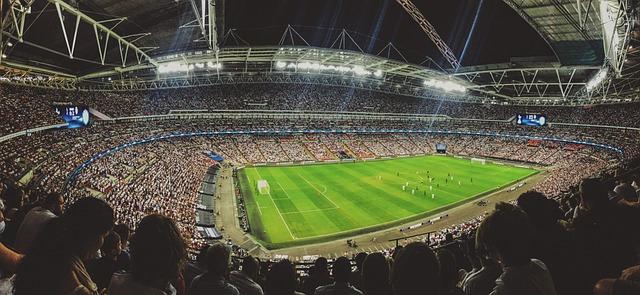
Soccer numbers are not random – they are often based on a player’s position on the field. Understanding the meaning behind jersey number assignments can provide valuable insight into a team’s tactics and strategies. Let’s delve into the fascinating world of soccer numbers!

If you are looking to check a U12 soccer team position in Miami, we’ve got you covered with these insider tips. From attending tryouts to contacting coaches, we will guide you through the process step by step. Get ready to find the perfect team for your young athlete!

In the game of soccer, each position plays a critical role in the team’s success. From goalkeepers to strikers, every player has a unique set of responsibilities that contribute to the overall strategy. Let’s analyze key positions to determine the most important one on the field.

Ever wonder why soccer players wear specific jersey numbers? The numbers are more than just for identification – they also signify a player’s position on the field. Let’s break down the jersey assignments and understand the role each number plays in a soccer team.

Understanding defensive positions in soccer is crucial for any player. From the goalkeeper to the fullbacks, each position plays a vital role in protecting the goal and stopping the opposition from scoring. By mastering defensive tactics, players can effectively shut down attacks and contribute to their team’s success.

Are you confused by the various positions in AM soccer? Let us decode the essential information for you! Understanding each position is crucial for success on the field.

Playing the center forward position in soccer requires a combination of skill, strategy, and instinct. By utilizing attacking strategies such as creating space, making runs, and finishing with precision, you can make a significant impact on your team’s offensive play.

Understanding the different positions in soccer can be confusing. From defenders to forwards, each role has a specific purpose on the field. Learn how to know what a position means and how they contribute to the game.

Lionel Messi, often hailed as the GOAT, brings an unmatched level of versatility to the soccer field. While primarily known as a forward, his mastery transcends traditional positions. Messi seamlessly drifts between attacking roles, dropping deep, orchestrating plays, and even slotting in as a false nine. This endless flexibility contributes to his unparalleled success and solidifies his status as one of the most complete players in the game.
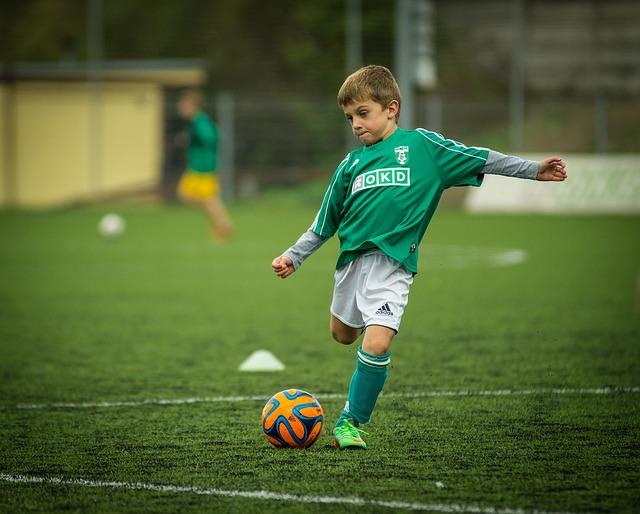
In soccer, the movement and positioning of attackers play a crucial role in scoring goals. Understanding how offenders navigate the field can provide valuable insights into their strategies and techniques. Let’s delve deeper into the intricate world of soccer offense.

Curious about the intricacies of each soccer position? Delve into our comprehensive guide for insights into player roles on the pitch. From goalkeepers to forwards, learn the responsibilities and skills required for each position.

When teaching soccer positions to U7 players, it’s important to focus on basic concepts such as offense, defense, and teamwork. Keep instructions simple and demonstrations clear to help young athletes understand their roles on the field. Building a strong foundation early will set them up for success in the future.
A positive posterior drawer sign in a soccer player indicates a potential knee injury. Understanding the significance of this sign is crucial in preventing further damage and ensuring proper treatment for athletes.

In soccer, goals can come from any position on the field. However, statistics show that forwards tend to score the most goals due to their positioning and attacking mindset. Let’s break down which position racks up the most goals on the pitch.

In soccer, the SS position, also known as the Second Striker, plays a crucial role in creating goal-scoring opportunities and linking up with the attacking midfielders. Let’s decode the strategic responsibilities of this key player on the field!

Are you an aspiring left winger in soccer? Looking to improve your game and dominate on the field? Look no further! In this article, we unveil valuable tips and techniques to help you excel in the LW position. Stay tuned and elevate your game!
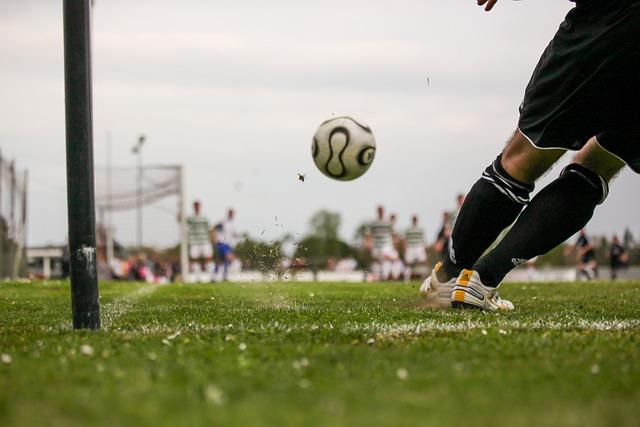
Mastering position 6 in soccer requires a strong understanding of defensive tactics and excellent communication skills. With the right strategies, players can dominate the midfield, control the flow of the game, and lead their team to victory.