
How Long Is a Soccer Season La Liga? Spanish League Duration
La Liga, the Spanish soccer league, typically runs for around 38 weeks, starting in August and finishing in May. Teams play a total of 38 matches to determine the league champion.
Soccer Seasons dictate the macro-cycle schedule of training, competitive league matches, state and national cup tournaments, and mandatory off-season recovery periods. Managing seasonal periodization ensures optimal athletic peaking, collegiate recruitment readiness, and biological rejuvenation across youth, high school, and professional tiers.
Authoritative guides establishing foundational benchmarks, tactical pathways, and performance criteria.
Navigating fall and spring youth soccer registration deadlines, season lengths, and regional tournament calendars.
Understanding year-round 10-month competitive club commitments, winter indoor play, and summer showcase tournaments.
Active rest, cross-training protocols, soft-tissue repair, and mental rejuvenation during summer and winter breaks.
Tracking MLS, Premier League, UEFA Champions League, and international FIFA fixture windows throughout the year.
In North America, soccer operates across overlapping competitive environments: town recreation, competitive club soccer, middle/high school athletic seasons, and collegiate NCAA divisions. Because high school seasons in many states take place during autumn (competing directly with early club league fixtures), elite clubs divide the calendar into distinct fall, winter indoor, and spring outdoor micro-cycles.
Proper seasonal periodization prevents overuse injuries like Osgood-Schlatter disease, Sever’s disease, and anterior cruciate ligament (ACL) strains. Coaches must balance high-load match weekends with low-impact tactical walkthroughs and ensure a minimum of 4 to 6 weeks of dedicated off-season active recovery annually.
| Seasonal Phase | Calendar Window | Primary Training & Physiological Focus |
|---|---|---|
| Pre-Season Camp | July – August (Fall) / Feb – March (Spring) | Aerobic base building, tactical system installation, team chemistry |
| In-Season Competition | September – November & April – June | Match performance, tactical adjustments, recovery, maintenance |
| Winter Technical Cycle | December – February | Futsal, fast-paced small-sided indoor games, individual ball mastery |
| Off-Season Active Rest | Late June – July | Total biological rest, cross-training (swimming, tennis), injury rehab |
Curated thematic index connecting verified guides across specialized technical domains.
Concise factual answers to common inquiries regarding regulations, pathways, and development standards.
The fall youth season typically begins in late August or early September and concludes in mid-November. The spring season resumes in late March or early April and runs through early June.
MLS operates on a spring-to-autumn schedule (late February through December MLS Cup) to avoid severe winter weather in northern cities. Major European leagues (Premier League, La Liga, Bundesliga) run from August through May.
Year-round multi-team soccer without rest dramatically increases rates of overuse injuries and mental burnout. Sports medicine guidelines strongly recommend at least 1 to 2 months off from competitive soccer per year.

La Liga, the Spanish soccer league, typically runs for around 38 weeks, starting in August and finishing in May. Teams play a total of 38 matches to determine the league champion.

The soccer season in England typically runs from August to May, with league matches and cup competitions taking place throughout the year. Clubs compete in various tournaments, including the Premier League, FA Cup, and EFL Cup, making for an action-packed and exciting season for fans.

A typical soccer season runs for about 9-10 months, depending on the league. It begins in late summer and ends in late spring, with matches played weekly or biweekly. With various competitions and breaks, it can be a busy but exciting time for both players and fans.

Soccer season can be pricey, with costs ranging from equipment to league fees. Understanding the pricing details can help you budget and enjoy the game without breaking the bank.
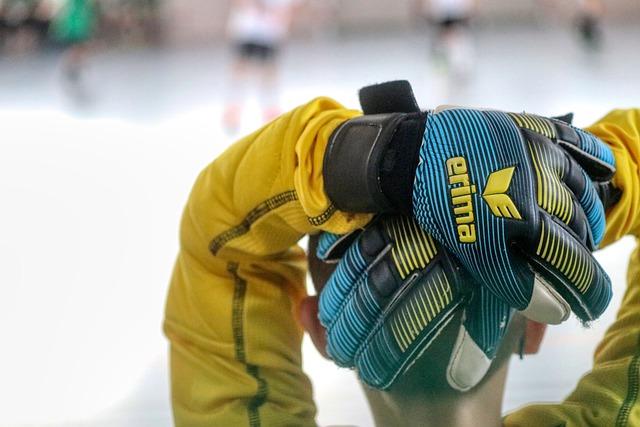
Indoor soccer seasons typically run for 8-12 weeks, with teams playing one game per week. Leagues may vary in duration, but most follow a similar schedule from September to April. Check with your local indoor facility for specific league timelines.

The Mexican soccer season, known as Liga MX, typically lasts around 17 weeks for the regular season, followed by playoffs that can extend it to a total of 23 weeks. The duration can vary slightly due to scheduling and international competitions.

As the spring soccer season approaches, it’s time to start preparing for the upcoming games and tournaments. Make sure to focus on conditioning, skills training, and teamwork to ensure a successful and enjoyable season ahead.

A club soccer season for youth typically lasts around 8-10 months, running from late summer to early spring. This duration allows young players to develop their skills and teamwork throughout the year.

With the soccer season well underway, it’s time to take a closer look at the top goal scorers. Leading the chart is none other than Cristiano Ronaldo, with an impressive 15 goals so far. However, don’t discount Lionel Messi, who’s not too far behind with 13 goals. These two legendary players are sure to keep us on the edge of our seats as they battle it out for the top spot. Stay tuned for more thrilling action!

Throughout the history of soccer, no team has managed to win every single game in a season. While several teams have come close, perfection in this sport remains a elusive achievement.

From the Premier League in England to La Liga in Spain, the European soccer season is in full swing. With top teams competing for glory, don’t miss a single match! Stay updated on fixtures, results, and standings to make sure you catch all the action.
A typical school soccer season can last anywhere from three to five months, depending on the region and level of competition. It usually begins in the late summer or early fall and can stretch into the winter months for playoffs. Each school or league may have its own specific schedule and duration for the season.

The length of a club soccer season can vary, but typically runs from late summer to late spring. Most clubs have a preseason in August, then regular season games from September to April. Post-season tournaments or playoffs may extend into May or June for some players.
Get ready for an action-packed pro soccer season! The games are set to be intense, with top teams facing off for glory. Stay tuned for thrilling matches and unforgettable moments on the field.
The professional soccer season typically lasts between 9 to 10 months, depending on the league. Most leagues start in August or September and conclude by May. This includes regular season matches, playoffs, and international competitions for qualifying teams.

Professional soccer seasons typically last for around 9 to 10 months, with leagues such as the English Premier League, La Liga, and Serie A running from August to May. However, the duration can vary depending on the league and country.

The Major League Soccer season typically runs from early March to the end of October, with each team playing 34 regular-season games. The playoffs then follow to determine the league champion.

Select Soccer Season Length: What to Expect?
When it comes to select soccer, understanding the season length is crucial. Typically, a select soccer season lasts around 3-4 months, with practices starting in summer and competitive games running through fall. However, variations exist based on the age group, league, and club. Stay prepared and informed to make the most of your select soccer experience.

The soccer season in England typically runs from August to May, spanning around 9 months. This duration allows clubs to compete in multiple competitions such as the Premier League, FA Cup, and various European tournaments.

The Orlando Pride soccer season in the National Women’s Soccer League (NWSL) typically runs from April to October each year. The duration covers a span of approximately six months, allowing fans plenty of exciting matches to look forward to.