How Long Does Professional Soccer Season Last? League Duration
Professional soccer is a beloved sport that captures the hearts of millions around the world. But for those new to the game, understanding the length of the season can be a bit confusing. In this article, we will break down exactly how long the professional soccer season lasts, including the duration of some of the top leagues in the world. So grab your favorite team’s jersey and let’s dive in!
Contents
- 1 Overview of Professional Soccer Season Duration
- 2 Key Factors Affecting the Length of Professional Soccer Seasons
- 3 Different Leagues and Their Season Duration
- 4 Premier League (England)
- 5 La Liga (Spain)
- 6 Bundesliga (Germany)
- 7 Serie A (Italy)
- 8 Ligue 1 (France)
- 9 Additional Competitions and Tournaments Impacting Soccer Season Length
- 10 Breaks and Off-Season Periods in Professional Soccer
- 11 Strategies for Players to Maintain Fitness and Performance Throughout the Season
- 12 Implications of a Longer or Shorter Soccer Season on Player Health and Team Performance
- 13 Comparing Domestic League Seasons vs. International Competitions
- 14 Considering the Economic and Commercial Factors Influencing Soccer Season Scheduling
- 15 Recommendations for Balancing Player Welfare with Competitive Demands of Professional Soccer
- 16 Wrapping Up
Overview of Professional Soccer Season Duration
Professional soccer seasons vary in length depending on the league and country, but most commonly run for about 9-10 months. The season typically starts in late summer and finishes in the spring of the following year, with a break in the middle for winter. This allows for teams to compete in multiple competitions such as domestic leagues, cup competitions, and international tournaments.
During the season, teams will play a combination of league matches, cup matches, and possibly European competitions such as the UEFA Champions League or Europa League. This means that players can have a grueling schedule with matches almost every week, testing their physical and mental stamina throughout the season.
Some leagues have a more condensed schedule with fewer matches, while others have a longer season with more matches. The duration of the season can also be affected by other factors such as international breaks for national team games, which can cause disruptions to domestic league schedules.
Overall, professional soccer seasons are a marathon, not a sprint, and require both skill and endurance from players and teams to compete at the highest level throughout the duration of the season.

Key Factors Affecting the Length of Professional Soccer Seasons
Factors such as the number of teams in a league, scheduling constraints, and international competitions play a significant role in determining the length of a professional soccer season.
**:**
– **Number of Teams in the League:** Leagues with more teams typically have longer seasons to accommodate the increased number of matches. This allows each team to play against every other team in the league at least once, ensuring a fair competition.
– **Scheduling Constraints:** Consideration must be given to factors such as stadium availability, broadcasting requirements, and player rest periods when scheduling matches. This can impact the duration of the season and the frequency of games.
– **International Competitions:** Clubs participating in international competitions such as the UEFA Champions League or the Copa Libertadores may have their domestic league schedules altered to accommodate these additional fixtures. This can result in a longer season for clubs involved in multiple competitions.
– **Relegation and Promotion:** Leagues with promotion and relegation systems may have playoff matches or additional fixtures to determine which teams move up or down a division. This can extend the length of the season for clubs involved in these high-stakes matches.
In conclusion, the length of a professional soccer season can vary depending on a variety of factors. It is essential for leagues to carefully consider these key factors when designing their schedules to ensure a fair and competitive season for all clubs involved.
Different Leagues and Their Season Duration
Professional soccer seasons vary in duration depending on the league. Here is a breakdown of the different leagues and their season lengths:
Premier League (England)
- Season Duration: August to May
La Liga (Spain)
- Season Duration: August to May
Bundesliga (Germany)
- Season Duration: August to May
Serie A (Italy)
- Season Duration: August to May
Ligue 1 (France)
- Season Duration: August to May
These are just a few examples of the top professional soccer leagues and their season durations. Each league typically consists of 38 matches, with teams playing each other both home and away throughout the season. The length of the season allows for a competitive and exciting football throughout the year.

Additional Competitions and Tournaments Impacting Soccer Season Length
Professional soccer seasons are typically determined by the schedule of league matches, but there are several additional competitions and tournaments that can impact the length of the season. These events add more matches to an already crowded schedule, affecting player fitness and team performance.
Some of the key competitions and tournaments that can extend the professional soccer season include:
- Champions League
- Europa League
- Domestic cup competitions
- International friendlies
Each of these events can result in additional fixtures for teams, leading to a longer and more intense season. Players may face increased risk of injuries and fatigue as they strive to compete on multiple fronts.

Breaks and Off-Season Periods in Professional Soccer
The duration of the professional soccer season can vary depending on the league and country. In general, most leagues have a similar structure with breaks and off-season periods built into the schedule to allow players time to rest and recover.
Here is a breakdown of the typical duration of the professional soccer season in some of the major leagues around the world:
- English Premier League: The season typically runs from August to May, with a winter break in January.
- La Liga: The season usually starts in August and ends in May, with a short break in December.
- Bundesliga: The season spans from August to May, with a longer break in December and January.
During the off-season, players have the opportunity to recharge both physically and mentally before the next season begins. It is crucial for athletes to use this time wisely to prevent burnout and injuries.

Strategies for Players to Maintain Fitness and Performance Throughout the Season
Maintaining fitness and performance throughout the soccer season is crucial for players looking to stay competitive and perform at their best. Here are some strategies to help players stay in top shape:
- Consistent Training: Regular training sessions focused on both physical fitness and skill development are essential for maintaining performance levels.
- Proper Nutrition: Fueling the body with the right nutrients before and after matches can help improve recovery time and keep energy levels high.
- Rest and Recovery: Adequate rest and recovery time is key to preventing injuries and allowing the body to repair and rebuild muscle.
- Cross Training: Incorporating different types of exercise, such as strength training or yoga, can help prevent overuse injuries and improve overall fitness.
In addition to these strategies, it’s important for players to listen to their bodies and adjust their training and recovery routines accordingly. By taking a proactive approach to maintaining fitness and performance, players can increase their chances of success throughout the soccer season.
| League | Duration |
| Premier League | August to May |
| La Liga | August to May |
| Bundesliga | August to May |
Implications of a Longer or Shorter Soccer Season on Player Health and Team Performance
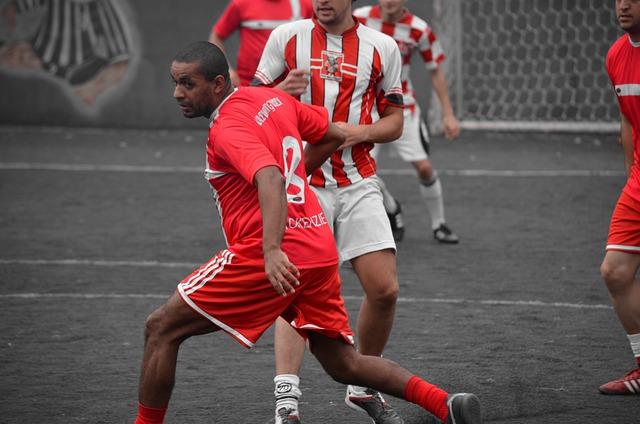
Professional soccer seasons vary in duration depending on the league and country. The length of the season can have significant implications on player health and team performance. Let’s explore how a longer or shorter soccer season can impact both players and teams:
- Player Health: Longer seasons can lead to increased risk of injuries due to the higher physical demands placed on players. Conversely, shorter seasons may allow players more time to rest and recover, reducing the likelihood of fatigue and overuse injuries.
- Team Performance: A longer season provides teams with more opportunities to develop chemistry and cohesion on the field. However, it can also lead to player burnout and decreased performance towards the end of the season. On the other hand, a shorter season may require teams to quickly adapt and perform at a high level in a shorter timeframe.
Ultimately, finding the right balance between season length and player health is crucial for ensuring optimal team performance. Each league and club must consider the unique factors at play in order to create a season schedule that maximizes both player well-being and team success.
Comparing Domestic League Seasons vs. International Competitions
In professional soccer, the length of a season can vary depending on whether you are looking at domestic league play or international competitions. Domestic league seasons typically span several months, starting in the late summer and running through the spring. Teams play a set number of matches against each other in a round-robin format to determine the league champions.
On the other hand, international competitions like the FIFA World Cup or UEFA European Championship are much shorter in duration. These tournaments often last for a few weeks, with teams competing in a series of knockout rounds to determine the ultimate winner. The shorter timeframe adds to the intensity and excitement of international competitions, as every match becomes crucial.
One key difference between domestic league seasons and international competitions is the level of competition. Domestic leagues feature teams from a specific country or region, while international competitions bring together the best teams from around the world. This difference in competition level can lead to different playing styles and strategies being employed by teams in each type of competition.
Overall, whether you prefer the long grind of a domestic league season or the high-stakes drama of international competitions, professional soccer offers something for every fan to enjoy. Each type of competition brings its own unique challenges and rewards for teams and players alike.
Considering the Economic and Commercial Factors Influencing Soccer Season Scheduling
When it comes to determining the length of a professional soccer season, there are several economic and commercial factors that come into play. These factors can vary depending on the league and the country in which the league operates. Some key considerations include:
- Television Rights: TV networks play a significant role in shaping the schedule of a soccer season. Broadcasters pay hefty sums of money for the rights to air games, so leagues often need to ensure they schedule matches at times that maximize viewership.
- Sponsorship Deals: Sponsorship agreements with companies can also influence the duration of a soccer season. Sponsors may require a certain number of games or exposure throughout the season, which can impact scheduling decisions.
- Fan Engagement: Keeping fans engaged throughout the season is crucial for the success of a league. Scheduling games in a way that maintains interest and attendance is a key consideration for organizers.
Overall, the duration of a professional soccer season can vary widely, with some leagues running for just a few months while others stretch out over the course of a year. Finding the right balance between economic factors and the interests of stakeholders is key to creating a successful and sustainable schedule for any league.
Recommendations for Balancing Player Welfare with Competitive Demands of Professional Soccer
When it comes to balancing player welfare with the competitive demands of professional soccer, there are several key recommendations that can help ensure the well-being of players while still maintaining the high level of competition that fans expect.
- Implementing Mandatory Rest Periods: It is crucial for players to have adequate time off between matches to allow for proper recovery and reduce the risk of injuries.
- Monitoring Training Loads: By carefully monitoring the physical exertion that players undergo during training sessions and matches, teams can better manage fatigue and prevent burnout.
- Providing Access to Mental Health Support: The mental well-being of players is just as important as their physical health, so having access to mental health resources can help players cope with the pressures of professional soccer.
| League | Duration |
|---|---|
| Premier League | August – May |
| La Liga | August – May |
| Bundesliga | August – May |
Wrapping Up
In conclusion, the duration of a professional soccer season varies depending on the league and country. From the excitement of the English Premier League lasting from August to May, to the MLS season running from March to October, each league offers its own unique experience for fans and players alike. Whether you prefer the marathon-like endurance of European leagues or the condensed intensity of MLS, one thing is certain – there’s always a game to watch and cheer for. So, grab your jersey and get ready to follow your favorite team through a thrilling season of highs, lows, and everything in between. It’s a journey that’s sure to keep you on the edge of your seat until the final whistle blows.
Get our latest guides, news, and insights highlighted in your Google Search & AI Overviews.