Leg Condition: Can You Play Soccer with Shin Splints?
As athletes, we all know the frustration of dealing with injuries that can sideline us from the game we love. One common leg condition that plagues many soccer players is shin splints. But can you still lace up your cleats and hit the field with this painful ailment? Let’s dive into the world of shin splints and determine whether or not you can continue to play soccer while managing this leg condition.
Contents
- 1 – Understanding Shin Splints: Causes and Symptoms
- 2 – Impact of Shin Splints on Soccer Performance
- 3 Impact of Shin Splints on Soccer Performance
- 4 – Managing Shin Splints: Treatment and Prevention Strategies
- 5 – Importance of Rest and Recovery for Shin Splints
- 6 – Strengthening Exercises for Shin Splint Prevention
- 7 – Proper Footwear and Soccer Cleats for Shin Splints
- 8 – Flexibility and Stretching for Shin Splint Relief
- 9 – Gradual Return to Soccer After Shin Splint Recovery
- 10 – Consulting a Healthcare Professional for Severe Shin Splint Cases
- 11 To Wrap It Up
– Understanding Shin Splints: Causes and Symptoms
Shin splints are a common condition among athletes, particularly those who engage in activities that involve repetitive stress on the legs, such as running or playing sports like soccer. The main causes of shin splints include:
- Overuse of the muscles and tendons in the lower legs
- Poor running or jumping mechanics
- Flat feet or high arches
- Inadequate footwear or worn-out shoes
Common symptoms of shin splints include:
- Pain along the inner edge of the shin bone
- Tenderness or soreness in the lower leg
- Swelling in the affected area
- Difficulty walking or running without discomfort
When dealing with shin splints, it is crucial to rest and allow the muscles to heal properly. It is not advisable to play soccer or engage in any other high-impact activities until the pain and inflammation have subsided. Ignoring shin splints and continuing to play sports can lead to more severe injuries and prolonged recovery times.

– Impact of Shin Splints on Soccer Performance
Impact of Shin Splints on Soccer Performance
Shin splints can have a significant impact on a soccer player’s performance on the field. This painful condition, also known as medial tibial stress syndrome, can result in various symptoms such as tenderness along the shin bone, swelling, and sharp pain during physical activity.
Playing soccer with shin splints can be challenging and may hinder a player’s ability to perform at their best. Some ways in which shin splints can affect soccer performance include:
- Decreased running speed and agility
- Lack of explosiveness in movements
- Difficulty in changing direction quickly
- Inability to play at full intensity for extended periods
It is crucial for players experiencing shin splints to address the issue promptly, seek proper treatment, and allow for adequate rest and recovery to prevent further damage and maintain optimal performance on the soccer field.

– Managing Shin Splints: Treatment and Prevention Strategies
Shin splints are a common issue among athletes, particularly those involved in activities that require a lot of running and jumping, such as soccer. If you’re wondering whether you can still play soccer with shin splints, the answer is not straightforward. In some cases, it may be possible to continue playing with proper management strategies in place, while in other cases, it may be necessary to take a break from the sport until the condition improves.
Treatment and prevention strategies are crucial when it comes to managing shin splints. Here are some tips to help you deal with this painful condition effectively:
- RICE method: Rest, Ice, Compression, and Elevation can help reduce pain and inflammation in the affected area.
- Proper footwear: Make sure you’re wearing appropriate shoes with good arch support and cushioning to minimize strain on your shins.
- Stretching and strengthening exercises: Incorporate exercises that target the muscles in your calves, shins, and feet to improve flexibility and stability.
- Gradual return to activity: If you choose to continue playing soccer, ease back into training slowly to avoid exacerbating the condition.
It’s important to listen to your body and seek medical advice if the pain persists despite following these strategies. Remember, prioritizing your health and well-being should always come first, even if it means taking a temporary break from the game you love.
– Importance of Rest and Recovery for Shin Splints
Rest and recovery are crucial when dealing with shin splints, especially if you want to continue playing soccer without worsening your condition. Here are some reasons why rest and recovery are vital for managing shin splints:
- Allowing Healing: Rest gives your body the chance to heal the injured tissues in your shins, reducing inflammation and pain.
- Preventing Further Injury: Continuing to play sports with shin splints can lead to more severe damage, potentially sidelining you for a longer period.
- Improving Recovery Time: Giving your body adequate rest and recovery time can speed up the healing process, allowing you to return to the game sooner.
Remember that it’s important to listen to your body and not push through the pain when dealing with shin splints. Taking the necessary time to rest and recover properly will benefit your overall health and performance in the long run.
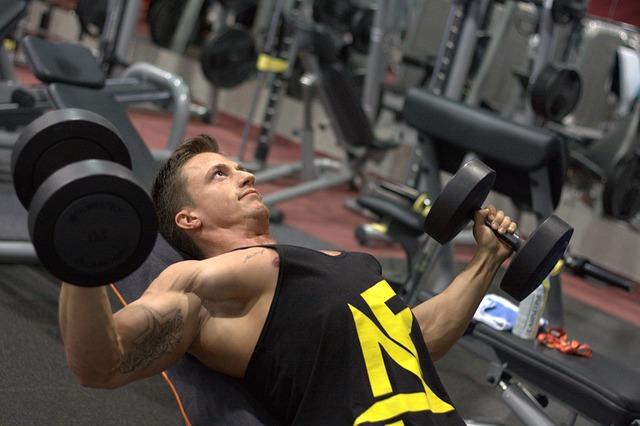
– Strengthening Exercises for Shin Splint Prevention
Some key strengthening exercises for shin splint prevention include:
- Calf Raises: Stand with your feet hip-width apart and slowly lift your heels off the ground, then lower back down.
- Ankle Circles: Sit on the floor with your legs extended and rotate your ankles in circular motions.
- Toe Walks: Walk around on your toes for a few minutes to help strengthen the muscles in your shins.
- Resistance Band Exercises: Use a resistance band to perform exercises like dorsiflexion and eversion to improve muscle strength in your lower legs.
Incorporating these exercises into your regular routine can help to prevent shin splints and improve your overall lower leg strength. It’s important to listen to your body and start slowly, gradually increasing the intensity and frequency of these exercises over time. Remember to always stretch before and after your workouts to help prevent injury and keep your muscles flexible. With consistency and dedication, you can strengthen your legs and continue playing soccer without the hindrance of shin splints.
– Proper Footwear and Soccer Cleats for Shin Splints
When dealing with shin splints, it’s essential to wear the right footwear to help alleviate pain and prevent further injury while playing soccer. Here are some tips on choosing the proper footwear and soccer cleats for shin splints:
- Cushioning: Look for shoes with adequate cushioning to reduce impact on your shins while running and kicking the ball. This will help lessen the strain on your shins and lower legs.
- Arch support: Opt for soccer cleats that provide good arch support to help maintain proper alignment of your feet and ankles. This can reduce the stress placed on your shins during play.
- Firm heel counter: Choose soccer cleats with a firm heel counter to keep your foot stable and prevent excessive rolling, which can contribute to shin splints.
- Proper fit: Make sure your soccer cleats fit well and don’t cause any rubbing or pressure points on your shins. Ill-fitting shoes can exacerbate shin splint pain.
| Shoe Brand | Key Features |
|---|---|
| Nike | Excellent cushioning and arch support |
| Adidas | Firm heel counter and superior fit |
| Under Armour | Good overall support and stability |

– Flexibility and Stretching for Shin Splint Relief
When dealing with shin splints, incorporating flexibility and stretching exercises into your routine can help relieve pain and prevent further injury. Flexibility exercises can help increase the range of motion in your muscles and joints, while stretching can help reduce muscle tightness and improve overall flexibility.
Here are some effective stretches and flexibility exercises that can provide relief for shin splints:
- Calf Stretch: Stand facing a wall with one foot in front of the other. Lean forward, keeping your back leg straight and your heel on the ground. Hold for 30 seconds and then switch sides.
- Toe Flexion Stretch: Sit on the floor with your legs straight out in front of you. Use a towel or resistance band around the ball of your foot and gently pull towards you, flexing your toes towards your body. Hold for 30 seconds and then switch feet.
- Ankle Circles: Sit on the floor with your legs straight out in front of you. Rotate your ankles in a circular motion, making sure to move in both directions.
By incorporating these flexibility and stretching exercises into your daily routine, you can help alleviate the symptoms of shin splints and get back to playing soccer without discomfort. Remember to listen to your body and consult with a healthcare professional if you experience persistent pain or discomfort.

– Gradual Return to Soccer After Shin Splint Recovery
Shin splints are a common overuse injury that affects many soccer players. While playing soccer with shin splints can be challenging and painful, it is possible to return to the sport after proper recovery and rehabilitation.
Here are some tips for gradually returning to soccer after recovering from shin splints:
- Start with low-impact activities such as swimming or cycling to maintain cardiovascular fitness while giving your shins time to heal.
- Gradually introduce light jogging and running exercises to test your shins’ tolerance to impact.
- Focus on strengthening exercises for the muscles in your lower legs, such as calf raises and toe curls, to prevent future shin splints.
| Activity | Duration | Intensity |
|---|---|---|
| Swimming | 30 minutes | Low |
| Cycling | 45 minutes | Low |
| Light Jogging | 20 minutes | Moderate |
Remember to listen to your body and consult with a healthcare professional before returning to soccer to ensure a safe and successful recovery from shin splints.

– Consulting a Healthcare Professional for Severe Shin Splint Cases
When it comes to playing soccer with shin splints, it is important to consider the severity of your condition before making any decisions. While shin splints may seem like a minor injury, severe cases can greatly impact your ability to perform on the field. If you are experiencing persistent, sharp pain in your shins that does not improve with rest, it is crucial to consult a healthcare professional.
Healthcare professionals, such as sports medicine doctors or physical therapists, can provide a proper diagnosis of your shin splints and develop a personalized treatment plan to help you recover. They may recommend the following for severe cases:
- Rest: Taking a break from strenuous physical activity to allow your shins to heal.
- Physical Therapy: Engaging in specific exercises to strengthen the muscles surrounding your shins and improve flexibility.
- Orthotics: Using shoe inserts or custom orthotic devices to provide additional support and cushioning for your feet.
| Severity Level | Treatment Recommendation |
|---|---|
| Mild | Rest, ice, and over-the-counter pain medication |
| Moderate | Physical therapy and orthotics |
| Severe | Consultation with a healthcare professional for further evaluation and treatment |
Ignoring severe shin splints and continuing to play soccer can lead to chronic pain and potentially more serious injuries. By consulting a healthcare professional, you can receive the guidance and support needed to properly address your condition and get back to playing the sport you love.
To Wrap It Up
In conclusion, while shin splints can be a painful condition, with proper management and treatment, you can still enjoy playing soccer. It is important to listen to your body, rest when needed, and follow the advice of a healthcare professional. Don’t let shin splints hold you back from pursuing your passion for the game. Stay informed, stay active, and keep on kicking!