

A Soccer Player Passes the Ball from a Point: Exploring Tactical Passing!
Soccer, known for its strategic gameplay and precise passing, showcases the importance of tactical decision-making on the field. In this article, we delve into the world of soccer passing as we analyze the crucial skills and strategies involved in a player passing the ball from a specific point. Join us as we explore the art of tactical passing in the beautiful game of soccer.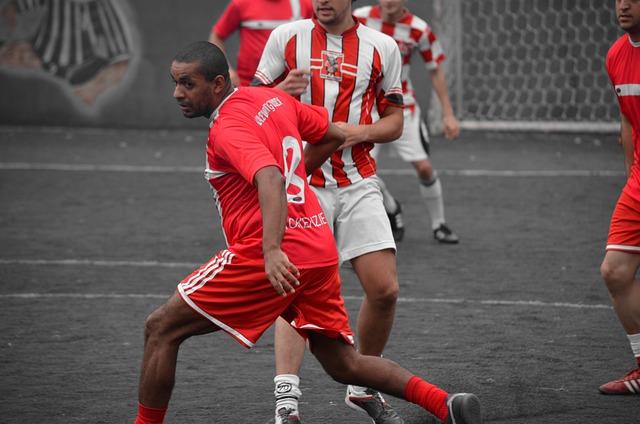
Contents
- 1 The Importance of Tactical Passing in Soccer
- 2 Mastering Different Passing Techniques on the Field
- 3 Analyzing Options and Making Quick Decisions
- 4 Creating Opportunities by Passing from Specific Points
- 5 Enhancing Team Communication through Precise Passing
- 6 Utilizing Passing Drills to Improve Technique and Accuracy
- 7 Identifying Passing Patterns and Strategies
- 8 Exploring the Psychology Behind Effective Passing
- 9 Maximizing Possession and Control through Strategic Passing
- 10 Evaluating the Impact of Passing on Overall Team Performance
- 11 The Conclusion
The Importance of Tactical Passing in Soccer
Soccer is a game of strategy and skill, and one of the most crucial aspects of the game is tactical passing. A soccer player passes the ball from a point with the goal of moving the ball efficiently and effectively to create scoring opportunities. Tactical passing involves more than just kicking the ball to a teammate; it requires anticipation, vision, and communication.
Effective tactical passing in soccer can make a significant impact on a team’s performance. Some key points to keep in mind when executing tactical passing include:
- Timing: Passing at the right time is essential to catch the defense off guard and create space for an attack.
- Accuracy: Precision in passing is crucial to ensure that the ball reaches its intended target and maintains possession.
- Creativity: Thinking outside the box and using different passing techniques can confuse the opposition and open up scoring opportunities.
- Movement: Players need to move off the ball to create passing lanes and provide options for the ball carrier.
Overall, mastering tactical passing in soccer can elevate a player’s game and contribute to the success of the team. By understanding the importance of passing from a point and implementing it effectively on the field, players can enhance their overall performance and help their team achieve its goals.

Mastering Different Passing Techniques on the Field
In soccer, is crucial for players to excel in their positions. Whether you are a midfielder looking to control the game or a forward seeking to create goal-scoring opportunities, understanding tactical passing is key to success.
One essential passing technique is the short pass, where players use the inside of their foot to accurately distribute the ball to a teammate nearby. This type of pass is effective in maintaining possession and building up play from the back. It requires good communication and awareness of your surroundings to quickly move the ball around the field.
On the other hand, the long pass is used to switch the point of attack or create scoring chances by sending the ball over longer distances. Players must use their instep to strike the ball with power and accuracy to reach their target. Long passes are often used by defenders and midfielders to break through the opposition’s defense and set up counterattacks.
Furthermore, the through ball is a more advanced passing technique that involves delivering the ball behind the defense for a teammate to run onto. This type of pass requires exceptional vision, timing, and execution to split the opponents’ defensive line and create one-on-one opportunities with the goalkeeper. Mastering the through ball can be a game-changer for players looking to unlock stubborn defenses and score goals.
Analyzing Options and Making Quick Decisions
One of the most crucial skills in soccer is the ability to quickly analyze your options and make split-second decisions. This is particularly evident in tactical passing, where players must assess the field, anticipate movements, and execute precise passes to teammates.
When a player receives the ball, they must immediately scan the field to identify potential passing options. This involves not only looking at where their teammates are but also considering the positioning of the opposition. By quickly analyzing these factors, a player can determine the best course of action and make a decision in a matter of seconds.
Effective passing in soccer requires players to be decisive and confident in their choices. Whether it be a short pass to maintain possession or a long through ball to spark a quick attack, the ability to make quick decisions can be the difference between a successful play and a missed opportunity.
By honing their skills in tactical passing, soccer players can elevate their game to the next level. Through training and practice, players can improve their decision-making abilities on the field, leading to more effective passes, better teamwork, and ultimately, more successful outcomes.

Creating Opportunities by Passing from Specific Points
Passing the ball from specific points on the field can create numerous opportunities for a soccer player and their team. By strategically choosing where to pass the ball, players can dictate the flow of the game and set up scoring chances.
One of the key aspects of tactical passing is understanding the positioning of both your teammates and the opposing players. By assessing the field and identifying open spaces, players can make accurate passes that bypass defenders and create goal-scoring opportunities. This requires quick thinking and precise execution.
Another important factor in creating opportunities through passing is communication. Players must be able to effectively communicate with each other to coordinate movements and anticipate passes. This teamwork is essential in breaking down the opponent’s defense and finding gaps to exploit.
Overall, mastering tactical passing from specific points on the field requires practice, patience, and a deep understanding of the game. By honing these skills, players can become valuable assets to their team and increase their chances of success on the field.

Enhancing Team Communication through Precise Passing
When it comes to in soccer, it is crucial for players to understand the tactical aspect of passing the ball from one point to another. By focusing on improving passing accuracy and decision-making skills, teams can effectively move the ball around the field with purpose and efficiency.
One key strategy for is to emphasize the importance of constant movement and positioning. Players should always be looking for open spaces and supporting their teammates by being in the right place at the right time to receive a pass. This not only helps create passing lanes but also fosters better communication between players on the field.
Another effective way to enhance team communication through precise passing is to encourage quick, one-touch passing sequences. By keeping the ball moving with short, crisp passes, teams can disorient their opponents and create scoring opportunities. This style of play requires players to be aware of their surroundings and make split-second decisions, ultimately improving their communication skills on the field.
| Benefits of Precise Passing | Examples |
|---|---|
| Creates scoring opportunities | Through balls into space for strikers |
| Keeps possession of the ball | Retaining possession in tight spaces |
| Builds team chemistry | Quick passing combinations between players |
Utilizing Passing Drills to Improve Technique and Accuracy
Passing drills are an essential component of soccer training, as they can significantly improve a player’s technique and accuracy on the field. By practicing various passing techniques consistently, players can develop the skills needed to make precise passes under pressure during a match.
One key benefit of utilizing passing drills is the opportunity to focus on specific passing techniques, such as short passes, long passes, and through balls. This targeted practice allows players to hone their skills in different game situations, ultimately increasing their overall passing accuracy.
Additionally, passing drills provide players with the chance to work on their communication and teamwork on the field. By practicing passing sequences with teammates, players can develop an understanding of each other’s playing styles and tendencies, leading to more effective passing combinations during games.
Overall, incorporating passing drills into regular training sessions can help players become more confident and proficient in their passing abilities. By dedicating time to improving technique and accuracy through targeted practice, players can elevate their performance on the field and contribute to their team’s success.
Identifying Passing Patterns and Strategies
When it comes to in soccer, it is crucial to understand the different ways a player can pass the ball from a specific point on the field. By exploring tactical passing, players can enhance their decision-making skills and overall performance on the pitch.
One common passing pattern is the give-and-go, where a player passes the ball to a teammate and immediately makes a run to receive it back. This strategy can help create space and break through the opposition’s defense. Another effective passing strategy is the through ball, where a player plays a long pass into space for a teammate to run onto. This can be a great way to catch the defense off guard and create scoring opportunities.
Understanding passing angles and options is key to successful passing patterns. By being aware of teammates’ positioning and movement off the ball, a player can make more accurate and effective passes. Additionally, communication on the field is crucial in order to execute passing strategies successfully.

Exploring the Psychology Behind Effective Passing
Passing in soccer is not just about kicking the ball to a teammate; it involves a complex set of psychological processes that can greatly affect the success of a team. Effective passing requires more than just technical ability – it requires an understanding of the psychology behind it.
One key aspect of effective passing is decision-making. When a player receives the ball, they must quickly assess the situation and decide where to pass it. This requires strong cognitive abilities, such as quick thinking and spatial awareness. Players who excel at passing are able to make split-second decisions under pressure, often anticipating the movement of their teammates and opponents.
Another psychological factor that plays a role in passing is communication. Effective passing relies on clear and concise communication between teammates. Players must be able to effectively convey their intentions to each other through verbal cues, body language, and eye contact. This helps to ensure that passes are accurate and well-timed.
| Psychological Factor | Key Point |
|---|---|
| Decision-making | Quick thinking and spatial awareness are crucial for making successful passes. |
| Communication | Clear and concise communication between teammates is essential for accurate passing. |

Maximizing Possession and Control through Strategic Passing
When it comes to soccer, passing the ball strategically is crucial for maximizing possession and control during a game. A player who can effectively pass the ball from one point to another not only helps their team maintain possession, but also sets up scoring opportunities and controls the tempo of the game.
Strategic passing involves more than just kicking the ball to a teammate. It requires careful consideration of the angle, speed, and accuracy of the pass, as well as an awareness of the positions of both teammates and opponents on the field. By mastering the art of tactical passing, a player can become a key player on their team and contribute significantly to their team’s success.
One key aspect of strategic passing is the ability to quickly assess the situation on the field and make split-second decisions about where to pass the ball. By scanning the field for open teammates and anticipating their movements, a player can execute precise passes that keep the momentum of the game in their team’s favor. Additionally, by varying the types of passes they use – such as short passes, long passes, through balls, and crosses – a player can keep opposing defenses off balance and create scoring opportunities for their team.
| Benefits of Strategic Passing: |
|---|
| 1. Maintaining possession |
| 2. Creating scoring opportunities |
| 3. Controlling the tempo of the game |

Evaluating the Impact of Passing on Overall Team Performance
Passing is one of the fundamental skills in soccer that can have a significant impact on overall team performance. The ability of a player to pass the ball effectively can determine the flow of the game and create scoring opportunities for the team.
When evaluating the impact of passing on team performance, it is essential to consider various factors such as accuracy, speed, and decision-making. A well-executed pass can break through the opponent’s defense, create space for teammates, and ultimately lead to a successful attack.
By analyzing the tactical aspects of passing, coaches and players can improve their understanding of the game and develop strategies to maximize the effectiveness of their passing game. This includes knowing when to play short passes to maintain possession or making long-range passes to switch the play and create new attacking opportunities.
Overall, mastering the art of passing in soccer is crucial for a team’s success on the field. Through practice, teamwork, and strategic planning, players can enhance their passing skills and contribute to a more cohesive and dynamic playing style.
The Conclusion
As we’ve explored in this article, tactical passing is a crucial aspect of a soccer player’s skillset. By understanding how to pass the ball effectively from different points on the field, players can create opportunities and outmaneuver their opponents. Whether you’re a seasoned pro or just starting out, practicing and honing your passing skills will undoubtedly elevate your game. So next time you’re out on the field, remember the importance of tactical passing and watch your team’s performance soar. Good luck and happy passing!


