Knee Health: Can I Play Soccer with a Torn Meniscus?
Title: Knee Health: Can I Play Soccer with a Torn Meniscus?
Introduction:
Have you ever found yourself torn between your love for soccer and an injury that threatens to keep you off the field? If you are grappling with a torn meniscus and wondering whether it’s safe to lace up your boots again, we’re here to shed some light on the matter. While the road to recovery may not always be smooth, understanding what a torn meniscus entails and how it affects your knee health is key to making an informed decision. So, let’s dive into the world of knee health and explore whether playing soccer with a torn meniscus is a viable option… or a risky endeavor that might worsen your condition.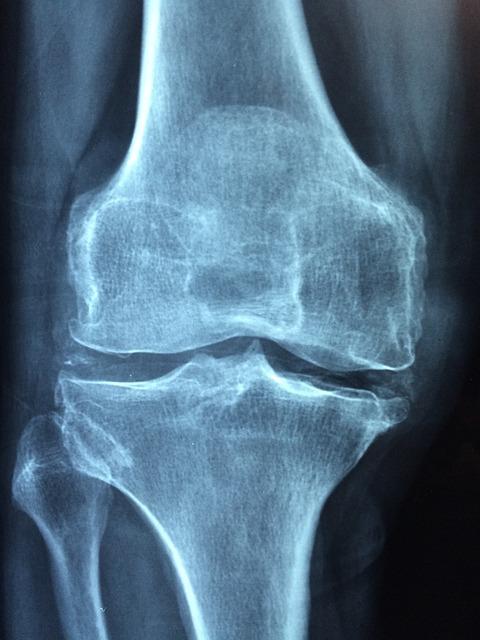
Contents
- 1 Knee Health: Can I Play Soccer with a Torn Meniscus?
- 2 Understanding the Anatomy and Function of the Meniscus
- 3 The Role of the Meniscus in Soccer and Impact on Performance
- 4 Impact of a Torn Meniscus on Knee Stability and Risk of Further Injury
- 5 Managing a Torn Meniscus: Conservative Treatment Options
- 6 Physical Therapy and Rehabilitation Techniques for Soccer Players with a Torn Meniscus
- 7 Returning to Soccer After Meniscus Surgery: What to Expect and How to Prepare
- 8 Tips for Preventing Meniscus Tears and Maintaining Long-Term Knee Health in Soccer
- 9 Expert Recommendations for Soccer Players with a Torn Meniscus
- 10 In Summary
Knee Health: Can I Play Soccer with a Torn Meniscus?
If you’re an avid soccer player and have recently torn your meniscus, you’re likely wondering whether it’s safe to continue playing the sport you love. While every case is unique, it’s important to understand that playing soccer with a torn meniscus can pose risks and may potentially worsen your injury. Here are some key factors to consider:
1. Severity of the Tear
The severity of your torn meniscus plays a crucial role in determining whether it’s safe to play soccer. A minor or partial tear may allow you to continue playing with some modifications and precautions. However, a complete tear or a tear with significant symptoms may require immediate medical attention and can greatly impact your ability to participate in soccer.
2. Symptoms and Pain Level
Understanding your symptoms and pain level is essential. If you experience persistent pain, swelling, stiffness, or instability in your knee, playing soccer may worsen your condition. Before making any decisions, consult with a healthcare professional who can accurately evaluate your injury and advise you on the best course of action.
3. Rehabilitation and Recovery
Playing soccer too soon after a meniscus tear can impede the natural healing process and result in a longer recovery time. Prioritize your rehabilitation and work closely with a physical therapist to strengthen the muscles surrounding your knee, improve flexibility, and regain balance. Following their guidance and gradually returning to soccer activities can help prevent re-injury and ensure a smoother recovery.
Remember, no two torn meniscus cases are the same, and it’s crucial to consult a medical professional for an accurate diagnosis and personalized advice. They will take into account your specific injury, overall knee health, and goals to provide you with the best guidance on whether you can safely play soccer with a torn meniscus.

Understanding the Anatomy and Function of the Meniscus
The meniscus, a C-shaped piece of cartilage in the knee joint, serves a crucial role in maintaining knee stability and preventing damage. Understanding its anatomy and function is essential when considering the impact of a torn meniscus on activities like playing soccer.
Anatomy of the Meniscus:
- The meniscus is located between the thigh bone (femur) and the shin bone (tibia) and acts as a shock absorber, spreading the load across the knee joint.
- It is made up of fibrocartilage, which provides structure and strength while still allowing for flexibility.
- The knee has two menisci: the medial meniscus, on the inner side of the knee, and the lateral meniscus, on the outer side.
Function of the Meniscus:
- The meniscus serves several important functions. It helps with load distribution, reduces friction between the femur and tibia, and provides stability to the knee joint.
- It assists in evenly distributing the weight and forces placed on the knee, which is particularly crucial during activities that involve jumping, twisting, or changing direction, such as playing soccer.
- Additionally, the meniscus acts as a shock absorber, cushioning the knee joint and protecting the articular cartilage from excessive wear and tear.
Playing Soccer with a Torn Meniscus:
- While it is possible to play soccer with a torn meniscus, it is important to consider the severity of the injury and consult with a healthcare professional.
- A minor tear may allow for continued participation in soccer with the appropriate treatment, such as rest, physical therapy, or wearing a knee brace.
- However, a more severe tear may require surgical intervention to repair or remove the torn portion of the meniscus. In such cases, it is crucial to follow the recommended rehabilitation program and allow sufficient time for recovery before returning to soccer.
In conclusion, is vital in assessing whether playing soccer with a torn meniscus is feasible. Consulting with a healthcare professional and following their guidance is essential to ensure adequate treatment and minimize the risk of further damage to the knee joint.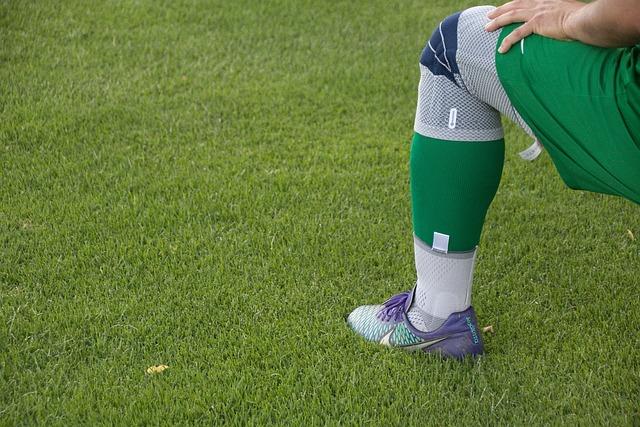
The Role of the Meniscus in Soccer and Impact on Performance
In the world of soccer, the meniscus plays a vital role in every player’s performance. It is a C-shaped piece of cartilage located in the knee joint, acting as a shock absorber between the thigh bone (femur) and the shinbone (tibia). While a torn meniscus is a common sports injury, it can significantly impact a player’s ability to perform at their best.
A torn meniscus can cause pain, swelling, and limited range of motion, making it challenging to play soccer. Depending on the severity of the tear, some players might still be able to participate in the sport, while others might require surgery or extensive rehabilitation. It is essential to consult with a medical professional to determine the best course of action for each individual case.
Playing soccer with a torn meniscus can worsen the injury and lead to further damage, hindering the healing process. It’s important to prioritize long-term health and recovery over short-term desires. Meniscus tears can be treated through various methods such as conservative management, physical therapy, or surgery. The right treatment approach will depend on factors like the location, size, and type of tear.
Ultimately, while some individuals may be able to continue playing soccer with a torn meniscus, it is crucial to make informed decisions that prioritize one’s health and well-being. It is recommended to work closely with a medical professional, who can assess the severity of the injury and provide personalized guidance on whether it is safe to play, when to return to the game, and what steps should be taken to prevent further damage or complications.

Impact of a Torn Meniscus on Knee Stability and Risk of Further Injury
Having a torn meniscus can have a significant impact on knee stability and increase the risk of further injury, especially when participating in high-impact activities like soccer. The meniscus is a rubbery knee cartilage that acts as a shock absorber, providing cushioning and stability to the joint.
When the meniscus is torn, it disrupts the normal biomechanics of the knee, making it less stable and more prone to instability episodes. These episodes can cause sudden pain, swelling, and limited range of motion, making it challenging to engage in physical activities.
A torn meniscus can also increase the risk of further injury, such as sprains or strains. The instability in the knee joint can lead to compensatory movements and altered mechanics, putting additional stress on other structures like ligaments and tendons. This can result in various knee injuries that can be debilitating and require long-term rehabilitation.
It is essential to seek medical evaluation and guidance to determine the severity of the torn meniscus and whether it is safe to continue playing soccer. In some cases, conservative treatments like physical therapy, rest, and modified activities may be sufficient to manage the condition and reduce the risk of further injury. However, in more severe cases or when symptoms persist, surgical intervention may be necessary to repair or remove the torn portion of the meniscus.
Managing a Torn Meniscus: Conservative Treatment Options
A torn meniscus can be a painful and frustrating injury, especially for those who love playing sports like soccer. Many athletes wonder if they can continue playing while dealing with this condition. While it’s important to consult with a medical professional for personalized advice, there are some conservative treatment options to manage a torn meniscus that may allow you to stay active on the soccer field.
-
Rest and ice: Taking a break from activities that aggravate your knee and applying ice packs can help reduce pain and inflammation. Be sure to give your knee enough time to heal.
-
Physical therapy: A trained physical therapist can guide you through exercises to strengthen the muscles around your knee, improve stability, and reduce pressure on the meniscus.
-
Compression and elevation: Wearing a knee brace or using compression wraps can provide support and help reduce swelling. Elevating your leg whenever possible also helps to decrease inflammation.
- Non-steroidal anti-inflammatory drugs (NSAIDs): Over-the-counter medications like ibuprofen or naproxen can help alleviate pain and reduce swelling. Always follow the recommended dosage and consult with a healthcare professional before taking any medication.
Remember, every individual is unique, and the severity of the tear and individual circumstances can greatly impact the treatment options. It’s essential to listen to your body and consult with a medical professional before deciding to play soccer or engage in any physically demanding activities. They can provide you with the most accurate advice tailored to your specific condition.
Physical Therapy and Rehabilitation Techniques for Soccer Players with a Torn Meniscus
If you’re a soccer player dealing with a torn meniscus, you may be wondering if it’s still possible to play the sport you love. While it’s essential to consult with a healthcare professional for an accurate diagnosis and personalized treatment plan, there are several physical therapy and rehabilitation techniques that can help you recover and potentially get back on the field. These techniques aim to improve knee strength, stability, and flexibility, allowing you to resume soccer activities safely.
<h2>1. Range of Motion Exercises</h2>

<p>Range of motion exercises are crucial in maintaining and restoring flexibility in the knee joint. These exercises involve gentle stretching and movements that gradually increase the knee's ability to bend and flex. Some common range of motion exercises for soccer players with a torn meniscus include:</p>

<ul>

    <li>Heel slides</li>

    <li>Hamstring stretches</li>

    <li>Quad sets</li>

    <li>Straight-leg raises</li>

</ul>


<h2>2. Strengthening Exercises</h2>

<p>Strengthening the muscles around the knee can help provide better support and stability to the joint. Here are a few exercises that can help strengthen your knee after a torn meniscus:</p>

<ul>

    <li>Wall squats</li>

    <li>Lunges</li>

    <li>Step-ups</li>

    <li>Leg press</li>

</ul>


<h2>3. Balance and Proprioception Training</h2>

<p>Improving balance and proprioception (awareness of your body's position in space) is crucial for preventing further injuries and enhancing overall performance on the soccer field. Some exercises that can help improve balance and proprioception include:</p>

<ul>

    <li>Single-leg stance</li>

    <li>Bosu ball exercises</li>

    <li>Wobble board exercises</li>

    <li>Coordination drills</li>

</ul>


<h2>4. Modalities and Treatment Techniques</h2>

<p>In addition to exercises, physical therapists may use modalities and treatment techniques to accelerate healing and manage pain, swelling, and inflammation. Some common modalities utilized for torn meniscus rehabilitation include:</p>

<ul>

    <li>Ice therapy</li>

    <li>Electrical stimulation</li>

    <li>Ultrasound</li>

    <li>Kinesiology taping</li>

</ul>


<h2>Treatment Table</h2>

<table>

    <thead>

        <tr>

            <th>Treatment</th>

            <th>Description</th>

        </tr>

    </thead>

    <tbody>

        <tr>

            <td>Ice therapy</td>

            <td>Applying cold packs to reduce pain, swelling, and inflammation.</td>

        </tr>

        <tr>

            <td>Electrical stimulation</td>

            <td>Using low-level electrical currents to stimulate the muscles and promote healing.</td>

        </tr>

        <tr>

            <td>Ultrasound</td>

            <td>Applying high-frequency sound waves to the injured area to relieve pain and enhance tissue healing.</td>

        </tr>

        <tr>

            <td>Kinesiology taping</td>

            <td>Using elastic sports tape to provide support, facilitate proper movement, and reduce strain on the knee.</td>

        </tr>

    </tbody>

</table><br/><img class="kimage_class" src="https://www.beechmontsoccerclub.com/wp-content/uploads/2024/02/g749e07c043a4aa946b9355190c313ba2b73638d284d5ffc4b831996eb1bc234c83483ad62eec3e4d4c0c63e5285066abb3b2cd81dade7f0fdb6b4ebca4e16d17_640.jpg" alt="Surgical Interventions for a Torn Meniscus: Exploring Your Options"><br/><h2 id="surgical-interventions-for-a-torn-meniscus-exploring-your-options">Surgical Interventions for a Torn Meniscus: Exploring Your Options</h2>Surgical interventions are often recommended for individuals suffering from a torn meniscus, a common knee injury. If you're an avid soccer player dealing with this condition, you may be wondering whether it's still possible to continue enjoying your favorite sport. While it's always best to consult with a medical professional for personalized advice, exploring your surgical intervention options can help you make an informed decision about resuming soccer activities.-
Arthroscopic Meniscus Repair:
- This minimally invasive procedure is suitable for certain types and locations of meniscus tears.
- The surgeon uses a small camera called an arthroscope to guide and control the repair process.
- Recovery time can vary, but it typically involves a period of restricted activity and rehabilitation exercises.
-
Partial Meniscectomy:
- In cases where the meniscus tear is severe or irreparable, a partial meniscectomy may be recommended.
- This procedure involves removing the damaged portion of the meniscus, allowing for pain relief and improved function.
- Recovery time is generally shorter compared to other surgical options, but it’s important to follow a structured rehabilitation program.
- Meniscal Transplantation:
- This surgical intervention is recommended for individuals with a completely removed meniscus or extensive damage.
- It involves transplanting a donor meniscus or graft to replace the damaged tissue.
- Recovery can be longer and more involved due to the complexity of the procedure and the need to protect the transplanted meniscus.
Remember that the choice of surgical intervention depends on various factors such as the location, size, and type of meniscus tear, as well as the overall health of your knee. It’s crucial to work closely with a qualified orthopedic surgeon who can assess your specific case and guide you toward the most appropriate surgical option. Additionally, combining surgery with a comprehensive rehabilitation program can greatly enhance your chances of returning to soccer in a safe and effective manner.
Please note that this content is for informational purposes only and should not replace professional medical advice. Always consult with a healthcare professional for personalized guidance based on your unique circumstances.
Returning to Soccer After Meniscus Surgery: What to Expect and How to Prepare
Whether you’re a professional athlete or play soccer for fun, a torn meniscus can be a frustrating setback. But fear not, with proper care and rehabilitation, you can get back on the field and continue to enjoy the game you love. Here’s what you can expect and how to prepare for your return to soccer after meniscus surgery.
-
Consult your doctor: Before returning to soccer, it’s important to consult with your doctor or orthopedic specialist. They will assess your progress, ensure that your knee is healing properly, and determine if you are ready to resume full activity.
-
Follow your rehabilitation program: Rehabilitation plays a crucial role in your recovery process. Your physical therapist will guide you through a range of exercises and stretches to strengthen your knee, improve stability, and enhance your overall fitness. It is vital to diligently follow their advice and gradually reintroduce soccer-specific movements.
-
Start with low-impact activities: To minimize the risk of reinjury, it’s wise to begin with low-impact activities such as walking, jogging, and cycling. These activities help rebuild strength and endurance while reducing stress on your knee joints. Incorporating these exercises into your routine will gradually prepare your body for the demands of soccer.
- Gradually increase soccer-specific training: As you progress in your rehabilitation, you can start integrating soccer-specific training into your routine. This involves drills focusing on agility, change of direction, and ball control. Start with shorter sessions and gradually increase the intensity and duration.
Remember, every individual’s recovery timeline is unique, so listen to your body and progress at your own pace. It’s important to avoid pushing yourself too hard too soon, as this could lead to setbacks. With dedication to your rehabilitation program and patience, you’ll soon be back to enjoying the beautiful game of soccer.
| Benefits of Proper Rehab | Tips for a Successful Return |
|---|---|
| Improved knee strength and stability | Stay consistent with your rehab exercises |
| Reduced risk of reinjury | Listen to your body and respect its limits |
| Enhanced overall fitness level | Gradually increase training intensity and duration |
| Regained confidence on the field | Consult with your doctor regularly |
Tips for Preventing Meniscus Tears and Maintaining Long-Term Knee Health in Soccer
When it comes to playing soccer with a torn meniscus, it’s important to prioritize your knee health. While it may be possible to continue playing with a mild tear, it’s crucial to take precautions to prevent further damage and promote long-term knee health. Here are some valuable tips to keep your knees strong and reduce the risk of meniscus tears:
- Warm up properly: Before any physical activity, including soccer, it’s essential to warm up your muscles and joints. Perform dynamic stretches, such as leg swings and high knees, to increase blood flow and loosen up your knee joints.
- Strengthen your lower body: Building strong muscles around your knees can provide added support and stability. Incorporate exercises like squats, lunges, and leg presses into your workout routine to strengthen your quadriceps, hamstrings, and glutes.
- Improve your balance: Good balance is crucial for preventing knee injuries. Practice balance exercises, such as standing on one leg or using a balance board, to enhance your proprioception and stability.
- Use proper footwear: Invest in high-quality soccer shoes that provide adequate arch support and cushioning. Choosing the right footwear can help absorb impact and reduce stress on your knees.
- Pay attention to your technique: Focus on using proper soccer techniques, such as maintaining proper body alignment and avoiding sudden changes in direction. This can minimize the strain on your knees and decrease the chances of meniscus tears.
Remember, even with these preventive measures, it’s crucial to listen to your body. If you experience any persistent knee pain or discomfort, it’s best to consult a medical professional. Taking proactive steps to protect your knees now will help keep you active and enjoying the sport you love for years to come.

Expert Recommendations for Soccer Players with a Torn Meniscus
Playing soccer is a passion that many individuals find hard to give up, even when faced with a torn meniscus. But can you still play soccer with this injury? Our experts have provided some valuable recommendations for soccer players dealing with a torn meniscus.
1. Consult with a medical professional:
- Before making any decisions, it is crucial to consult with a qualified healthcare provider who can evaluate your injury and provide personalized advice.
- A healthcare professional will assess the severity of your tear, any associated injuries, and develop a treatment plan that aligns with your goals and timeline for returning to soccer.
2. Opt for conservative treatment:
- In many cases, conservative treatment methods can effectively manage a torn meniscus without the need for surgery.
- Physical therapy, anti-inflammatory medications, and modified training routines can help alleviate symptoms and facilitate healing.
- Work closely with your physical therapist to strengthen the surrounding muscles and improve stability in your knee, which can minimize the risk of further injury during soccer activities.
3. Consider surgical intervention:
- If conservative treatments fail to provide relief or if your torn meniscus is severe, surgery may be required.
- Arthroscopic surgery is a minimally invasive procedure commonly used to repair or remove damaged parts of the meniscus.
- Post-surgery, following your healthcare provider’s guidance on rehabilitation exercises, rest, and gradual return to soccer will be crucial for a successful recovery.
Remember, every torn meniscus case is unique, and what works for one player may not work for another. It’s essential to listen to your body, follow the advice of medical professionals, and prioritize your long-term knee health. With the right approach and proper care, it may be possible to continue enjoying the beautiful game of soccer even with a torn meniscus.
In Summary
In conclusion, while a torn meniscus can be a setback for any soccer enthusiast, it doesn’t necessarily mean the end of your playing days. With proper treatment, rehabilitation, and guidance from a healthcare professional, you can continue to enjoy the sport you love. Remember to prioritize your knee health and take all necessary precautions to avoid further damage. Stay informed, listen to your body, and keep that enthusiasm alive on the soccer field. Happy playing, and here’s to a healthy and fulfilling soccer journey!