Muscle Mastery: Does Playing Soccer Build Muscle?
Whether you’re a die-hard soccer fan or just a casual player, one thing is for sure – the sport requires serious physical prowess. But does all that running, kicking, and sprinting actually help build muscle? In this article, we’ll explore the connection between playing soccer and muscle mastery to see if this beloved sport can help you bulk up in more ways than one.
Contents
- 1 Muscle Growth Through Soccer: Fact or Fiction?
- 2 Understanding the Physiological Impact of Playing Soccer on Muscle Development
- 3 Key Muscle Groups Activated During Soccer Games
- 4 The Importance of Strength Training Alongside Soccer for Optimal Muscle Growth
- 5 Tips for Enhancing Muscle Mass Through Soccer Training
- 6 Exploring the Relationship Between Cardiovascular Exercise in Soccer and Muscle Building
- 7 Balancing Soccer and Weightlifting for Maximum Muscle Development
- 8 Common Misconceptions About Muscle Building Through Soccer
- 9 Expert Opinions on Using Soccer as a Tool for Muscle Mastery
- 10 Future Outlook
Muscle Growth Through Soccer: Fact or Fiction?
Playing soccer is not only a great way to stay active and improve cardiovascular health, but it can also help with muscle growth. Contrary to popular belief, soccer is not just a game of running around the field – it requires a significant amount of strength and power to kick the ball, change directions quickly, and outmaneuver opponents. Here are some ways that playing soccer can contribute to muscle growth:
1. Sprinting and Explosive Movements: Soccer involves a lot of sprinting and explosive movements, which can help build fast-twitch muscle fibers responsible for power and strength.
2. Lower Body Strength: Kicking a soccer ball requires strong leg muscles, including the quadriceps, hamstrings, and calves. Constantly running, jumping, and changing direction can also help strengthen the core and improve balance.
3. Upper Body Engagement: While soccer primarily focuses on the lower body, players also use their upper body for throwing, shielding the ball, and jostling with opponents. This constant engagement can help tone and strengthen the arms, shoulders, and back muscles.
In conclusion, while soccer may not be as effective at building muscle mass as traditional weightlifting, it can still be a valuable component of a well-rounded fitness routine. Incorporating soccer into your workout regimen can help improve overall strength, power, and endurance while providing a fun and dynamic way to stay active.
Understanding the Physiological Impact of Playing Soccer on Muscle Development
Playing soccer can have a significant impact on muscle development, as it engages multiple muscle groups throughout the body. The dynamic nature of the game involves running, sprinting, jumping, tackling, and kicking, which all contribute to muscle stimulation and growth. Here are some key points to consider when examining the physiological effects of playing soccer on muscle development:
-
Leg Muscles: Soccer heavily relies on the lower body, particularly the quadriceps, hamstrings, calves, and glutes. These muscles are constantly engaged during activities like sprinting, cutting, and kicking, leading to improved strength and endurance over time.
-
Core Strength: The core muscles, including the abdominals and lower back, play a crucial role in maintaining stability and balance during soccer movements. As players twist, turn, and change direction on the field, their core muscles are continuously activated, resulting in enhanced strength and power.
- Cardiovascular Benefits: In addition to muscle development, playing soccer also provides cardiovascular benefits, as it involves continuous movement and high-intensity intervals. This can help improve overall fitness levels and endurance, while also promoting fat loss and lean muscle development.
Overall, the combination of strength training, agility work, and cardiovascular exercise involved in playing soccer makes it a dynamic sport for building muscle and improving overall physical fitness. By consistently engaging in soccer activities, players can see positive changes in their muscle tone, strength, and endurance over time.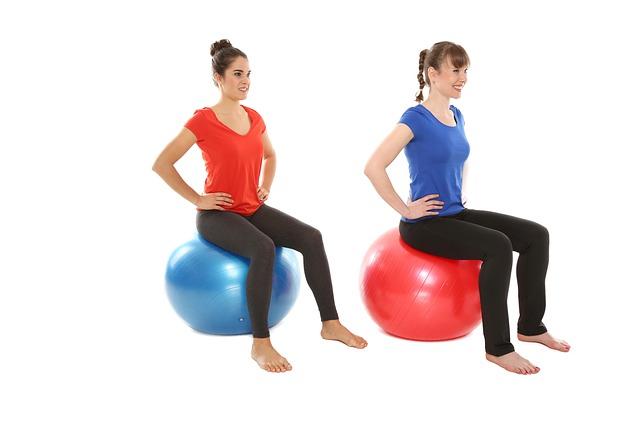
Key Muscle Groups Activated During Soccer Games
During a soccer game, several key muscle groups are activated to help players perform at their best. These muscle groups play crucial roles in various movements such as running, kicking, jumping, and changing direction on the field. By understanding which muscles are most engaged during soccer matches, players can tailor their training to improve their performance and build muscle effectively.
Some of the major muscle groups that are activated during soccer games include:
- Quadriceps: The quadriceps, located on the front of the thigh, are responsible for kicking the ball, accelerating, and decelerating during sprints.
- Hamstrings: The hamstrings, located on the back of the thigh, help with kicking, running, and stabilizing the knee joint.
- Calves: The calves, located on the back of the lower leg, are vital for jumping, acceleration, and providing power for explosive movements.
- Glutes: The glutes, or the muscles in the buttocks, play a crucial role in power generation, stability, and overall lower body strength.
In addition to these major muscle groups, other muscles such as the core muscles, hip flexors, and adductors also play important roles in soccer performance. By incorporating exercises that target these muscle groups into their training regimen, soccer players can improve their strength, endurance, and overall performance on the field.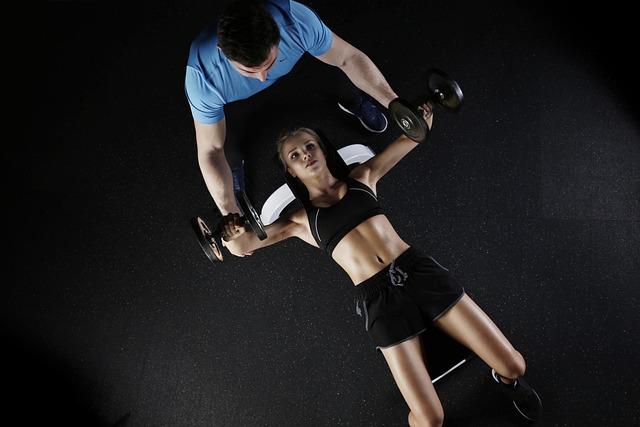
The Importance of Strength Training Alongside Soccer for Optimal Muscle Growth
While playing soccer can help maintain and develop muscle strength, incorporating specific strength training exercises alongside your soccer practice can significantly enhance muscle growth and overall performance on the field. Strength training targets specific muscle groups, helping to increase muscle mass, improve endurance, prevent injuries, and enhance agility.
Some key benefits of combining strength training with soccer include:
- Increased muscle mass
- Improved power and explosiveness
- Enhanced speed and agility
- Reduced risk of injury
By focusing on exercises such as squats, lunges, deadlifts, and plyometrics, soccer players can strengthen their lower body muscles, core stability, and overall athleticism. Incorporating weight training, resistance bands, and bodyweight exercises into your training regimen can help you build a strong foundation and maximize your muscle growth potential.
| Exercise | Targeted Muscles |
|---|---|
| Squats | Quadriceps, Hamstrings, Glutes |
| Lunges | Quadriceps, Glutes, Calves |
| Deadlifts | Hamstrings, Lower Back, Glutes |

Tips for Enhancing Muscle Mass Through Soccer Training
Playing soccer can be a great way to enhance muscle mass, as it involves a lot of running, sprinting, kicking, and jumping, all of which engage various muscle groups in your body. Here are some tips to help you maximize muscle growth through soccer training:
- Strength Training: Incorporate strength training exercises into your workout routine to build muscle mass. Focus on exercises that target the major muscle groups used in soccer, such as squats, lunges, and deadlifts.
- High-Intensity Interval Training (HIIT): HIIT workouts can help increase muscle mass by combining short bursts of intense exercise with periods of rest. Try incorporating HIIT drills, such as sprints and agility exercises, into your soccer training sessions.
- Proper Nutrition: Make sure to fuel your body with the right nutrients to support muscle growth. Consume plenty of protein to help repair and build muscle tissue, as well as carbohydrates for energy to fuel your workouts.
- Rest and Recovery: Give your muscles time to rest and recover between training sessions to prevent overtraining and promote muscle growth. Make sure to get an adequate amount of sleep each night to support muscle recovery.
| Exercise | Reps | Sets |
|---|---|---|
| Squats | 12-15 | 3 |
| Lunges | 10-12 (each leg) | 3 |
| Deadlifts | 8-10 | 3 |

Exploring the Relationship Between Cardiovascular Exercise in Soccer and Muscle Building
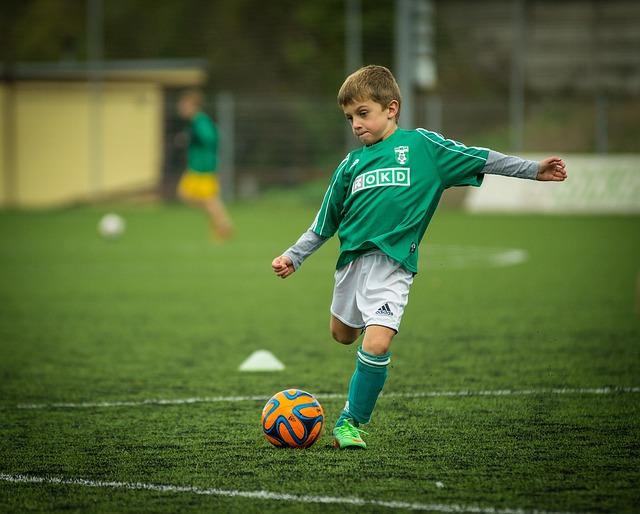
When it comes to the world of sports and fitness, soccer stands out as a top choice for many athletes looking to improve their cardiovascular health and overall muscle strength. The fast-paced nature of the game requires players to constantly move, sprint, and kick, engaging a wide range of muscle groups throughout the body.
**So, how exactly does playing soccer help with muscle building?** There are several key factors at play:
- **Lower Body Strength:** Soccer involves a lot of running, jumping, and kicking, which can help strengthen the muscles in the legs, including the quadriceps, hamstrings, and calves.
- **Core Stability:** Maintaining balance and control on the field requires strong core muscles, including the abdominals and obliques.
- **Upper Body Engagement:** While soccer primarily focuses on the lower body, players also use their arms and shoulders for throwing, pushing off opponents, and controlling the ball.
**Additionally, the high-intensity interval training (HIIT) aspect of soccer can also contribute to muscle growth.** HIIT workouts have been shown to increase muscle mass while burning fat, making soccer a well-rounded exercise for those looking to build muscle and improve their overall fitness levels.
Balancing Soccer and Weightlifting for Maximum Muscle Development
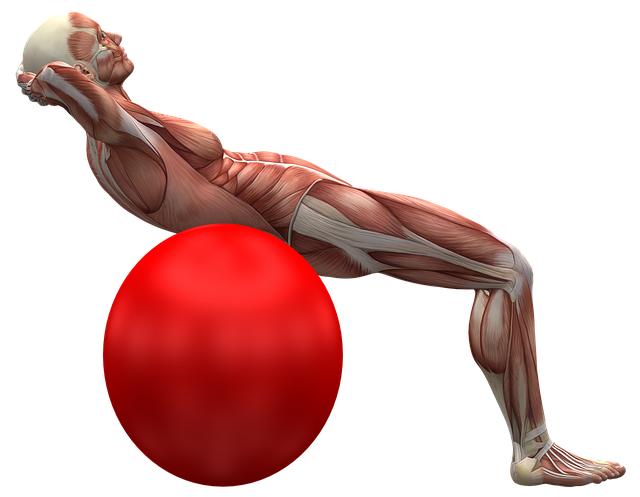
When it comes to optimizing muscle development, finding the perfect balance between soccer and weightlifting can be key. While playing soccer can certainly help build muscle, incorporating weightlifting into your fitness routine can take your gains to the next level.
**Here are a few reasons why balancing soccer and weightlifting can lead to maximum muscle development:**
- **Strength Training:** Weightlifting allows you to target specific muscle groups and increase muscle mass more efficiently than soccer alone.
- **Muscle Endurance:** Soccer helps improve overall muscle endurance, which can complement the strength gained from weightlifting.
**To help you better understand the benefits of balancing soccer and weightlifting for muscle development, take a look at the comparison table below:**
| Aspect | Soccer | Weightlifting |
|---|---|---|
| Strength Building | ✓ | ✓✓ |
| Muscle Endurance | ✓✓ | ✓ |
| Muscle Definition | ✓ | ✓✓ |
Common Misconceptions About Muscle Building Through Soccer
Many people believe that playing soccer is not an effective way to build muscle. However, this is a common misconception. In fact, soccer requires a great deal of strength, power, and endurance, all of which contribute to muscle growth.
One of the main reasons why soccer can help build muscle is because it involves a lot of sprinting, jumping, and kicking, all of which engage various muscle groups in the body. Additionally, soccer also requires players to have strong core muscles to maintain balance and stability while running and changing direction quickly.
Furthermore, the constant running and high-intensity intervals in soccer training help increase muscle endurance and promote muscle growth. It is important to note that while soccer may not lead to massive gains in muscle size like bodybuilding, it can certainly help improve strength and muscle definition.
So, if you enjoy playing soccer and want to build muscle, don’t let the misconception stop you. Incorporate strength training exercises, proper nutrition, and sufficient rest into your routine, and you will see improvements in muscle mass and overall athletic performance.
Expert Opinions on Using Soccer as a Tool for Muscle Mastery
When it comes to building muscle, many people turn to traditional weightlifting and bodybuilding exercises. However, an often-overlooked method for muscle mastery is playing soccer. Soccer involves a combination of running, jumping, kicking, and quick changes in direction, which engage various muscle groups throughout the body. Here are some expert opinions on how playing soccer can be an effective tool for building muscle:
- Cardiovascular Endurance: Soccer is a high-intensity sport that requires players to constantly move and sprint across the field. This continuous aerobic activity helps improve cardiovascular endurance and strengthens the heart and lungs.
- Lunges, Squats, and Calf Raises: Soccer players frequently perform lunges when changing direction, squats when dribbling the ball, and calf raises when jumping to head the ball. These movements target the quads, hamstrings, glutes, and calves, helping to build strength and muscle mass in these areas.
- Core Strength: Maintaining balance and stability while dribbling, passing, and shooting in soccer requires a strong core. Playing soccer can help strengthen the abdominal muscles, obliques, and lower back, improving overall core strength and muscle definition.
| Expert Opinion #1 | Soccer is a dynamic sport that challenges athletes both physically and mentally. By incorporating soccer into your training routine, you can enhance your agility, endurance, and muscle strength simultaneously. |
| Expert Opinion #2 | Playing soccer not only improves cardiovascular fitness but also helps build lean muscle mass. The explosive movements and quick bursts of energy required in soccer can lead to muscle growth and increased strength over time. |
Future Outlook
In conclusion, playing soccer can definitely help build muscle, especially in the lower body. However, it may not be as effective for muscle growth as targeted weight training. Remember, incorporating a variety of exercises into your routine is key to achieving overall muscle mastery. So keep kicking that ball around, but don’t forget to hit the weights too for optimal results. Keep pushing yourself and watch those muscles grow stronger every day.