

Navigate Soccer Positions: How to Choose Your Perfect Fit!
Are you ready to kick-start your soccer journey but unsure which position suits you best? Look no further! In this informative guide, we will navigate through the different soccer positions, helping you discover your perfect fit on the field. From goalkeeper to striker, we’ve got you covered with all the essential tips and insights to make an informed decision. So lace up those boots, and let’s dive into the exciting world of soccer positions – making sure you find your ideal role for ultimate success!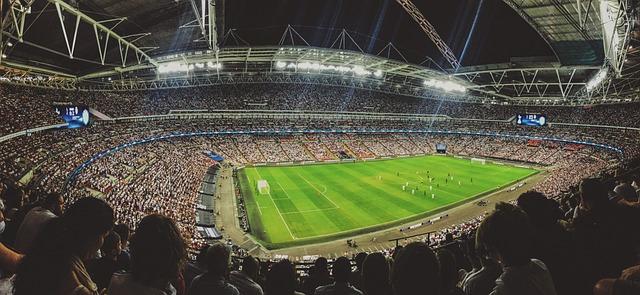
Contents
- 1 Heading 1: Understanding the Different Soccer Positions: A Comprehensive Guide
- 2 Heading 2: Analyzing Your Skills and Preferences: Finding the Ideal Soccer Position
- 3 Heading 3: Unveiling the Secrets of Strikers: Making Goal-Scoring Your Forte
- 4 Heading 4: Midfield Maestros: Mastering Control and Influence on the Pitch
- 5 Heading 5: The Defenders’ Domain: Guarding the Team’s Backline with Tenacity
- 6 Heading 6: Goalkeepers Exposed: Embracing the Last Line of Defense
- 7 Heading 7: Discovering the Duties of Fullbacks: Balancing Defense and Attack
- 8 Heading 8: Central Midfielders Decoded: A Key Role in Building the Game
- 9 Heading 9: Wingers Unleashed: Blending Speed, Skill, and Creativity on the Flanks
- 10 Wingers Unleashed: Blending Speed, Skill, and Creativity on the Flanks
- 11 Heading 10: The Versatile Utility Player: Adaptability Across Different Soccer Positions
- 12 Final Thoughts
Heading 1: Understanding the Different Soccer Positions: A Comprehensive Guide
When it comes to playing soccer, choosing the right position can make a big difference in your enjoyment and success on the field. Each position has its own unique set of responsibilities and skills, so it’s important to understand the different options before making your choice. In this comprehensive guide, we’ll break down the various soccer positions and provide you with the information you need to find your perfect fit!
1. Goalkeeper: The last line of defense, the goalkeeper is responsible for stopping the opposing team from scoring. They need to have excellent reflexes, agility, and communication skills to organize their defense.
2. Defenders: These players have the task of protecting the goal and stopping the opposing team’s attacks. Defenders need to be strong, good tacklers, and have a good understanding of the game.
3. Midfielders: The midfielders are the link between the defense and the attack. They need to have good passing, vision, and stamina. They are responsible for controlling the game and creating opportunities for the forwards.
4. Forwards: The forwards are the goal scorers of the team. They need to have speed, agility, and excellent finishing skills. Their main job is to put the ball in the back of the net and create chances for the team.
How to Choose Your Perfect Fit
Choosing the right soccer position is a personal decision that depends on your skills, strengths, and preferences. Here are some tips to help you find your perfect fit:
- Assess your skills: Take a look at your strengths and weaknesses as a player. Are you a natural goal scorer or do you excel at organizing the defense?
- Consider your attributes: Think about your physical attributes and how they align with the requirements of each position. Are you fast and agile or strong and good in the air?
- Watch and learn: Study professional players in different positions and see which style of play resonates with you the most.
- Try different positions: Don’t be afraid to experiment and try different positions during training sessions. You might discover hidden talents or find a position you never thought of before.
Remember, choosing a soccer position is not a permanent decision. As you grow and develop as a player, you may find that your skills and preferences change. So, don’t be afraid to explore and have fun with different positions until you find the one that makes you feel at home on the soccer field!

Heading 2: Analyzing Your Skills and Preferences: Finding the Ideal Soccer Position
Once you have decided to pursue the exciting world of soccer, the next step is finding the perfect position that suits your skills and preferences. Understanding your strengths and weaknesses, as well as knowing the various positions on the field, will help you make an informed decision and excel in your chosen role.
Analyzing your skills is crucial in determining the ideal soccer position for you. Are you a fast runner? Do you have excellent ball control? Are you good at defending? Assessing your physical and technical abilities will give you a clear idea of the positions that best align with your strengths. For example, if you have speed and agility, you might thrive as a winger or forward. On the other hand, if you possess great defensive abilities, being a center-back or full-back could be a perfect fit.
Your personal preferences also play a significant role in selecting the right soccer position. Some players enjoy taking charge and leading the team, while others prefer supporting their teammates and contributing from behind the scenes. Consider whether you enjoy being in the spotlight or if you thrive in a more supportive role. This will help you determine if you should aim for a position in midfield, where you can influence the game both offensively and defensively, or if you would find fulfillment as a goalkeeper, protecting the team’s goal with your strong presence and reflexes.
To further assist you in finding your perfect fit, let’s take a closer look at some of the main soccer positions and their responsibilities:
1. Forward/Striker: The primary goal-scorer, responsible for attacking and putting the ball into the opponent’s net.
2. Midfielder: Controls the flow of the game, distributing the ball between defense and offense, and often assists in both areas.
3. Defender: Primary role is to prevent the opposing team from scoring by blocking attacks and clearing the ball.
4. Goalkeeper: The last line of defense, responsible for stopping shots on goal and organizing the defensive line.
By understanding your skill set, evaluating your personal preferences, and familiarizing yourself with the different soccer positions, you are well on your way to finding your ideal role on the field. Remember, it’s not just about playing a position, but also finding the position that allows you to utilize your natural abilities and enjoy the game to the fullest.
Heading 3: Unveiling the Secrets of Strikers: Making Goal-Scoring Your Forte
Unveiling the Secrets of Strikers: Making Goal-Scoring Your Forte
In the world of soccer, nothing is quite as exhilarating as scoring a goal. And when it comes to goal-scoring, strikers hold the key to success. These skilled players possess the ability to find the back of the net with precision and finesse, leaving both teammates and opponents in awe. If you’ve ever dreamt of becoming a powerful goal-scoring force, then choosing the position of a striker might just be your perfect fit.
As a striker, you’ll have the freedom to showcase your attacking prowess and lead your team’s offensive efforts. Your main objective will be to stay poised in the opponent’s half, ready to make decisive runs and unleash accurate shots on goal. But being a striker goes beyond just being a finisher. It requires a deep understanding of the game, strategic positioning, and impeccable timing.
One of the secrets to becoming a successful striker lies in developing your shooting skills. Precision and accuracy are essential, and practicing various techniques like volleys, headers, and shots from different angles can greatly enhance your ability to find the back of the net. Another crucial aspect of being a prolific goal-scorer is having a keen eye for exploiting the opposition’s defense. Analyzing their weaknesses and capitalizing on opportunities can give you the edge you need to consistently put the ball past the goalkeeper.
Furthermore, a successful striker possesses exceptional agility, speed, and strength. These physical attributes enable you to outpace defenders, hold your ground when being challenged, and quickly react to the fast-paced dynamics of the game. Effective communication and collaboration with your teammates are also vital, as they can create the opportunities that will lead to goals.
Becoming a remarkable striker takes time, dedication, and a relentless hunger for scoring goals. It requires honing your technical skills, working on your physique, and developing a deep understanding of the game. But with the right mindset and a thirst for improvement, you can pave your way towards becoming a goal-scoring sensation on the soccer field.
Heading 4: Midfield Maestros: Mastering Control and Influence on the Pitch
Midfield Maestros are the architects of the game, with the ability to control and influence the flow of play on the soccer pitch. Whether you’re just starting out in the world of soccer or looking to explore new positions, understanding the role of a midfielder can help you find your perfect fit on the field.
One key aspect of being a midfield maestro is mastering control. As a midfielder, you’ll often find yourself at the heart of the action, receiving and distributing the ball to your teammates. So it’s important to develop exceptional ball control skills. Practice your first touch, improve your dribbling technique, and work on your passing accuracy to become a true midfield maestro.
Another crucial skill for midfield maestros is influence. As a midfielder, you have the power to dictate the tempo of the game and make things happen on the field. To do this effectively, focus on developing your decision-making abilities. Read the game, anticipate your opponents’ moves, and make quick, intelligent decisions to create scoring opportunities for your team.
To help you navigate the various positions within midfield, here’s a breakdown of the different roles and responsibilities:
1. Central Midfielder: This position requires a player with all-round abilities. You’ll be involved in both defense and attacking plays, acting as a link between your team’s defense and forwards. Your primary role is to distribute the ball, control the tempo, and provide stability to your team.
2. Defensive Midfielder: As the anchor of the midfield, your main responsibility is to protect the defense. You’ll often be tasked with breaking up opposition attacks, intercepting passes, and initiating counter-attacks. Focus on your defensive positioning and tactical awareness to excel in this role.
3. Attacking Midfielder: If you have a creative flair and enjoy being involved in the attacking plays, this position might be your perfect fit. As an attacking midfielder, you’ll be responsible for providing goal-scoring opportunities for your team. Develop your vision, passing range, and shooting skills to become a threat in the final third.
Mastering the role of a midfield maestro requires dedication, practice, and a love for the game. So lace up your boots, get out on the pitch, and embrace the challenges and rewards that come with being at the center of it all. The midfield awaits your influence!
Heading 5: The Defenders’ Domain: Guarding the Team’s Backline with Tenacity
The Defenders’ Domain: Guarding the Team’s Backline with Tenacity
When it comes to soccer positions, defenders often play a vital role in the success of a team. Responsible for protecting the team’s backline, defenders need to possess a unique set of skills and qualities that allow them to guard their territory with tenacity.
Defenders are typically positioned in the last line of defense, strategically placed to prevent the opposing team from making successful attacks. To excel in this position, one must have exceptional situational awareness, anticipation, and decision-making abilities. They need to read the game and react quickly to close down opponents, intercept passes, and block shots with precision.
There are several types of defenders, each with its own strengths and responsibilities:
- Center Back: Positioned in the middle of the defense, center backs are the pillars of the backline. They are physically strong, robust, and commanding, providing stability and organization to the entire team. Center backs are often excellent in aerial duels and excel at clearing the ball out of danger.
- Full Back: Full backs occupy the wider areas of the defense, providing defensive support while also contributing to attacking plays. They need to be agile, have good stamina, and possess the ability to overlap with midfielders or wingers. Full backs are involved in both defensive tackles and crossing the ball into the attacking areas.
- Wing Back: Similar to full backs but more focused on attacking, wing backs are a hybrid between defenders and midfielders. They have the defensive responsibilities of full backs, but with added wing play and offensive contributions. Wing backs often provide width to the team’s attacking play and sometimes serve as an additional forward option.
- Sweeper: In the past, sweepers were commonly used and acted as a spare defender behind the center backs. However, this position has become less common in modern soccer. Sweepers have the role of covering the defensive line, intercepting loose balls, and initiating counter-attacks.
Choosing the perfect fit as a defender depends on your skills, physical attributes, and inclination towards a particular playing style. Whether you prefer the robust and commanding nature of a center back or the versatility and attacking intent of a wing back, finding your role as a defender will contribute to the overall success of the team.

Heading 6: Goalkeepers Exposed: Embracing the Last Line of Defense
Goalkeepers Exposed: Embracing the Last Line of Defense
When it comes to the game of soccer, the role of the goalkeeper is often overlooked. Yet, this position is the last line of defense, the final obstacle preventing the opponent from scoring. Goalkeepers possess unique qualities and skills that make them an essential part of any team. If you are considering becoming a goalkeeper, there are several factors you should take into account to ensure it is the perfect fit for you.
Firstly, it’s important to understand the responsibilities that come with being a goalkeeper. Goalkeepers are responsible for organizing the defense, communicating effectively with the team, and making split-second decisions that can determine the outcome of a match. Additionally, goalkeepers must have excellent reflexes, agility, and great hand-eye coordination to make those crucial saves.
If you have a natural inclination towards leadership, a strong presence on the field, and enjoy being the last line of defense, then becoming a goalkeeper could be your ideal position. Embracing the role of a goalkeeper means accepting the pressure that comes with it but also acknowledging the immense satisfaction that comes from making those game-changing saves. Moreover, being a goalkeeper requires a certain level of fearlessness and the ability to bounce back from setbacks, as mistakes can be magnified in this position.
In order to excel as a goalkeeper, it’s crucial to receive proper training and coaching. Look for local training programs or clubs that offer specialized goalkeeper training. These programs will not only help you improve your technical skills but also teach you the mental aspect of the game, including how to stay focused, anticipate opponents’ moves, and communicate effectively with your teammates. Remember, even the most skilled and experienced goalkeepers continuously work on refining their abilities.
Heading 7: Discovering the Duties of Fullbacks: Balancing Defense and Attack
Fullbacks play a crucial role in the game of soccer, as they are responsible for balancing both defense and attack. They hold a unique position on the field, often acting as a link between the defenders and the midfielders. In this section, we will dive deeper into the duties and skills required of fullbacks, helping you understand if this position might be your perfect fit!
1. Defensive Responsibilities:
As fullbacks, defending is your top priority. You will often find yourself engaged in one-on-one battles with opposing wingers, so it is essential to have strong defensive skills. This includes positioning yourself well, tracking back quickly, and making timely tackles to disrupt the opponent’s attack. Fullbacks also play a crucial role in preventing crosses into the box and supporting the center-backs in marking opposing forwards.
2. Attacking Contributions:
Fullbacks are not just defensive players; they are also expected to contribute to the team’s attack. When your team is in possession, you will often find yourself overlapping with the wingers and providing an additional attacking option on the flanks. This requires excellent stamina, speed, and the ability to deliver accurate crosses into the box. Additionally, fullbacks need to have good passing skills to connect with midfielders and forwards during build-up play.
3. Tactical Awareness:
Being a fullback requires strong tactical awareness. You must be able to read the game and anticipate the movements of both your teammates and opponents. This includes knowing when to push forward and overlap with the wingers, when to stay back and defend, and when to provide support in midfield. Your decision-making abilities will significantly impact your team’s overall performance.
4. Communication and Versatility:
Fullbacks often act as the voice of the defense, constantly communicating with their teammates to ensure proper coordination. Clear and concise communication is essential to maintain a well-organized backline. Moreover, fullbacks are expected to be versatile players who can adapt to different game situations. They need to be comfortable playing both on the right and left sides of the field, as well as capable of switching between defensive and attacking roles seamlessly.
If you possess a combination of defensive prowess, offensive contributions, tactical awareness, communication skills, and versatility, then the role of a fullback might just be your perfect fit on the soccer field. Continue exploring various soccer positions to find the one that suits your skills and preferences best! Remember, every position contributes uniquely to the team’s success.
Heading 8: Central Midfielders Decoded: A Key Role in Building the Game
Central midfielders are the unsung heroes of the soccer pitch. They may not always grab the headlines with goals and assists, but they play a crucial role in building the game from the center of the field. If you’re looking to understand this key position and find your perfect fit in soccer, you’ve come to the right place!
Central midfielders, also known as ‘number eights’, are adept at both offensive and defensive play. They are the engines of the team, responsible for linking the defense with the attack. Their role involves controlling the pace of the game, dictating play, and distributing the ball to other players. They are often the ones who initiate attacks and create scoring opportunities for their teammates.
To excel as a central midfielder, one must possess a diverse skill set. It requires a mix of technical ability, tactical awareness, and physical prowess. They must have excellent passing skills, the vision to spot openings and make accurate through balls, and the composure to retain possession under pressure. Their defensive duties include intercepting passes, making key tackles, and providing cover for the defense.
However, it’s important to note that there isn’t just one type of central midfielder. Various playing styles exist within this position, each suited to different team formations and strategies. Some central midfielders excel in a box-to-box role, tirelessly covering ground and contributing both defensively and offensively. Others thrive as deep-lying playmakers, orchestrating the team’s attacks from a slightly withdrawn position. The key is to find a role that aligns with your strengths and allows you to make the most impact on the game.
So, whether you’re aspiring to become a central midfielder or simply seeking a better understanding of the position, remember that central midfielders are the glue that holds the team together. They possess a unique blend of skills and play a vital role in shaping a team’s style of play. Remember to stay focused, work on honing your skills, and take pride in the vital role you play on the soccer field.
Heading 9: Wingers Unleashed: Blending Speed, Skill, and Creativity on the Flanks
Wingers Unleashed: Blending Speed, Skill, and Creativity on the Flanks
Wingers are the dynamic playmakers who bring excitement to the game with their lightning-fast speed, technical abilities, and ingenious creativity on the flanks. They hold a crucial role in the team, providing width, stretching the defense, and delivering pinpoint crosses or cutting inside for unpredictable shots. If you possess a combination of speed, skill, and creativity, then the role of a winger might just be your perfect fit!
Speed:
Speed is an essential attribute for wingers. By outrunning defenders, wingers can quickly break through opposition lines, make successful dribbles, and deliver precise crosses into the box. With electrifying pace, you have the advantage of destabilizing the defense and creating scoring opportunities for your team. So, lace up your boots and unleash your lightning speed on the flanks!
Skill:
Wingers must possess exceptional ball control and technical skills. Mastering tricks, feints, and tight dribbles will help you maneuver past opponents, leaving them in awe. Additionally, honing your ability to deliver accurate crosses with both feet can be a game-changer. You can become a formidable weapon, leaving defenders scrambling to contain your skillful plays. So, keep practicing those skills and elevate your game to the next level!
Creativity:
The art of unpredictability sets a great winger apart. Creative wingers bring a touch of magic to the game. By constantly surprising defenders with unexpected moves, fakes, or sharp changes of direction, you can create spaces to exploit. Whether you opt to cut inside and unleash a powerful shot or deliver a curling cross, unleashing your creativity will keep the opposition guessing. Immerse yourself in the world of imaginative play and become an unstoppable force on the flanks!
Key Characteristics of Wingers:
- Pace: Explosive speed to surpass defenders
- Ball Control: Exceptional dribbling and close control
- Crossing: Pinpoint accuracy while delivering crosses
- Creativity: Ability to surprise opponents with unconventional moves
- Vision: Awareness of teammates and ability to make accurate passes
- Game Intelligence: Understanding of space, timing, and decision-making
Mastering the role of a winger requires dedication, practice, and patience. Embrace the challenge and perfect the art of blending speed, skill, and creativity on the flanks. With the right mindset and training, you can become the unstoppable force that leads your team to victory!
Heading 10: The Versatile Utility Player: Adaptability Across Different Soccer Positions
When it comes to soccer, players often specialize in one specific position. However, there are some players who possess the rare ability to excel in multiple positions, making them invaluable assets to any team. These versatile utility players bring adaptability and flexibility to the game, allowing them to seamlessly transition between different roles on the field.
One key advantage of having a versatile utility player is their ability to fill in for injured or suspended teammates. Whether it’s stepping into the shoes of a central midfielder, a fullback, or even a striker, these players have the skills and knowledge to perform well in various positions. This not only ensures the team’s continuity but also adds an element of surprise for the opposing team, as they struggle to predict the player’s next move.
Another benefit of having a versatile utility player is that they can provide a tactical advantage to the team. The ability to switch positions during a game allows the coach to make strategic changes and adjustments based on the flow of the match. For example, a player who is comfortable playing as both a defensive midfielder and a center back can offer defensive stability when the team is under pressure, while also providing additional support in the attack if needed.
The versatility of these players also extends to their skill sets. They are often adept at both attacking and defensive aspects of the game, possessing the ability to both create scoring opportunities and disrupt the opposition’s attacks. This versatility makes them unpredictable and hard to defend against, as they can seamlessly transition from a creative playmaker to a tenacious defender.
In conclusion, versatile utility players are an essential component of any successful soccer team. Their adaptability, flexibility, and proficiency in different positions make them invaluable assets. Whether it’s filling in for injured teammates, providing tactical advantage, or showcasing their diverse skill set, these players are truly the jack-of-all-trades on the soccer field.
Final Thoughts
Now that you’ve learned about the different soccer positions and their unique roles on the field, it’s time to find your perfect fit! Remember, the key is to assess your skills, strengths, and preferences to determine which position suits you best. Whether you aspire to be a commanding goalkeeper, a skillful midfielder, a solid defender, or a lethal striker, the world of soccer offers something for everyone. So lace up your boots, embrace the challenge, and explore the exhilarating world of soccer positions. It’s time to shine on the pitch and make your mark in the beautiful game!
Get our latest guides, news, and insights highlighted in your Google Search & AI Overviews.


