

How to Play Goalie Position in Soccer: Goalkeeping Techniques
Are you ready to step up and protect the net as a soccer goalie? Mastering the goalkeeper position requires a unique set of skills and techniques. In this article, we will delve into the essentials of playing goalie in soccer, covering key goalkeeping techniques that will help you keep those clean sheets and command the box with confidence. Whether you’re a seasoned veteran or just starting out between the posts, this guide will provide you with the knowledge and tools to excel in the goalkeeper position. Let’s dive in and learn how to be a formidable force in the goal!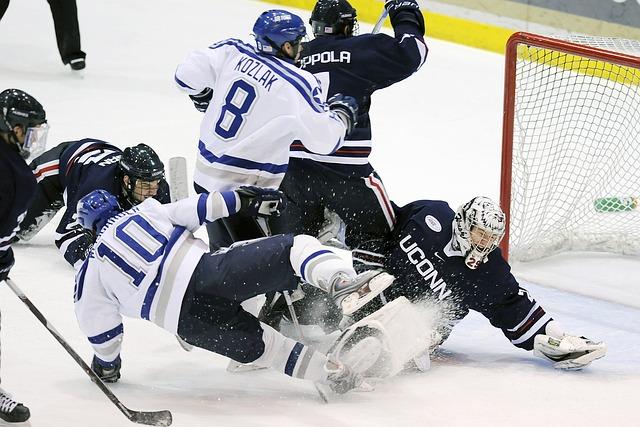
Contents
- 1 Key Responsibilities of a Goalie in Soccer
- 2 Understanding the Responsibilities of a Soccer Goalie
- 3 Mastering Goalkeeping Techniques for Success
- 4 Understanding Positioning and Angle Play
- 5 Developing Quick Reflexes and Decision Making Skills
- 6 Perfecting Handling and Distribution Techniques
- 7 Enhancing Communication with Defenders and Organizing the Defense
- 8 Learning Proper Footwork and Diving Techniques
- 9 Utilizing Set Pieces and Penalty Kick Strategies
- 10 Building Mental Toughness and Confidence as a Goalkeeper
- 11 To Conclude
Key Responsibilities of a Goalie in Soccer
Understanding the Responsibilities of a Soccer Goalie
As a soccer goalie, you are the last line of defense for your team. Your main responsibility is to prevent the opposing team from scoring goals. This position requires a unique set of skills and techniques to be successful on the field.
Some include:
- Shot-stopping: Your primary job is to stop shots on goal, whether they are taken from close range or long distance.
- Distribution: After making a save, you must be able to distribute the ball effectively to your teammates to start a counterattack.
- Communication: Goalies need to be vocal on the field, directing their defenders and organizing the team’s defense.
| Key Responsibilities | Description |
|---|---|
| Shot-stopping | Prevent the opposing team from scoring goals by stopping shots on goal. |
| Distribution | Distribute the ball effectively to teammates after making a save. |
By mastering these key responsibilities and improving your goalkeeping techniques, you can become a formidable force in the goalie position and help lead your team to victory on the soccer field.
Mastering Goalkeeping Techniques for Success
When it comes to playing the position of goalkeeper in soccer, mastering key techniques is essential for success on the field. As the last line of defense, goalkeepers play a crucial role in keeping the opposition from scoring. By focusing on improving your goalkeeping skills, you can become a formidable force in the net.
One of the most important techniques for goalkeepers is proper positioning. Being in the right place at the right time can make all the difference in stopping a shot. Always stay on your toes and be ready to react quickly to any oncoming attacks. Remember to position yourself in the center of the goal to cover the most ground and be ready to dive to either side when necessary.
Another key aspect of goalkeeping is mastering your diving technique. Whether it’s a low shot to the corner or a high ball destined for the top of the net, being able to execute a proper dive can mean the difference between a save and a goal. Practice different types of dives, including the forward dive, collapse dive, and side dive, to be prepared for any situation.
Additionally, mastering the art of communication is essential for goalkeepers. Clear and effective communication with your defenders can help organize your team’s defense and prevent scoring opportunities for the opposition. Use verbal cues, hand signals, and constant communication to keep your teammates informed and ensure everyone is on the same page.

Understanding Positioning and Angle Play
Playing the goalie position in soccer requires a deep understanding of positioning and angle play. To excel in this role, goalkeepers must master a variety of techniques that allow them to anticipate and react to shots on goal effectively.
One key aspect of goalkeeping is positioning. Goalkeepers must constantly assess the position of the ball, the opposing players, and their own teammates to determine the best placement in the goal. By positioning themselves correctly, goalkeepers can cut down angles and make it more difficult for opposing players to score.
Angle play is another crucial element of goalkeeping. Goalkeepers must use their bodies and positioning to reduce the amount of goal that opposition players have to aim at. By narrowing the angle, goalkeepers increase their chances of making a save and keeping the ball out of the net.
Overall, mastering positioning and angle play is essential for any goalkeeper looking to succeed on the field. By honing these skills, goalkeepers can become a formidable force in front of the net and play a vital role in their team’s success.
Developing Quick Reflexes and Decision Making Skills
Playing as a goalkeeper in soccer requires a unique set of skills and abilities. To excel in this position, you must develop quick reflexes and decision-making skills that can make all the difference in a game. Here are some goalkeeping techniques to help you become a better goalie on the field:
1. Positioning: A key aspect of goalkeeping is being in the right position at the right time. Always be aware of your positioning on the field and adjust accordingly to make it harder for the opposition to score.
2. Footwork: Good footwork is essential for goalkeepers to quickly move around the goal and make saves. Practice agility drills to improve your footwork and reaction time.
3. Communication: As the last line of defense, goalkeepers need to communicate effectively with their teammates. Use clear and concise communication to organize your defense and anticipate potential threats.
4. Handling: Whether it’s catching crosses, saving shots, or dealing with back passes, mastering the art of handling the ball is crucial for goalkeepers. Work on your handling skills to build confidence in your ability to make crucial saves.
By incorporating these goalkeeping techniques into your training regimen, you can enhance your reflexes and decision-making skills on the field. Remember, goalkeeping is a challenging position that requires dedication and practice to excel. Stay focused, stay sharp, and always be ready to make that game-winning save.
Perfecting Handling and Distribution Techniques
When playing the goalie position in soccer, mastering goalkeeping techniques is crucial for success on the field. can make a huge difference in your performance as a goalkeeper. Here are some key techniques to help you become a better goalie:
- Catching: Focus on catching the ball with your hands, rather than trying to block it with your body. Make sure to position yourself correctly and keep your eye on the ball at all times.
- Parrying: If you cannot catch the ball, parrying it away from the goal is the next best option. Use your hands to redirect the ball safely away from danger.
- Distribution: Being able to distribute the ball accurately and quickly is essential for initiating attacks from the back. Work on your goal kicks, throws, and punts to improve your distribution skills.
| Handling Techniques | Benefits |
|---|---|
| Proper positioning | Increases chances of making successful saves |
| Quick reflexes | Helps in reacting to fast-paced shots |
| Strong hands | Improves ability to hold onto the ball |
By focusing on perfecting your handling and distribution techniques, you can become a more reliable and effective goalie for your team. Practice these skills regularly to refine your goalkeeping abilities and make a significant impact on the game.

Enhancing Communication with Defenders and Organizing the Defense
When playing the goalie position in soccer, effective communication with defenders is crucial for organizing the defense and preventing opposing teams from scoring. As the last line of defense, goalkeepers are responsible for directing their teammates, providing instructions, and ensuring that everyone is in the right position to stop the opposition’s attacks.
One key technique for enhancing communication with defenders is to use clear and concise verbal cues. Whether it’s shouting “man on” to alert a defender of an approaching attacker or calling out instructions for a set piece, goalkeepers need to be vocal and assertive on the field. Additionally, using hand signals and gestures can help convey messages quickly and effectively, especially in noisy or chaotic situations.
Another important aspect of organizing the defense is positioning. Goalkeepers should constantly assess the play, anticipate potential threats, and adjust their positioning accordingly. By staying alert and proactive, goalkeepers can better control the flow of the game and support their defenders in maintaining a tight line of defense.
Ultimately, effective communication and organization are key components of successful goalkeeping. By mastering these techniques and working closely with defenders, goalkeepers can play a pivotal role in keeping the opposing team at bay and securing victories for their own team.
Learning Proper Footwork and Diving Techniques
Proper footwork and diving techniques are essential for any soccer goalie looking to elevate their game. Mastering these skills can make the difference between a save and a goal scored against you. Here are some key tips to help you improve your goalkeeping techniques:
- Footwork: Focus on staying on your toes and being light on your feet. This will help you react quickly to shots and make diving saves more effectively. Practice shuffling side to side and moving forward and backward quickly to cover the goal.
- Diving: When diving to make a save, remember to use proper technique. Push off with your back foot, extend your arms fully towards the ball, and tuck your head in to protect yourself. Practice diving to both sides and getting back up quickly for follow-up saves.
| Key Tips for Goalkeeping Techniques |
|---|
| Stay on your toes |
| Practice shuffling and quick movements |
| Extend arms fully when diving |
| Protect yourself by tucking your head in |
Utilizing Set Pieces and Penalty Kick Strategies
Set pieces and penalty kicks are crucial moments in a soccer match where goalkeepers play a significant role in determining the outcome of the game. As a goalie, mastering different techniques and strategies can make a huge difference in defending your goal effectively. Here are some goalkeeping techniques to help you excel in these situations:
**Set Piece Strategies:**
– Positioning is key: Anticipate where the ball will be delivered and position yourself accordingly to have the best chance of making a save.
– Communication is essential: Coordinate with your defenders to ensure everyone is marking their assigned opponents and blocking potential shots.
– Stay focused: Keep your eyes on the ball at all times and be ready to react quickly to any sudden changes in direction.
**Penalty Kick Strategies:**
– Study your opponent: Research their preferred side to shoot and any tell-tale signs they may have before taking the shot.
– Stay calm: Focus on your technique and stay composed to increase your chances of making a save.
– Use mind games: Try to intimidate the shooter by confidently standing your ground and making yourself look bigger in the goal.
Successfully can give you the edge as a goalkeeper and help your team secure important wins. Practice these techniques regularly to improve your skills and become a reliable last line of defense for your team.
Building Mental Toughness and Confidence as a Goalkeeper
As a goalkeeper, mental toughness and confidence are essential qualities to excel in the position. In order to become a successful goalkeeper, it is important to focus on developing these qualities in addition to mastering the technical aspects of goalkeeping. Here are some key strategies to help you build your mental toughness and confidence as a goalkeeper:
- Visualization: Visualize yourself making crucial saves and commanding your area with confidence. This will help you mentally prepare for game situations and boost your self-belief.
- Positive Self-Talk: Replace negative thoughts with positive affirmations. Encourage yourself and remind yourself of your strengths as a goalkeeper.
- Stay Calm Under Pressure: Practice mindfulness techniques to stay composed and focused during high-pressure situations. Learn to control your emotions and stay in the present moment.
By incorporating these strategies into your training routine, you can enhance your mental toughness and confidence as a goalkeeper, ultimately improving your performance on the field.
To Conclude
Now that you have learned about the essential techniques and strategies for playing goalkeeper in soccer, it’s time to hit the field and put your skills to the test. Remember, practice makes perfect, so keep honing your reflexes, positioning, and communication with your teammates to become a formidable goalkeeper. With dedication and hard work, you’ll be guarding the goal like a pro in no time. Good luck and have fun out there!
Get our latest guides, news, and insights highlighted in your Google Search & AI Overviews.


