

Effective Warm-Ups: Good Soccer Warm Up Drills
Are you looking to optimize your performance on the soccer field? A crucial step in your pre-game routine is an effective warm-up. In this article, we will explore the top soccer warm-up drills to help you maximize your potential on the field. Whether you’re a seasoned player or just starting out, incorporating these drills into your routine can make a significant impact on your game. Let’s dive in and discover the key to a successful warm-up routine!
Contents
- 1 The Importance of Proper Warm-Ups Before Soccer Training
- 2 Dynamic Stretching: Key Component of an Effective Warm-Up Routine
- 3 Incorporating Coordination Drills for Soccer Warm-Ups
- 4 Agility Exercises to Enhance Performance and Reduce Injury Risk
- 5 The Role of Activation Drills in Preparing Muscles for Intense Play
- 6 Specific Recommendations for an Effective Soccer Warm-Up
- 7 Utilizing Small-Sided Games for Team Warm-Ups
- 8 Integrating Ball Work into Warm-Up Drills for Soccer Players
- 9 The Mental Aspect of Warm-Ups: Preparing Players for Peak Performance
- 10 To Conclude
The Importance of Proper Warm-Ups Before Soccer Training
Proper warm-ups are crucial before any soccer training session to help prevent injuries and prepare your body for the physical demands of the sport. Effective warm-ups not only increase blood flow and flexibility but also mentally prepare players for the upcoming session. Here are some good soccer warm-up drills:
- Dynamic Stretching: Incorporate dynamic stretching exercises such as leg swings, high knees, and side lunges to loosen up muscles and improve flexibility.
- Agility Drills: Include ladder drills, cone drills, and shuttle runs to improve footwork, coordination, and quick movements on the field.
- Passing and Receiving: Practice short passes and one-touch drills with your teammates to improve communication, ball control, and decision-making skills.
- Light Cardio: Jogging or brisk walking for 5-10 minutes can help increase heart rate, warm up muscles, and mentally prepare players for the training session.
| Warm-Up Drill | Benefits |
|---|---|
| Dynamic Stretching | Improves flexibility and reduces the risk of injury. |
| Agility Drills | Enhances footwork, coordination, and quick movements on the field. |
| Passing and Receiving | Improves communication, ball control, and decision-making skills. |
By incorporating these warm-up drills into your soccer training routine, you can help optimize performance, reduce the risk of injuries, and ensure that you are physically and mentally prepared for the challenges ahead.
Dynamic Stretching: Key Component of an Effective Warm-Up Routine
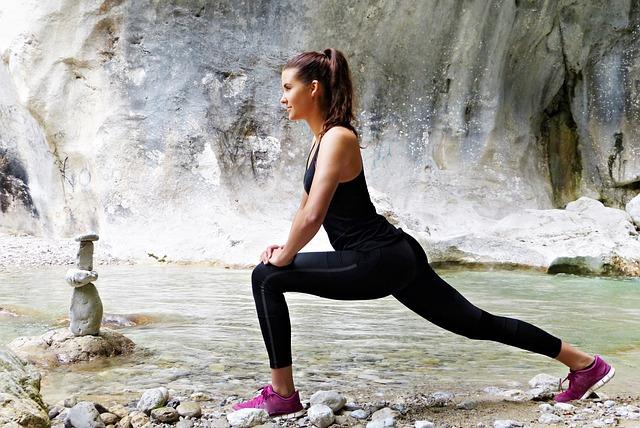
Dynamic stretching is a crucial element of any effective warm-up routine, especially for soccer players. This type of stretching involves moving parts of your body and gradually increasing your range of motion. It helps prepare your muscles for the more intense movements they will be performing during the game.
Some key benefits of dynamic stretching include:
- Improved flexibility and range of motion
- Increased blood flow to the muscles
- Enhanced muscle coordination
- Reduced risk of injury
When incorporating dynamic stretching into your warm-up routine, make sure to focus on all major muscle groups used in soccer, including the legs, hips, and core. Some effective drills to include are:
| Drill | Description |
|---|---|
| Leg Swings | Stand sideways next to a wall and swing one leg back and forth, keeping it straight. Switch sides after 10 swings. |
| High Knees | March in place, lifting your knees as high as possible with each step. |
| Lunges with a Twist | Step forward into a lunge, then twist your torso towards the front leg. Repeat on the other side. |
By incorporating dynamic stretching into your warm-up routine, you can help ensure that your body is properly prepared for the physical demands of a soccer game. Remember to focus on proper form and gradually increase the intensity of your stretches to avoid injury.

Incorporating Coordination Drills for Soccer Warm-Ups
One important aspect of a successful soccer warm-up routine is incorporating coordination drills. These drills help players improve their agility, balance, and overall coordination, which are essential skills for performing well on the field. By including these drills in your warm-up, you can help your players prepare both physically and mentally for the game ahead.
A few effective coordination drills to include in your soccer warm-up routine are:
– Ladder Drills: Setting up a speed ladder on the field and having players perform quick footwork exercises can help improve their coordination and foot speed.
– Cone Drills: Placing cones in various patterns and having players dribble around them can help improve their agility and coordination while on the ball.
– Reaction Drills: Incorporating drills that require quick reactions, such as having players quickly change direction or react to verbal cues, can help improve their coordination under pressure.
By incorporating these coordination drills into your soccer warm-up routine, you can help your players improve their overall performance on the field. Remember to keep the drills varied and challenging to keep your players engaged and motivated.
Agility Exercises to Enhance Performance and Reduce Injury Risk
One crucial aspect of a good soccer warm-up routine is incorporating agility exercises to enhance performance and reduce the risk of injury. These drills help players improve their quickness, coordination, and overall movement on the field. By including agility exercises in your warm-up, you can prepare your body for the demands of the game and improve your overall performance.
Some effective agility exercises to consider including in your warm-up routine are:
- Shuttle runs: Set up cones in a zigzag pattern and sprint back and forth.
- Ladder drills: Perform quick feet movements through a ladder on the ground.
- Cone drills: Dribble around cones in different patterns to work on your agility and ball control.
- Agility ladder drills: Step in and out of the ladder’s squares as fast as possible.
Incorporating these drills into your warm-up routine can help you improve your speed, agility, and overall performance on the field. By consistently practicing these exercises, you can reduce the risk of injury and enhance your soccer skills. Don’t underestimate the importance of a good warm-up, as it can make a significant difference in your game.
The Role of Activation Drills in Preparing Muscles for Intense Play
Activation drills are an essential component of any effective warm-up routine for soccer players. These drills help to mentally prepare players for the upcoming game while also physically priming their muscles for the demands of intense play. By incorporating activation drills into your warm-up, you can help prevent injuries, improve performance, and enhance overall readiness on the field.
One key benefit of activation drills is that they help increase blood flow to the muscles, which can improve muscle function and reduce the risk of strains or tears during play. By engaging in dynamic movements that target specific muscle groups, players can activate the muscle fibers and joints needed for the actions they will be performing during the game.
Additionally, activation drills can help improve coordination, balance, and proprioception, all of which are crucial for performing at a high level on the soccer field. By including drills that focus on these aspects of physical fitness, players can enhance their agility, reaction time, and overall movement efficiency during gameplay.
Overall, activation drills play a vital role in preparing soccer players for intense play by priming their muscles, enhancing their physical capabilities, and reducing the risk of injury. By incorporating these drills into your warm-up routine, you can help ensure that you are ready to perform at your best when you step onto the field.

Specific Recommendations for an Effective Soccer Warm-Up
When it comes to preparing for a soccer match, a good warm-up is essential to get your body ready for the physical demands of the game. Here are some :
- Dynamic Stretching: Incorporate dynamic stretches such as leg swings, high knees, and butt kicks to improve flexibility and range of motion.
- Agility Drills: Include ladder drills, cone drills, and shuttle runs to work on your speed, coordination, and footwork.
- Ball Work: Spend some time dribbling, passing, and shooting the ball to improve your touch and technique.
- Small-Sided Games: Finish off your warm-up with a small-sided scrimmage to simulate game situations and get your mind and body ready for competition.
By incorporating these drills and exercises into your warm-up routine, you can help prevent injuries, improve your performance, and get yourself mentally prepared for the game ahead.

Utilizing Small-Sided Games for Team Warm-Ups
Small-sided games are a fantastic way to get your team warmed up and ready to play. Not only do they help increase players’ heart rates and get their muscles warm, but they also allow for better ball touches and decision-making skills to be practiced in a more realistic game-like setting.
One effective small-sided game drill to incorporate into your warm-up routine is a 3v3 keep away game. This drill not only gets players moving and passing quickly, but it also helps improve communication and teamwork on the field. Another great option is a rondo drill, where players work on keeping possession in a tight space while also focusing on quick decision-making and movement off the ball.
By , you are not only preparing your players physically, but you are also mentally preparing them for the challenges they will face during the upcoming match. These drills can help set the tone for a successful game and ensure that your team is ready to perform at their best.

Integrating Ball Work into Warm-Up Drills for Soccer Players
Incorporating ball work into warm-up drills can greatly benefit soccer players by enhancing their technical skills, improving coordination, and getting them mentally prepared for the game. By integrating ball work, players can warm up in a more dynamic and engaging way compared to traditional static warm-up routines.
One effective drill to include in the warm-up is passing and receiving the ball in a small grid, focusing on quick and accurate touches. This drill helps players improve their ball control, vision, and decision-making under pressure. Additionally, incorporating dribbling exercises with cones can help players work on their agility, speed, and close ball control.
Another useful warm-up drill is practicing shooting on goal from different angles and distances. This not only helps players improve their shooting accuracy and power but also boosts their confidence before the game. Additionally, incorporating small-sided games into the warm-up can help players improve their teamwork, communication, and tactical awareness.
Overall, is essential for maximizing their potential on the field. By focusing on technical skills, coordination, and game-like situations during warm-ups, players can enter the game feeling confident, prepared, and ready to perform at their best.
The Mental Aspect of Warm-Ups: Preparing Players for Peak Performance
When it comes to soccer warm-ups, the mental aspect is just as important as the physical aspect. Preparing players for peak performance means getting their minds in the right place before they hit the field. Effective warm-ups not only get the body physically ready but also help players mentally focus and prepare for the game ahead.
One way to mentally prepare players during warm-ups is to encourage them to visualize success. By picturing themselves making successful plays, scoring goals, and working together as a team, players can boost their confidence and set a positive tone for the game. This mental imagery can help players stay focused and motivated throughout the match.
Another key component of effective warm-ups is setting goals for the session. By establishing clear objectives for the warm-up drills, players can stay engaged and focused on improving specific skills. Setting achievable goals helps players track their progress and feel a sense of accomplishment, boosting their confidence and readiness for the game.
Furthermore, incorporating team-building activities into warm-ups can help strengthen the bond between players and foster a sense of unity. By working together to complete drills and challenges, players can develop trust, communication, and camaraderie, which can positively impact their performance on the field. Effective warm-ups not only prepare players physically but also mentally, setting the stage for peak performance during the game.
To Conclude
In conclusion, incorporating effective warm-up drills into your soccer routine is key to enhancing performance and preventing injuries on the field. By implementing dynamic stretches, agility drills, and ball work exercises, you can effectively prepare your body for the physical demands of the game. Remember, a proper warm-up sets the foundation for a successful and enjoyable soccer experience. So next time you hit the field, make sure to prioritize your warm-up to optimize your performance. Play smart, play safe, and play your best game!
Get our latest guides, news, and insights highlighted in your Google Search & AI Overviews.


