Cleats Choice: Can You Play Soccer with Baseball Cleats?
Are you torn between lacing up your favorite baseball cleats or investing in a pair specifically designed for soccer? With the dazzling array of cleats available on the market, it can be a challenging decision to make. But fear not, as we dive into the fascinating world of cleats choice, we will explore whether it’s possible to interchangeably use baseball cleats for soccer. By shedding light on the similarities and differences between these two types of footwear, we aim to provide you with the knowledge and confidence to choose the perfect cleats for your preferred sport. So, lace up your boots, and let’s hit the field together!
Contents
- 1 Cleats Choice: Can You Play Soccer with Baseball Cleats?
- 2 Material Differences: Understanding the Structure and Function of Baseball Cleats vs. Soccer Cleats
- 3 Traction Matters: Exploring the Impact of Cleat Design on Soccer Performance
- 4 Playing Safe: The Risks and Considerations of Wearing Baseball Cleats on the Soccer Field
- 5 Mastering the Game: Recommended Soccer Cleats for Optimal Performance
- 6 Finding the Perfect Fit: How to Choose the Right Soccer Cleats for Your Playing Style
- 7 Making the Switch: Transitioning from Baseball to Soccer Cleats
- 8 Pro Tips: Expert Advice on Using Baseball Cleats for Soccer
- 9 Maintaining Performance and Durability: Caring for Your Soccer Cleats Properly
- 10 To Conclude
Cleats Choice: Can You Play Soccer with Baseball Cleats?
Cleats are an essential piece of equipment for any soccer player, as they provide traction and help prevent slipping on the field. When it comes to choosing the right cleats, many players wonder if they can use baseball cleats for soccer. While baseball and soccer cleats may appear similar, there are some key differences that make them unsuitable for cross-sport use.
One of the main differences between baseball and soccer cleats is the design of the studs. Baseball cleats typically have larger, metal studs that are more focused on providing stability and traction on dirt or grass surfaces. Soccer cleats, on the other hand, have smaller, molded studs that are designed to grip both natural grass and artificial turf. These smaller studs allow players to quickly change direction and make quick movements on the soccer field. Using baseball cleats on a soccer field may result in less traction, making it difficult to move with agility and potentially increasing the risk of injury.
Another key difference between baseball and soccer cleats is the construction of the shoe itself. Soccer cleats are designed to be lightweight and flexible, allowing players to have maximum control over the ball and take quick, explosive actions on the field. Baseball cleats, on the other hand, are typically stiffer and heavier to provide stability and support for lateral movements. Wearing baseball cleats for soccer could restrict foot movement and make it challenging to perform soccer-specific skills such as dribbling, passing, and shooting.
In conclusion, while baseball cleats may seem similar to soccer cleats, they are not suitable for playing soccer. The differences in stud design and shoe construction could hinder performance and increase the risk of injury. It’s best to invest in a pair of soccer cleats specifically designed for the sport to optimize your performance and ensure your safety on the field.
Material Differences: Understanding the Structure and Function of Baseball Cleats vs. Soccer Cleats
When it comes to choosing the right cleats for your sport, it’s important to understand that baseball cleats and soccer cleats are designed with specific structural and functional differences in mind. While there might be some similarities between the two, it’s generally not recommended to use baseball cleats for soccer, and vice versa.
One of the key differences lies in the studs or spikes on the bottom of the cleats. Baseball cleats often have metal spikes or blades that provide traction on the grass and dirt surfaces of the diamond. On the other hand, soccer cleats typically have molded or detachable plastic studs that are shorter and more numerous. These studs are designed to offer better grip and stability on the soft, natural grass or artificial turf found on soccer fields.
Furthermore, the construction of the two cleat styles is also different. Baseball cleats are usually made with a firmer, stiffer soleplate that helps with weight distribution and support during quick lateral movements on the diamond. Soccer cleats, on the other hand, are typically more flexible to allow for better foot articulation during running, kicking, and quick changes in direction.
The differences in cleat design and functionality are aimed at enhancing performance and reducing the risk of injury specific to each sport. While it might be tempting to use baseball cleats for soccer or vice versa, it’s important to prioritize safety and give yourself the best chance of success by wearing cleats specifically designed for your chosen sport. So, when it comes to selecting the optimal footwear for your soccer game, it’s best to stick with soccer cleats.
Traction Matters: Exploring the Impact of Cleat Design on Soccer Performance
There is no denying that traction is crucial when it comes to soccer performance. The design of cleats plays a significant role in providing the necessary grip and stability on the field. But what if you find yourself in a situation where you only have baseball cleats available? Can you use them for playing soccer? Let’s explore this topic and see if baseball cleats can be a suitable alternative.
First and foremost, it’s important to understand the key differences between soccer and baseball cleats. Soccer cleats are specifically designed to optimize traction on grassy surfaces, with studs strategically placed to provide stability while running and making quick turns. On the other hand, baseball cleats are designed for a different purpose, focusing more on lateral movement, quick bursts of speed, and grip on dirt or turf surfaces.
While baseball cleats may offer some level of traction on the soccer field, they are not optimized for the demands of the game. The difference in stud design and placement may affect your ability to perform certain soccer-specific movements, such as pivots and sharp turns. The lack of flexibility in baseball cleats compared to soccer cleats can also hinder your agility and overall performance.
Another important consideration is safety. Soccer cleats are designed with player safety in mind, incorporating features such as ankle support and enhanced impact protection. Baseball cleats, on the other hand, may not offer the same level of protection, increasing the risk of injuries during tackles and collisions.
In conclusion, while it may be possible to play soccer with baseball cleats in a pinch, it is not the ideal choice. The specialized design of soccer cleats ensures optimal performance, traction, and safety on the field. If you are serious about soccer and want to maximize your performance, investing in a proper pair of soccer cleats is highly recommended.
Playing Safe: The Risks and Considerations of Wearing Baseball Cleats on the Soccer Field
Baseball cleats are designed specifically for the sport of baseball, with features that cater to the demands of the game. However, some soccer players may wonder if they can use baseball cleats on the soccer field. While it may be tempting to utilize the cleats you already have, there are several important risks and considerations to keep in mind.
– Traction: Baseball cleats are optimized for gripping grass and dirt surfaces found on a baseball diamond. The cleats are typically longer and more widely spaced compared to soccer cleats, which provide better stability for quick lateral movements. Using baseball cleats on a soccer field could result in reduced traction and potential slips or falls while playing.
– Safety: Soccer involves quick movements, rapid changes in direction, and physical contact. Soccer cleats are designed with these factors in mind and offer ankle support and cushioning to minimize the risk of injuries. Baseball cleats, on the other hand, may not provide the necessary protection and support needed for the demands of soccer gameplay.
– Maneuverability: Soccer cleats are designed to allow players to make quick, precise movements while maintaining control of the ball. They offer more flexibility and a lower profile compared to baseball cleats. Using baseball cleats could hinder your ability to maneuver effectively and impact your overall performance on the soccer field.
In conclusion, while it may be possible to play soccer with baseball cleats, it is not recommended. The risks of reduced traction, inadequate safety features, and compromised maneuverability outweigh the convenience of using the cleats you already own. To optimize your performance and minimize the risk of injuries, it is best to invest in a pair of soccer-specific cleats that are designed to meet the specific demands of the sport.
Mastering the Game: Recommended Soccer Cleats for Optimal Performance
When it comes to playing soccer, having the right equipment can make all the difference in your performance on the field. While soccer cleats are specifically designed to provide optimal traction and support, you may be wondering if it’s possible to play soccer with baseball cleats.
While baseball cleats may seem similar to soccer cleats at first glance, there are some key differences that make them less than ideal for soccer. One of the main differences is the type of studs or spikes on the bottom of the cleats. Soccer cleats typically have shorter and more numerous studs that provide excellent grip and control on both grass and turf surfaces. Baseball cleats, on the other hand, often have longer and fewer studs that are designed for the dirt and grass found on baseball fields.
Using baseball cleats for soccer can result in a lack of traction and stability on the field, which could lead to slips, falls, and even injuries. Additionally, the studs on baseball cleats may be more pronounced and could potentially cause more damage to the playing surface when playing soccer.
If you’re a dedicated soccer player looking to optimize your game, it’s recommended to invest in a pair of soccer cleats specifically designed for the beautiful game. Soccer cleats are tailored to enhance your performance, with features such as lightweight materials, superior traction, and specialized stud patterns for quick turns and dynamic movements. They also provide the necessary support and comfort for long and intense matches, helping to prevent foot fatigue and potential injuries.
In conclusion, while baseball cleats may seem tempting to use for soccer due to their similarities, it’s best to stick with soccer cleats for optimal performance and safety. Soccer cleats are designed to meet the unique demands of the game, allowing you to focus on honing your skills and mastering the field. So, lace up those soccer cleats and get ready to dominate the game with confidence and agility.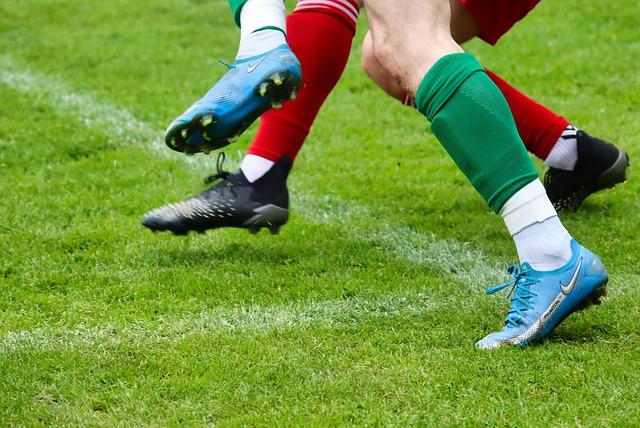
Finding the Perfect Fit: How to Choose the Right Soccer Cleats for Your Playing Style
Choosing the right soccer cleats is essential for maximizing your performance on the field. While baseball cleats may seem similar, they are not ideal for playing soccer. Here’s why:
1. Traction: Soccer cleats are designed with studs or blades that offer better traction on the field. Baseball cleats, on the other hand, have metal spikes that are longer and may be more dangerous for other players. The different studs on soccer cleats are strategically placed to provide stability and grip, allowing you to make quick cuts, turns, and accelerations with confidence.
2. Flexibility: Soccer cleats have a more flexible sole that allows for a better range of motion and swift changes in direction. Baseball cleats, on the other hand, have a stiffer sole that is designed for running in a straight line. This lack of flexibility can hinder your agility and overall performance on the soccer field.
3. Comfort: Soccer cleats are designed with the comfort of soccer players in mind. They have cushioning and padding in the right areas to provide support and reduce the risk of injuries. Baseball cleats, while comfortable for baseball players, may not offer the same level of comfort and support needed for soccer.
4. Game-specific features: Soccer cleats are designed with features that cater to the demands of the game. For example, some cleats have a sock-like construction that provides a secure fit and enhances ball control. Others have textured uppers for improved grip on the ball. These features are absent in baseball cleats, making them less suitable for playing soccer.
In conclusion, while baseball cleats may be tempting to use for soccer, it’s best to invest in a pair of soccer cleats that are specifically designed for the sport. They offer the necessary traction, flexibility, comfort, and game-specific features to help you perform at your best on the soccer field. Don’t compromise on your performance – choose the right cleats for the game.
Making the Switch: Transitioning from Baseball to Soccer Cleats
If you’re an athlete looking to switch from baseball to soccer, one important consideration is your choice of footwear. While baseball and soccer cleats may look similar, they are designed to meet the specific demands of each sport. So, can you play soccer with baseball cleats? Let’s delve into the key differences between the two and help you make an informed decision.
1. Stud Patterns: One of the most significant distinctions between soccer and baseball cleats lies in their stud patterns. Soccer cleats feature smaller, evenly distributed studs that provide optimal traction on grassy surfaces. On the other hand, baseball cleats are designed with longer, metal studs that help players maintain stability on dirt or grass fields specific to baseball.
2. Flexibility: Soccer cleats are typically more flexible compared to baseball cleats. The flexibility of soccer cleats allows for quick changes in direction, pivoting, and swift movements required in the sport. Baseball cleats, on the other hand, prioritize stability and support during explosive bursts and running.
3. Comfort and Fit: Soccer cleats generally have a tighter fit to enhance control and touch on the ball. They are designed to provide a second-skin feel for precision in passing and shooting. Baseball cleats, on the other hand, often emphasize additional padding and cushioning, as they are designed to offer comfort during prolonged periods of standing and running in a different manner.
Considering these differences, it is not recommended to play soccer with baseball cleats. The unique features of soccer cleats ensure optimal performance and reduce the risk of injuries associated with playing with the wrong footwear. Investing in a pair of soccer cleats will allow you to fully enjoy the sport and achieve your maximum potential on the field.
So, if you’re ready to make the switch from baseball to soccer, make sure to choose the right cleats. Look for soccer-specific cleats that offer the necessary features to excel in the sport. Trying to play soccer with baseball cleats may jeopardize your performance and safety.
Pro Tips: Expert Advice on Using Baseball Cleats for Soccer
If you’ve ever found yourself in a pinch without your soccer cleats but with a pair of baseball cleats on hand, you may have wondered whether they can serve as a suitable alternative. The answer is not black and white, but with a few considerations, you might be able to get away with using baseball cleats for soccer.
1. Traction: One of the most crucial factors when it comes to cleat choice is traction. Soccer cleats are designed with specialized studs that provide optimal grip on the field. Baseball cleats, on the other hand, are engineered for the demands of a different sport. While they typically have durable studs meant for running on dirt or grass, they may not offer the same level of traction as soccer-specific cleats. This could make sudden movements, quick cuts, and changes in direction more challenging.
2. Comfort and Support: Soccer involves a lot of running, jumping, and kicking, so having comfortable and supportive footwear is essential. Baseball cleats usually have a different design than soccer cleats, often featuring a higher top to provide ankle support. While this extra support may be beneficial for a baseball player, it might be restrictive for a soccer player’s movements. Additionally, soccer cleats are often lighter and more flexible, allowing for better agility on the field.
3. Durability: Baseball cleats are built to withstand the wear and tear of sliding into bases and running on dirt. While they are durable, they may not be designed to handle the demands of soccer, such as the constant running and kicking. Using baseball cleats for soccer could result in quicker wear and tear, reducing their lifespan.
Ultimately, if you find yourself without your soccer cleats and have no other options, using baseball cleats as a temporary solution might suffice in a pinch. However, for the best performance, comfort, and injury prevention, it is highly recommended to invest in a proper pair of soccer cleats.
Maintaining Performance and Durability: Caring for Your Soccer Cleats Properly
When it comes to playing soccer, having the right equipment is crucial for optimal performance on the field. One important piece of equipment that often gets overlooked is the choice of cleats. While there are many different types of cleats available, it’s important to understand that not all cleats are designed for every sport. In this article, we’ll be specifically discussing whether you can play soccer with baseball cleats.
The Short Answer: No
Baseball cleats are designed for a completely different sport with different demands and playing surfaces than soccer cleats. Here are a few reasons why using baseball cleats for soccer is not recommended:
- Traction: Soccer cleats are designed to provide optimal traction on grass and turf surfaces, while baseball cleats are designed for dirt and grass. The stud configuration on soccer cleats is specifically engineered to provide superior grip and stability on the field, allowing for quick directional changes and explosive movements.
- Comfort and Fit: Soccer cleats are designed with a snug fit to provide better ball control and support during lateral movements. Baseball cleats, on the other hand, are designed with a wider toe box to accommodate the shape of a baseball player’s foot and often have a less secure fit for soccer players.
- Protection: Soccer cleats are designed to protect your feet from impact and provide stability during tackles and slides. Baseball cleats, although they offer protection, are not designed to withstand the same level of impact and may not provide the same level of support and stability.
While it may be tempting to use baseball cleats if you already have them, it’s important to prioritize your safety and performance on the soccer field. Investing in a good pair of soccer cleats that are specifically designed for the sport will ensure that you have the right tools to perform at your best and reduce the risk of injuries.
To Conclude
In conclusion, when it comes to the debate of using baseball cleats for soccer, it’s crucial to understand the differences between the two sports and the purpose of each type of cleat. While baseball cleats might seem appealing with their aggressive traction, they are specifically designed for a different set of demands. Soccer cleats, on the other hand, are expertly crafted to enhance your performance on the field, providing the necessary stability, comfort, and traction needed to excel in the beautiful game. So, if you want to maximize your potential and avoid potential injuries, it’s better to stick with soccer-specific cleats. Remember, making the right cleat choice can greatly impact your overall gameplay, so choose wisely and kick your soccer goals confidently!