Can You Play Football in Soccer Cleats? Exploring Footwear Options!
Are you an athlete torn between the worlds of football and soccer? We’ve all been there. But what if we told you there’s a way to bridge that gap and make the most of your talent without breaking the bank on multiple pairs of shoes? Yes, you heard it right – we’re diving into the realm of football meets soccer cleats! In this article, we’ll explore the intriguing world of footwear options and answer that burning question: Can you play football in soccer cleats? So lace up those boots and get ready for a journey that will revolutionize the way you think about athletic footwear!
Contents
- 1 Can You Play Football in Soccer Cleats?
- 2 Understanding the Differences Between Soccer and Football Cleats
- 3 Exploring the Advantages and Disadvantages of Using Soccer Cleats for Football
- 4 Key Factors to Consider Before Wearing Soccer Cleats for Football
- 5 Evaluating the Performance of Football Players in Soccer Cleats
- 6 Expert Recommendations for Choosing the Right Footwear for Football
- 7 Enhancing Comfort and Stability: Tips for Modifying Soccer Cleats for Football
- 8 Achieving Optimal Performance in Football: Alternatives to Soccer Cleats
- 9 Exploring Specialized Football Cleats: A Game-Changer for Players
- 10 Considering Safety: The Importance of Appropriate Footwear for Football
- 11 Evaluating Footwear Choices for Football: What Works Best for You
- 12 Insights and Conclusions
Can You Play Football in Soccer Cleats?
Football and soccer are two popular sports that share many similarities, including the use of cleats. However, there are some differences between the two sports when it comes to footwear options. Soccer cleats are specifically designed for playing soccer, while football cleats are designed for playing football. But Let’s explore the footwear options!
Firstly, it’s important to note that soccer cleats and football cleats have different features and designs to cater to the specific demands of each sport. Soccer cleats typically have a lower-cut design, lighter weight, and a more flexible soleplate to enhance agility and ball control. On the other hand, football cleats are higher-cut for better ankle support, have a sturdier soleplate to handle the impact of tackles, and often come with additional features like toe protection.
While it’s technically possible to wear soccer cleats for a game of football, it may not be the most ideal option. Soccer cleats may lack the necessary support and protection for the rigors of football, where players often engage in physical contact and make sudden, explosive movements. Football cleats, on the other hand, provide the right balance of stability, support, and traction for the demands of the sport.
If you find yourself in a situation where you only have soccer cleats available for a game of football, there are a few things to consider. Firstly, ensure that the playing surface is suitable for soccer cleats, as some football fields may have longer grass or different turf conditions that may not be ideal for soccer cleats. Secondly, be aware that you may not have the same level of protection and support as you would with football cleats, so take extra precautions and be mindful of your movements on the field.
In conclusion, while it’s possible to play football in soccer cleats, it’s not the optimal choice. Soccer cleats are designed for the specific demands of soccer, and football cleats are designed for the specific demands of football. For the best performance, protection, and support, it’s recommended to choose the appropriate cleats for the sport you’re playing.
Understanding the Differences Between Soccer and Football Cleats
When it comes to playing sports, having the right footwear is essential for optimal performance and safety. This is especially true when it comes to soccer and football, as these sports have specific cleat requirements. While soccer and football cleats may look similar at first glance, there are some key differences that make them suitable for their respective sports.
One of the main differences between soccer and football cleats is the type of traction they provide. Soccer cleats typically have molded studs or blades on the sole to provide traction on grass or turf surfaces. The studs are strategically placed to give players stability and control while making quick turns and changes in direction on the field.
On the other hand, football cleats have longer and more prominent studs, often referred to as cleats, that are designed for optimal traction on grass or natural turf. These cleats are usually detachable and can be customized to suit different field conditions, such as wet or muddy surfaces. The longer studs help football players maintain their grip on the field, especially when running, cutting, or making explosive movements.
Another difference between soccer and football cleats is the construction and design of the upper part of the shoe. Soccer cleats are typically made with lightweight materials that provide a snug fit and allow for better control and feel of the ball. They often have a low-cut design to allow for maximum mobility and flexibility.
In contrast, football cleats often have a higher-cut design that provides more ankle support and stability. This is important in football, where players frequently engage in physical contact and need extra protection for their ankles. The upper part of football cleats is also usually more padded to protect the foot from impact and provide additional support during tackles and collisions.
In summary, while soccer and football cleats may look similar, they are designed with specific features to cater to the unique demands of each sport. Soccer cleats offer precise control and agility on the field, while football cleats prioritize traction, ankle support, and protection. It’s important to choose the right cleats for your sport to ensure optimal performance and reduce the risk of injury.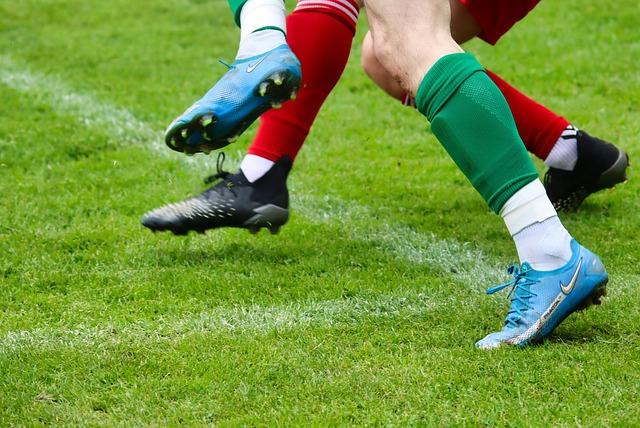
Exploring the Advantages and Disadvantages of Using Soccer Cleats for Football
Soccer cleats are a common sight on football fields, but are they really the best footwear option for the beautiful game? Let’s dive into the advantages and disadvantages of using soccer cleats for football.
Advantages of Using Soccer Cleats for Football:
- Superior Traction: Soccer cleats often feature specialized studs that provide excellent grip on grassy surfaces. This traction can help football players maintain stability and change direction quickly during the game.
- Lightweight Design: Most soccer cleats are designed to be lightweight, allowing players to move swiftly across the field. The reduced weight can also contribute to an increased level of agility and speed, giving you an edge over your opponents.
- Precision and Control: Soccer cleats are typically designed with a streamlined shape and a lower-profile to improve ball feel and control. This design can enhance your ability to dribble, pass, and shoot the ball with precision.
Disadvantages of Using Soccer Cleats for Football:
- Limited Ankle Support: Soccer cleats are not specifically designed to provide extensive ankle support. Football involves more physical contact and tackles, which may increase the risk of ankle injuries if proper support is not provided. This can be a concern for players with weak or prone ankles.
- Less Cushioning: Compared to traditional football boots, soccer cleats often have less cushioning to provide a closer fit. This reduced cushioning can make it slightly less comfortable to play football, especially on hard surfaces, where additional padding might be beneficial.
- Playing Surface Limitations: Soccer cleats are primarily designed for natural grass surfaces and may not perform as well on artificial turf or indoor courts. The studs on soccer cleats can cause discomfort and reduce maneuverability on different surfaces not suited for their design.
Ultimately, the decision to use soccer cleats for football depends on personal preference, playing style, and the specific playing conditions you typically encounter. It’s always advisable to try different footwear options and evaluate their performance and comfort to find the perfect fit for your game!
Key Factors to Consider Before Wearing Soccer Cleats for Football
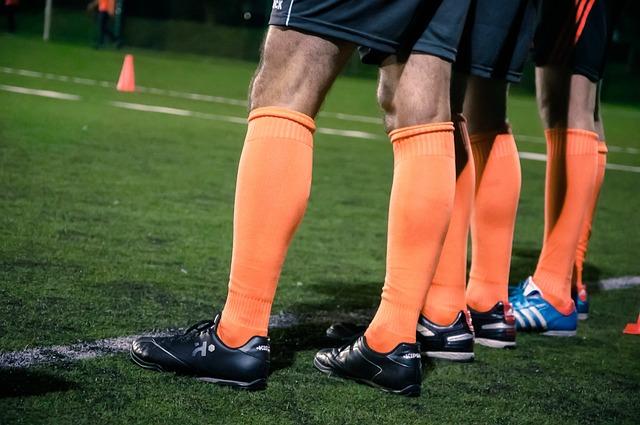
Football is an exhilarating sport that requires precision, agility, and strategy. One key element of the game is footwear, as it plays a crucial role in a player’s overall performance on the field. While football cleats are the go-to choice for most players, you might be wondering if soccer cleats can also be used in football.
First and foremost, it’s essential to understand the differences between football and soccer cleats. Football cleats are specifically designed for the sport, providing optimal traction on grass or turf surfaces. They typically have studs or spikes that dig into the ground, offering stability and grip when running, cutting, and making quick turns. On the other hand, soccer cleats are designed to provide traction on various surfaces, such as natural grass, artificial turf, or even indoor courts.
So, can you play football in soccer cleats? The answer is yes, but with some considerations. Soccer cleats can be used for casual football matches or training sessions, especially if you already own a pair or prefer their design. However, it’s important to keep in mind the following factors before lacing up those soccer cleats for football:
-
Surface type: Different playing surfaces require different types of traction. If you’re playing on a natural grass field, soccer cleats with stud configurations suitable for firm ground would be a viable option. However, if you’re playing on turf or indoor courts, it’s advisable to invest in football cleats designed specifically for those surfaces.
-
Support and stability: Football cleats are engineered to provide stability and additional ankle support, which can be particularly beneficial in a sport like football. Soccer cleats often prioritize flexibility and lightweight design, which may not offer the same level of support, especially during tackles or sudden changes in direction.
-
Traction and grip: Football cleats feature longer and more prominent studs that are strategically placed to maximize traction. This can be crucial in helping players maintain their balance and grip the surface, especially in wet or muddy conditions. Soccer cleats, though they offer a good amount of traction, may not provide the same level of grip, potentially affecting your performance on the field.
- Durability: Football cleats are built to withstand the demands of the sport, including the wear and tear from cutting, sprinting, and tackling. Soccer cleats, being designed for a different sport, might not have the same level of durability, and may wear out quicker when subjected to similar demands.
In conclusion, while it is possible to wear soccer cleats for football, it’s important to consider the surface type, support, traction, and durability before making a decision. Ultimately, investing in a proper pair of football cleats tailored to the sport can significantly enhance your performance and reduce the risk of injuries. Remember to choose the right footwear that suits your playing style and the specific requirements of the game for the best possible experience on the field.
Evaluating the Performance of Football Players in Soccer Cleats
Football and soccer are two popular sports that involve a significant amount of running, turning, and sharp movements on the field. One essential aspect of a player’s performance is the choice of footwear. While soccer cleats are specifically designed for soccer, many football players wonder if they can also use soccer cleats on the football field. Let’s explore the different aspects of !
-
Grip and Traction:
Soccer cleats are designed to provide maximum grip on grassy surfaces, allowing players to quickly change direction and accelerate without slipping. However, football fields typically have a different surface, often made of artificial turf or a combination of natural and synthetic grass. While soccer cleats can still provide grip on these surfaces, there may be a slight compromise in traction compared to football cleats designed for specific field conditions. -
Stud Patterns:
The stud patterns on soccer cleats are usually lower and more evenly distributed compared to football cleats. This design helps soccer players maintain stability and balance on the field. In football, players often require more grip for explosive movements, such as sprinting and tackling. Football cleats are designed with longer and more aggressive studs to provide additional traction and support during these high-intensity actions. -
Comfort and Fit:
Both soccer cleats and football cleats prioritize comfort and fit to enhance performance. However, since soccer cleats are primarily designed for running and ball control, they often have a more snug and lightweight construction. Football cleats, on the other hand, may offer additional padding and ankle support to handle the physical demands of the sport. It is crucial for football players to consider their individual playing style and position when choosing between soccer and football cleats. - Safety:
Safety should always be a priority when choosing footwear for any sport. Football cleats are specifically designed to protect the foot and ankle during high-impact collisions and aggressive play. The added stability and ankle support can reduce the risk of sprains and injuries. While soccer cleats may not offer the same level of protection, some players still opt for them based on personal preference and the specific playing conditions of their matches.
In conclusion, using soccer cleats for football can be an option depending on the individual player’s needs and the field conditions. It is essential for football players to evaluate the grip, stud patterns, comfort, fit, and safety offered by soccer cleats compared to football cleats. Ultimately, the choice should prioritize performance, protection, and overall comfort to optimize a player’s potential on the field.
Expert Recommendations for Choosing the Right Footwear for Football
Football is a high-intensity sport that requires the right footwear for optimal performance and injury prevention. While soccer cleats may seem similar to football cleats, there are significant differences that make them unsuitable for football. Here are some :
-
Football Cleats: These specialized shoes are designed specifically for football and have features that enhance performance on the field. They provide excellent traction on grass, turf, or artificial surfaces, allowing players to make quick cuts and changes in direction without slipping. Football cleats also have enhanced ankle support and cushioning to protect against impact and reduce the risk of ankle injuries.
-
Types of Football Cleats: There are three main types of football cleats:
a. Molded Cleats: These cleats have rubber or plastic studs permanently attached to the sole. They provide reliable traction and are suitable for most playing surfaces.
b. Detachable Cleats: These cleats have studs that can be screwed on and off, allowing players to adjust the length and type of stud depending on the playing surface. This versatility is particularly beneficial when playing in muddy or wet conditions.
c. Turf Shoes: Designed for artificial turf surfaces, these shoes have short rubber studs or patterns on the outsole that provide excellent grip without damaging the turf.
-
Proper Fit: It’s crucial to choose football cleats that fit properly to ensure comfort and prevent foot and ankle injuries. Consider the following tips:
- Measure your foot size and try on different brands and styles to find the perfect fit.
- Consider the shape of your foot (wide, narrow, etc.) and choose a cleat that accommodates it.
- Ensure there is enough space in the toe box to allow for natural movement without pinching or discomfort.
Remember, wearing the right footwear not only enhances your performance on the football field but also reduces the risk of foot and ankle injuries. Invest in a good pair of football cleats and enjoy the game with confidence!
Enhancing Comfort and Stability: Tips for Modifying Soccer Cleats for Football
Soccer cleats are specifically designed for the sport of soccer, with features that optimize performance on the pitch. However, many football players wonder if they can also use soccer cleats on the football field. The answer is, yes, you can play football in soccer cleats! While football cleats may offer specific advantages for the sport, soccer cleats can be modified to enhance comfort and stability, making them a viable option for football players.
Here are some tips for modifying soccer cleats for football:
-
Replace the studs: Soccer cleats typically have shorter and more numerous studs compared to football cleats. To improve traction and stability on the football field, consider replacing the studs with longer, more widely spaced ones. This will help prevent slipping and provide better grip on different playing surfaces.
-
Add insoles for cushioning: Football involves more physical contact and high-impact movements compared to soccer. To enhance comfort and support, consider adding specialized insoles to your soccer cleats. These can provide cushioning, reduce pressure points, and help alleviate foot fatigue during the game.
-
Choose the right upper material: Soccer cleats usually have a lightweight and flexible upper material for enhanced ball control. However, for football, where players may experience more physical contact, it is important to choose soccer cleats with a sturdier upper material, such as leather or synthetic leather, to offer better protection and durability.
- Customize the fit: Proper fit is crucial for both comfort and stability on the football field. Use techniques like lacing techniques or additional fasteners to adjust the fit of your soccer cleats to your preference. This will help prevent blisters, provide better support, and minimize any foot movement within the cleats during the game.
Remember, while soccer cleats may not offer all the specific features of football cleats, with these modifications, you can still enjoy a comfortable and stable playing experience on the football field. Experiment with these tips and find the right balance that suits your playing style and preferences. So go ahead, lace up those soccer cleats and dominate the game of football like a pro!
Achieving Optimal Performance in Football: Alternatives to Soccer Cleats
When it comes to playing football, the right footwear can make all the difference in your performance on the field. While soccer cleats are the traditional choice, it’s not the only option available. In fact, there are alternatives to soccer cleats that can help you achieve optimal performance and take your game to the next level.
-
Turf Shoes: If you often play on artificial turf, investing in a pair of turf shoes can significantly enhance your performance. These shoes are designed with rubber studs or patterns on the sole, providing excellent traction and grip on turf surfaces. They also provide better stability, allowing you to make quick turns and cuts without the fear of slipping.
-
Firm Ground Shoes: For players who primarily play on natural grass pitches, firm ground shoes are an excellent alternative to soccer cleats. These shoes are equipped with molded studs that offer exceptional traction on firm surfaces. They ensure maximum grip and stability without being as aggressive as traditional cleats, making them ideal for players who prefer a lower profile shoe.
-
Indoor Soccer Shoes: If you enjoy playing indoor football, opting for indoor soccer shoes is a must. These shoes feature a flat, non-marking rubber sole that provides excellent grip on indoor surfaces while protecting the gym floor. They offer enhanced ball control and quick maneuverability, allowing you to showcase your skills without worrying about slipping or injuring yourself.
- Customizable Cleat Systems: Another exciting alternative to soccer cleats is customizable cleat systems. These systems allow you to swap out and adjust different stud configurations based on the playing condition. By customizing your cleats to suit your needs and the field conditions, you can optimize your performance and stay ahead of the game.
In conclusion, while soccer cleats are a popular and reliable choice for football, it’s worth exploring alternative footwear options to enhance your performance on the field. Whether you opt for turf shoes, firm ground shoes, indoor soccer shoes, or customizable cleat systems, finding the right pair that suits your playing style and field conditions can make a world of difference in achieving optimal performance. So, don’t be afraid to venture beyond the traditional soccer cleats and experiment with different footwear options to take your football game to new heights.
Exploring Specialized Football Cleats: A Game-Changer for Players
Football and soccer are two distinct sports with their own specific footwear requirements. While soccer cleats are designed for agility, ball control, and playing on grass or artificial turf, football cleats are specialized for the demands of American football, such as providing stability, support, and traction on different playing surfaces. So, can you play football in soccer cleats? Let’s explore the different footwear options available for football players.
-
Football Cleats: These specialized shoes are designed with unique features to enhance performance on the football field. Football cleats have longer spikes or studs, usually made of rubber or metal, to provide better grip on grass or turf. The outsole is typically wider and more supportive, offering stability during quick cuts and lateral movements. Football cleats also offer extra ankle support and padding to protect players from injuries. Moreover, they come in different styles, such as low-top, mid-top, and high-top, to suit players’ preferences and positions.
-
Soccer Cleats: While not specifically designed for football, soccer cleats can still be used for playing football, especially in non-competitive or recreational settings. Soccer cleats have shorter studs or blades compared to football cleats, making them ideal for playing on grass or artificial turf. They are lightweight, allowing for better agility and ball control. However, soccer cleats may not offer the same level of stability and support as football cleats, which could impact performance and increase the risk of injuries, especially in the more physical aspects of football.
- Hybrid Cleats: As the name suggests, hybrid cleats combine features from both football and soccer cleats. These versatile shoes are designed to offer a balance between stability, traction, and agility. Hybrid cleats usually have a mix of shorter and longer studs to provide superior grip on various playing surfaces. They also offer better ankle support and cushioning compared to soccer cleats. Hybrid cleats can be a great option for those who play both football and soccer, or for football players who occasionally need to play on artificial turf.
In conclusion, while soccer cleats can be used for playing football in certain situations, they may not provide the same level of performance and protection as specialized football cleats. Football cleats are specifically designed for the demands of the sport, offering better support, stability, and traction. However, for non-competitive or recreational play, soccer cleats or hybrid cleats can be viable options that still provide decent performance. Ultimately, the choice of footwear depends on the player’s position, playing surface, and personal preference.
Considering Safety: The Importance of Appropriate Footwear for Football
Football is a sport that requires players to have the right equipment, and one key aspect of that is appropriate footwear. When it comes to football, it may seem reasonable to assume that soccer cleats are the go-to choice. However, is it actually suitable to play football in soccer cleats? Let’s explore some footwear options to gain a better understanding.
-
Soccer Cleats: While soccer cleats are designed for playing soccer, they can also be used for football. They provide excellent traction on grass surfaces, allowing players to make quick cuts and turns. The studs on the bottom of soccer cleats are typically short and evenly distributed, making them suitable for both lateral and forward movements. However, it’s important to note that soccer cleats may lack the ankle support needed in football, as their design primarily focuses on agility.
-
Football Cleats: Football cleats, on the other hand, are specifically designed for football players. They often feature a higher top, providing better ankle support and stability. Additionally, the studs on football cleats are typically longer and positioned strategically to enhance traction, especially during explosive movements. Football cleats also tend to have a more reinforced toe for added protection during tackles and kicks.
-
Multi-sport Cleats: If you are someone who plays both football and soccer, you may consider investing in multi-sport cleats. These versatile shoes are designed to cater to the requirements of both sports. With a combination of shorter and longer studs, multi-sport cleats provide a balance between agility and traction, making them suitable for playing both football and soccer. However, it’s worth mentioning that they may not offer the same level of specific performance as dedicated football or soccer cleats.
- Turf Shoes: Lastly, when playing on artificial turf surfaces, such as artificial grass or turf fields, turf shoes can be a great alternative to traditional cleats. These shoes feature rubber studs or patterns on the sole, providing excellent grip without damaging the turf surface. Turf shoes are designed to offer improved agility and maneuverability on synthetic surfaces, and they often have a lower profile for better responsiveness.
In conclusion, while soccer cleats can be used for football, it’s important to consider other factors such as ankle support and traction needs. Football cleats, multi-sport cleats, and even turf shoes may be more appropriate options based on the specific playing conditions and individual preferences. It’s always a good idea to try different types of footwear and choose the ones that offer the best fit, comfort, and performance for your style of play. Remember, investing in appropriate footwear plays a vital role in ensuring safety on the football field.
Evaluating Footwear Choices for Football: What Works Best for You
Football is a dynamic and fast-paced sport that requires specific footwear choices to enhance both performance and safety on the field. When it comes to choosing the right footwear for football, most players often wonder if they can wear soccer cleats instead. Let’s explore the various options available and determine what works best for you.
-
Soccer cleats vs. football cleats: While soccer cleats may seem similar to football cleats, there are some key differences. Soccer cleats have a more lightweight design with a thinner sole to provide better ball control and agility on the field. On the other hand, football cleats are built to offer superior traction, stability, and ankle support for the sport’s physical demands.
-
Necessary features of football cleats: When evaluating footwear choices for football, it’s crucial to consider certain features. Opt for cleats with molded or detachable studs that allow you to adapt to different field conditions. Look for a mid-cut or high-cut design to support your ankles during quick direction changes and impacts. Focus on finding cleats with a snug fit to avoid discomfort or blisters during intense gameplay.
-
Alternative options: If you don’t have access to football cleats, other athletic shoes like lacrosse or rugby cleats may be suitable substitutes. These shoes often provide the necessary traction and support for football, although they may not be specifically designed for the sport. It’s essential to ensure that any alternative footwear you choose meets safety standards without compromising your performance or increasing the risk of injuries.
- Key considerations for choosing the right footwear: When evaluating your footwear options for football, take into account factors such as your position, playing style, and field conditions. For example, linemen may benefit from sturdier and heavier cleats to withstand the physicality of their role, while receivers may prefer lighter cleats for improved speed and agility. Additionally, considering whether you’ll be playing on natural grass or synthetic turf can help determine the type of studs or sole pattern that would work best.
In conclusion, while soccer cleats may share some similarities with football cleats, it’s crucial to choose the right footwear specifically designed for the demands of football. Properly evaluating your options and considering factors such as traction, support, and fit will ultimately enhance your performance and keep you safe on the field. So, make an informed decision when selecting your football cleats and enjoy the game to its fullest!
Insights and Conclusions
In conclusion, if you’ve ever wondered whether you can play football in soccer cleats, the answer is a resounding yes! While traditionally designed for different sports, soccer cleats can often be an excellent and versatile option for football players. With their superior traction, lightweight construction, and comfortable fit, these cleats can elevate your performance on the gridiron. However, it’s important to consider the specific requirements of your position and playing surface before making a final decision. Remember, the right footwear can greatly impact your performance and reduce the risk of injuries. So, lace up those soccer cleats, hit the field, and let your feet do the talking!