Can You Play Soccer in the Rain? Mastering Wet Weather Matches!
Welcome to the ultimate guide on mastering wet weather matches! Whether you’re a passionate soccer enthusiast or a dedicated player, we’ve got you covered when it comes to playing soccer in the rain. Rainy conditions can make the game thrilling, challenging, and tactically intense. In this article, we’ll dive into the dos and don’ts, the tactics to employ, and the precautions to take to ensure you conquer the pitch, rain or shine. Get ready to enhance your skills and embrace the exhilaration of playing soccer in the rain like a true master!
Contents
- 1 Playing Soccer in the Rain: Mastering Wet Weather Matches!
- 2 Understanding the Challenges of Playing Soccer in the Rain and How to Overcome Them
- 3 Essential Techniques to Improve Performance in Wet Weather Soccer Matches
- 4 The Right Gear for Playing Soccer in the Rain: Key Equipment and Clothing Choices
- 5 Effective Strategies to Adapt to Changing Field Conditions in Wet Weather Matches
- 6 Mastering Control and Passing in Wet Weather: Tips for Enhanced Ball Handling
- 7 Tactics for Utilizing Wet Weather Conditions to Your Advantage in Soccer Matches
- 8 Building Stamina and Endurance for Wet Weather Soccer Matches: Training Tips and Exercises
- 9 Developing Quick Decision-making Skills in Wet Weather Soccer Matches
- 10 Maintaining Optimal Performance and Preventing Injuries in Rainy Soccer Games
- 11 To Wrap It Up
Playing Soccer in the Rain: Mastering Wet Weather Matches!
Playing soccer in the rain can be a thrilling and challenging experience. While some may shy away from wet weather matches, others see it as an opportunity to test their skills and adaptability. Here are some tips to help you master playing soccer in the rain:
-
Footwear: Invest in a good pair of soccer cleats with sturdy traction. Look for shoes that provide excellent grip and prevent slippage on wet surfaces. It’s also a good idea to have an extra pair of dry socks on hand to keep your feet comfortable and reduce the risk of blisters.
-
Ball Control: In wet conditions, the ball is likely to be slippery, making it harder to control. Focus on using the inside of your foot to maintain control and pass the ball. Avoid using the fancy tricks and flicks that you can normally pull off in dry conditions. Keep your passes shorter and more precise to minimize the chances of the ball skidding away.
-
Adjust Your Style: Wet pitches can slow down the game, so adapt your style of play accordingly. Opt for shorter passes and quick movements to avoid losing the ball in the waterlogged areas. Utilize your teammates and maintain good communication to ensure better coordination on the pitch.
- Defensive Strategies: Defending in the rain requires careful positioning and timing. Due to the wet surface, players are more likely to slip, making it crucial to maintain a stable stance. Focus on maintaining a balanced position and anticipate the movements of the attackers to make accurate tackles.
Remember, mastering wet weather matches takes practice and experience. Embrace the challenges and continue to develop your skills to become a formidable player in any weather condition. So the next time the rain pours, step onto the field with confidence and show off your skills as you dominate the game!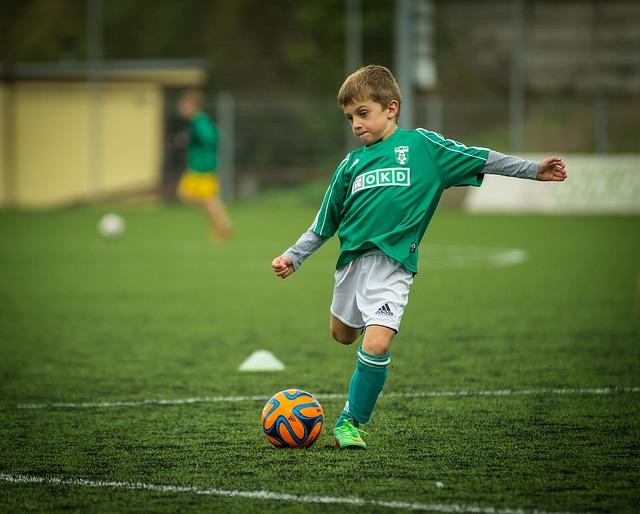
Understanding the Challenges of Playing Soccer in the Rain and How to Overcome Them
Playing soccer in the rain can present a unique set of challenges for both experienced and novice players. The wet conditions can impact every aspect of the game, from ball control to running speed. However, with the right preparation and mindset, you can overcome these challenges and even use the rain to your advantage on the field.
One of the main challenges of playing soccer in the rain is the slippery surface. The wet grass can make it harder to maintain your balance and change direction quickly. To overcome this, it’s crucial to wear the right footwear. Invest in a pair of soccer cleats with sturdy studs that provide good traction on wet surfaces. These cleats will help you dig into the ground and prevent slipping.
Another challenge is controlling the ball in the rain. The wet surface can make the ball more slippery, making it harder to get a good touch. To improve your ball control, it’s essential to focus on your technique. Keep your body low and be sure to plant your non-kicking foot firmly next to the ball when passing or shooting. This will provide stability and help you maintain control in the wet conditions.
In wet weather matches, passing becomes even more important. It is crucial to play short and accurate passes, as longer, lofted passes may get affected by the wind or lose momentum due to the wet ball. Additionally, try to strike the ball with slightly more power than usual to counteract the resistance created by the rain. This will help maintain the pace of your passes.
Overall, playing soccer in the rain can be a fun and exciting challenge. With the right equipment, technique, and mindset, you can overcome the obstacles presented by wet weather matches. Embrace the conditions and use them to sharpen your skills and adaptability on the field. So grab your cleats, dress appropriately, and embrace the thrill of mastering soccer in the rain!
Essential Techniques to Improve Performance in Wet Weather Soccer Matches
Playing soccer in the rain can pose different challenges, but with the right techniques, you can still dominate the game. Here are some essential tips to help you master wet weather matches and improve your performance on the field:
1. Adjust your footwork: In wet conditions, the ball and the field become slick, making it harder to control the ball. To adapt, focus on shorter, controlled steps and maintain a lower center of gravity. This will improve your balance, stability, and agility, allowing you to outmaneuver your opponents.
2. Master ball control: Wet weather can cause the ball to become heavier and slippery, making ball control more challenging. To enhance your touch and control, make sure your first touch is softer and more deliberate. Use the inside of your foot and focus on keeping the ball close to you to reduce the risk of losing possession.
3. Make precise passes: Passing accuracy becomes crucial in rainy conditions. Opt for shorter and more precise passes, using the inside of your foot to maintain control. Avoid making long aerial passes as they can be easily affected by wind and rain. Quick one-touch passes and give-and-go plays can help maintain possession and create scoring opportunities.
4. Wear the right gear: When playing in the rain, it’s important to wear appropriate gear to maximize your performance. Invest in a pair of soccer cleats specifically designed for wet conditions, with better traction and grip. Wear water-resistant and breathable clothing to keep you dry without compromising your mobility.
Remember, practice makes perfect. Incorporate these techniques into your wet weather training sessions to build the skills and confidence needed to excel in rainy soccer matches. Whether it’s a drizzle or a downpour, you’ll be able to adapt and shine on the wet pitch.
The Right Gear for Playing Soccer in the Rain: Key Equipment and Clothing Choices
Playing soccer in the rain can bring a whole new level of intensity and excitement to the game. However, it’s important to have the right gear and clothing choices to ensure a comfortable and successful match. Here are some key equipment and clothing choices to consider when playing soccer in wet weather:
-
Cleats with good traction: When the field is slippery, it’s crucial to have cleats that provide excellent traction. Look for soccer cleats with firm studs that can dig into the ground, providing stability and preventing slips and falls.
-
Waterproof and breathable clothing: Staying dry is essential during a rainy soccer game. Opt for waterproof and breathable clothing that can wick away moisture and keep you comfortable. Choose a rain jacket or shell that is both water-resistant and breathable, allowing sweat to escape while keeping rain out.
-
Non-absorbent gloves: As a goalkeeper, having non-absorbent gloves can make a significant difference in your performance. Look for gloves with latex palms or other materials that repel water, ensuring a strong grip on the ball.
- Visor or cap with a brim: Rain can make it challenging to see, especially if it’s coming down heavily. Consider wearing a visor or cap with a brim to keep rain out of your eyes. This will enhance your visibility and help you keep your focus on the game.
Remember, playing soccer in the rain requires adaptability and specific gear choices. By investing in the right equipment and clothing, you can make the most out of wet weather matches and enjoy the unique challenges they bring. Stay prepared, stay dry, and dominate the field even in the rain!
Effective Strategies to Adapt to Changing Field Conditions in Wet Weather Matches
Playing soccer in the rain can present unique challenges that require players to adapt their strategies and techniques. Wet weather matches can create slippery conditions on the field, making it difficult to maintain control of the ball and move with agility. However, with the right approach, players can make the most of these conditions and even gain an advantage over their opponents. Here are some effective strategies to help you master wet weather matches:
- Choose appropriate footwear: Wearing the right kind of shoes is essential in wet weather matches. Opt for cleats with longer and thicker studs to provide better traction on slippery surfaces. Consider using footwear specifically designed for wet conditions to enhance your grip and stability on the field.
- Adjust your playing style: Playing in wet weather requires adjustments in your playing style. Focus on short and quick passes to lessen the chances of losing control of the ball due to the unpredictable bounces caused by wet surfaces. Additionally, utilize more precision in your shots to counter the effects of the slippery field.
- Master ball control: In wet conditions, the ball becomes heavier and moves at a slower pace. To maintain control, practice dribbling and passing with a wet ball during training. Learning to adapt to the ball’s weight and lower bounce will give you an edge over your opponents.
Table: Skills for Wet Weather Matches
| Skills | Importance |
|---|---|
| Quick decision making | High |
| Agility | High |
| Precision passing | High |
| Ball control | High |
By implementing these strategies and honing the necessary skills, you can confidently play soccer in the rain and maximize your performance even in challenging wet weather matches. Remember, adaptability and a keen focus will be your key to success on the field, regardless of the ever-changing conditions.

Mastering Control and Passing in Wet Weather: Tips for Enhanced Ball Handling
Playing soccer in wet weather can present unique challenges for players, especially when it comes to controlling and passing the ball. However, by mastering a few essential tips and techniques, you can enhance your ball handling skills and adapt to playing in rainy conditions like a pro.
1. **Choose the right footwear**: The first step to mastering wet weather matches is to ensure you have the proper footwear. Opt for cleats with molded or slightly longer studs, as they provide better traction on a wet and slippery surface. This will help you maintain your balance and grip the pitch, giving you an advantage over players struggling with unsuitable footwear.
2. **Adjust your touch**: The increased moisture on the field can make the ball slide more easily, making it challenging to control. To counteract this, focus on keeping your touches a bit tighter and more controlled. This means reducing the amount of power behind your passes and shots, and instead, relying on precision and accuracy.
3. **Use the right technique**: In wet weather, it’s crucial to use the right technique when passing the ball. Instead of relying solely on your foot for precision, utilize your entire body. This includes using your chest, thigh, or even your head to cushion and control the ball before passing it to a teammate. By adapting your technique to the conditions, you can ensure that your passes are accurate and won’t slip away.
4. **Adjust your game strategy**: Wet weather can affect the speed and trajectory of the ball, making long passes and through balls more difficult. It’s essential to adapt your game strategy accordingly. Instead of relying on long passes, focus on shorter, quick passes to retain possession and maintain control. Additionally, utilizing a more direct playing style with fewer fancy tricks can help minimize the risk of losing the ball.
Remember, mastering control and passing in wet weather requires practice and experience. By following these tips and adapting your game, you’ll be able to overcome the challenges and excel in rainy conditions. So, don’t let a little rain dampen your soccer skills – embrace the opportunity to become a wet weather specialist on the field!
Tactics for Utilizing Wet Weather Conditions to Your Advantage in Soccer Matches
Playing soccer in wet weather conditions can be challenging, but with the right tactics and preparation, you can turn it into an advantage. Here are some strategies to help you master wet weather matches and come out on top:
1. Adapt your footwear: In rainy conditions, the field can become slippery, affecting your traction and control. Opt for cleats that have longer studs or blades to improve grip on the wet surface. Additionally, consider wearing shoes with a waterproof upper to keep your feet dry during the game.
2. Adjust your passing game: Wet weather can make the ball move unpredictably, so it’s essential to adapt your passing techniques. Instead of relying on long aerial passes, focus on short, quick passes along the ground. This will reduce the chances of the ball slipping away or bouncing in unexpected ways.
3. Control your first touch: With the ball retaining more moisture in wet conditions, it becomes heavier and harder to control. To counter this, practice your first touch to ensure you absorb the impact of the ball effectively. Keep your body low, cushion the ball with a soft touch, and maintain good balance to keep possession.
4. Utilize the slick surface: Wet conditions can make the field faster, creating opportunities for faster breaks and counterattacks. Encourage your team to play more direct and utilize the slick surface to your advantage. Quick transitions and speedy runs can catch the opposing team off guard and create scoring opportunities.
Remember, mastering wet weather matches requires practice and adaptation. Incorporate these tactics into your training sessions to develop the necessary skills and confidence to excel in rainy conditions. Embrace the challenge, and you’ll be well-prepared to take on any soccer match, rain or shine!
Building Stamina and Endurance for Wet Weather Soccer Matches: Training Tips and Exercises
Playing soccer in wet weather conditions can present its own set of challenges. The rain, slippery surface, and cold temperatures can make it difficult to maintain stamina and endurance throughout the match. However, with the right training tips and exercises, you can master wet weather matches and excel on the field.
1. Focus on cardiovascular training: Wet weather matches require extra effort to move quickly and efficiently. Building your cardiovascular endurance will ensure you have the stamina to keep up with the game’s fast-paced nature. Incorporate activities like running, cycling, or swimming into your training routine to improve your cardiovascular fitness.
2. Strengthen your lower body: Wet pitches can be slippery, increasing the risk of injury. Strengthening your lower body muscles, such as your quadriceps, hamstrings, and calves, will help stabilize your movements and reduce the chances of slips or falls. Include exercises like squats, lunges, and calf raises in your workout routine to build strength and stability.
3. Practice agility drills: Wet conditions can make it more challenging to change direction quickly and maintain balance. Incorporating agility drills into your training can improve your reaction time and ability to maneuver on the field. Set up cones or use ladder drills to simulate in-game movements and enhance your agility.
4. Improve your ball control: Wet conditions can affect your ability to control the ball, causing it to skid or slip away. Practice dribbling and passing exercises in wet weather to get accustomed to the ball’s movements on a slippery surface. This will improve your touch and ensure you can maintain possession effectively during matches.
Table with WordPress styling:
| Training Tips | Exercises |
|---|---|
| Focus on cardiovascular training | Running, cycling, swimming |
| Strengthen your lower body | Squats, lunges, calf raises |
| Practice agility drills | Cone drills, ladder drills |
| Improve ball control | Dribbling, passing exercises |
By following these training tips and incorporating the suggested exercises into your routine, you can build the stamina and endurance necessary to excel in wet weather soccer matches. Don’t let rain dampen your performance – master wet conditions and become a force to be reckoned with on the field!
Developing Quick Decision-making Skills in Wet Weather Soccer Matches
In the world of soccer, playing in wet weather conditions can be both challenging and exciting. Rain-soaked fields can turn into slippery surfaces, making it difficult for players to maintain their footing and execute their moves with precision. However, with the right techniques and mindset, you can develop quick decision-making skills that will give you an edge in wet weather soccer matches.
One key aspect of mastering wet weather matches is selecting the right footwear. Having the appropriate cleats can make a significant difference in your performance on a wet field. Opt for cleats with shorter and more closely spaced studs, as they provide better traction on slippery surfaces. Additionally, investing in a high-quality pair of waterproof socks can keep your feet dry and prevent blisters, allowing you to stay focused and nimble throughout the game.
Another important element of playing in the rain is adjusting your playing style. Quick decision-making becomes even more crucial in wet weather conditions, as the ball can become unpredictable when it has water on its surface. Instead of relying solely on long, aerial passes, prioritize short, quick passes that keep the ball close to the ground. This will help you maintain control and minimize the chances of losing possession due to unpredictable bounces.
Furthermore, it is essential to adapt your body movements to the wet field. Lower your center of gravity by bending your knees slightly and keeping your weight centered. This will improve your balance and stability, preventing unnecessary slips and falls. Additionally, maintaining a wide stance will give you more control over your movements and help you react quickly to changes in the game.
Mastering wet weather matches requires practice and experience. Consider organizing friendly games or training sessions in the rain to simulate real match conditions and improve your decision-making skills. By developing quick reflexes, adjusting your playing style, and equipping yourself with the right gear, you can confidently navigate wet fields and excel in any weather conditions. So don’t let the rain dampen your spirits, embrace the challenge and become a master of wet weather soccer!
Maintaining Optimal Performance and Preventing Injuries in Rainy Soccer Games
Playing soccer in the rain can be a thrilling experience, but it also presents a unique set of challenges that players need to be prepared for. Wet weather matches require additional focus and attention to maintain optimal performance and prevent injuries. Here are some tips to help you master playing soccer in the rain:
- Choose the right footwear: Wearing the appropriate footwear is crucial when playing on wet surfaces. Opt for soccer cleats with molded studs that provide enhanced traction and stability on slippery ground. Avoid metal studs as they can increase the risk of injury.
- Warm up properly: Rainy matches can make your muscles feel tighter than usual, so it’s essential to warm up adequately to prevent strains or pulls. Incorporate dynamic stretching exercises that target all major muscle groups to increase flexibility and blood flow.
- Maintain constant hydration: Just because it’s raining doesn’t mean you don’t need to stay hydrated. In fact, playing in wet conditions can cause excessive fluid loss through sweating. Drink plenty of water before, during, and after the game to ensure you stay properly hydrated.
While it’s important to focus on maintaining performance, preventing injuries should also be a top priority during rainy soccer games. Here are some measures you can take to minimize the risk of getting injured:
- Improve your body balance: Wet grounds can be slippery, making it easier to lose balance or twist an ankle. Incorporate balance exercises into your training routine to strengthen your core and enhance stability. This can help prevent falls and reduce the risk of sprains.
- Adapt your playing style: Rainy conditions often make the ball move more quickly and unpredictably. Adjust your technique accordingly by focusing on controlled passes and shots. Keep the ball closer to your feet and avoid making risky tackles that could cause you to lose balance or collide with another player.
| Essential Tips for Playing Soccer in the Rain: | |
|---|---|
| Tip 1: Wear soccer cleats with molded studs for better traction. | Tip 2: Incorporate dynamic stretching exercises to warm up. |
| Tip 3: Stay hydrated by drinking water before, during, and after the game. | Tip 4: Focus on improving body balance to prevent slips and ankle sprains. |
| Tip 5: Adapt your playing style for better control of the ball on wet grounds. |
Remember, mastering wet weather matches is not only about winning the game but also ensuring the safety and well-being of all players. By following these tips, you can enjoy the exhilaration of soccer even in the rain!
To Wrap It Up
In conclusion, soccer can absolutely be played in the rain! With the right preparation and mindset, wet weather matches can actually be quite thrilling and rewarding. By mastering a few key techniques, such as adjusting your grip and balance, staying lower to the ground, and maintaining clear communication with your teammates, you’ll not only enjoy playing in the rain but also gain a competitive edge against your opponents. So, next time the heavens open up during game day, don’t fret! Embrace the wet conditions, trust in your skills, and go out there to dominate the pitch. Play with confidence, knowing that you have the knowledge and adaptability to conquer any weather conditions. Remember, a little rain can’t dampen the spirit of a true soccer champion. So gear up, get out there, and let the rain be your ally as you master wet weather matches!