

Soccer Drills for 1st Graders: Age-Appropriate Exercises for First-Year Players!
Are you looking for age-appropriate soccer drills for your first-grade players? Look no further! In this article, we’ll cover a variety of exercises tailored specifically for first-year players to help them develop essential skills and a love for the game. Let’s dive in and get those little feet moving!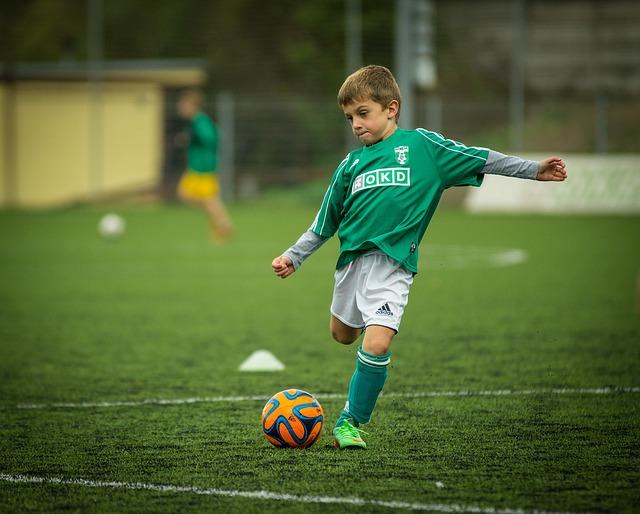
Contents
- 1 Soccer Drills Tailored to 1st Graders’ Skill Levels
- 2 Incorporating Fun and Engagement into Practice
- 3 Developing Basic Fundamental Skills through Engaging Activities
- 4 Encouraging Teamwork and Communication on the Field
- 5 Implementing Age-Appropriate Physical Conditioning Drills
- 6 Fostering Confidence and Sportsmanship in Young Players
- 7 Creating a Positive and Supportive Learning Environment
- 8 Teaching Proper Technique and Form from the Start
- 9 Introducing Simple Game Strategies and Concepts
- 10 Prioritizing Safety and Injury Prevention during Drills
- 11 To Conclude
Soccer Drills Tailored to 1st Graders’ Skill Levels
When it comes to coaching 1st graders in soccer, it’s essential to tailor your drills to their skill levels. This age group is at the beginning stages of their soccer journey, so it’s crucial to focus on fun and basic skills development. Here are some age-appropriate exercises that will keep 1st graders engaged and help them improve their soccer abilities:
- **Dribbling Around Cones:** Set up a series of cones in a zig-zag pattern and have the kids practice dribbling the ball in and out of the cones. This will help them work on their control and coordination.
- **Passing Relay:** Divide the players into teams and have them pass the ball to each other in a relay race. This drill will help them practice passing accuracy and teamwork.
- **Shooting Practice:** Set up a goal and have the kids take turns shooting on goal. Encourage them to aim for different corners of the net to improve their shooting precision.
By incorporating these drills into your coaching sessions, you can help 1st graders develop a strong foundation of soccer skills while keeping the sessions fun and engaging. Remember to provide positive reinforcement and encouragement to keep the young players motivated!

Incorporating Fun and Engagement into Practice
When it comes to teaching soccer drills to 1st graders, it’s essential to keep things fun and engaging. These young players are just starting out on their soccer journey, so it’s crucial to incorporate age-appropriate exercises that focus on building fundamental skills while keeping them entertained.
<p>One great way to keep the little ones engaged is to incorporate games into their practice sessions. Try setting up mini-games like dribbling through cones, passing to a partner, and shooting on goal. Not only will this make the drills more enjoyable, but it will also help improve their coordination and teamwork skills.</p>


<p>Another key aspect to consider when planning drills for 1st graders is to keep the exercises short and simple. Kids at this age have short attention spans, so it's important to keep things moving and switch up activities frequently. Focus on drills that are easy to understand and execute, such as basic ball control drills and relay races.</p>


<p>Overall, the key to successful soccer drills for 1st graders is to strike a balance between fun and skill-building. By incorporating games, keeping drills short and simple, and providing positive reinforcement, you can help young players develop a love for the game while improving their fundamental skills.</p>
Developing Basic Fundamental Skills through Engaging Activities
When it comes to developing basic fundamental skills in young soccer players, engaging activities are key. First graders are at a crucial age where they are just starting to learn the ins and outs of the game. By incorporating age-appropriate exercises, coaches can help these first-year players build a strong foundation for their soccer skills.
One effective drill for 1st graders is dribbling through cones. This exercise helps players work on their ball control and coordination. Set up a row of cones and have the kids weave in and out of them while dribbling the ball. Encourage them to use both feet and keep their heads up as they navigate through the obstacles. This drill not only improves their dribbling skills but also boosts their agility and spatial awareness on the field.
Another fun activity for young players is passing relays. Divide the kids into teams and have them pass the ball back and forth to each other. Make it a race to see which team can complete the most passes in a set amount of time. This exercise not only improves their passing accuracy but also fosters teamwork and communication among the players.
| Drill | Objective |
|---|---|
| Dribbling Through Cones | Improve ball control and coordination |
| Passing Relays | Enhance passing accuracy and teamwork |
Encouraging Teamwork and Communication on the Field
Encouraging teamwork and communication on the soccer field is crucial for the success of any team, especially for first graders who are just starting out in the sport. One way to foster these skills is through age-appropriate drills that focus on building trust and cooperation among players.
One fun drill to try is the “Traffic Light” game, where players must listen to their coach’s commands to stop, go, or change direction. This exercise not only helps improve communication but also teaches players to follow instructions and work together as a team.
Another great drill for 1st graders is the “Passing Circle,” where players form a circle and pass the ball to each other. This drill allows players to practice their passing skills while also learning to communicate with their teammates by calling out for the ball.
Lastly, the “Dribbling Relay Race” is a fantastic way to encourage teamwork and communication. Players are divided into teams and must dribble the ball to a designated spot and back, passing it to their teammates along the way. This drill not only improves dribbling skills but also fosters teamwork as players must work together to win the race.
Overall, incorporating these age-appropriate exercises into your 1st-grade soccer practices will help develop important teamwork and communication skills that will benefit players both on and off the field. With consistent practice and encouragement, players will grow into confident and cooperative team members.
Implementing Age-Appropriate Physical Conditioning Drills
When it comes to designing soccer drills for 1st graders, it’s essential to focus on age-appropriate physical conditioning exercises that are tailored to the unique needs of first-year players. Implementing drills that are both engaging and beneficial can help young athletes develop fundamental skills while building a strong foundation for future success on the field.
One of the key aspects to consider when planning drills for 1st graders is to keep the exercises simple and fun. Incorporating activities that involve running, jumping, and coordination can help improve overall athleticism and motor skills. It’s important to create a positive and encouraging environment where players can learn and grow at their own pace.
Some age-appropriate physical conditioning drills for first-year players may include:
- Speed Ladder Drills: Set up a speed ladder on the field and have players navigate through the rungs as quickly as possible. This exercise can help improve agility and footwork.
- Cone Dribbling: Place cones in a zig-zag pattern and have players dribble the ball around them using both feet. This drill can help enhance ball control and coordination.
| Drill Name | Benefits |
|---|---|
| Shooting Accuracy | Improves shooting technique and precision |
| Passing Drills | Enhances communication and teamwork skills |

Fostering Confidence and Sportsmanship in Young Players
When it comes to coaching 1st graders in soccer, it’s important to focus not only on skill development but also on . Age-appropriate exercises are key to ensuring that first-year players have a positive and rewarding experience on the field.
One fun drill for 1st graders is the “Dribble Relay Race,” where players dribble the ball through a course and pass it to their teammates before sprinting back to the starting line. This drill helps improve dribbling skills, teamwork, and speed in a competitive and engaging way.
Another great exercise is the “Shooting Accuracy Challenge,” where players take turns shooting at a target (like cones or a small goal) from different distances. This drill not only helps develop shooting skills but also teaches young players to focus, aim, and celebrate each other’s successes.
| Drill | Description |
|---|---|
| Dribble Relay Race | Improve dribbling skills, teamwork, and speed |
| Shooting Accuracy Challenge | Develop shooting skills, focus, and aim |
By incorporating these age-appropriate exercises into your coaching sessions, you can help 1st graders build their confidence on the field, develop a love for the game, and learn important values like sportsmanship and teamwork. Remember to keep the drills fun, engaging, and supportive to create a positive and encouraging environment for young players to thrive.

Creating a Positive and Supportive Learning Environment
Warm-Up Drills:
Start your practice session with some fun warm-up drills to get the 1st graders moving and ready to play. Some age-appropriate warm-up exercises include:
- Cone Dribbling: Set up cones in a zig-zag pattern and have the players dribble the ball around them.
- Animal Relay: Have players run like different animals (like a bear crawl or frog jumps) from one end of the field to the other.
Passing Drills:
Teaching young players how to pass the ball is essential for building teamwork and coordination. Try these passing drills with 1st graders:
- Circle Pass: Have players stand in a circle and pass the ball to each other, focusing on accuracy and control.
- Wall Pass: Players pair up and practice passing the ball against a wall to each other, working on communication and timing.
| Drill | Objective |
|---|---|
| Shooting Practice | Improve shooting accuracy and power |
| Dribbling Obstacle Course | Enhance dribbling skills and agility |

Teaching Proper Technique and Form from the Start
When it comes to teaching proper technique and form to first graders in soccer, it’s crucial to start from the very beginning. By introducing age-appropriate drills and exercises, young players can develop fundamental skills that will set them up for success in the sport. Here are some key tips for teaching proper technique and form to first-year players:
- Focus on Basic Skills: Start with simple drills that emphasize dribbling, passing, and shooting. Break down each skill into small, manageable steps to help players grasp the fundamentals.
- Emphasize Proper Form: Demonstrate the correct techniques for each skill and encourage players to mimic your movements. Offer individual feedback and corrections to help them improve their form.
- Use Fun and Engaging Activities: Keep young players motivated and engaged by incorporating games and challenges into your drills. Make learning enjoyable and interactive to foster a love for the game.
- Encourage Practice and Persistence: Remind players that mastering proper technique takes time and practice. Encourage them to keep trying, even if they make mistakes, and praise their efforts and improvements along the way.

Introducing Simple Game Strategies and Concepts
When it comes to teaching young children the basics of soccer, it’s essential to focus on age-appropriate drills and exercises. For 1st graders, it’s important to keep things simple and fun while still reinforcing fundamental skills. Here are some soccer drills that are perfect for first-year players:
- Dribbling through cones: Set up a series of cones in a straight line and have the players dribble the ball through them, practicing their dribbling skills and control.
- Passing drills: Have the kids pair up and practice passing the ball back and forth to each other, focusing on accuracy and communication.
- Shooting practice: Set up a goal and have the players take turns shooting on goal, teaching them the basics of shooting technique.
By incorporating these simple drills into your practice sessions, you can help 1st graders develop their soccer skills in a fun and engaging way. Remember to keep the emphasis on enjoyment and participation, and watch as your young players improve and grow in confidence on the soccer field!

Prioritizing Safety and Injury Prevention during Drills
When organizing soccer drills for first graders, it is essential to prioritize safety and injury prevention. It is crucial to remember that young players are still developing physically, and their bodies may not be able to handle intense or high-impact exercises. By implementing age-appropriate drills, coaches can ensure that players are improving their skills in a safe and controlled environment.
One way to prioritize safety during drills is to focus on proper warm-up and cool-down exercises. **Incorporate dynamic stretching** and light jogging to prepare the muscles for activity and reduce the risk of injury. Additionally, be sure to provide clear instructions and demonstrations for each drill to help players understand how to perform the exercise correctly.
Another important aspect of injury prevention is to **use equipment that is suitable for young players**. Make sure that soccer balls are the right size and weight for first graders, and that cones and other training aids are set up in a way that minimizes the risk of tripping or falling. It is also essential to maintain a safe playing surface, free of debris and obstacles that could cause accidents.
By taking the necessary precautions and implementing age-appropriate exercises, coaches can create a positive and safe environment for first graders to learn and enjoy playing soccer. Remember, the safety of the players should always be the top priority during drills and training sessions.
To Conclude
By incorporating age-appropriate soccer drills into your first grader’s training regimen, you are setting the foundation for their future success on the field. These exercises not only help develop fundamental skills but also foster a love for the game at a young age. So get out there, have fun, and watch as your little athlete grows into a skilled player with a passion for soccer. Remember, practice makes perfect!
Get our latest guides, news, and insights highlighted in your Google Search & AI Overviews.


