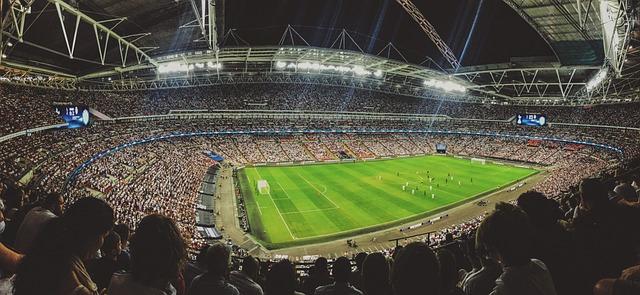
When is Professional Soccer Season in Europe? Pro League Schedule!
Welcome to the thrilling world of professional soccer in Europe! If you’re a die-hard fan or just dipping your toes into the sport, we’ve got you covered with all the essential information about the soccer season in Europe. From the much-anticipated kickoff to the nail-biting conclusion, we’ll guide you through the mesmerizing pro league schedules across the continent. Get ready to dive into the excitement, as we explore the precise timings and captivating fixtures that make European soccer the heartbeat of the beautiful game!
Contents
- 1 When Does the Professional Soccer Season in Europe Begin and End?
- 2 Key Dates of the Pro League Schedule that Every Soccer Fan Should Know
- 3 Insights into the Length and Structure of the Professional Soccer Season in Europe
- 4 A Comprehensive Guide to the European Soccer Calendar and Fixtures
- 5 Strategic Tips for Planning Your Soccer Trip during the Pro League Season
- 6 Research the Pro League Schedule
- 7 Choose the Right Destinations
- 8 Secure Tickets in Advance
- 9 Immerse Yourself in the Local Culture
- 10 Understanding the International Breaks: How They Affect the European Soccer Season
- 11 Exploring the Rivalries and Top Matches of the Professional Soccer Season in Europe
- 12 Factors Influencing the Scheduling of Pro League Matches in Europe
- 13 Uncovering the Impact of Weather Conditions on the European Soccer Season
- 14 An Inside Look at the Closures and Openings of Transfer Windows in European Football
- 15 The Conclusion
When Does the Professional Soccer Season in Europe Begin and End?
The professional soccer season in Europe is an exhilarating time for all fans of the beautiful game. The excitement, rivalries, and talent on display make it a must-watch event for millions of people around the world. So, when exactly does this thrilling season begin and end?
In Europe, the professional soccer season typically kicks off in August and runs through May of the following year. Each country has its own timetable, but most leagues follow this general schedule. The exact dates may vary slightly from year to year, but you can expect the action to start heating up in late summer and reach its climax in the spring.
For example, in the English Premier League, the new season usually begins in mid-August and concludes in mid-May. The German Bundesliga and Spanish La Liga usually have similar start and end dates, ensuring a steady flow of top-notch soccer throughout the year.
It’s important to note that the professional soccer season in Europe is divided into different phases. The regular league matches span several months and are complemented by other competitions such as domestic cup tournaments and European club competitions like the UEFA Champions League.
To get a complete overview of the professional soccer season in Europe, it’s worth keeping an eye on the fixture schedules released by the respective leagues and clubs. These schedules provide detailed information on match dates, times, and venues, allowing fans to plan their soccer-watching experiences accordingly.
So, mark your calendars and get ready for an incredible journey through the exhilarating world of European professional soccer! From the first whistle to the final showdown, the season promises a thrill ride filled with goals, saves, and unforgettable moments on the pitch.
Key Dates of the Pro League Schedule that Every Soccer Fan Should Know
As a soccer fan, it’s essential to stay up to date with the key dates of the Pro League schedule in Europe. This is when the excitement reaches its peak, and every match holds immense importance. Make sure to mark these dates on your calendar and get ready to witness some intense soccer action!
- Opening Day: The Pro League season kicks off with a bang! It’s the day when all the anticipation and excitement culminate into the first match of the season. As teams battle it out on the pitch, fans eagerly flock to the stadiums or tune in to witness the beginning of another thrilling season.
- Derby Matches: These highly anticipated matches bring together rivals from the same city or region. The energy and passion surrounding derby matches are unparalleled, with fans displaying unwavering support for their respective teams. The atmosphere is electric, and these matches often produce unforgettable moments that stay etched in the memory of soccer enthusiasts.
- Championship Playoffs: Towards the end of the season, the Pro League enters the championship playoffs stage. This is when the top teams battle it out to clinch the coveted title. Every match becomes a do-or-die situation, where players give their all, and fans cheer their hearts out. The intensity and drama during these playoffs is unrivaled, making it a thrilling spectacle for every soccer lover.
- Final Match: The culmination of a season’s worth of hard work, skill, and determination, the final match is a must-watch for every soccer fan. It’s the day when the two best teams go head-to-head to claim the ultimate prize. The atmosphere is electric, the stakes are high, and history is made with every kick of the ball. Be sure not to miss this adrenaline-filled clash!
Mark your calendars, gather your fellow fans, and get ready for an unforgettable season of professional soccer in Europe’s Pro League! Stay tuned for more updates, fixtures, and results throughout the season to make the most of your soccer experience.

Insights into the Length and Structure of the Professional Soccer Season in Europe
In Europe, the professional soccer season is a thrilling spectacle that captures the hearts and minds of millions of fans around the world. The length and structure of the season vary from country to country, adding intrigue and excitement to the beautiful game. Let’s dive into some insights that shed light on this captivating schedule!
-
Timing: The professional soccer season in Europe typically runs from August to May, with a break during the winter months. This period provides ample time for teams to compete in domestic leagues, as well as various cups and international tournaments.
-
Match Frequency: Teams in the top leagues usually play one or two matches per week, allowing for an intense competition that keeps fans on the edge of their seats. With a jam-packed calendar, clubs must balance their domestic commitments with continental competitions, such as the UEFA Champions League or the Europa League.
-
Structure: Each country has its own league format, but most top-flight leagues follow a round-robin system, where every team plays against each other twice – once at home and once away. The team with the highest number of points at the end of the season is crowned the champion.
- Post-Season: Once the league campaign concludes, the top teams have the opportunity to participate in knockout tournaments, such as the FA Cup in England or the Copa del Rey in Spain. These exciting cup competitions provide an additional chance for teams to secure silverware and add to their trophy cabinets.
With the professional soccer season in Europe packed full of thrilling matches, it’s no wonder that it captivates fans from all corners of the globe. Whether you’re supporting your local team or following the journey of a favorite player, the length and structure of the season ensure that there’s always a tantalizing match just around the corner.
A Comprehensive Guide to the European Soccer Calendar and Fixtures
As a soccer fan, understanding the European soccer calendar and fixtures is crucial. Whether you’re planning to attend matches or just want to keep up with your favorite teams, knowing when the seasons start and end is essential. In this comprehensive guide, we will break down the professional soccer season in Europe and provide you with all the information you need about the pro league schedule.
Europe is home to some of the most prestigious soccer leagues, such as the English Premier League, La Liga, Bundesliga, Serie A, and Ligue 1. Each league follows a different calendar, but most seasons run from August to May. This period is known as the regular season, during which teams compete in a round-robin format to determine the champion.
The European soccer calendar also includes international competitions, such as the UEFA Champions League and Europa League. These tournaments bring together the top clubs from different leagues, providing fans with intense matches and showcasing the best talent in Europe.
It’s important to note that the actual fixture schedule can vary from league to league. Some leagues have a winter break where matches are paused for a few weeks during the festive season, while others continue playing throughout the winter. Additionally, each league has its own unique fixtures and rivalry matches that fans eagerly anticipate each season.
| League | Season Start | Season End |
|---|---|---|
| English Premier League | August | May |
| La Liga | August | May |
| Bundesliga | August | May |
| Serie A | August | May |
| Ligue 1 | August | May |
While the schedule may differ slightly, one thing remains constant in European soccer – the excitement and passion on the field. So, mark your calendars, get your jerseys ready, and prepare to immerse yourself in a thrilling season of European professional soccer!
Strategic Tips for Planning Your Soccer Trip during the Pro League Season
So you’ve decided to embark on an exciting soccer trip during the Pro League season in Europe! Planning your adventure requires a strategic approach to ensure you make the most of your time and experience the thrill of professional soccer firsthand. Whether you’re a die-hard fan or simply looking to immerse yourself in the electric atmosphere, here are some strategic tips to help you plan an unforgettable soccer trip.
Research the Pro League Schedule
The first step in planning your soccer trip is to thoroughly research the Pro League schedule. This will allow you to identify the matches you want to attend and plan your itinerary accordingly. Keep in mind that the season usually starts in August and runs until May, with a break during the winter months. Look out for high-profile matches between top teams or local derbies to experience the most intense and captivating atmosphere.
Choose the Right Destinations
Europe is home to numerous professional soccer leagues, each with its own unique charm and history. Selecting the right destinations will greatly enhance your soccer trip. Consider visiting cities known for their passionate soccer culture, such as Barcelona, Manchester, or Milan. These cities offer not only top-notch football, but also a rich heritage, vibrant nightlife, and breathtaking landmarks to explore during your stay.
Secure Tickets in Advance
Attending a professional soccer match can be an unforgettable experience, but tickets sell out fast, especially for popular teams or high-stakes matches. To ensure you don’t miss out, it’s advisable to secure your tickets well in advance. Check the official club websites, authorized ticket resellers, or online platforms that specialize in selling soccer tickets. This way, you can guarantee your spot in the stadium and avoid disappointment on the day of the match.
Immerse Yourself in the Local Culture
A soccer trip is not just about the matches; it’s also an opportunity to immerse yourself in the local culture. Explore the city, try the local cuisine, and interact with passionate fans. Experience the pre-match rituals, visit fan zones, and soak up the atmosphere outside the stadium. Engage in conversations with fellow supporters and gain insights into the vibrant soccer culture of the city and its people.

Understanding the International Breaks: How They Affect the European Soccer Season
During the European soccer season, there are several breaks known as international breaks that can have a significant impact on the schedule and flow of the leagues. These breaks occur when national teams gather together for friendly matches, World Cup qualifiers, or continental tournaments such as the UEFA Nations League. Understanding these international breaks is crucial for both fans and players, as they can greatly influence the outcome of the season.
One of the main effects of international breaks is the interruption of league fixtures. While clubs might be on a winning streak or struggling to find form, these breaks can disrupt their momentum and lead to inconsistencies in performance. This can be frustrating for fans who eagerly await match days to see their favorite teams in action. Additionally, injuries sustained during international matches can leave clubs without key players for several weeks, impacting their overall performance.
On the other hand, international breaks also provide an opportunity for players to represent their countries and showcase their skills on a global stage. These matches can be a chance for players to gain international recognition or secure a spot in major tournaments like the FIFA World Cup or the UEFA European Championship. They also offer a platform for coaches to evaluate players and make important selections for their national teams.
To accommodate the international breaks, leagues often adjust their schedules. Some matches may be postponed or rescheduled to ensure that players have enough time to travel, rest, and recover from international duty. This can lead to congested fixtures later in the season, as teams are forced to play multiple matches within a short period. It also requires careful planning from clubs and national football associations to balance the needs of both domestic and international commitments.
In conclusion, international breaks play a significant role in the European soccer season. While they can disrupt the flow of the leagues and cause frustration for fans and clubs, they also provide an opportunity for players to represent their countries and showcase their talents. Understanding the impact of these breaks is essential for fans and players alike to navigate the ever-changing landscape of professional soccer in Europe.
Exploring the Rivalries and Top Matches of the Professional Soccer Season in Europe
The professional soccer season in Europe is a highly anticipated event for fans around the world. With some of the top teams and best players in the world, the matches are always filled with excitement and intense rivalries. From the English Premier League to La Liga in Spain, there are several leagues that offer thrilling matches throughout the season.
One of the most famous rivalries in European soccer is the match-up between Barcelona and Real Madrid, also known as El Clásico. This historic rivalry dates back many years and has become a symbol of the intense competition between the two clubs. The match is always highly anticipated and draws millions of viewers from around the globe.
Another top match in the professional soccer season is the Manchester Derby, where Manchester United and Manchester City go head-to-head. Both teams are based in the same city and have a long-standing rivalry that adds an extra level of excitement to the match. The atmosphere in the stadium is always electric, and the players give their all to secure a victory.
In addition to these high-profile rivalries, there are also several exciting matches that fans look forward to each season. The North London Derby between Arsenal and Tottenham Hotspur, the Milan Derby between Internazionale and AC Milan, and the Merseyside Derby between Everton and Liverpool are just a few examples. These matches not only showcase the talent and skill of the players but also ignite the passion of the fans.
| League | Match | Date |
|---|---|---|
| Premier League | Manchester Derby | November 6, 2021 |
| La Liga | El Clásico | October 24, 2021 |
| Serie A | Milan Derby | November 7, 2021 |
As a soccer fan, there’s no better time to watch the top matches and rivalries of the professional soccer season in Europe. From the intense rivalries to the skill and passion displayed on the field, these matches are a true spectacle to behold. Make sure to mark your calendars for these exciting fixtures and be prepared for an unforgettable experience.

Factors Influencing the Scheduling of Pro League Matches in Europe
One of the main factors that influence the scheduling of pro league matches in Europe is the weather. European countries experience different climates throughout the year, and scheduling matches during extreme weather conditions can have a significant impact on the quality of the game. For example, matches are often rescheduled or postponed during winter months in countries where snow and freezing temperatures are common. Additionally, matches in countries with hot summers may be scheduled during the evening or at night to avoid extreme heat.
Another factor that affects the scheduling of pro league matches is the availability of stadiums. Many top European clubs share stadiums with other teams or use them for different purposes, such as hosting concerts or other sports events. This means that there is limited availability for scheduling matches, especially during busy periods when multiple teams are competing in various tournaments. As a result, matches may need to be rescheduled or played at a different venue.
The international calendar, including national team fixtures and international tournaments, also plays a crucial role in determining the schedule of pro league matches. European clubs often have players who represent their respective national teams, and these players are required to participate in qualifying matches and tournaments throughout the year. As a result, pro league matches may be adjusted to accommodate these international fixtures, allowing players to represent their countries while still fulfilling their club commitments.
Additionally, television broadcasting rights and commercial considerations also influence the scheduling of pro league matches in Europe. Matches are often scheduled based on television agreements, ensuring maximum viewership and revenue generation. Moreover, commercial partnerships and sponsorship agreements may also impact the scheduling, as different clubs have varying obligations to their sponsors, which may affect the date and time of their matches.
In conclusion, the scheduling of pro league matches in Europe is influenced by various factors, including weather conditions, stadium availability, international fixtures, and commercial considerations. Taking all these factors into account allows for a well-organized and efficient scheduling process, ensuring that fans can enjoy high-quality matches while accommodating the needs of the teams, players, and stakeholders involved.
Uncovering the Impact of Weather Conditions on the European Soccer Season
The timing of the professional soccer season in Europe is a topic of great interest for fans, players, and clubs alike. Each country has its own schedule, determined by a variety of factors. However, one factor that often goes unnoticed but plays a significant role is the impact of weather conditions on the season’s timing.
Weather conditions can have a profound effect on the scheduling and playing of matches in European soccer leagues. The harsh winter weather in some countries, such as Germany, Russia, or Scandinavia, creates challenges that necessitate adjustments to the season’s schedule. Snowstorms, freezing temperatures, and icy pitches make it difficult, if not impossible, for matches to be played during these months.
To accommodate these weather conditions, leagues in such countries often schedule a winter break from December to February. This break allows players and clubs to avoid the worst weather conditions and ensures that matches can be played on safe and playable pitches. It also provides a much-needed rest period for players, allowing them to recover and prepare for the second half of the season.
In contrast, countries with milder winters, like Spain, Italy, and France, can maintain a more consistent soccer schedule throughout the year. Matches are rarely affected by snow or freezing temperatures, allowing for a more uninterrupted season. However, extreme heatwaves during the summer months can also pose challenges, leading to adjustments in scheduling or even rescheduling matches to early evening or late-night kick-offs.
In conclusion, understanding the impact of weather conditions on the European soccer season is crucial for players, clubs, and fans alike. It affects not only the timing of the season but also the quality and safety of the matches. By considering the unique weather challenges in each country, leagues can make informed adjustments to ensure an exciting and competitive season for all.
An Inside Look at the Closures and Openings of Transfer Windows in European Football
From the excitement of pre-season transfer speculation to the nail-biting tension of deadline day, the closures and openings of transfer windows in European football are a major talking point among fans and experts alike. These windows provide a designated period for clubs to buy or sell players, allowing for squad adjustments and team strengthening. While the exact dates vary across countries, let’s take an inside look at how the transfer windows shake up the professional soccer season in Europe.
1. **Summer Transfer Window:** The summer transfer window is undoubtedly one of the most eagerly anticipated moments in the football calendar. Generally running from early July to late August, this window allows clubs to make significant changes to their squads before the start of the new season. It is during this time that blockbuster transfers often occur, with big-name players changing allegiances and commanding eye-watering fees. From long-protracted sagas to last-minute surprises, the summer transfer window is an essential stage in European football’s annual cycle.
2. **Winter Transfer Window:** As the cold weather sets in and the midpoint of the season approaches, teams across Europe are given a second opportunity to fine-tune their squads. The winter transfer window, typically open for the month of January, presents a different set of challenges and considerations. With only a limited time to negotiate deals and integrate new signings, clubs must act swiftly and decisively to address any areas of weakness or capitalize on unexpected opportunities. This window often sees clubs focusing on short-term solutions, such as loan deals or swaps, rather than making long-term investments.
3. **Country-Specific Variation:** Despite the general framework of the transfer windows, there are variations in specific countries, adding an extra layer of intrigue to the transfer season. For example, in England, the transfer window typically closes earlier than in other European leagues, often before the start of the season. This creates a sense of urgency for Premier League clubs, as they must finalize their squads well in advance. On the other hand, some leagues may have more flexible closing dates, allowing for late deals and last-minute transfers.
4. **Impact on the Season**: The closures and openings of transfer windows have a profound impact on the professional soccer season in Europe. Successful deals can rejuvenate struggling teams, adding fresh talent and injecting new energy into the squad. However, the timing and outcome of transfers can also create a ripple effect that may disrupt team dynamics or lead to unforeseen consequences. It is during these transfer windows that clubs must carefully evaluate their priorities, assess market value, and balance financial constraints with the ever-present pressure to achieve on-field success.
In conclusion, the closures and openings of transfer windows in European football are pivotal moments in the build-up to the professional soccer season. From the summer transfer window’s blockbuster moves to the mid-season reshuffling of the winter transfer window, these periods offer an opportunity for clubs to shape their squads and express their ambitions. Whether it’s a world-record signing or an under-the-radar gem, the transfer window drama captivates fans and adds another layer of excitement to the beautiful game we all love.
The Conclusion
So there you have it, folks! Now you know exactly when the professional soccer season in Europe takes place and how the pro league schedule works. Whether you’re a die-hard fan or a casual observer, this information gives you a clear picture of when to expect the exciting matches, thrilling moments, and intense rivalries that make European soccer so special. From the legendary stadiums to the passionate fans, every game holds its own electricity. So mark your calendars and prepare for months of nail-biting action, as the continent’s top teams battle it out for glory. Whether you support a powerhouse club or an underdog, the drama of European soccer awaits. So sit back, relax, and get ready for a season that will leave you on the edge of your seat!