
How Long Is a Season Soccer? Duration of Soccer Seasons
Soccer fans around the world eagerly wait for the start of each season, but have you ever wondered just how long a soccer season actually is? In this article, we will dive into the duration of soccer seasons and explore the lengths of various leagues and tournaments. Whether you’re a die-hard fan or a curious newcomer to the sport, this guide will provide you with the answers you seek. So, lace up your boots and get ready to learn about the ins and outs of soccer season lengths!
Contents
- 1 What Determines the Length of a Soccer Season?
- 2 Key Factors Influencing the Duration of Soccer Seasons
- 3 Understanding the Different Types of Soccer Seasons
- 4 Comparing Professional and Amateur Soccer Seasons
- 5 Challenges of Long Soccer Seasons
- 6 Balancing Player Fitness and Season Length
- 7 Strategies for Managing Soccer Season Fatigue
- 8 Maximizing Performance Throughout the Soccer Season
- 9 To Wrap It Up
What Determines the Length of a Soccer Season?
When it comes to determining the length of a soccer season, there are several factors that come into play. The duration of a soccer season can vary depending on the league or competition in question. Here are some key factors that influence the length of a soccer season:
- The format of the competition: Different leagues and tournaments have different formats, which can impact the length of the season. For example, some leagues may have a round-robin format where teams play each other twice, while others may have a single-elimination knockout format.
- The number of teams: The number of teams participating in a league or tournament can also affect the length of the season. More teams mean more matches, which can result in a longer season.
- International breaks: International breaks, where players leave their club teams to represent their countries in international competitions, can also impact the length of the season. These breaks can lead to interruptions in the domestic league schedule.
- Weather conditions: In some regions, weather conditions can impact the length of the soccer season. For example, leagues in countries with harsh winters may have shorter seasons to avoid playing matches in extreme weather conditions.
Overall, the length of a soccer season can vary significantly depending on various factors. Whether it’s a domestic league, a continental competition, or an international tournament, the duration of the soccer season is carefully planned to ensure a balance between competitiveness and scheduling constraints.

Key Factors Influencing the Duration of Soccer Seasons
One of the key factors that determine the duration of soccer seasons is the league or competition in which the team participates. Different leagues around the world have varying lengths of seasons, with some lasting only a few months while others can go on for the better part of a year.
Another important factor is the format of the competition. Knockout tournaments are usually shorter in duration compared to round-robin leagues where teams play each other multiple times throughout the season. Additionally, cup competitions may run concurrently with the regular league season, further extending the overall duration of the soccer season for some teams.
The number of teams in a league or competition also plays a role in how long the season lasts. Smaller leagues with fewer teams may have shorter seasons, while larger leagues with more teams may have longer seasons to accommodate the increased number of matches that need to be played.
Lastly, external factors such as weather conditions, international breaks, and other scheduling conflicts can impact the duration of a soccer season. These factors may lead to matches being postponed or rescheduled, which can ultimately affect the overall length of the season.
Understanding the Different Types of Soccer Seasons
One of the first things to understand about soccer seasons is that they can vary in length depending on the league or competition. In general, a soccer season typically lasts anywhere from 9 to 12 months. However, there are different types of soccer seasons that can impact the duration of play.
One of the most common types of soccer seasons is the traditional league season. This type of season typically runs from August to May, with teams competing in a round-robin format to determine the league champion. These seasons can last anywhere from 8 to 10 months, depending on the number of teams in the league and the scheduling of matches.
Another type of soccer season is the tournament season. Tournaments like the FIFA World Cup or the UEFA European Championship are held once every four years and typically last for about a month. These tournaments bring together national teams from around the world to compete for the title of champion.
Finally, there are also shorter-term seasons like cup competitions or preseason tournaments that can last anywhere from a few weeks to a couple of months. These types of seasons provide teams with additional opportunities for competition and can help players stay sharp during breaks in the regular season.
Overall, the duration of a soccer season can vary depending on the type of competition, but most seasons typically last between 9 to 12 months.
Comparing Professional and Amateur Soccer Seasons
Professional Soccer Seasons
Professional soccer seasons can vary in length depending on the league and country. In top European leagues such as the Premier League, La Liga, Serie A, and Bundesliga, a typical season lasts around 9-10 months. This includes league matches, domestic cup competitions, and international fixtures for players representing their national teams. The season usually starts in August and ends in May, with a break in between for major international tournaments like the World Cup or European Championship.
Amateur Soccer Seasons
Amateur soccer seasons tend to be shorter than their professional counterparts. In local leagues or recreational teams, a typical season may run for 3-4 months. This includes regular league matches, cup competitions, and friendly games. The season usually follows a similar schedule to professional leagues, starting in late summer or early fall and finishing in the spring. However, amateur seasons may have more breaks or postponements due to inclement weather or scheduling conflicts.
Key Differences
– Professional soccer seasons are longer and more intense than amateur seasons.
– Professional players have a more structured and rigorous training schedule throughout the year.
– Amateur players may have other commitments such as work or school that limit their availability for training and matches.
– Professional seasons often include international competitions like the UEFA Champions League or Europa League, while amateurs focus on local competitions and grassroots development.
| Professional Soccer Seasons | Amateur Soccer Seasons |
|---|---|
| 9-10 months | 3-4 months |
| Structured training and competition | Less structured with more breaks |
Challenges of Long Soccer Seasons
Long soccer seasons can present a variety of challenges for players, coaches, and teams alike. One of the main challenges is the physical toll that an extended season can take on players’ bodies. With games often scheduled multiple times per week, players must ensure they are properly recovering and avoiding injuries to stay at the top of their game.
Another challenge of long soccer seasons is the mental fatigue that can set in over time. Maintaining focus and motivation throughout a season that can last for months requires mental toughness and resilience. Players may also face burnout from the constant demands of training, games, and travel.
Team dynamics can also be tested during long soccer seasons. As the pressure mounts and fatigue sets in, tensions can rise among teammates, coaches, and staff. It is important for teams to work on communication, conflict resolution, and team building to stay united and focused on their goals.
Overall, while long soccer seasons can be demanding, they also provide valuable opportunities for growth, development, and teamwork. By recognizing and addressing the challenges that come with a lengthy season, players and teams can better prepare themselves for success on and off the field.
Balancing Player Fitness and Season Length
In the world of professional soccer, finding the right balance between player fitness and the length of the season is crucial for success. Players must be at their peak physical condition to perform at their best throughout the entire season.
One key aspect to consider when discussing player fitness and season length is the duration of the soccer season. Depending on the league or competition, the length of the season can vary significantly. For example, some leagues may have shorter seasons that last only a few months, while others have longer seasons that span several months or even a year.
It is essential for coaches and team staff to carefully plan and manage the training and recovery of players to ensure they can maintain their fitness levels and avoid injuries throughout the season. This may involve implementing specific training programs, monitoring players’ workload, and providing sufficient rest and recovery time.
Ultimately, finding the right balance between player fitness and season length is a complex and ongoing process that requires a combination of strategic planning, effective communication, and a deep understanding of the physical demands of the sport.By prioritizing the well-being and fitness of players, teams can optimize their performance and increase their chances of success on the field.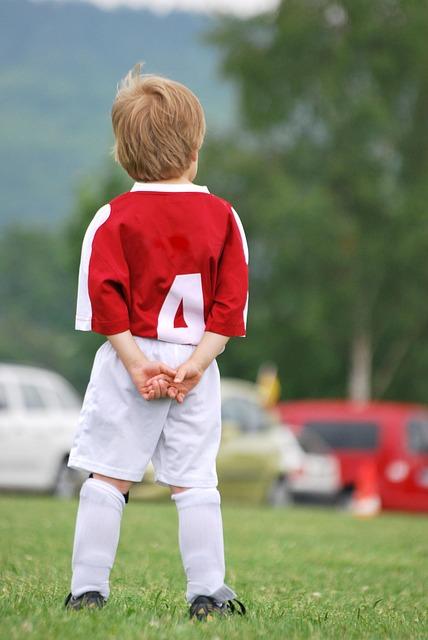
Strategies for Managing Soccer Season Fatigue
Soccer season fatigue can be a real challenge for players to overcome, especially as the season progresses and matches become more frequent and intense. To help manage fatigue and keep players performing at their best, it is important to implement various strategies throughout the season. Here are some effective ways to combat soccer season fatigue:
- Proper rest and recovery: Ensure players are getting enough sleep and rest between matches to allow their bodies to recover.
- Hydration: Staying hydrated is crucial for maintaining energy levels and preventing fatigue during matches.
- Healthy diet: Encourage players to eat a balanced diet rich in carbohydrates, protein, and vitamins to fuel their bodies for optimal performance.
- Rotate players: Avoid overworking the same players in every match by rotating the squad to give everyone a chance to rest and recuperate.
By implementing these strategies, coaches can help players stay fresh and energized throughout the soccer season, ultimately leading to better performance on the field.

Maximizing Performance Throughout the Soccer Season
One of the key components to is understanding the duration of soccer seasons. This knowledge allows players, coaches, and teams to effectively plan, prepare, and pace themselves for the long haul. Soccer seasons can vary in length depending on the level of competition, league rules, and regional differences.
In general, soccer seasons typically last anywhere from a few months to almost a year. Here is a breakdown of the duration of soccer seasons for different levels of competition:
– Youth soccer leagues: Youth soccer seasons usually run for a few months, typically in line with school schedules. This allows young players to focus on both their education and soccer development.
– College soccer seasons: College soccer seasons typically last from late summer through early winter, with playoffs extending into December or early January for the top teams.
– Professional soccer seasons: Professional soccer seasons can vary greatly depending on the league and country. In Europe, for example, most leagues run from August to May, with breaks for international competitions and holidays.
Understanding the duration of soccer seasons is crucial for players and teams to properly pace themselves physically and mentally. It also allows for effective training and conditioning programs to be implemented throughout the season, ensuring peak performance when it matters most. By staying informed and prepared, soccer players can maximize their performance and make the most of the season ahead.
To Wrap It Up
In conclusion, the duration of a soccer season can vary greatly depending on the league or competition. From the quick and intense pace of a summer tournament to the year-long grind of a professional league, each season offers its own unique challenges and opportunities for players and fans alike. Whether it’s a few months or an entire year, one thing is certain – the passion and excitement of soccer never fails to captivate us all. So lace up your cleats, grab your favorite jersey, and get ready for another thrilling season on the pitch!


