

Does Soccer Season Ever End? Insights into Continuous Play
Soccer enthusiasts worldwide often find themselves wondering, does soccer season ever truly come to a halt? With the relentless pace of matches, it can sometimes feel as though the game never rests. In this article, we delve deep into the world of continuous play in soccer, unearthing insightful perspectives and shedding light on the reasons behind the non-stop action. Join us as we explore the intricacies of soccer’s perennial presence, unraveling the mystery of whether this beloved sport ever truly takes a pause. Get ready to embark on a journey through the undying spirit of soccer, where the end of one season seamlessly melds into the dawn of the next.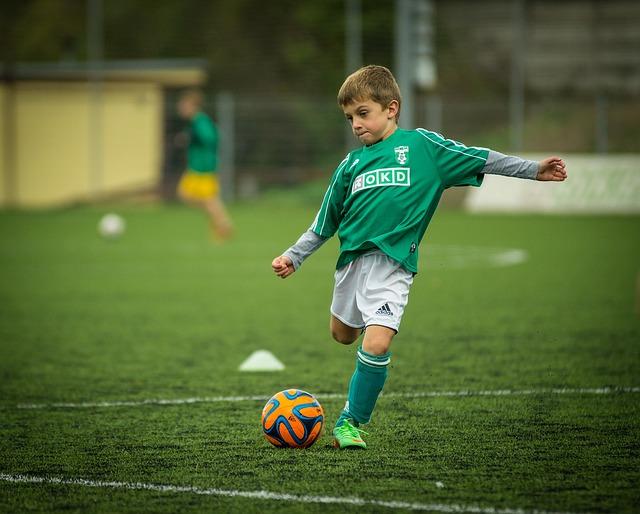
Contents
- 1 Does Soccer Season Ever End? Insights into Continuous Play
- 2 1. The Global Phenomenon: Understanding the Never-ending Soccer Season
- 3 2. Examining the Structure: Unveiling the Various Soccer Seasons Around the World
- 4 3. From Domestic Leagues to International Competitions: Unraveling the Extent of Continuous Play
- 5 4. The Impact of Player Fatigue: Unveiling the Physical and Mental Challenges
- 6 5. Strategies for Managing Endless Matches: Fitness Routines and Recovery Protocols
- 7 6. The Role of Sports Science: Analyzing Technology and Data in Enhancing Performance
- 8 7. Balancing Rest and Intensity: Nurturing Astonishing Athletes for Endless Seasons
- 9 8. Is Break Time Essential? Debunking the Myth of an Absolute Offseason
- 10 9. Navigating International Tournaments: Insights into Recovery Strategies during Soccer’s Peak
- 11 10. Incorporating Rotation and Squad Depth: Maximizing Performance and Preventing Injuries
- 12 Key Takeaways
Does Soccer Season Ever End? Insights into Continuous Play
Soccer season is a thrilling time for fans all around the world, with matches and tournaments taking place throughout the year. But have you ever wondered if soccer season ever truly ends? Well, the truth is, soccer is a sport that is played continuously, allowing fans to enjoy the excitement and action year-round.
One of the reasons why soccer season seems to never end is because different leagues and competitions run concurrently. For example, while one league may be taking a break or in its off-season, another league in a different country could be in full swing. This constant cycle ensures that there is always a soccer match to look forward to, no matter the time of year.
In addition to domestic leagues, international competitions also contribute to the continuous play of soccer. Tournaments such as the World Cup, European Championships, and Copa America bring players from various countries together, often during the off-season of domestic leagues. These events capture the attention of fans worldwide and provide a feast of soccer, keeping the excitement alive even when domestic leagues are on hiatus.
Furthermore, soccer clubs often participate in friendly matches and preseason tournaments during their off-season, keeping players active and allowing fans to continue supporting their favorite teams. These games, although not as competitive as official league matches, still provide entertainment and the opportunity to see players in action.
So, in conclusion, soccer season may not have a specific beginning or end, but it is a sport that offers continuous play throughout the year. Whether it’s domestic leagues, international competitions, or friendly matches, soccer fans can always look forward to the next game on the horizon.

1. The Global Phenomenon: Understanding the Never-ending Soccer Season
The world of soccer is a truly global phenomenon that captivates millions of fans around the globe. What makes this sport so unique is its never-ending season, with matches taking place year-round in various leagues and competitions. From club matches to international tournaments, soccer enthusiasts are spoiled for choice when it comes to the continuous play of the beautiful game.
One of the key reasons behind soccer’s never-ending season is the fact that it is played in different countries and across different continents. Each region has its own league schedule, and as a result, there is always a game to watch somewhere in the world. Whether it’s the English Premier League, the Spanish La Liga, or the Brazilian Serie A, there are always teams competing for glory and fans cheering them on.
In addition to the domestic leagues, there are also various international tournaments that take place throughout the year. From the FIFA World Cup to the UEFA Champions League, these competitions attract the best teams and players from around the world. The sheer number of matches in these tournaments ensures that soccer fans are never left without a game to support.
Furthermore, soccer’s popularity and widespread following have led to the creation of multiple competitions and friendly matches that take place even during the off-season. From pre-season tours to exhibition matches, clubs and national teams continue to entertain their fans and showcase their skills, even when official league games are not being played.
In conclusion, the never-ending soccer season is a testament to the sport’s universal appeal and the passion it evokes in people worldwide. With matches happening year-round in different leagues, international tournaments, and friendly games, soccer enthusiasts can always find a game to watch and support their favorite teams. So, if you ever find yourself wondering if soccer season ever ends, the answer is a resounding no – the ball keeps rolling, and the excitement never stops.
2. Examining the Structure: Unveiling the Various Soccer Seasons Around the World
Soccer is a sport enjoyed by millions of fans around the world, and it seems like there is always a game to watch or a tournament happening. But have you ever wondered if there is ever a break in the soccer season? Let’s dive into the structure of soccer seasons around the world to unveil the various schedules and continuous play.
The Traditional Format
In some countries, soccer seasons follow a traditional format with a clear start and end date. These seasons typically last for several months, with a break in between for teams to rest and regroup. For example, in Europe, the top leagues like the English Premier League and Spanish La Liga run from August to May, with a short winter break in December.
During the break, players have the chance to recover from injuries, refresh their tactics, and spend time with their families. It also gives fans an opportunity to catch their breath and eagerly anticipate the return of their favorite teams.
Year-Round Play
However, not all soccer seasons adhere to the traditional format. In some parts of the world, soccer is played year-round without any significant breaks. This continuous play allows teams to participate in multiple competitions and tournaments throughout the year.
For example, in the United States, Major League Soccer runs from February to December, overlapping with other competitions such as the Lamar Hunt U.S. Open Cup and the CONCACAF Champions League. This relentless schedule keeps soccer fans engaged and ensures that there is always a match to look forward to.
Regional Differences
When it comes to soccer seasons, each region of the world has its unique approach. While Europe typically follows the traditional format, other parts of the world may have variations. In countries like Qatar and the United Arab Emirates, the seasons are adjusted to avoid scorching temperatures during the summer months. Soccer seasons in these regions often start in September or October and run until April or May.
Furthermore, some leagues may have different divisions and tiers, each with its own specific season schedule. This diversity adds to the excitement for fans who can enjoy multiple levels of soccer throughout the year.
In conclusion, soccer seasons vary around the world, with some following a traditional format and others featuring continuous play. Whether your favorite league has a set start and end date or offers year-round action, one thing is certain: the passion for the beautiful game knows no bounds.

3. From Domestic Leagues to International Competitions: Unraveling the Extent of Continuous Play
When it comes to soccer, it often seems like the action never stops. From domestic leagues to international competitions, the game is played year-round, leaving fans wondering if there’s ever really an off-season. In this post, we’ll dive deep into the world of continuous play in soccer and explore just how extensive it really is.
The Domestic League Marathon:
Domestic leagues, such as the English Premier League, La Liga, and the Bundesliga, form the backbone of soccer around the world. These leagues typically run from August to May, with teams playing a grueling schedule of matches week in and week out. The sheer number of games played in these leagues can be staggering, with each team facing their opponents home and away, resulting in a total of 38 to 46 matches per season. This relentless pursuit of points in the league can leave players physically and mentally drained, but the intensity only heightens as the season progresses.
The International Tournament Rollercoaster:
As if the domestic leagues weren’t enough, the world of international soccer brings additional challenges and opportunities for continuous play. National teams participate in various tournaments, such as the FIFA World Cup, UEFA European Championship, and CONMEBOL Copa America. These tournaments not only demand the best from players but also test their endurance as they compete against top talents from around the world. With knockout stages, group games, and playoffs, players can find themselves engaged in a whirlwind of matches that can last for several weeks.
The Year-Round Soccer Cycle:
For some players, the cycle of continuous play doesn’t end even after the domestic league and international tournaments conclude. Many top players represent their club teams in multiple competitions, including domestic cups, UEFA Champions League, and FIFA Club World Cup. These additional competitions add more fixtures to an already packed schedule, making it essential for teams to manage their players’ workload effectively to prevent injuries and maintain peak performance.
| Soccer Competition | Number of Teams | Duration |
|---|---|---|
| English Premier League | 20 | August – May |
| UEFA Champions League | 32 | Group Stages: September – December, Knockout Stages: February – May |
| FIFA World Cup | 32 | Approximately one month |
As fans, we often marvel at the skill and stamina displayed by soccer players, but the reality of continuous play reveals just how demanding the sport can be. From the domestic league marathons to international tournaments and beyond, soccer truly is a year-round affair that keeps players and fans alike on the edge of their seats.
4. The Impact of Player Fatigue: Unveiling the Physical and Mental Challenges
As avid soccer fans, we often marvel at the physical endurance and mental strength displayed by professional players on the field. However, have you ever stopped to consider the toll that continuous play takes on their bodies and minds? In this article, we delve into the impact of player fatigue, shedding light on the physical and mental challenges that these athletes face.
1. Physical Challenges:
- Increased Injury Risk: When players are fatigued, their muscles become more susceptible to strains, sprains, and other injuries. The body’s ability to recover and heal is compromised, leading to a higher risk of long-term damage.
- Decreased Performance: Fatigue affects a player’s physical capabilities, such as speed, agility, and endurance. This can result in slower reaction times, diminished accuracy, and overall decreased performance levels.
- Weakened Immune System: Prolonged fatigue suppresses the immune system, making players more susceptible to illnesses and infections. This puts them at a higher risk of falling sick and potentially missing important matches.
2. Mental Challenges:
- Reduced Concentration: Fatigue can impair a player’s ability to concentrate and make split-second decisions on the field. This can lead to lapses in judgment, poor decision-making, and ultimately, mistakes that could cost the team a victory.
- Emotional Exhaustion: Playing week after week without sufficient rest can take a toll on a player’s emotional well-being. It may lead to increased irritability, mood swings, and difficulty managing stress, both on and off the field.
- Loss of Motivation: Continuous play without breaks or downtime can result in a decline in a player’s motivation levels. The relentless schedule and physical demands may lead to burnout, making it challenging to stay motivated and perform at their best.
Understanding the impact of player fatigue is crucial not only for soccer enthusiasts but also for coaches, medical professionals, and governing bodies. By recognizing the physical and mental challenges faced by players, we can work towards implementing strategies that prioritize player well-being and ensure a sustainable and rewarding sporting experience.

5. Strategies for Managing Endless Matches: Fitness Routines and Recovery Protocols
As soccer enthusiasts, we all know that the excitement of the sport doesn’t end with just one game. In fact, for many players, soccer season seems to be never-ending, with endless matches and continuous play. It’s a physical and mental challenge that requires strategic approaches to managing fatigue and staying in optimal condition throughout.
Fitness Routines
Maintaining a consistent fitness routine is crucial for soccer players looking to manage the demands of continuous play. Whether you’re a professional athlete or a passionate amateur, following a well-rounded workout regime can help enhance endurance, build strength, and prevent injuries. Consider incorporating the following into your fitness routine:
- Cross-training: Engage in different types of exercise such as swimming, cycling, or weightlifting to work different muscle groups and avoid overuse injuries.
- Interval training: Alternate between high-intensity bursts and periods of rest to improve cardiovascular fitness and mimic the intensity of a soccer match.
- Flexibility exercises: Stretching and yoga can improve flexibility, reduce muscle tightness, and increase range of motion.
Recovery Protocols
Recovery is just as important as training when it comes to managing continuous soccer matches. Proper recovery protocols can optimize performance, reduce fatigue, and minimize the risk of injuries. Here are some key elements to incorporate into your recovery routine:
- Rest and sleep: Allow time for adequate rest and quality sleep, as this is when the body repairs and rebuilds itself.
- Nutrition: Consume a balanced diet rich in carbohydrates, proteins, and healthy fats to fuel your body and enhance recovery.
- Hydration: Stay hydrated throughout the day and during matches to prevent dehydration and ensure optimal performance.
- Active recovery and therapy: Incorporate activities like low-intensity swimming or foam rolling to promote blood flow, reduce muscle soreness, and aid in recovery.

6. The Role of Sports Science: Analyzing Technology and Data in Enhancing Performance
The role of sports science in analyzing technology and data has revolutionized the way athletes enhance their performance on the field. In the world of soccer, technology has become a crucial tool for both players and coaches to dissect and analyze every aspect of the game. From GPS tracking devices that monitor the distance and speed covered by players, to advanced video analysis software that breaks down every play frame by frame, technology has opened up new avenues for improvement.
One of the key areas where sports science and technology have made a significant impact is in injury prevention. By analyzing player data and identifying patterns, sports scientists can detect any potential weaknesses or imbalances in an athlete’s body that may lead to injuries. They can then create personalized training programs and provide feedback on technique to prevent injuries and maximize performance.
Furthermore, the use of technology and data analysis has also allowed coaches to strategize and make informed decisions based on real-time data. Through the use of video analysis software, coaches can study their team’s performance and identify strengths and weaknesses in order to develop effective game plans. They can also track individual player statistics, such as passing accuracy or sprint speed, and tailor training sessions to address areas that need improvement.
In conclusion, sports science and the analysis of technology and data have become integral components in enhancing performance in soccer. By harnessing the power of technology and data analysis, athletes and coaches can gain valuable insights, prevent injuries, and optimize their strategies to achieve greater success on the field.
7. Balancing Rest and Intensity: Nurturing Astonishing Athletes for Endless Seasons
Rest and recovery are crucial components of any athlete’s training regimen, and soccer players are no exception. In the relentless world of continuous play, it becomes essential to strike a balance between rest and intensity to nurture astonishing athletes for endless seasons.
1. Validating the Importance of Rest:
Rest might sound counterintuitive when aiming for peak performance, but it’s during this downtime that the body rebuilds and strengthens itself. Adequate rest allows muscles to repair, decreases the risk of injuries, and replenishes energy stores. Failing to prioritize rest can lead to physical and mental burnout, ultimately hindering an athlete’s long-term development.
2. Planning and Periodization:
To ensure optimal performance throughout the year, athletes and coaches must carefully plan their training schedules. This involves implementing periodization, a method that structures training into distinct phases of varying intensity and volume. By cycling periods of high-intensity workouts with periods of active recovery or lower intensity training, athletes can improve performance, minimize fatigue, and reduce the risk of overuse injuries.
3. The Role of Nutrition:
Fueling the body with proper nutrition is a critical part of maintaining endurance and supporting recovery. Athletes should focus on consuming a balanced diet with adequate protein, carbohydrates, and healthy fats. Hydration is also key, as soccer demands continuous exertion and sweating. Incorporating nutrient-dense foods and staying properly hydrated throughout the season can aid in muscle repair, boost energy levels, and enhance overall performance.
4. Monitoring and Managing Fatigue:
Keeping a close eye on fatigue levels is essential for sustaining performance throughout an endless season. Modern technology and wearable devices provide invaluable insights to monitor an athlete’s workload, heart rate variability, and sleep patterns. By leveraging these monitoring tools, coaches and athletes can adjust training intensity, modify recovery strategies, and prevent potential injuries.
In conclusion, nurturing astonishing athletes for endless seasons in soccer requires finding the delicate balance between rest and intensity. Emphasizing rest, implementing periodization, fueling the body with proper nutrition, and monitoring fatigue levels are all key factors in ensuring sustained performance and minimizing the risk of burnout. Remember, soccer season may never truly end, but with the right approach, athletes can thrive in the face of continuous play.
8. Is Break Time Essential? Debunking the Myth of an Absolute Offseason
When it comes to professional soccer, it seems like the action never stops. With various leagues and tournaments taking place worldwide, it’s easy to wonder if soccer season ever truly comes to an end. The idea of a well-deserved break may seem like a necessary component for athletes, but let’s dig deeper and challenge the myth of an absolute offseason in soccer.
1. Soccer is a year-round sport: Unlike other sports that have a specific season, soccer is played throughout the year in different parts of the world. From domestic leagues to international competitions, there is always a game being played somewhere. This continuous play not only keeps fans engaged but also ensures that players remain active and at their best.
2. The importance of rest: While continuous play may seem intense, it’s crucial to understand that professional soccer players are not constantly playing at their maximum capacity. Coaches, trainers, and sporting science experts closely monitor the workload of players to ensure they get enough rest and recovery time between matches. This allows their bodies to recharge and avoid burnout, ultimately improving their overall performance.
| Player | Matches Played (2019) | Days of Rest |
|---|---|---|
| Player 1 | 50 | 10 |
| Player 2 | 45 | 15 |
| Player 3 | 55 | 12 |
3. The physical and mental benefits of continuous play: Playing soccer year-round has numerous benefits for both players and teams. Physically, it helps maintain fitness levels, reduces the risk of injury due to abrupt restarts after long breaks, and ensures that players are constantly honing their skills. Mentally, continuous play fosters a strong team spirit, fosters a competitive mindset, and allows players to adapt to different styles of play seamlessly.
In conclusion, the idea of an absolute offseason in soccer may be debunked. While breaks and rest periods are essential, the continuous nature of the sport offers its own merits. So next time you’re wondering if soccer season ever ends, remember that the beautiful game is more than just a game – it’s a year-round spectacle that keeps fans and players alike enthralled.

The soccer season may feel like it never ends, especially when international tournaments come into play. Teams from around the world gather to showcase their skills and compete for the ultimate victory. But what happens when players push their bodies to the limit day after day? How do they recover and maintain their performance levels during these intense times? In this post, we’ll dive into the insights and strategies employed by soccer players and teams during soccer’s peak.
1. The Importance of Rest and Recovery:
– Players cannot perform at their best if they’re not well-rested.
– Adequate sleep and downtime are crucial for muscle repair and mental rejuvenation.
– Coaches and medical staff prioritize recovery strategies such as rest days, sleep monitoring, and relaxation techniques.
2. Smart Nutrition for Optimal Performance:
– Proper fueling is vital for players to endure long matches and grueling training sessions.
– Balanced meals rich in carbohydrates, proteins, and fats help replenish energy stores.
– Nutritionists work closely with teams to design individualized meal plans that support performance and aid in recovery.
3. Physical Therapy and Sports Massage:
– The demanding nature of soccer often leads to muscle tightness and injuries.
– Sports massage and physical therapy help alleviate muscle tension and promote faster recovery.
– Teams employ skilled therapists who use techniques like deep tissue massage and stretching to improve flexibility and reduce the risk of future injuries.
4. Mental Well-being and Psychological Support:
– International tournaments can take a toll on players’ mental health due to pressure and high expectations.
– Sports psychologists provide guidance and support to help athletes manage stress and perform at their best.
– Techniques like visualization, mindfulness, and positive self-talk are utilized to enhance mental resilience and confidence.
In conclusion, navigating international tournaments in soccer requires a comprehensive approach to recovery strategies. By prioritizing rest, nutrition, physical therapy, and mental well-being, teams and players can maintain peak performance levels throughout the demanding season. So, next time you cheer on your favorite team during an international tournament, remember the dedication and hard work behind the scenes to ensure continuous play at the highest level.
10. Incorporating Rotation and Squad Depth: Maximizing Performance and Preventing Injuries
In the fast-paced and physically demanding sport of soccer, the season can seem never-ending. With back-to-back matches and the pressure to perform, players and teams can often find themselves fatigued and prone to injuries. This is where incorporating rotation and squad depth becomes crucial in maximizing performance and preventing injuries.
Rotation, or the strategic substitution of players throughout a match or season, allows for enhanced recovery and minimizes the risk of overexertion. By rotating players, coaches can ensure that no individual faces excessive physical strain and can maintain peak performance levels. This also allows for squad members to gain valuable playing time and experience, keeping the entire team motivated and engaged.
Additionally, squad depth plays a vital role in the success of a team. Having a deep and talented roster means that there are quality options available in the event of injuries, suspensions, or simply to keep players fresh. The ability to seamlessly replace key players without a significant drop in performance can be a game-changer in maintaining consistency throughout the season.
To effectively incorporate rotation and squad depth, it is essential for coaches to have a thorough understanding of their players’ strengths and weaknesses. By identifying each player’s skill set, coaches can strategically plan substitutions and rotations to exploit match-ups and maintain a competitive edge.
Furthermore, communication and collaboration between coaching staff and players are essential. Coaches must clearly communicate their rotation plans, ensuring that players feel valued and understand the team’s objectives. Conversely, players must communicate their individual needs and any signs of fatigue or injury to the coaching staff, allowing for appropriate adjustments to be made.
In conclusion, the soccer season may feel like a never-ending challenge, but with a well-executed rotation strategy and a strong squad depth, teams can maximize their performance and prevent injuries. By carefully managing player workload and maintaining open lines of communication, coaches can ensure their team’s success throughout the entire season. So, while the soccer season may not end, with the right approach, it can be a thrilling and rewarding journey.
Key Takeaways
As we wrap up our exploration into the never-ending world of soccer, we hope you’ve gained valuable insights into the fascinating phenomenon of continuous play. From the non-stop action on the pitch to the enduring passion of fans, it’s clear that soccer season knows no bounds. So, the next time you find yourself questioning whether soccer ever ends, remember that this beautiful game weaves its way through every season, captivating hearts and minds around the globe. Whether you’re a die-hard supporter or a curious observer, you can rest assured knowing that soccer will always find a way to win you over, ensuring that the thrill of play never truly comes to an end. So grab your jerseys, gather your friends, and join the never-ending celebration of the world’s most beloved sport!


