

Soccer Enthusiast? Find Out What Soccer Position Should You Play!
Are you passionate about soccer but unsure which position suits you best on the field? Finding the right role can make all the difference in your performance and enjoyment of the game. In this article, we will explore the various soccer positions and help you determine which one aligns with your skills, strengths, and playing style. So, if you are ready to take your game to the next level, read on to discover what soccer position you should play!
Contents
- 1 Introduction: Understanding the Different Soccer Positions
- 2 Assessing Your Skills and Physical Attributes
- 3 Determining Your Playing Style and Preferences
- 4 Exploring the Role of Goalkeeper in Soccer
- 5 Analyzing the Responsibilities of a Defender
- 6 Unpacking the Duties of a Midfielder
- 7 Breaking Down the Role of a Forward in Soccer
- 8 Considerations for Dual-Position Players
- 9 Seeking Guidance from Coaches and Experienced Players
- 10 Choosing the Right Soccer Position for You
- 11 Understanding Soccer Positions
- 12 Insights and Conclusions
Introduction: Understanding the Different Soccer Positions
Soccer, also known as football in many countries, is a sport loved and played by millions around the world. One of the key aspects of the game is the different positions players take up on the field. Each position has its own unique role and responsibilities, making it crucial for players to understand where they fit best.
Goalkeeper: The goalkeeper is the last line of defense and plays a crucial role in preventing the opposing team from scoring. They are responsible for stopping shots on goal and distributing the ball to their teammates. Goalkeepers need to have excellent reflexes, agility, and communication skills.
Defenders: Defenders work together to protect the goal and prevent the opposing team from advancing. They need to be strong, disciplined, and have good tackling abilities. Different types of defenders include center-backs, full-backs, and wing-backs, each with specific roles in the team’s defensive line.
Midfielders: Midfielders are the engine of the team, linking defense and attack. They control the flow of the game, providing support both defensively and offensively. Midfielders need to have stamina, vision, and good passing skills. Types of midfielders include defensive midfielders, central midfielders, and attacking midfielders.
Forwards: Forwards are responsible for scoring goals and putting pressure on the opposing team’s defense. They need to be fast, skillful, and have a good eye for goal. Types of forwards include strikers, wingers, and center-forwards, each with their own attacking strengths. Understanding the different positions in soccer can help players determine where they best fit in the team and how they can contribute effectively on the field.
Assessing Your Skills and Physical Attributes
When it comes to playing soccer, it’s essential to assess your skills and physical attributes to determine the best position for you on the field. Each position requires different abilities and strengths, so understanding where you excel can help you excel on the field.
One important factor to consider is your speed. Speed is crucial for positions like winger or striker, where you need to outrun defenders to score goals. On the other hand, center-backs and goalkeepers need to have good positioning and decision-making skills rather than raw speed.
Another key attribute to evaluate is your passing ability. Midfielders must have excellent passing skills to control the game and distribute the ball effectively. Defenders need to be able to make accurate long passes to switch the play and start attacks from the back.
Additionally, consider your physical strength and endurance. Strikers need to be able to hold off defenders and finish chances, while midfielders need to cover a lot of ground and win back possession. Defenders must be strong in the air and able to withstand physical challenges.

Determining Your Playing Style and Preferences
is crucial in finding the perfect soccer position for yourself. To excel on the field, you must understand your strengths, weaknesses, and what you enjoy most about the game. Here are some key factors to consider:
1. Physical attributes: Consider your height, speed, endurance, and overall physicality. Players who are taller and stronger may excel as defenders or goalkeepers, while quick and agile players may thrive as wingers or attackers.
2. Technical skills: Assess your ball control, passing, shooting, and tackling abilities. If you have excellent dribbling skills and a keen eye for goal, playing as a forward or attacking midfielder may be a good fit. On the other hand, if you are precise in your passing and strong in defense, consider playing as a midfielder or defender.
3. Playing style: Think about how you like to play the game. Are you a team player who enjoys creating scoring opportunities for your teammates, or do you prefer taking on defenders and scoring goals yourself? Your playing style can determine which position suits you best.
4. Personal preferences: Lastly, consider what you personally enjoy about soccer. Whether it’s making crucial tackles, scoring goals, or setting up plays, finding a position that aligns with your interests and strengths will help you make the most of your time on the field.
By carefully evaluating these factors, you can determine the soccer position that is best suited to your playing style and preferences. Remember, there is no one-size-fits-all answer, so it’s essential to experiment with different positions and roles to find where you truly shine on the field.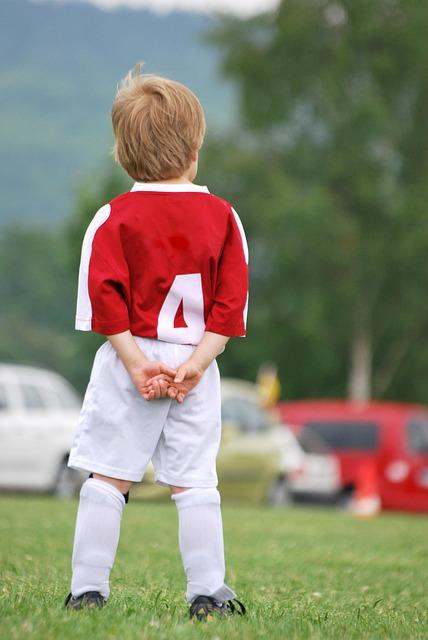
Exploring the Role of Goalkeeper in Soccer
Goalkeepers in soccer play a crucial role in the game, often serving as the last line of defense for their team. Their primary responsibility is to prevent the opposing team from scoring by blocking shots on goal and organizing the defense. Here are some key aspects of the goalkeeper position to consider:
- Shot-stopping: Goalkeepers must have quick reflexes and excellent hand-eye coordination to stop shots on goal. They need to be agile and able to dive in different directions to make saves.
- Communication: Goalkeepers are like the quarterback of the defense, constantly communicating and organizing their teammates to maintain a strong defensive shape.
- Distribution: Good distribution skills are essential for goalkeepers to distribute the ball accurately and efficiently to their teammates, either through throws or kicks.
- Positioning: Goalkeepers need to have a good understanding of the game to position themselves effectively, anticipate the opponent’s next move, and cut off scoring opportunities.
| Attribute | Description |
|---|---|
| Reflexes | Quick reactions to make saves |
| Communication | Effectively organizing the defense |
| Distribution | Accurately passing the ball to teammates |
Analyzing the Responsibilities of a Defender
Defenders play a crucial role in any soccer team, as they are responsible for preventing the opposing team from scoring goals. can help you determine if this position is the right fit for you. Here are some key responsibilities of a defender:
- Defending the goal: Defenders are tasked with protecting their team’s goal and preventing the opposing team from scoring.
- Marking opponents: Defenders must closely mark opposing players to disrupt their attacking plays and prevent them from getting scoring opportunities.
- Tackling and intercepting: Defenders need to be skilled at tackling and intercepting the ball to regain possession for their team.
- Supporting the attack: While their primary role is to defend, defenders also need to support the attack by providing overlapping runs and creating scoring opportunities for their teammates.
By understanding these responsibilities, you can determine if the role of a defender aligns with your skills and preferences on the soccer field. Whether you enjoy the challenge of preventing goals or thrive on the physicality of defending, the position of a defender may be the perfect fit for your playing style.
Unpacking the Duties of a Midfielder
Midfielders are the backbone of any successful soccer team. They are the players who link the defense to the offense and are responsible for controlling the flow of the game. Here are some key duties of a midfielder:
- Playmaking: Midfielders are often referred to as the “playmakers” of the team. They are responsible for creating scoring opportunities for their teammates by delivering accurate passes and setting up plays.
- Defensive Responsibilities: Midfielders also play a crucial role in defense. They are tasked with breaking up opposition attacks, winning possession of the ball, and providing cover for the backline.
- Transition: Midfielders are the ones who facilitate the transition from defense to offense. They need to be able to quickly switch between defensive and offensive mindsets to keep the team’s momentum going.
| Skills required for a midfielder: | Key attributes: |
|---|---|
| Vision | Technical ability |
| Passing accuracy | Tactical awareness |
| Endurance | Work rate |

Breaking Down the Role of a Forward in Soccer
When it comes to playing soccer, the role of a forward is crucial in a team’s success. Forwards are responsible for scoring goals and creating scoring opportunities for their teammates. They play an offensive role, focusing on attacking the opponent’s defense to create goal-scoring chances.
Some key responsibilities of a forward include:
- Scoring goals
- Creating scoring opportunities
- Pressuring the opposing team’s defense
Forwards are typically agile, quick, and have strong shooting abilities. They need to have good decision-making skills and be able to work well under pressure. Communication with their teammates is also important, as they need to coordinate their movements to break down the opponent’s defense.

Considerations for Dual-Position Players
When considering dual-position players in soccer, there are several important factors to keep in mind. These players have the unique ability to excel in more than one position on the field, which can be a valuable asset to any team. Here are some key :
- Adaptability: Dual-position players must be adaptable and able to quickly switch between different roles on the field. This requires a high level of tactical awareness and the ability to seamlessly transition between positions during a game.
- Technical Skills: Dual-position players should possess a wide range of technical skills to succeed in multiple positions. This includes strong passing, dribbling, shooting, and defensive abilities that can be applied to different areas of the field.
- Physical Attributes: Dual-position players often need to be versatile in terms of their physical attributes. They should have the speed and agility to play in attacking positions, as well as the strength and endurance to defend when required.
Overall, dual-position players bring a unique dynamic to a team, providing flexibility and depth across multiple areas of the field. By carefully considering these factors, coaches can effectively utilize the skills and talents of these versatile players to enhance team performance and success on the soccer field.

Seeking Guidance from Coaches and Experienced Players
Are you a soccer enthusiast looking to find your perfect position on the field? Seek guidance from coaches and experienced players to help you discover where your strengths lie and which position suits you best.
Coaches and players who have been involved in the game for years can provide valuable insights into the various positions on the soccer field. They can assess your skills, athleticism, and understanding of the game to offer personalized advice on where you may excel.
During your conversations with coaches and experienced players, be sure to ask questions and listen to their feedback. Consider trying out different positions during practice sessions to see where you feel most comfortable and effective.
Remember, finding the right position in soccer is a process of trial and error. Be open to feedback, put in the work, and trust the guidance of those who have the knowledge and experience to help you reach your full potential on the field.
Choosing the Right Soccer Position for You
Understanding Soccer Positions
When it comes to playing soccer, choosing the right position is crucial for your performance on the field. Each position requires different skills and strengths, so it’s important to understand what each position entails before making a decision. Here are some key points to consider when deciding which soccer position is right for you:
- Goalkeeper: If you have quick reflexes, good hand-eye coordination, and are comfortable playing under pressure, the goalkeeper position might be perfect for you. Goalkeepers are responsible for preventing the opposing team from scoring goals.
- Defender: Defenders need to be strong, tough, and have good positioning skills. They are responsible for stopping the opposing team from advancing and protecting their own goal.
- Midfielder: Midfielders are often referred to as the “engine” of the team, as they play both offense and defense. They need to have good passing, dribbling, and tackling skills.
- Forward: Forwards are the goal-scorers of the team. If you have speed, agility, and a strong shot, the forward position might be a good fit for you. Forwards need to be able to create scoring opportunities and finish them.
| Position | Key Skills |
|---|---|
| Goalkeeper | Quick reflexes, good hand-eye coordination, ability to handle pressure |
| Defender | Strength, toughness, good positioning |
| Midfielder | Passing, dribbling, tackling |
| Forward | Speed, agility, strong shot |
Insights and Conclusions
So, whether you’re a budding young soccer player or just curious about what position suits you best, take the time to explore the different roles on the field. Remember, each position plays a crucial role in a team’s success, so find out where your skills and strengths can shine the brightest. Who knows, you may discover a new passion or excel in a position you never considered before. Give it a try and see where your soccer journey takes you!


