Inside Scoop: Positions on a Soccer Team – All You Need to Know!
Soccer, the world’s most popular sport, is a dynamic game that requires each player on the field to fill a specific role. From the goalkeeper to the forwards, every position plays a vital role in the team’s success. In this article, we will take an in-depth look at the different positions on a soccer team and what each one entails. Whether you’re a seasoned player or just a curious fan, this insider’s guide will give you all the information you need to understand the game from a whole new perspective.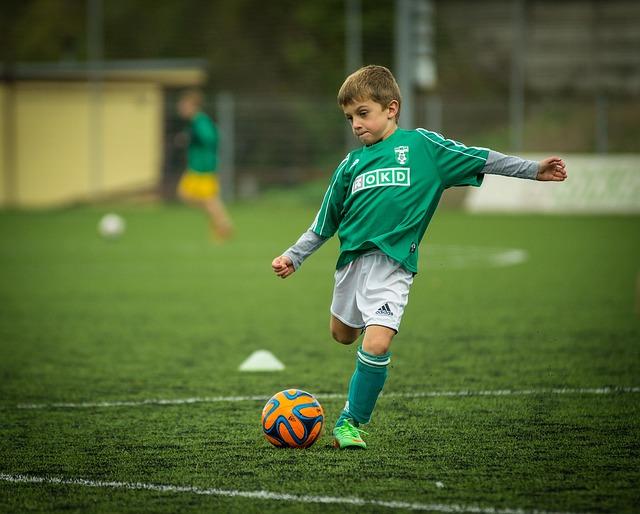
Contents
- 1 Understanding the Key Roles on a Soccer Team
- 2 Goalkeeper: The Last Line of Defense
- 3 Defenders: Protecting the Goal and Setting Up Attacks
- 4 Midfielders: The Engine Room of the Team
- 5 Forwards: Scoring Goals and Creating Opportunities
- 6 The Importance of Communication and Coordination on the Field
- 7 Striking the Right Balance Between Defense and Offense
- 8 Tips for Finding Your Ideal Position on a Soccer Team
- 9 To Wrap It Up
Understanding the Key Roles on a Soccer Team
When it comes to soccer, each player has a specific role to play on the team. Understanding the key positions and their responsibilities can help you appreciate the game even more. Let’s break down the main roles on a soccer team:
- Goalkeeper: The last line of defense, the goalkeeper’s main job is to prevent the opposing team from scoring by stopping shots on goal.
- Defenders: Defenders work together to protect the goal and stop the opposing team’s attackers from advancing. They must also support the midfielders in maintaining possession of the ball.
- Midfielders: Midfielders are the engine of the team, responsible for controlling the flow of the game. They help transition from defense to offense and provide support to both the forwards and defenders.
- Forwards: Forwards are tasked with scoring goals. They need to be quick, agile, and have good finishing skills to capitalize on scoring opportunities.
Each position requires different skill sets and abilities, but all are equally important in achieving success on the soccer field. A cohesive team with players who understand their roles and work together can be a force to be reckoned with. So next time you watch a soccer match, pay attention to how each player contributes to the team’s overall performance!

Goalkeeper: The Last Line of Defense
The goalkeeper, also known as the goalie or keeper, plays a crucial role in a soccer team as the last line of defense. Their primary responsibility is to prevent the opposing team from scoring goals. Here are some key points about the goalkeeper position:
- Shot-stopper: Goalkeepers are skilled at stopping shots on goal, using their hands, feet, and body to block or catch the ball.
- Organizer: They are often responsible for organizing the team’s defense, positioning players, and directing the play from the back.
- Distribution: Goalkeepers are also important in initiating attacks by distributing the ball to their teammates with accurate passes.
| Key Attributes | Important Skills |
|---|---|
| Agility | Quick reflexes |
| Positioning | Communication |
| Courage | Distribution |
Goalkeepers are often considered the backbone of a soccer team, providing stability and reassurance to their teammates. Their unique skills and attributes make them an integral part of the game, ensuring that the team’s defense is strong and secure.

Defenders: Protecting the Goal and Setting Up Attacks
Defenders play a crucial role in a soccer team, both in protecting the goal and setting up attacks. Their primary responsibility is to stop the opposing team from scoring goals, but they also play a key role in transitioning the ball from defense to offense. Here are some key points to know about defenders:
- Center-Backs: These players are typically tall, strong, and good in the air. They are responsible for marking the opposing team’s strikers and are the last line of defense before the goalkeeper.
- Full-Backs: Full-backs play on the flanks of the defense and are often tasked with overlapping runs to support the attack. They need to be fit, quick, and have good defensive and offensive abilities.
- Sweepers: Sweepers are a dying breed in modern soccer but are still utilized by some teams. They play behind the center-backs and are responsible for covering space and sweeping up any loose balls.
| Position | Responsibilities |
|---|---|
| Center-Backs | Marking strikers, winning aerial duels, organizing the defense |
| Full-Backs | Supporting the attack, overlapping runs, defending the flanks |
| Sweepers | Covering space, sweeping up loose balls, providing additional defensive cover |
Defenders need to be disciplined, positionally aware, and excellent communicators. They form the foundation of a solid defensive unit and are essential to a team’s success on the field. By understanding the roles and responsibilities of defenders, you can better appreciate the strategic elements of the game and the importance of a strong defensive line.

Midfielders: The Engine Room of the Team
Midfielders play a crucial role in a soccer team, often referred to as the engine room of the squad. They are responsible for connecting the defense and attack, controlling the flow of the game, and supporting both ends of the field. Here are some key points to know about midfielders:
- Midfielders are typically divided into defensive midfielders, central midfielders, and attacking midfielders.
- Defensive midfielders focus on breaking up the opponent’s attacks and providing cover for the defense.
- Central midfielders are often playmakers, dictating the tempo of the game and distributing the ball to their teammates.
- Attacking midfielders are creative players who are tasked with providing goal-scoring opportunities for their team.
Midfielders need to have a combination of physical and mental attributes, including stamina to cover large distances on the field, good passing and dribbling skills, and tactical awareness to read the game and make the right decisions. They are often considered the most versatile players on the team, as they are required to contribute both defensively and offensively.

Forwards: Scoring Goals and Creating Opportunities
Forwards are the key players when it comes to scoring goals and creating opportunities on the soccer field. They are responsible for leading the attack and putting pressure on the opposing team’s defense. Here are some key roles and responsibilities of forwards:
- Scoring Goals: The primary job of a forward is to score goals for their team. They need to have precision, power, and accuracy in their shots to beat the goalkeeper and put the ball into the back of the net.
- Creating Opportunities: In addition to scoring goals, forwards are also responsible for creating scoring opportunities for their teammates. They need to have good vision, passing skills, and decision-making to set up plays and assist in goal-scoring.
- Making Runs: Forwards need to make strategic runs to get into scoring positions. They must be able to time their runs well, exploit spaces in the defense, and make themselves available for passes from their teammates.
Overall, forwards play a crucial role in the success of a soccer team. They are often the stars of the show, with their ability to score goals and create excitement on the field. Their skills and talents are essential for unlocking the opposing defense and leading their team to victory.

The Importance of Communication and Coordination on the Field
Effective communication and coordination are vital components of a successful soccer team. Without clear and constant communication on the field, players can easily become disorganized and lose sight of their objectives. Coordination among teammates is crucial to ensure that everyone is on the same page and working towards a common goal.
When players communicate effectively, they are able to anticipate each other’s moves, make quick decisions, and react to changing situations on the field. This can lead to better positioning, smoother transitions, and ultimately more successful plays. By working together and coordinating their efforts, teammates can create opportunities for scoring and defending that may not have been possible otherwise.
One key aspect of communication on the field is understanding the different positions and roles of each player. Each position has specific responsibilities and areas of the field to cover. For example, a defender’s main role is to protect the goal and prevent the opposing team from scoring, while a midfielder focuses on controlling the flow of the game and facilitating transitions between offense and defense.
| Position | Responsibilities |
| Goalkeeper | Protecting the goal, organizing the defense |
| Defender | Preventing opponents from scoring, providing support in defense |
| Midfielder | Controlling the game, facilitating transitions between offense and defense |
| Forward | Scoring goals, creating attacking opportunities |
By understanding the roles and responsibilities of each position, players can communicate more effectively with their teammates, anticipate each other’s movements, and make better decisions on the field. This level of communication and coordination is essential for a successful soccer team and can make all the difference in achieving victory on the field.

Striking the Right Balance Between Defense and Offense
When it comes to playing soccer, finding the right balance between defense and offense is crucial for a successful team performance. Each player on the field must understand their role and responsibilities to ensure that the team functions effectively as a unit.
Defenders are tasked with protecting the goal and preventing the opposing team from scoring. They need to be strong, disciplined, and good at reading the game to anticipate the movements of the opposition. On the other hand, offensive players are responsible for creating goal-scoring opportunities and putting pressure on the opposing team’s defense. They must be skilled at dribbling, passing, and shooting to break down the opponent’s defense.
Strikers are typically the players who are closest to the opposing team’s goal and are tasked with scoring goals for their team. They need to be quick, agile, and have a good eye for goal to capitalize on scoring chances. Midfielders play a crucial role in linking defense and offense, providing support to both the defensive and offensive players. They must have good passing, dribbling, and defensive skills to control the flow of the game.
By understanding the roles of each position on a soccer team and , a team can maximize its chances of success on the field. Every player must work together cohesively to achieve the ultimate goal of winning matches and ultimately, championships.
Tips for Finding Your Ideal Position on a Soccer Team
Finding your ideal position on a soccer team can be a game-changer for your performance on the field. Here are some tips to help you discover where you shine the most:
Know Your Skills: Take some time to assess your strengths and weaknesses on the field. Are you a speedy winger, a strategic midfielder, or a solid defender? Understanding what you excel at can help narrow down the best position for you.
Watch and Learn: Pay attention to how different positions function during a game. Watch professional matches or even your own team play to get a better understanding of the roles and responsibilities of each position. This can give you insights into where you might fit in best.
Experiment: Don’t be afraid to try out different positions during practice or friendly games. You might discover a hidden talent or realize that a certain position suits you better than you expected. Keep an open mind and be willing to adapt to new roles.
Seek Feedback: Ask your coach, teammates, or even friends and family for their thoughts on where you might thrive on the field. Constructive feedback can help you gain valuable insights and perspectives on your playing style.
Finding the perfect position on a soccer team is a process that may take some time and experimentation. Stay patient, stay open-minded, and most importantly, have fun while exploring the various roles on the field. With persistence and a bit of trial and error, you’ll eventually find your ideal position where you can truly shine and contribute to your team’s success.
To Wrap It Up
Now that you have a better understanding of the various positions on a soccer team, you can appreciate the unique roles and responsibilities each player holds on the field. Whether you’re a die-hard fan or new to the sport, knowing the ins and outs of these positions will enhance your overall soccer experience. So next time you watch a match, keep an eye out for how each player contributes to the team’s success. It’s all part of the beauty of the beautiful game!