

How to Explain Soccer Positions to a Child: Simplified Guide
Introducing your child to the world of soccer can be an exciting and rewarding experience. However, understanding the different positions on the field can be overwhelming for both you and your young player. In this simplified guide, we will break down the key soccer positions and how to explain them in a way that is easy for your child to understand. By the end of this article, you’ll feel confident in teaching your child the basics of soccer positions and helping them navigate the game with ease.
Contents
- 1 Introduction
- 2 Understanding the Basics: Attackers, Midfielders, and Defenders
- 3 Breaking Down the Role of Goalkeepers
- 4 Explaining the Responsibilities of Forwards and Strikers
- 5 Detailed Guide to Midfielders: Playmakers, Defenders, and Utility Players
- 6 Unraveling the Duties of Defenders: Fullbacks, Center-backs, and Sweeper
- 7 Exploring the World of Defenders
- 8 Transitioning between Offensive and Defensive Tactics
- 9 Tips for Teaching Soccer Positions to Kids
- 10 Keeping it Fun and Engaging: Simplified Drills and Games for Practice
- 11 Explaining Soccer Positions to a Child
- 12 In Summary
Introduction
Soccer, also known as football in many parts of the world, is a popular sport played by millions of people of all ages. If you’re trying to introduce the game and its positions to a child, it’s important to break down the information in a way that is easy to understand. Understanding the positions in soccer is a key component to enjoying and playing the game effectively. Here is a simplified guide to help you explain soccer positions to a child in a clear and concise manner.
In soccer, there are typically 11 players on each team, each with a specific role on the field. Here are some of the main positions in soccer:
- Goalkeeper: The goalkeeper is the player who guards the goal and prevents the opposing team from scoring.
- Defenders: Defenders work to stop the opposing team from getting close to the goal. They also help to start attacks by passing the ball to their teammates.
- Midfielders: Midfielders play in the middle of the field and are responsible for both defense and offense. They help control the flow of the game by passing and tackling.
- Forwards: Forwards, also known as strikers, are responsible for scoring goals. They work to get the ball past the opposing team’s defenders and goalkeeper.
Explaining the basics of these positions to a child can help them understand the game better and even inspire them to try playing soccer themselves. By breaking down the roles and responsibilities of each position, you can help the child develop a deeper appreciation for the sport and potentially spark a passion for the game.
Understanding the Basics: Attackers, Midfielders, and Defenders
In soccer, there are three main positions that players are typically assigned: attackers, midfielders, and defenders. Each position plays a crucial role in the team’s overall strategy and success on the field.
Attackers:
- The attackers are responsible for scoring goals and putting pressure on the opposing team’s defense.
- They are often the fastest and most skilled players on the team, using their agility and precision to outmaneuver defenders.
- Attackers are positioned towards the front of the field, near the opposing team’s goal, ready to strike when the opportunity arises.
Midfielders:
- Midfielders act as a bridge between the attackers and defenders, helping to control the flow of the game.
- They are known for their strong passing and ball-handling skills, as well as their ability to provide support on both offense and defense.
- Midfielders are positioned in the middle of the field, helping to maintain possession of the ball and create scoring opportunities for the team.
Defenders:
- Defenders are tasked with protecting their own goal and preventing the opposing team from scoring.
- They are typically the tallest and strongest players on the team, using their physicality to stop attackers in their tracks.
- Defenders are positioned at the back of the field, working together to form a solid defensive line that can withstand pressure from the opposing team.

Breaking Down the Role of Goalkeepers
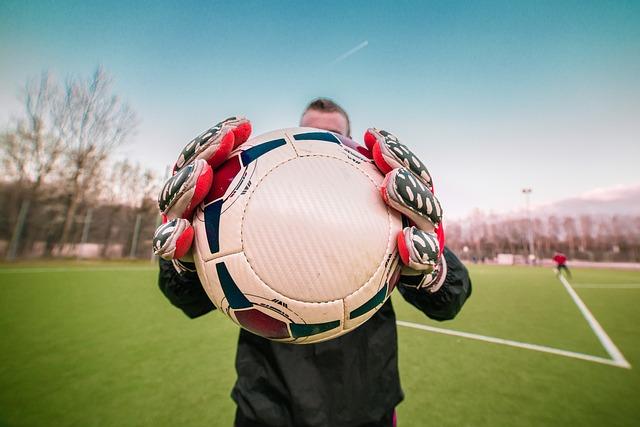
Goalkeepers are an essential part of a soccer team, playing a crucial role in preventing the opposing team from scoring goals. Here’s a simplified guide to help explain the position of goalkeepers to children:
- Protecting the Goal: The main job of a goalkeeper is to protect the goal. They are the last line of defense and their primary goal is to prevent the ball from entering the net.
- Using Hands and Feet: Goalkeepers are the only players on the field allowed to use their hands to touch the ball. They can also use their feet to kick or block shots.
- Quick Reflexes: Goalkeepers need to have quick reflexes to react to shots on goal. They need to be able to dive, jump, and block shots to keep the ball out of the net.
- Communication: Goalkeepers also play a crucial role in communicating with their teammates. They need to be able to organize the defense, call out plays, and provide support and direction to the rest of the team.

Explaining the Responsibilities of Forwards and Strikers
Forwards and strikers are two key positions in soccer that are responsible for scoring goals and creating opportunities for their team. While both positions play upfront, they have slightly different roles on the field.
- Forwards: Forwards are typically the first line of attack and are responsible for leading the charge towards the opponent’s goal. They need to have excellent positioning, speed, and agility to outmaneuver the defense and create scoring chances.
- Strikers: Strikers are more focused on finishing plays and putting the ball in the back of the net. They need to have strong shooting abilities, good composure under pressure, and the ability to read the game and capitalize on scoring opportunities.
Both forwards and strikers need to have good communication with their teammates, especially midfielders, to coordinate attacks and create scoring opportunities. They also need to be physically fit to keep up with the pace of the game and be ready to take advantage of any chances that come their way.
Detailed Guide to Midfielders: Playmakers, Defenders, and Utility Players
In soccer, midfielders play a crucial role in controlling the flow of the game and connecting the defense with the offense. There are different types of midfielders, each with their own unique responsibilities on the field.
– **Playmakers**: Playmakers are usually the creative forces in the midfield, responsible for distributing the ball to their teammates and setting up goal-scoring opportunities. They are often the ones who dictate the tempo of the game and are known for their vision and passing ability. Examples of playmakers include Luka Modric and Kevin De Bruyne.
– **Defensive Midfielders**: Defensive midfielders, also known as holding midfielders, focus more on protecting the defense and breaking up the opponent’s attacks. They are usually strong tacklers and interceptors, providing a shield for the backline. Players like N’Golo Kante and Sergio Busquets excel in this role.
– **Utility Players**: Utility players are versatile midfielders who can adapt to different positions and roles on the field. They can play both defensively and offensively, filling in wherever they are needed. These players are valuable for their flexibility and adaptability. James Milner and Thomas Muller are examples of utility players in the midfield.
Understanding the roles and attributes of different midfielders can help young soccer players grasp the complexities of the game and improve their overall understanding of team dynamics. By explaining these positions in a simplified manner, children can start to appreciate the diverse skills and contributions of midfielders in a soccer match.
Unraveling the Duties of Defenders: Fullbacks, Center-backs, and Sweeper
Exploring the World of Defenders
When it comes to soccer positions, defenders play a crucial role in protecting their team’s goal and stopping the opposing team from scoring. Within the realm of defenders, there are three main positions that each have their own specific duties and responsibilities: fullbacks, center-backs, and sweepers.
Let’s break down the duties of each position in a simplified way that even a child can understand:
Fullbacks
- Defending: Fullbacks are responsible for marking the opposing team’s wingers and preventing crosses into the box.
- Attacking: They also support their team’s midfielders and wingers by providing overlapping runs and delivering crosses into the box.
Center-backs
- Defending: Center-backs are the backbone of the defense, tasked with marking the opposing team’s strikers and clearing the ball out of danger.
- Organizing: They communicate with their teammates, providing instructions and ensuring that everyone is positioned correctly.
Sweeper
- Covering: The sweeper plays a role similar to a safety net, sweeping up any loose balls that get past the center-backs.
- Distributing: They act as a playmaker from the back, initiating attacks by distributing the ball to their teammates.

Transitioning between Offensive and Defensive Tactics
in soccer involves a seamless shift in mindset and execution on the field. Players must be able to quickly switch gears depending on the flow of the game and the position of the ball. Here are some key points to keep in mind when explaining these concepts to a child:
- Offensive Tactics: When your team has possession of the ball, you want to focus on creating scoring opportunities. This involves moving the ball up the field, looking for open teammates, and taking shots on goal.
- Defensive Tactics: When the opposing team has possession, your focus shifts to preventing them from scoring. This includes marking opponents, intercepting passes, and clearing the ball away from your goal.
Teaching children how to transition between offensive and defensive tactics is crucial for their development as soccer players. Encourage them to stay alert and be ready to adapt to the ever-changing dynamics of the game. By understanding these concepts, they will be better equipped to contribute to their team’s success on the field.
Tips for Teaching Soccer Positions to Kids
One of the most important aspects of teaching soccer positions to kids is breaking down complex concepts into simple, easy-to-understand information. When explaining soccer positions to children, it is crucial to use language and examples that resonate with their level of understanding. Here are some practical tips to help you effectively teach soccer positions to kids:
– Start with the basics: Begin by introducing the key positions in soccer such as goalkeeper, defender, midfielder, and forward. Use visual aids or demonstrations to help children visualize where each player typically is on the field.
– Use relatable examples: Relate each position to real-life scenarios that children can understand. For instance, explain that defenders are like the guards of the team who protect the goal, while forwards are like the strikers who try to score goals.
– Encourage engagement: Involve the children in interactive activities like role-playing different positions during practice sessions. This hands-on approach can help them better grasp the responsibilities and skills required for each position.
– Emphasize teamwork: Stress the importance of teamwork and how each position plays a crucial role in the success of the team. Encourage children to communicate and support each other on the field, regardless of their assigned position.
By simplifying the explanations, using relatable examples, fostering engagement, and highlighting teamwork, you can effectively teach soccer positions to kids in a way that is both educational and enjoyable.
Keeping it Fun and Engaging: Simplified Drills and Games for Practice
Explaining Soccer Positions to a Child
When teaching soccer positions to a child, it’s important to keep it simple and engaging. One effective way to do this is by using visual aids such as diagrams or videos. Help the child understand the basic roles of each position by breaking it down into easy-to-understand terms.
- Goalkeeper: The goalkeepers are like the shield of the team, they protect the goal from the other team scoring.
- Defenders: Defenders are like the guards of the team, they work to stop the other team’s players from getting close to the goal.
- Midfielders: Midfielders are like the playmakers of the team, they control the game by passing the ball between the defenders and the forwards.
- Forwards: Forwards are like the goal scorers of the team, they try to score goals by getting past the defenders and shooting the ball into the goal.
Encourage the child to practice different positions during games and drills to get a better understanding of each role on the soccer field. Make it fun by incorporating drills and games that focus on specific positions, such as passing drills for midfielders or shooting drills for forwards.
| Position | Responsibility |
|---|---|
| Goalkeeper | Protect the goal from the other team scoring. |
| Defenders | Stop the other team’s players from getting close to the goal. |
| Midfielders | Control the game by passing the ball between the defenders and the forwards. |
| Forwards | Try to score goals by getting past the defenders and shooting the ball into the goal. |
In Summary
In conclusion, understanding soccer positions is the first step to becoming a well-rounded player. By breaking down the roles in a simplified manner, you can easily explain them to your child and help them grasp the game with confidence. With this guide, you can now watch the game together and cheer on their favorite players from a whole new perspective. So, get out there and kick some goals with your little soccer star!


