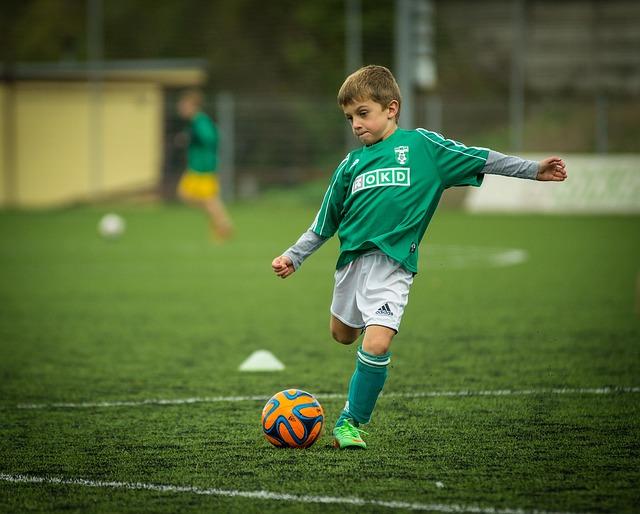
How to Coach Positions in Soccer: Expert Strategies
Coaching soccer positions is a crucial aspect of developing a winning team. With expert strategies and techniques, coaches can maximize the potential of each player on the field. In this article, we will delve into the key principles and methods for effectively coaching positions in soccer to help you lead your team to victory.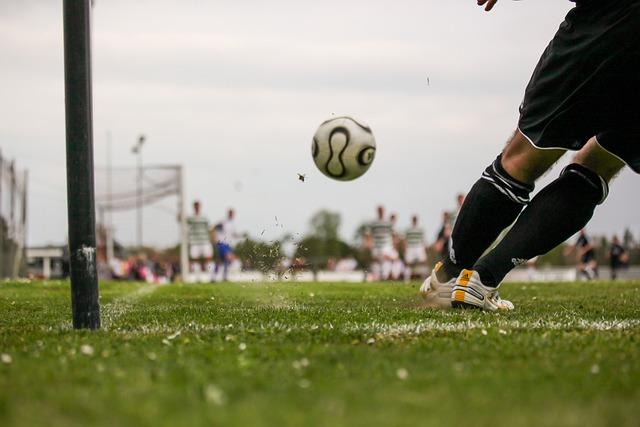
Contents
- 1 Introduction: Understanding the Role of a Soccer Coach
- 2 The Importance of Position-Specific Coaching in Soccer
- 3 Key Strategies for Coaching Offense Positions in Soccer
- 4 Strategies for Coaching Offense Positions in Soccer
- 5 Effective Techniques for Coaching Defense Positions in Soccer
- 6 Maximizing Player Potential through Goalkeeper Coaching
- 7 Tactical Approaches for Coaching Midfield Positions in Soccer
- 8 Incorporating Set Pieces into Position-Specific Training
- 9 Utilizing Video Analysis to Enhance Position-Specific Coaching
- 10 Building Stronger Team Dynamics through Individualized Coaching
- 11 Key Strategies for Coaching Different Positions in Soccer
- 12 Adapting Coaching Strategies for Various Skill Levels and Ages
- 13 Future Outlook
Introduction: Understanding the Role of a Soccer Coach
Understanding the role of a soccer coach is essential for anyone looking to excel in coaching positions in soccer. A soccer coach plays a critical role in developing players’ skills, strategies, and overall performance on the field. To be successful in this role, coaches must possess a combination of technical expertise, leadership skills, and a deep understanding of the game.
Coaching positions in soccer requires expert strategies that go beyond just understanding the game itself. A successful coach must be able to communicate effectively with players, motivate team members, and make tactical decisions that can change the outcome of a game. By mastering these skills, a coach can help their team reach its full potential and achieve success on the field.
One of the key aspects of coaching positions in soccer is understanding the different player positions and how to best utilize individual skills within the team. Whether it’s a goalkeeper, defender, midfielder, or forward, each position requires specific training and tactics to excel. By tailoring coaching strategies to fit each player’s role on the team, a coach can maximize performance and create a winning formula.
The Importance of Position-Specific Coaching in Soccer
When it comes to coaching soccer, one of the most crucial aspects is providing position-specific training to players. Each position on the field requires a unique set of skills, tactics, and responsibilities, and it is imperative for coaches to tailor their coaching methods accordingly. Position-specific coaching not only helps players enhance their individual abilities, but it also contributes to the overall success of the team.
- Developing Specialized Skills: By focusing on the specific skills needed for each position, players can improve their technical abilities and become more proficient in their roles on the field.
- Understanding Tactical Responsibilities: Position-specific coaching helps players understand their tactical responsibilities within the team structure, allowing for better coordination and performance during matches.
- Building Confidence: When players receive specialized coaching tailored to their positions, they are more likely to feel confident in their abilities and make better decisions on the field.
| Position | Main Skills |
|---|---|
| Goalkeeper | Diving, Shot-stopping, Communication |
| Defender | Tackling, Marking, Heading |
| Midfielder | Passing, Vision, Work Rate |
| Forward | Shooting, Dribbling, Movement |

Key Strategies for Coaching Offense Positions in Soccer
Strategies for Coaching Offense Positions in Soccer
Coaching offense positions in soccer requires a unique set of strategies to effectively guide players towards success on the field. Here are some key strategies that can help coaches elevate their players’ performance:
- Emphasize Communication: Encourage your players to communicate effectively on the field, whether it’s calling for the ball, directing their teammates, or providing feedback. Good communication can lead to better team coordination and scoring opportunities.
- Focus on Movement Off the Ball: Teach your players the importance of making runs, creating space, and positioning themselves strategically to receive passes or make attacking plays. Emphasize the need for constant movement and staying active throughout the game.
- Develop Decision-Making Skills: Help your players improve their decision-making abilities by setting up drills that require them to think quickly, analyze situations, and choose the best course of action. Decision-making is crucial in offense positions as it can lead to scoring chances.
- Instill Confidence: Build your players’ confidence by providing positive reinforcement, constructive feedback, and opportunities for success. Confident players are more likely to take risks, showcase their skills, and perform well under pressure.
| Position | Role |
|---|---|
| Forward | Goal Scorer |
| Attacking Midfielder | Playmaker |
| Winger | Crosser/Finisher |

Effective Techniques for Coaching Defense Positions in Soccer
When coaching defense positions in soccer, it is crucial to focus on developing both individual and team skills. Utilizing effective techniques can help players understand their roles and responsibilities on the field, leading to a more organized and cohesive defensive unit. Here are some expert strategies to consider:
Position-specific drills: Tailor drills to focus on the specific skills and movements required for each defensive position. For example, center backs may work on positioning and tackling, while full-backs can practice overlapping runs and defending wide areas.
Communication: Encourage constant communication among defenders to ensure they are working together effectively. Teach players to communicate verbally, through gestures, and by maintaining a strong understanding of each other’s positioning.
Video analysis: Use video analysis to review defensive performances and identify areas for improvement. This can help players visualize their positioning, decision-making, and overall performance on the field.
Set pieces: Dedicate time to defending set pieces, as they can often be game-changers. Work on organizing defensive lines, marking opponents effectively, and anticipating potential threats from corners, free kicks, and throw-ins.
By implementing these strategies and focusing on individual development within the team’s defensive structure, coaches can help players excel in their respective positions and contribute to a strong defensive unit on the field.
Maximizing Player Potential through Goalkeeper Coaching
When it comes to , it is essential to focus on key strategies that can help goalkeepers excel in their position on the field. One of the most important aspects of coaching goalkeepers is developing their technical skills, such as handling, footwork, positioning, and distribution.
Another crucial element in goalkeeper coaching is improving their decision-making abilities during match situations. This includes teaching goalkeepers how to read the game, anticipate opponents’ movements, and communicate effectively with their teammates.
Furthermore, incorporating mental training into goalkeeper coaching can help players build confidence, focus, and resilience. This can be achieved through visualization exercises, goal-setting, and mindfulness techniques.
Overall, by implementing expert strategies in goalkeeper coaching, coaches can help maximize the potential of their players and ensure they are well-prepared to perform at their best on the field.

Tactical Approaches for Coaching Midfield Positions in Soccer
In coaching midfield positions in soccer, it’s essential to focus on both defensive and offensive tactics to ensure a well-rounded player. Here are some expert strategies to help you coach your midfielders effectively:
- Positioning: Teach your midfielders the importance of maintaining the correct positioning on the field. They should be able to cover passing lanes, support the defense, and provide options for their teammates in attack.
- Passing and Ball Control: Emphasize the need for crisp, accurate passing and excellent ball control. Midfielders should be able to distribute the ball effectively and retain possession under pressure.
- Transition Play: Work on quick transitions from defense to attack and vice versa. Midfielders play a crucial role in switching the play and breaking down the opposition’s defense.
- Defensive Responsibilities: Ensure that your midfielders understand their defensive duties, such as tracking back, pressing opponents, and winning back possession. A solid defense is the foundation for a successful team.
When coaching midfield positions, remember to tailor your strategies to the specific strengths and weaknesses of each player. By focusing on these key areas, you can help your midfielders excel on the field and contribute to the overall success of your team.
Incorporating Set Pieces into Position-Specific Training
In position-specific training for soccer, incorporating set pieces is essential to ensure that players are well-rounded in their skills and prepared for game situations. Set pieces, such as corner kicks, free kicks, and penalty kicks, can often make the difference between winning and losing a match. Here are some expert strategies for :
– **Analyzing the team’s strengths and weaknesses**: Before focusing on set pieces, it’s important to analyze the team’s strengths and weaknesses in this aspect of the game. Identify which players have the best delivery, heading ability, and timing to maximize the effectiveness of set pieces.
– **Drilling specific set-piece scenarios**: Once you’ve identified the team’s strengths and weaknesses, create drills that focus on specific set-piece scenarios. For example, work on corner kicks by practicing different types of deliveries, runs, and finishes to increase the team’s scoring potential from corner kicks.
– **Developing a set-piece routine**: Consistency is key when it comes to set pieces, so develop a set-piece routine that players can rely on during matches. This routine should include designated roles for each player, clear communication, and precise execution to increase the team’s chances of scoring from set pieces.
– **Utilizing video analysis**: Incorporate video analysis into position-specific training to review and analyze set-piece opportunities from previous matches. This allows players to see where improvements can be made and to learn from successful set-piece plays to enhance their performance in future games.
By and implementing these expert strategies, coaches can help players develop their skills and tactics in this crucial aspect of the game, ultimately leading to more successful outcomes on the field.
Utilizing Video Analysis to Enhance Position-Specific Coaching
One of the most effective ways to enhance position-specific coaching in soccer is through the use of video analysis. By utilizing this tool, coaches can provide detailed feedback to players on their performance, allowing them to identify areas for improvement and make necessary adjustments.
Video analysis allows coaches to break down gameplay into specific moments, such as individual player movements, tactical decisions, and overall team performance. This detailed examination helps coaches to identify patterns, strengths, and weaknesses within each position, leading to more targeted and effective coaching strategies.
Through video analysis, coaches can also provide visual examples to players, helping them to better understand the concepts being taught. This visual reinforcement can significantly enhance player comprehension and retention, ultimately leading to improved on-field performance.
Overall, incorporating video analysis into position-specific coaching not only helps players to develop their skills more effectively but also allows coaches to provide targeted and personalized guidance, maximizing the potential of each player on the team.

Building Stronger Team Dynamics through Individualized Coaching
Key Strategies for Coaching Different Positions in Soccer
When it comes to coaching individual positions in soccer, it’s important to tailor your approach to the specific needs and roles of each player on the team. Here are some expert strategies for coaching different positions:
For Goalkeepers:
- Focus on Communication: Goalkeepers need to effectively communicate with their defenders to organize the defense and prevent goals.
- Work on Shot Stopping: Goalkeepers should practice their technique and reflexes to make key saves during games.
- Improve Distribution: Goalkeepers should work on their ability to distribute the ball accurately and quickly to start counterattacks.
For Defenders:
- Positioning and Awareness: Defenders need to focus on their positioning on the field and be aware of opposition movements.
- Tackling and Intercepting: Defenders should work on their tackling and intercepting skills to win back possession for the team.
- Building from the Back: Defenders should be comfortable playing out from the back and initiating attacks from deep positions.
| Position | Key Skill |
|---|---|
| Midfielder | Vision and Passing |
| Striker | Finishing and Movement |
| Winger | Pace and Crossing |

Adapting Coaching Strategies for Various Skill Levels and Ages
When coaching soccer positions, it is important to tailor your strategies to suit the varying skill levels and ages of your players. Different age groups and skill levels require different coaching approaches in order to maximize development and success on the field.
Key Strategies for Coaching Different Skill Levels:
- For beginner players, focus on teaching the basics of positioning, ball control, and passing.
- Intermediate players can benefit from more advanced drills that focus on improving decision-making and tactical awareness.
- Advanced players may require more specialized training to refine specific skills based on their position on the field.
Age-Appropriate Coaching Techniques:
- For younger players, keep training sessions fun and engaging to maintain their interest and enthusiasm for the sport.
- Teenage players may respond well to more competitive drills and team-building exercises to foster a sense of camaraderie.
- Adult players may benefit from a mix of technical training and strategic gameplay analysis to fine-tune their skills and decision-making abilities.
| Age Group | Coaching Technique |
|---|---|
| Youth | Engaging and Fun Training Sessions |
| Teenagers | Competitive Drills and Team-Building Exercises |
| Adults | Technical Training and Strategic Analysis |
Future Outlook
In conclusion, coaching positions in soccer requires a combination of strategic thinking, technical knowledge, and excellent communication skills. By following expert strategies and implementing effective coaching methods, you can help your players maximize their potential on the field. Remember, coaching is not just about teaching skills, but also about empowering and inspiring your team to reach new heights. With dedication and the right approach, you can become a successful and respected soccer coach. So get out there, set up those drills, and watch your players blossom into the stars of tomorrow!