

How Many Positions per Team in a Soccer Game: Explained
Have you ever wondered just how many players make up a soccer team during a game? Whether you’re a die-hard fan or a casual observer, understanding the number of positions on a soccer field is essential to fully appreciating the strategy and dynamics of the game. In this article, we’ll explain the roles and responsibilities of each position, giving you a comprehensive understanding of how a soccer team is structured for success on the field.
Contents
- 1 Introduction: The Basics of Soccer Team Positions
- 2 Offensive Positions: Strikers, Wingers, and Midfielders
- 3 Defensive Positions: Center-backs, Full-backs, and Goalkeepers
- 4 Key Player Roles: Playmaker, Sweeper, and Target Man
- 5 Tactical Formations: 4-4-2, 4-3-3, and 3-5-2
- 6 Positional Flexibility: The Importance of Versatility in Soccer
- 7 Substitute Players: Impact of Bench Players on Team Performance
- 8 Rotation Strategy: Managing Player Fatigue and Injury Risk
- 9 Specialized Roles: Set-piece Takers, Utility Players, and Captains
- 10 Key Takeaways
Introduction: The Basics of Soccer Team Positions
In a game of soccer, there are typically 11 players on each team, each with different roles and positions on the field. These positions are crucial in ensuring the team functions effectively and efficiently during gameplay. Understanding the basics of soccer team positions is essential for both players and spectators alike.
The most common positions in a soccer team include:
- Goalkeeper: The last line of defense, responsible for preventing the opposing team from scoring goals.
- Defenders: Players who protect the goal and prevent the opposing team from advancing towards it.
- Midfielders: The link between the defense and offense, responsible for controlling the flow of the game and supporting both ends of the field.
- Forwards: The players who are primarily responsible for scoring goals and putting pressure on the opposing team’s defense.
Each position requires specific skills and attributes, making teamwork and communication crucial for success on the field. By understanding the roles of each position, players can better utilize their strengths and contribute to the overall performance of the team. Stay tuned for more in-depth insights into each position in the upcoming sections!
Offensive Positions: Strikers, Wingers, and Midfielders
When it comes to offensive positions in soccer, there are three key roles that players can fill: strikers, wingers, and midfielders. Each of these positions plays a crucial role in creating scoring opportunities and driving the team’s attack forward.
Strikers:
- Tasked with scoring goals
- Main focus is on finishing chances
- Often work in partnership with other attackers
Wingers:
- Provide width to the team’s attack
- Skilled at beating defenders with pace and skill
- Responsible for delivering crosses into the box
Midfielders:
- Act as the link between defense and attack
- Distribute the ball to create scoring opportunities
- Can contribute defensively and offensively
Having a mix of these offensive positions on a team allows for a well-rounded attack that can adapt to different situations on the field. While each position has its own specific responsibilities, teamwork and communication between players are key to successfully executing offensive plays.

Defensive Positions: Center-backs, Full-backs, and Goalkeepers
When it comes to defensive positions in soccer, there are three key roles that make up the backline of a team: center-backs, full-backs, and goalkeepers. Each of these positions plays a crucial role in protecting the team’s goal and thwarting the opposition’s attacks.
Center-backs: Center-backs are typically the two defenders who play closest to the team’s goal. They are responsible for marking opposing attackers, intercepting passes, and heading away crosses. Center-backs are usually strong in the air and excel at winning aerial duels.
Full-backs: Full-backs are the defenders who play on the flanks of the defense. They are tasked with both defending against opposition wingers and providing width in attack. Full-backs are often quick, agile, and have good crossing abilities.
Goalkeepers: The goalkeeper is the last line of defense for a soccer team. They are responsible for stopping shots on goal, organizing the defense, and distributing the ball to teammates. Goalkeepers need to have excellent reflexes, positioning, and communication skills.
Key Player Roles: Playmaker, Sweeper, and Target Man
In a soccer game, there are several key player roles that contribute to the overall success of the team. These key player roles include the playmaker, sweeper, and target man. Each of these positions plays a unique role on the field, helping to create scoring opportunities, defend against the opponent’s attacks, and provide a target for passes.
The **playmaker** is responsible for creating scoring opportunities for their team. They are typically positioned in the midfield and are skilled at passing the ball, breaking through the opponent’s defense, and setting up their teammates for goal-scoring opportunities. Playmakers are often creative, strategic thinkers who can see the game develop and make split-second decisions to benefit their team.
The **sweeper** is a defensive player whose main role is to protect the team’s goal. They are often the last line of defense and are responsible for sweeping up any loose balls that make it past the rest of the defense. Sweepers are adept at reading the opponent’s plays, positioning themselves well on the field, and making crucial tackles to prevent the other team from scoring.
The **target man** is a key player role in the attacking third of the field. This player is often tall, strong, and skilled at heading the ball. The target man is a key player in set piece situations, such as corner kicks and free kicks, where they can use their height and strength to score goals for their team. Additionally, the target man can hold up play, bring other attacking players into the game, and create scoring opportunities for their teammates.
By understanding the unique roles of the playmaker, sweeper, and target man, teams can strategically deploy their players on the field to maximize their chances of success. Each position plays an important role in the overall team performance, contributing to both offensive and defensive strategies in a soccer game.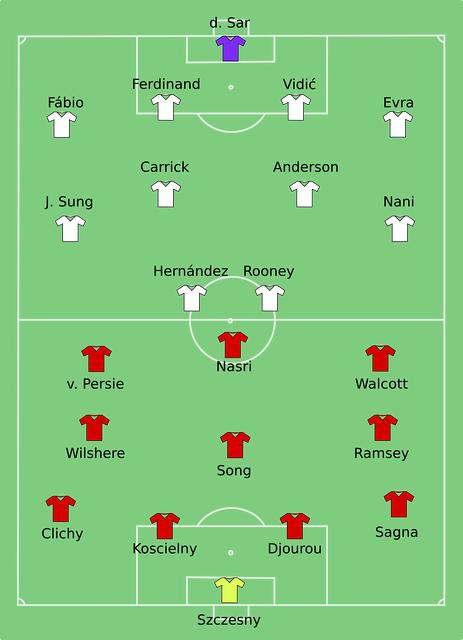
Tactical Formations: 4-4-2, 4-3-3, and 3-5-2
In a soccer game, teams typically set up in various tactical formations to maximize their strengths and counter their opponents. The most common formations include 4-4-2, 4-3-3, and 3-5-2. Each formation dictates the number of players in different positions on the field, ranging from defenders to midfielders to forwards. Let’s break down these formations to understand how many positions each team has and how they can impact the game.
- 4-4-2 Formation: This formation consists of four defenders, four midfielders, and two forwards. The defenders are typically divided into two centre-backs and two full-backs. The midfielders are usually split into two central midfielders and two wide midfielders. The two forwards work together to create scoring opportunities.
- 4-3-3 Formation: With four defenders, three midfielders, and three forwards, this formation focuses on offensive play. The defenders maintain a solid backline, while the midfielders support both defense and attack. The three forwards provide multiple options for scoring goals.
- 3-5-2 Formation: In this formation, teams deploy three defenders, five midfielders, and two forwards. The three defenders form a strong defensive unit, while the five midfielders control the midfield area. The two forwards work together to break down the opponent’s defense.
Overall, the number of positions per team in a soccer game varies depending on the tactical formation used. Understanding these formations can help both players and fans analyze and appreciate the strategies employed by teams on the field.

Positional Flexibility: The Importance of Versatility in Soccer
Soccer is a dynamic sport that requires players to be versatile and adaptable on the field. Positional flexibility is crucial in soccer, as it allows players to seamlessly transition between different positions based on the team’s needs. This versatility not only adds depth to a team’s lineup but also provides strategic advantages during a game.
Having players who can excel in multiple positions can be a game-changer for a team. For example, a midfielder who is comfortable playing as a full-back can provide defensive support while still contributing to the team’s attacking efforts. Similarly, a forward who can drop back and play as a central midfielder adds a different dimension to the team’s gameplay.
Teams typically have a set formation that dictates the number of players in each position on the field. The most common formations in soccer include 4-4-2, 4-3-3, and 3-5-2, among others. Each formation requires a specific number of players in various positions, highlighting the importance of positional flexibility.
Ultimately, the ability to play multiple positions not only benefits the team as a whole but also helps individual players develop a well-rounded skill set. Embracing versatility in soccer can lead to a more dynamic and successful team on the field.
Substitute Players: Impact of Bench Players on Team Performance
In a soccer game, the impact of substitute players on team performance can be significant. Having a strong bench can make all the difference in a close match, as fresh legs and new tactics can change the course of the game. But just how many positions do teams have in a soccer game, and what roles do substitute players play?
Typically, a soccer team has 11 starting players on the field at the beginning of a match. These players are responsible for different positions, such as goalkeeper, defenders, midfielders, and forwards. However, teams are allowed to make up to three substitutions during a game, which means that there can be a total of 14 players actively involved in a match.
Substitute players are often used strategically by coaches to bring a new dynamic to the game. They can come in to replace tired or injured players, provide a fresh perspective, or even change the formation of the team. It’s important for substitute players to be ready to step up and make an impact when called upon, as their performance can determine the outcome of the game.
Overall, the number of positions per team in a soccer game can vary depending on the strategy and tactics employed by the coach. Having a strong bench with versatile players can be essential for success, as substitute players have the potential to make a significant difference in team performance.
Rotation Strategy: Managing Player Fatigue and Injury Risk
When it comes to soccer games, managing player fatigue and injury risk is crucial for a team’s success. One way to address this issue is through a rotation strategy, where players are strategically rotated in and out of games to ensure they stay fresh and avoid overexertion. This not only helps prevent injuries but also allows for better performance on the field.
By rotating players, coaches can also give opportunities to different squad members, helping them gain experience and build confidence. It also allows for tactical flexibility, as different players bring different strengths and playing styles to the team. This can help keep opponents guessing and give the team an edge in matches.
Ultimately, the goal of a rotation strategy is to keep players healthy and performing at their best throughout the season. By managing player fatigue and injury risk effectively, teams can increase their chances of success and maintain a competitive edge in the game.

Specialized Roles: Set-piece Takers, Utility Players, and Captains
When it comes to soccer, there are a variety of specialized roles that players can take on to contribute to their team’s success. Set-piece takers are players who excel at taking free kicks, corner kicks, and penalty kicks. These players have the ability to deliver precision shots that can lead to scoring opportunities for their team.
Utility players are versatile athletes who can adapt to different positions on the field as needed. They are valuable assets to any team because they can fill in gaps where they are most needed, whether it be in defense, midfield, or attack. These players are known for their adaptability and ability to perform well in any role.
Captains play a crucial role in leading their team both on and off the field. They are responsible for motivating their teammates, making strategic decisions during games, and acting as the liaison between players and coaching staff. Captains are natural leaders who set the tone for their team’s performance and are often respected for their leadership qualities.
Key Takeaways
Next time you watch a soccer game, you’ll have a better understanding of the different positions on the field and their roles. With this knowledge, you’ll appreciate the intricate strategy and teamwork that goes into each match. So, sit back, relax, and enjoy the beautiful game with a newfound appreciation for the players and their positions.


