

Endurance Test: Which Soccer Position Runs the Most?
Have you ever wondered which soccer position covers the most ground during a match? With players constantly in motion, it’s a fascinating question to explore. In this article, we delve into the endurance test of various soccer positions to find out which one runs the most on the field. Let’s uncover the truth behind the running statistics of each position and discover the athletic demands of the beautiful game.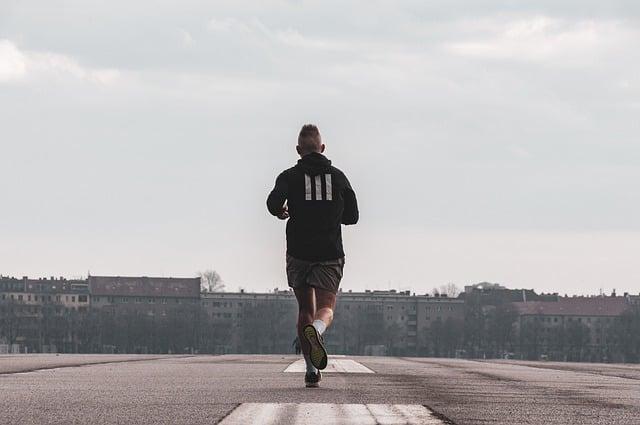
Contents
- 1 Heading 1: The Importance of Endurance in Soccer
- 2 Endurance Test: Which Soccer Position Runs the Most?
- 3 Heading 2: Analyzing Different Positions’ Running Requirements
- 4 Heading 3: Midfielders: The Engine of the Team
- 5 Heading 4: Strikers: Sprints and Explosive Movements
- 6 Heading 5: Defenders: The Backbone of the Defense
- 7 Heading 6: Goalkeepers: Stealthy Players with Strategic Movements
- 8 Heading 7: Strategies to Improve Endurance for Each Position
- 9 Heading 8: Insights from Professional Players and Coaches
- 10 Heading 9: The Role of Nutrition and Conditioning in Endurance
- 11 Endurance Test: Which Soccer Position Runs the Most?
- 12 Heading 10: Conclusion: Enhancing Endurance for Overall Performance in Soccer
- 13 Closing Remarks
Heading 1: The Importance of Endurance in Soccer
Endurance Test: Which Soccer Position Runs the Most?
Endurance is a crucial aspect of playing soccer, as it allows players to maintain peak performance throughout the duration of a match. In a sport where constant movement and high-intensity activities are required, having good endurance can give players a significant advantage on the field.
When it comes to which soccer position runs the most, midfielders typically cover the most distance during a game. This is due to their role in both defending and attacking, requiring them to constantly run up and down the field to support their team in various situations. Midfielders are often regarded as the engine room of the team, contributing both offensively and defensively.
Defenders also require good endurance, as they are responsible for tracking opposing players and closing down space to prevent goals. While they may not cover as much ground as midfielders, defenders still need to have the stamina to keep up with the pace of the game and make timely interventions when needed.
Forwards, on the other hand, may not run as much as midfielders or defenders, but they still need good endurance to make explosive sprints and capitalize on scoring opportunities. A forward’s ability to make well-timed runs and keep up with the game’s pace can make all the difference in a match.

Heading 2: Analyzing Different Positions’ Running Requirements
When it comes to soccer, different positions require different levels of running and endurance. Understanding the running requirements of each position can help players tailor their training regimen to excel on the field. Let’s analyze the running demands of various soccer positions to determine which position runs the most during a game.
Goalkeeper: Goalkeepers typically cover the least amount of ground compared to other positions on the field. They focus more on agility, diving, and quick reactions rather than running long distances.
Defenders: Defenders have a crucial role in the team’s defense, requiring them to cover a significant amount of ground throughout the game. They need to have good stamina to keep up with attackers and make crucial tackles and interceptions.
Midfielders: Midfielders are often considered the engine room of the team, responsible for both defending and attacking. They cover a lot of ground during a game, supporting both the defense and the offense, making them some of the highest runners on the field.
Forwards: Forwards are the players responsible for scoring goals, requiring them to make quick sprints and movements to get into scoring positions. While they may not cover as much ground as midfielders, forwards need explosive speed and agility to capitalize on scoring opportunities.
Heading 3: Midfielders: The Engine of the Team
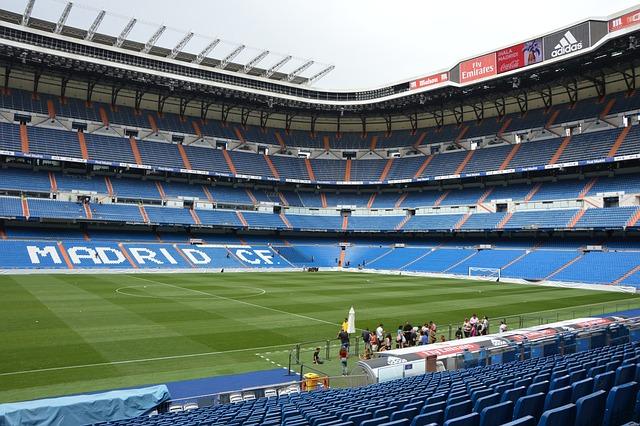
Midfielders are often referred to as the engine of the team, and for good reason. They play a crucial role in controlling the flow of the game, connecting the defense to the attack, and providing support on both ends of the field. In terms of endurance, midfielders are required to cover a significant amount of ground throughout a match, making them some of the fittest players on the pitch.
Being in the center of the action, midfielders have to be constantly on the move, both offensively and defensively. They need to be able to sprint forward to join the attack, track back to defend, and provide passing options for their teammates. This dynamic role requires exceptional stamina and endurance to keep up with the pace of the game and make an impact throughout the full 90 minutes.
In a study conducted by FIFA, it was found that midfielders cover the most distance during a match compared to other positions on the field. On average, a midfielder runs between 10-13 kilometers per game, showcasing their incredible work rate and physicality. This data further emphasizes the importance of midfielders in dictating the tempo of the game and being the driving force behind a team’s success.
Overall, the endurance test of which soccer position runs the most undoubtedly falls on the shoulders of midfielders. Their ability to cover ground, support their teammates, and make key plays throughout the game showcases their integral role in the team’s overall performance.
Heading 4: Strikers: Sprints and Explosive Movements
Strikers: Sprints and Explosive Movements
Strikers in soccer are known for their explosive speed and agility on the field. They are tasked with making quick sprints to beat defenders and score goals for their team. The position requires a combination of power, endurance, and acceleration to outmaneuver opposing players.
Strikers need to be able to make quick bursts of speed to create scoring opportunities. They often rely on their physical conditioning to maintain their speed throughout a game. This position requires a high level of cardiovascular fitness and strength to perform at their best.
Being a striker is not just about running the most distance on the field, but about making strategic sprints and explosive movements to capitalize on scoring chances. It’s a demanding position that requires both physical and mental toughness to succeed.
Heading 5: Defenders: The Backbone of the Defense
Defenders are often overlooked on the soccer field, but they are truly the backbone of the defense. They play a crucial role in protecting the goal and stopping the opposition from scoring. Defenders need to be strong, agile, and have excellent decision-making skills to excel in their position.
One of the key responsibilities of defenders is to track back and help out the goalkeeper when the team is under pressure. This requires a high level of endurance and stamina, as defenders are constantly running up and down the field throughout the game. In fact, defenders are known to cover some of the most distance during a match compared to other positions.
Defenders also need to have good communication skills to coordinate with their teammates and ensure that everyone is in the right position to defend against the opposition’s attacks. They need to be able to read the game well and anticipate the movements of the opposing players to intercept passes, make tackles, and clear the ball from danger.
In conclusion, defenders play a vital role in a soccer team’s success. They may not always get the glory or recognition that forwards do, but their hard work and dedication on the field are essential for keeping the opposition at bay and securing victories for their team.
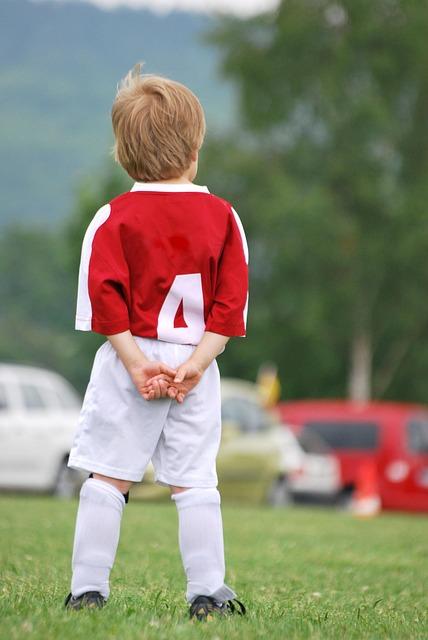
Heading 6: Goalkeepers: Stealthy Players with Strategic Movements
Goalkeepers are often the unsung heroes of a soccer team, but their importance cannot be overstated. With their stealthy movements and strategic positioning, goalkeepers play a crucial role in keeping the opposing team from scoring. Their ability to anticipate plays and react quickly to shots on goal is a testament to their athleticism and skill.
Unlike other players on the field, goalkeepers have the unique task of not only making saves but also organizing their defense and reading the game. This requires a high level of concentration and mental acuity, as well as physical agility. Goalkeepers must be able to cover a large portion of the goal area in a matter of seconds, making split-second decisions that can mean the difference between a save and a goal.
In terms of endurance, goalkeepers may not run as much as outfield players during a match, but they are constantly on the move within their penalty area. From diving saves to quick reflexes, goalkeepers must be in top physical condition to withstand the demands of their position. Their ability to stay focused and react quickly to the ever-changing dynamics of the game is what sets them apart as elite athletes.
Next time you’re watching a soccer match, pay close attention to the goalkeeper and marvel at their stealthy movements and strategic plays. They may not run the most on the field, but their endurance and agility make them invaluable members of any team.
Heading 7: Strategies to Improve Endurance for Each Position
In order to improve endurance for each soccer position, it’s important to tailor your training specifically to the demands of that position on the field. Here are some strategies to help you boost your stamina and performance:
**Goalkeeper:**
– Focus on explosive movements and quick reflexes
– Incorporate interval training to simulate game situations
– Work on core strength and agility to enhance diving and saving abilities
**Defender:**
– Emphasize endurance and stamina through long-distance running
– Include strength training to improve tackling and sprinting capabilities
– Practice recovery drills to maintain high intensity throughout the game
**Midfielder:**
– Work on both aerobic and anaerobic fitness for versatility on the field
– Incorporate high-intensity interval training for quick bursts of energy
– Focus on ball control and passing to conserve energy during possession
**Forward:**
– Prioritize speed and endurance to make explosive runs and goal-scoring opportunities
– Include interval training to improve sprinting ability and recovery time
– Work on finishing drills to capitalize on scoring chances during game situations
By tailoring your training to the specific demands of your position, you can improve your endurance and excel on the field. Remember to stay consistent with your training regimen and listen to your body to avoid overtraining and injuries.
Heading 8: Insights from Professional Players and Coaches
Professional soccer players and coaches have long debated which position on the field requires the most endurance. While all players need to have stamina to last the full 90 minutes, certain positions tend to cover more ground than others throughout a game.
According to insights from top professionals in the sport, midfielders are often seen as the players who run the most during a match. Their role involves both offensive and defensive responsibilities, requiring them to constantly move up and down the field to support their teammates.
Defenders also have a reputation for covering a significant amount of distance during a game. While they may not always be as flashy as the strikers or midfielders, defenders play a crucial role in preventing the opposing team from scoring and often find themselves chasing after fast-paced attackers.
On the other hand, strikers may not run as much as midfielders or defenders, but their runs are typically more intense and explosive. Strikers focus on making quick sprints to create scoring opportunities, which can be physically demanding in its own right.

Heading 9: The Role of Nutrition and Conditioning in Endurance
Endurance Test: Which Soccer Position Runs the Most?
In the fast-paced world of soccer, endurance is a key factor that can make or break a player’s performance on the field. The role of nutrition and conditioning plays a crucial part in ensuring that players have the stamina and energy to last throughout the game. Each player’s position on the field can also impact their running distance and overall endurance levels.
When it comes to endurance testing in soccer, midfielders are often recognized as the players who cover the most ground during a match. With responsibilities both defensively and offensively, midfielders are required to run up and down the field, making tackles, distributing the ball, and providing support to both the defense and attack. Their constant movement and work rate demand high levels of endurance and fitness.
On the other hand, forwards are known for their explosive sprints and quick bursts of speed to create scoring opportunities. While they may not cover as much distance as midfielders over the course of a game, forwards still require good endurance to keep up with the pace of play and make crucial runs into the opposition’s penalty area.
Defenders, though they may not run as much as midfielders or forwards, still need to have solid endurance levels to keep up with the game’s demands. Their role involves constant communication and positioning to outsmart the opposition, requiring them to be physically fit and able to react quickly to changing situations.

Heading 10: Conclusion: Enhancing Endurance for Overall Performance in Soccer
In conclusion, enhancing endurance is crucial for overall performance in soccer. Whether you’re a defender, midfielder, or striker, having the stamina to keep up with the demands of the game can make a significant difference in your performance on the field.
By incorporating regular endurance training into your routine, you can improve your cardiovascular fitness, increase your stamina, and reduce the risk of fatigue during matches. This will not only benefit your individual performance but also contribute to the overall success of your team.
Remember, endurance is not just about running long distances but also about maintaining a high level of intensity throughout the game. By focusing on both aerobic and anaerobic conditioning, you can become a more well-rounded player and excel in any position on the soccer field.
So, next time you hit the field, challenge yourself to push your limits and see how your enhanced endurance can elevate your game to new heights.
Closing Remarks
In conclusion, the question of which soccer position runs the most is a complex one with various factors to consider. While midfielders generally cover the most distance during a match, the endurance and physical demands of each position should not be overlooked. Players in different roles face unique challenges that require a diverse range of skills and physical abilities. Ultimately, every position on the soccer field plays a crucial role in the team’s success, highlighting the importance of well-rounded athleticism in the beautiful game.


