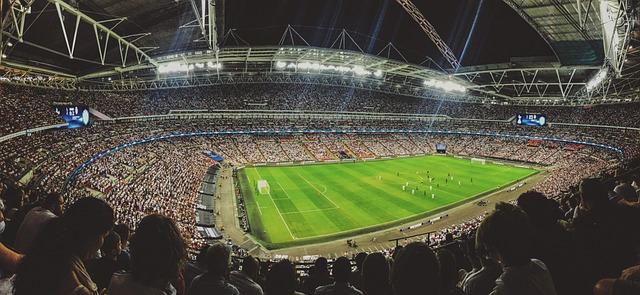
Deep Dive: Exploring the 6 Position in Soccer!
Are you ready to dive deep into the world of soccer tactics? In this article, we’ll be exploring the highly important and versatile 6 position on the field. From defensive duties to playmaking responsibilities, we’ll break down everything you need to know about this key role in the beautiful game. So lace up your boots and get ready to uncover the secrets of the 6 position in soccer!
Contents
- 1 Introduction
- 2 The role of the 6 position in soccer
- 3 Defensive responsibilities of the number 6
- 4 Offensive contributions and playmaking abilities
- 5 Tactical positioning and decision-making on the field
- 6 Key skills and attributes required for the number 6 position
- 7 Training tips to excel as a defensive midfielder
- 8 Mental approach and leadership qualities of a successful number 6
- 9 The evolution of the number 6 role in modern soccer
- 10 Performance analysis and case studies of top number 6 players
- 11 Case Study: Sergio Busquets
- 12 Case Study: Fabinho
- 13 Case Study: Joshua Kimmich
- 14 The Way Forward
Introduction
Are you ready to delve into the intricacies of the 6 position in soccer? This often overlooked role is crucial for a team’s success on the field. The player in this position must possess a unique combination of skills to excel in both offensive and defensive duties. Let’s break down what makes the 6 position so essential in the beautiful game.
First and foremost, the number 6 player is typically known as the defensive midfielder. This player acts as a shield for the backline, intercepting passes, breaking up opposition attacks, and distributing the ball to more attacking players. The 6 position requires exceptional vision, intelligence, and positioning to anticipate the flow of the game and make critical decisions on the field.
In addition to their defensive responsibilities, the number 6 player also plays a pivotal role in initiating their team’s attacks. With the ability to read the game and distribute the ball effectively, the 6 position sets the tone for their team’s style of play. They act as the link between the defense and midfield, dictating the rhythm of the game and creating scoring opportunities for their teammates.
In conclusion, the 6 position in soccer is a dynamic and influential role that requires a diverse skill set. From defensive prowess to creative playmaking, the player in this position must be a versatile asset to their team. Stay tuned as we delve deeper into the strategies and tactics that make the number 6 player an essential component of successful soccer teams.
The role of the 6 position in soccer
When it comes to the beautiful game of soccer, each position on the field plays a crucial role in the success of the team. One position that often goes unnoticed but is vital to a team’s performance is the 6 position. Also known as the defensive midfielder or holding midfielder, the player in this position acts as the anchor between the defense and the attack, providing stability and control in the midfield.
The 6 position requires a player with exceptional tactical awareness, strong defensive skills, and the ability to distribute the ball effectively. This player acts as a shield for the defense, intercepting passes, breaking up opposition attacks, and initiating offensive plays. In essence, the 6 position is the engine that keeps the team running smoothly on both ends of the field.
One of the key responsibilities of the 6 position is to dictate the tempo of the game. By controlling the pace of play, this player can dictate when to press the opposition, when to slow down the game, and when to launch quick counterattacks. As such, the 6 position is often referred to as the “heartbeat” of the team, setting the rhythm and tone for the entire match.
Overall, the 6 position in soccer is a versatile and demanding role that requires a unique set of skills. From breaking up opposition attacks to distributing the ball with precision, the player in this position must be a master of both defensive and offensive aspects of the game. Without a solid 6, a team can struggle to maintain stability and control in the midfield, making this position a crucial piece of the puzzle in any successful soccer team.
Defensive responsibilities of the number 6
When it comes to the number 6 position in soccer, defensive responsibilities are paramount. The number 6, also known as the defensive midfielder, plays a crucial role in protecting the backline and breaking up the opponent’s attacks. Here are some key defensive duties that the number 6 must excel at:
- Intercepting passes: The number 6 must have excellent anticipation skills to intercept passes from the opposition and regain possession for their team.
- Pressing opponents: Pressing high up the pitch and putting pressure on the opposing team’s midfielders is a key responsibility of the number 6.
- Marking: Marking the opponent’s key playmakers and disrupting their rhythm is another important defensive task for the number 6.
- Supporting the defense: The number 6 must provide cover for the center-backs and full-backs, ensuring that there are no gaps in the defensive line.
| Key |
|---|
| Intercepting passes |
| Pressing opponents |
| Marking key players |
| Supporting the defense |
Offensive contributions and playmaking abilities
When it comes to the 6 position in soccer, are crucial aspects that set top players apart from the rest. The 6 position, also known as the defensive midfielder, plays a key role in both defense and attack, making them a versatile and important player on the pitch.
One of the main responsibilities of a 6 is to contribute offensively by creating goal-scoring opportunities for their team. This can be done through precise passing, intelligent movement off the ball, and the ability to make decisive plays in the final third. A skilled 6 will have the vision and creativity to unlock defenses and set up their teammates for scoring chances.
In addition to their offensive contributions, a quality 6 also possesses exceptional playmaking abilities. This includes the ability to control the tempo of the game, dictate the flow of play, and provide a solid link between the defense and attack. A strong 6 will be able to read the game well, anticipate opposition movements, and make smart decisions under pressure.
| Key Attributes of a Top 6 Player |
|---|
| Technical skill |
| Vision and creativity |
| Decision-making under pressure |
| Ability to read the game |

Tactical positioning and decision-making on the field
Understanding the 6 Position in Soccer
When it comes to , the role of the number 6 player is crucial. This player, often referred to as the defensive midfielder, serves as the link between the defense and the attack. Their primary responsibility is to break up opposition attacks and initiate their team’s own offensive plays.
Key characteristics of a successful number 6 player include strong defensive skills, excellent passing ability, and high soccer IQ. This player must be capable of reading the game, anticipating the opposition’s moves, and providing support to both the defensive line and the midfielders.
On the field, the number 6 player is typically positioned just in front of the defense, acting as a shield to protect the backline. Their positioning allows them to intercept passes, win back possession, and distribute the ball effectively to start attacks. It’s essential for the number 6 player to stay disciplined and focused throughout the game, as their decisions can make a significant impact on the team’s overall performance.

Key skills and attributes required for the number 6 position
When it comes to playing as a number 6 in soccer, there are a few key skills and attributes that are essential for success in this position. This role requires a player who can do it all – from breaking up opposition attacks to dictating the tempo of the game. Here are some of the :
- Excellent Passing: A number 6 needs to be able to distribute the ball effectively and accurately. This player should be comfortable playing short, simple passes to maintain possession, as well as long, diagonal passes to switch the play.
- Positional Awareness: The number 6 must have a strong understanding of positioning on the field. This player needs to know when to drop deep to support the defense and when to push forward to join the attack.
- Tactical Understanding: It is crucial for a number 6 to have a good tactical understanding of the game. This player should be able to read the game, anticipate opposition movements, and make decisions quickly.
- Defensive Skills: While the number 6 is primarily a playmaker, they also need to be strong defensively. This player should be able to intercept passes, win tackles, and provide cover for the backline.
Training tips to excel as a defensive midfielder
As a defensive midfielder, you play a critical role in protecting your team’s defense and initiating attacking plays. Here are some training tips to help you excel in this important position:
- Improve Your Defensive Skills: Focus on honing your tackling, marking, and interception abilities to disrupt the opposing team’s attacks effectively.
- Enhance Your Passing Accuracy: Work on improving your passing precision and vision to distribute the ball efficiently to your teammates and maintain possession.
- Develop Your Physical Fitness: Build your stamina, speed, and agility to cover a large area of the pitch, track back defensively, and support your team in both attack and defense.
- Master Tactical Awareness: Understand your positional responsibilities, anticipate the opponent’s movements, and communicate effectively with your teammates to maintain a solid defensive shape.
| Training Drills | Duration | Repetitions |
|---|---|---|
| Passing Accuracy Drills | 30 minutes | 10 sets |
| Defensive Positioning Practice | 45 minutes | 8 sets |
| Agility and Speed Training | 60 minutes | 6 sets |
Mental approach and leadership qualities of a successful number 6
The number 6 position in soccer is often regarded as one of the most crucial roles on the field. Success in this position requires a unique mental approach and exceptional leadership qualities. A successful number 6 player needs to possess a combination of tactical awareness, composure under pressure, and strong decision-making skills.
Here are some key mental attributes and leadership qualities that are essential for a successful number 6 player:
- Vision: A number 6 player needs to have excellent vision on the field, anticipating plays and positioning themselves strategically to intercept passes and break up opposition attacks.
- Communication: Effective communication is vital for a number 6 player, as they need to be able to organize and direct their teammates, ensuring that everyone is on the same page tactically.
- Composure: In high-pressure situations, a successful number 6 player remains calm and composed, making smart decisions and guiding their team to victory.
- Leadership: A number 6 player often acts as a leader on the field, setting an example for their teammates through their work ethic, determination, and positive attitude.
| Attribute | Importance |
| Vision | High |
| Communication | High |
| Composure | High |
| Leadership | High |

The evolution of the number 6 role in modern soccer
The role of the number 6 player in soccer has evolved significantly over the years, becoming one of the most crucial positions on the field. This player, also known as the defensive midfielder, acts as the link between the defense and the attack, providing stability and control in the midfield.
In modern soccer, the number 6 player is expected to possess a wide range of skills and abilities, including:
- Excellent defensive qualities: The number 6 player must be able to break up opposition attacks, win back possession, and provide protection for the defense.
- Distribution and passing ability: They need to be able to distribute the ball effectively, switch play, and initiate attacks from deep positions.
- Leadership and communication: The number 6 player often acts as a leader on the field, organizing the team, directing play, and providing vocal support to teammates.
Furthermore, the evolution of tactics in modern soccer has led to the number 6 player becoming more versatile and dynamic. They are no longer just defensive specialists but also contribute to the team’s attacking play, often playing a key role in build-up and transitions.

Performance analysis and case studies of top number 6 players
When it comes to the number 6 position in soccer, it is often said to be one of the most crucial roles on the field. This player typically sits in front of the defense, acting as a shield to the backline and a pivot point for launching attacks. Let’s take a deep dive into the performance analysis and case studies of some of the top number 6 players in the world.
Case Study: Sergio Busquets
Sergio Busquets, the Spanish midfielder for Barcelona, is renowned for his impeccable passing accuracy and ability to dictate the tempo of the game. His positional awareness and defensive capabilities make him a standout number 6 player.
Case Study: Fabinho
Fabinho, the Brazilian midfielder for Liverpool, is known for his physicality and ability to break up opposition attacks. His versatility allows him to excel both defensively and in the build-up play, making him a key player in his team’s success.
Case Study: Joshua Kimmich
Joshua Kimmich, the German midfielder for Bayern Munich, is a dynamic player who combines defensive solidity with attacking flair. His work rate and tactical intelligence make him a complete modern-day number 6.
The Way Forward
As you can see, the 6 position in soccer is a pivotal role that requires a unique combination of skills and tactical awareness. By understanding the responsibilities and nuances of this position, players can elevate their game and make a significant impact on the field. So, next time you watch a match, pay close attention to the 6 and appreciate the crucial role they play in shaping the outcome of the game. Keep practicing, stay focused, and always strive to deepen your knowledge of the beautiful game. Good luck on your soccer journey!