Nutrition Unveiled: What Should a Soccer Player Eat?
Welcome to the world of soccer nutrition! Whether you’re a passionate player or simply curious about what fuels these high-performing athletes, you’ve come to the right place. As the saying goes, "you are what you eat," and this holds true on the soccer field too. In this article, we will uncover the secrets behind a soccer player’s diet, revealing the essential nutrients, optimal meal timings, and dietary guidelines that pave the way to success. From energetic warm-ups to goal-scoring sprints, get ready to unlock the keys to peak performance by diving deep into the fascinating world of soccer nutrition. So lace up your cleats, grab a bottle of water, and let’s unveil the ultimate recipe for soccer success!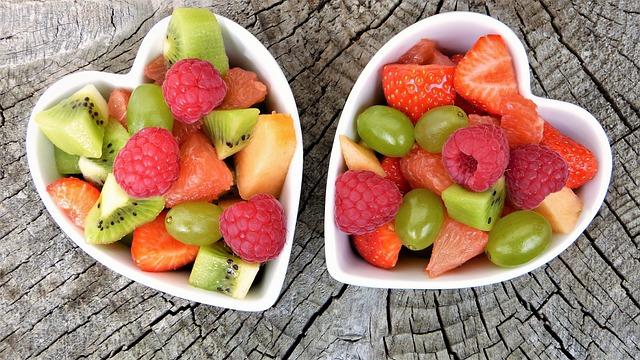
Contents
- 1 Nutrition Unveiled: What Should a Soccer Player Eat?
- 2 1. Carbohydrates:
- 3 2. Protein:
- 4 3. Hydration:
- 5 4. Vitamins and Minerals:
- 6 1. Understanding the Importance of Proper Nutrition for Soccer Players
- 7 2. Fueling the Game: Key Macronutrients for Optimal Performance
- 8 3. The Role of Carbohydrates in a Soccer Player’s Diet: What, When, and How Much?
- 9 4. Powering Performance: The Essential Role of Protein for Soccer Players
- 10 5. Healthy Fats: Why They Should Be Included in a Soccer Player’s Diet
- 11 6. Timing is Everything: Pre- and Post-Match Nutrition Strategies
- 12 7. Hydration for Success: The Significance of Proper Fluid Intake for Soccer Players
- 13 8. Boosting Energy Levels: Incorporating Fruit and Vegetables in a Soccer Player’s Diet
- 14 9. The Impact of Micronutrients: Essential Vitamins and Minerals Every Soccer Player Should Consider
- 15 Micronutrients for Soccer Players
- 16 10. Tailoring the Diet: Individual Variation and Customized Nutritional Plans for Soccer Players
- 17 Key Takeaways
Nutrition Unveiled: What Should a Soccer Player Eat?
Proper nutrition plays a crucial role in optimizing a soccer player’s performance on the field. Fuelling your body with the right nutrients can enhance endurance, increase strength, and improve overall athleticism. So, what should a soccer player eat to maximize their potential? Here’s a breakdown of the key components of a soccer player’s diet:
1. Carbohydrates:
Carbohydrates are the primary fuel source for athletes, providing the energy needed for intense workouts and matches. Opt for complex carbohydrates like whole grains, brown rice, quinoa, and sweet potatoes, as they release energy slowly and sustainably. Include these in every meal to maintain steady blood sugar levels throughout the day.
2. Protein:
Proteins are essential for muscle repair and growth. As a soccer player, aim for a sufficient intake of lean proteins such as chicken, fish, tofu, legumes, and eggs. These will aid in the recovery process, helping you build stronger muscles and prevent injuries.
3. Hydration:
Stay hydrated before, during, and after training sessions and matches. Proper hydration ensures optimal performance and helps regulate body temperature. Water is always the best choice, but you can also replenish electrolytes with sports drinks or natural alternatives like coconut water.
4. Vitamins and Minerals:
Include a variety of fruits and vegetables in your meals to provide the necessary vitamins and minerals. These nutrients are vital for a healthy immune system, enhanced recovery, and reducing the risk of injury. Incorporate colorful fruits and vegetables to ensure a wide range of nutrients.
Remember, each player is unique, and individual needs may vary. Pay attention to your body’s response to different foods and adjust accordingly. It’s always best to consult a registered dietitian who specializes in sports nutrition to create a personalized meal plan.
| Meal Example | Menu |
|---|---|
| Breakfast | Whole grain toast with avocado and eggs Orange juice Yogurt with mixed berries |
| Lunch | Grilled chicken breast with quinoa and roasted vegetables Green salad with balsamic dressing |
| Snack | Protein smoothie with banana, spinach, almond milk, and whey protein powder Handful of nuts |
| Dinner | Salmon fillet with brown rice and steamed broccoli Grilled asparagus Fruit salad |
1. Understanding the Importance of Proper Nutrition for Soccer Players
Proper nutrition plays a pivotal role in enhancing the performance of soccer players on the field. What a player consumes directly impacts their energy levels, stamina, and overall health. To excel in the game, it is crucial for soccer players to fuel their bodies with the right combination of nutrients.
So, what should a soccer player eat? Let’s dive into the essentials:
1. Carbohydrates: These serve as the primary source of energy for soccer players. Incorporate complex carbohydrates like whole grains, fruits, and vegetables into your diet. These will provide sustained energy throughout the game.
2. Protein: Protein is essential for muscle repair and recovery. Include lean meats, fish, eggs, and plant-based sources like legumes, tofu, and quinoa in your meals. Aim for a balanced protein intake to support muscle growth and repair.
3. Hydration: Staying hydrated is paramount for optimal performance. Drink plenty of water before, during, and after training and games. Water ensures proper digestion, regulates body temperature, and helps prevent muscle cramps.
4. Vitamins and minerals: These micronutrients are vital for overall health and well-being. Incorporate a variety of fruits and vegetables into your diet to obtain essential vitamins and minerals such as vitamin C, vitamin D, calcium, and iron.
Remember, individual nutritional needs may vary based on factors such as age, gender, and activity level. Consulting a registered dietitian can help tailor a nutrition plan that suits your specific requirements. A well-balanced diet, coupled with regular training and exercise, is the winning combination to fuel your performance on the soccer field.
2. Fueling the Game: Key Macronutrients for Optimal Performance
Eating the right foods is crucial for soccer players looking to perform at their best on the field. To ensure optimal performance, it’s important to fuel the game with key macronutrients that provide the necessary energy and nutrients.
1. Carbohydrates: These are the primary source of energy for soccer players. They are quickly converted into glucose, which is used by the muscles for fuel. Opt for complex carbohydrates such as whole grains, fruits, and vegetables, which provide a steady release of energy throughout the game. Avoid refined sugars and processed foods that can cause energy crashes.
2. Protein: Protein is essential for muscle repair and growth. Consuming enough protein helps maintain muscle mass and aids in recovery after intense physical activity. Good sources of protein include lean meats, poultry, fish, eggs, dairy products, and plant-based sources like beans and legumes.
3. Healthy Fats: While fats often get a bad reputation, they are an important part of a soccer player’s diet. Healthy fats, such as those found in avocados, nuts, seeds, and oily fish, provide a slow release of energy and help support brain function. Avoid unhealthy fats found in fried and processed foods.
4. Hydration: Staying properly hydrated is essential for optimal performance on the field. Dehydration can lead to fatigue, poor concentration, and decreased performance. Drink plenty of water before, during, and after games and practices. Electrolyte-rich drinks are also beneficial for replenishing lost minerals during intense physical activity.
Incorporating these key macronutrients into a soccer player’s diet can help ensure they are properly fueled for optimal performance. Remember to consult with a nutritionist or sports dietitian for personalized advice and recommendations based on individual needs and goals. Don’t underestimate the power of nutrition in enhancing your game!
3. The Role of Carbohydrates in a Soccer Player’s Diet: What, When, and How Much?
Carbohydrates play a critical role in fueling a soccer player’s performance on the field. They are the primary source of energy for high-intensity exercise and help maintain optimal muscle glycogen levels, which are essential for endurance and sprinting.
But what exactly should a soccer player eat when it comes to carbohydrates? Firstly, it’s important to focus on consuming complex carbohydrates, such as whole grains, fruits, and vegetables, as they provide a steady release of energy. These foods should make up a significant portion of a player’s diet to ensure sustained energy levels throughout training sessions and matches.
Timing is also crucial. Soccer players should consume carbohydrates both before and after training sessions and games to enhance performance and aid in recovery. Consuming a pre-game meal rich in carbohydrates, like pasta or rice, a few hours before kick-off can help top up glycogen stores and provide the necessary energy for optimal performance. Additionally, post-game snacks or meals should include carbohydrates and protein to facilitate muscle repair and glycogen replenishment.
So, how much carbohydrates should a soccer player consume? The specific amount can vary depending on factors such as the player’s age, sex, body composition, and training volume. However, a general guideline is to aim for around 6-10 grams of carbohydrates per kilogram of body weight per day. For example, a 70kg player would require approximately 420-700 grams of carbohydrates daily to meet their energy needs adequately.
Benefits of Carbohydrates in a Soccer Player’s Diet:
- Provide energy for high-intensity exercise
- Maintain optimal muscle glycogen levels
- Aid in endurance and sprinting
- Facilitate muscle repair and recovery
Summing It Up:
In conclusion, carbohydrates are vital for a soccer player’s diet. Consuming complex carbohydrates, timing meals around training sessions and games, and ensuring the right amount of carbohydrate intake all contribute to optimal performance and recovery. By understanding the role of carbohydrates and implementing the right strategies, soccer players can gain a competitive edge and fuel their success on the field.

4. Powering Performance: The Essential Role of Protein for Soccer Players
When it comes to fueling their performance on the soccer field, there is one crucial element that every player must pay close attention to: protein. Protein plays a vital role in the body’s ability to repair, strengthen, and build muscle tissues. For soccer players, whose bodies go through intense exertion and physical strain during games and training sessions, consuming an adequate amount of protein is essential.
Protein not only aids in muscle repair, but it also provides the necessary building blocks for muscle growth. Soccer players often require higher protein intake than the average individual due to the demands placed on their bodies. By consuming enough protein, players can support their overall muscle health and enhance their performance on the field.
So, what exactly should soccer players be eating to ensure they are getting enough protein? It is recommended to incorporate a variety of protein sources into their diet, such as:
- Lean meats like chicken, turkey, and beef
- Fish and seafood, which also provide omega-3 fatty acids for joint health
- Dairy products like milk, yogurt, and cheese
- Eggs, which are a complete source of protein
- Plant-based protein sources like beans, lentils, and tofu
It is important for soccer players to consume protein from both animal and plant-based sources to ensure they are getting a well-rounded intake of essential amino acids. A balanced diet that includes a combination of these protein sources will help players meet their nutritional needs and optimize their performance.
| Food Source | Protein Content (per 100g) |
|---|---|
| Chicken Breast | 31g |
| Tuna | 26g |
| Greek Yogurt | 10g |
| Eggs | 13g |
| Black Beans | 8g |
| Tofu | 8g |
In addition to consuming a variety of protein sources, soccer players should also pay attention to the timing of their protein intake. To aid in muscle recovery and growth, it is beneficial to consume protein-rich foods or supplements within an hour after intense physical activity. This helps replenish the body’s energy stores and promotes faster muscle repair.
In conclusion, for soccer players looking to maximize their performance on the field, protein plays a crucial role. By incorporating a variety of protein sources into their diet and paying attention to timing, players can optimize their muscle health and give their bodies the fuel they need for success.
5. Healthy Fats: Why They Should Be Included in a Soccer Player’s Diet
Soccer players put their bodies through intense physical activity and need to fuel themselves with the right nutrients to perform at their best. One important component of a soccer player’s diet is healthy fats.
Contrary to popular belief, not all fats are bad for you. In fact, including healthy fats in your diet can have numerous benefits for soccer players. These fats provide a concentrated source of energy, helping to fuel your workouts and improve your stamina on the field. They also play a crucial role in supporting brain health and can enhance focus and concentration during intense matches.
So, which healthy fats should you include in your diet as a soccer player?
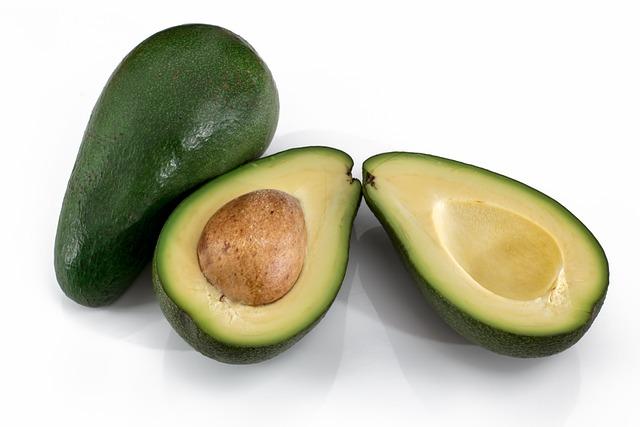
First and foremost, avocados are a fantastic source of healthy fats. They are packed with monounsaturated fats, which can help lower bad cholesterol levels and reduce inflammation in the body. Additionally, avocados are rich in vitamins and minerals, such as vitamin E, potassium, and magnesium, which are important for muscle function and recovery.
Another great option is nuts and seeds. These little powerhouses are packed with healthy fats, fiber, and protein, making them an excellent snack for soccer players. Almonds, walnuts, chia seeds, and flaxseeds are all fantastic choices. Not only do they provide a good dose of healthy fats, but they also contribute to heart health and help to reduce muscle inflammation.
| Healthy Fats to Include in Your Soccer Diet | Benefits |
|---|---|
| Salmon | Rich in omega-3 fatty acids, which reduce inflammation and support heart health |
| Olive oil | Loaded with monounsaturated fats and antioxidants, promoting heart health and reducing inflammation |
| Coconut oil | Contains medium-chain triglycerides that provide quick energy and support brain health |
Incorporating healthy fats into your diet as a soccer player is a no-brainer. These fats provide essential nutrients, promote overall health, and can improve your performance on the field. So, don’t be afraid to include avocados, nuts, seeds, and other healthy fat sources in your meals and snacks. Your body and your game will thank you!

6. Timing is Everything: Pre- and Post-Match Nutrition Strategies
Timing is everything when it comes to fueling a soccer player’s performance on the field. Both pre- and post-match nutrition play crucial roles in optimizing energy levels, recovery, and overall performance. To ensure peak performance, soccer players need to carefully consider their nutrition strategies and make smart choices before and after the game.
Pre-Match Nutrition:
Before hitting the field, soccer players should focus on fueling their bodies with the right combination of carbohydrates, protein, and fluids. Here are some key pre-match nutrition strategies to consider:
1. Carbohydrate Loading: Incorporate complex carbohydrates into your pre-match meal to provide a steady source of energy. Opt for foods like whole grains, pasta, sweet potatoes, or quinoa.
2. Hydration is Key: Start hydrating well before the game to ensure proper fluid levels. Drink water or sports drinks and avoid excessive caffeine or sugary drinks.
3. Snack Smart: If you need a pre-game snack, choose something light and easily digestible. Options like a banana, yogurt, or a handful of nuts can provide the necessary energy without weighing you down.
Post-Match Nutrition:
After the game is over, proper nutrition is essential to aid in recovery and replenish depleted energy stores. Consider the following post-match nutrition strategies:
1. Rehydrate: Replace lost fluids by drinking water or sports drinks. Aim to drink enough to restore hydration levels.
2. Muscle Recovery: Consume a post-match snack or meal that includes a combination of carbohydrates and protein. This will help repair and rebuild muscles. Opt for options like a protein shake, a chicken wrap with veggies, or a balanced meal with lean protein and whole-grain carbohydrates.
3. Timing Matters: Try to consume your post-match meal within 30-60 minutes after the game to optimize recovery and replenishment.
By following these pre- and post-match nutrition strategies, soccer players can ensure they have the energy and endurance to perform at their best on the field. Remember, fueling your body with the right nutrients at the right time can be a game-changer for your performance and overall well-being.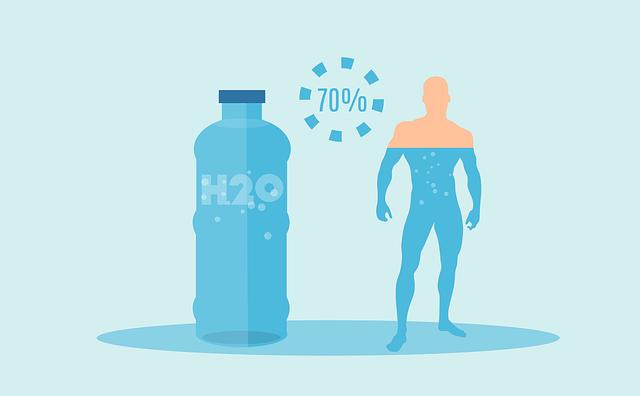
7. Hydration for Success: The Significance of Proper Fluid Intake for Soccer Players
When it comes to nutrition for soccer players, it’s not just about what you eat – proper fluid intake plays a crucial role in your performance on the field. Hydration is often underestimated, yet it can make or break your game. Here’s why paying attention to your hydration levels is essential for success:
1. Improved Performance: Staying hydrated ensures optimal muscle function, which is vital for quick movements, agility, and endurance. Dehydration can lead to fatigue, lack of focus, and slower reaction times. By maintaining proper fluid intake, you’ll be able to perform at your best and outshine your opponents.
2. Enhanced Recovery: Intense training and match play can cause significant fluid loss through sweat. Replenishing your body with fluids is crucial for the efficient delivery of nutrients to your muscles and the removal of waste products. This helps speed up your recovery, reducing the risk of injuries and allowing you to get back on the field faster.
3. Temperature Regulation: Soccer matches are often played in challenging weather conditions, and maintaining the body’s temperature is crucial for peak performance. Proper hydration helps regulate body temperature, preventing overheating and heat-related illnesses. It’s important to drink fluids before, during, and after matches or training sessions to stay cool and focused.
| Fluid Recommendations | Benefits |
|---|---|
| Water | Keeps you hydrated without added sugars or calories |
| Sports drinks | Provides electrolytes for prolonged activities and intense sweating |
| Coconut water | Natural source of electrolytes and a refreshing alternative |
| Fruit juices | Contains vitamins and antioxidants |
4. How to Stay Hydrated: To ensure you’re adequately hydrated, follow these tips:
- Drink water regularly throughout the day, not just during training or matches.
- Monitor your urine color – pale yellow indicates proper hydration.
- Consume electrolyte-rich fluids for intense activities lasting more than an hour.
- Avoid excessive caffeine and alcohol consumption, as they can dehydrate your body.
Remember that proper fluid intake plays a vital role in your performance as a soccer player. Stay hydrated, both on and off the field, to maximize your potential and achieve success.

8. Boosting Energy Levels: Incorporating Fruit and Vegetables in a Soccer Player’s Diet
Soccer players require a tremendous amount of energy to perform at their best on the field. Incorporating fruit and vegetables into their diet is essential in boosting their energy levels and sustaining their overall health. Not only are fruits and vegetables packed with essential vitamins and minerals, but they also provide the necessary carbohydrates, fiber, and antioxidants that aid in recovery and promote optimal performance.
When it comes to fruits, there is a wide range of choices that can easily be integrated into a soccer player’s daily diet. Options such as bananas, oranges, and apples are not only convenient and portable, but they also provide a rich source of natural sugars, which provide an instant energy boost. Additionally, these fruits are high in potassium, a mineral that aids in maintaining muscle function and preventing cramps.
Vegetables, on the other hand, are excellent sources of complex carbohydrates and fiber. Leafy greens like spinach and kale are not only low in calories, but they are also rich in iron, which is essential for transporting oxygen to the muscles. Including a variety of colorful vegetables like bell peppers, broccoli, and carrots ensures a well-rounded intake of vitamins and minerals necessary for energy production and immune system support.
To make it easier for soccer players to incorporate fruit and vegetables into their diet, it is helpful to have a weekly meal plan that includes a variety of options. For instance, starting the day with a fruit smoothie or adding colorful berries to morning cereal can provide an energy boost and kick-start the metabolism. Including a salad or a vegetable-rich stir-fry as part of their lunch or dinner can provide the necessary nutrients for sustained energy throughout the day. Additionally, having fruit as a snack option or incorporating it into pre and post-workout meals can help maintain energy levels and aid in muscle recovery.
In conclusion, a soccer player’s diet should prioritize the inclusion of fruit and vegetables to boost energy levels. By incorporating a variety of colorful options into their meals and snacks, players can reap the benefits of essential vitamins, minerals, and antioxidants that aid in recovery, promote optimal performance, and ensure overall health and well-being. Including fruit and vegetables in their diet is a winning strategy for soccer players looking to enhance their game on and off the field.
9. The Impact of Micronutrients: Essential Vitamins and Minerals Every Soccer Player Should Consider
Micronutrients for Soccer Players
Soccer is a demanding sport that requires both physical and mental stamina. To ensure optimal performance on the field, it is essential for soccer players to pay attention to their nutrition. While macronutrients such as carbohydrates, proteins, and fats are commonly emphasized, the role of micronutrients should not be overlooked.
Micronutrients refer to vitamins and minerals that are vital for various bodily functions. They play a crucial role in metabolism, energy production, immune function, and overall well-being. For soccer players, certain micronutrients hold particular importance due to their impact on performance and recovery.
Vitamins
Vitamins are organic compounds that are necessary in small amounts for normal bodily function. They contribute to energy production, bone health, muscle function, and immune support. Soccer players should focus on incorporating the following vitamins into their diets:
- Vitamin D: Essential for bone health and muscle function. Helps prevent injuries and aids in recovery.
- Vitamin C: Supports the immune system and reduces inflammation. Plays a role in collagen production for joint health.
- Vitamin E: Acts as an antioxidant, protecting cells from damage. Supports muscular health and enhances circulation.
Minerals
Minerals are inorganic substances that are necessary for various bodily functions, including muscle contraction, nerve transmission, and fluid balance. Soccer players should focus on ensuring adequate intake of the following minerals:
- Iron: Vital for oxygen transport in the blood and energy production. Deficiency can lead to fatigue and decreased performance.
- Zinc: Supports immune function and aids in wound healing. Important for muscle repair and recovery.
- Magnesium: Plays a role in energy metabolism, muscle contraction, and nerve function. Helps prevent muscle cramps and aids in sleep quality.
By understanding the impact of micronutrients and incorporating them into their diets, soccer players can optimize their performance, enhance recovery, and stay at the top of their game.

10. Tailoring the Diet: Individual Variation and Customized Nutritional Plans for Soccer Players
When it comes to fueling their bodies for optimal performance, soccer players need to pay close attention to their diet. Every soccer player is unique, and their nutritional needs can vary based on factors such as age, gender, body composition, training intensity, and personal goals. To ensure that players are getting the right nutrients in the right amounts, individual variation and customized nutritional plans are essential.
One key aspect of tailoring the diet for soccer players is understanding macronutrient ratios. Carbohydrates, proteins, and fats play crucial roles in providing energy, building and repairing tissues, and supporting overall health. However, the ideal ratio of these macronutrients may differ from one player to another. For example, an endurance-focused player may benefit from a higher carbohydrate intake, while a strength-focused player may require more protein for muscle growth and recovery.
In addition to macronutrients, micronutrients also play a vital role in a soccer player’s diet. These include vitamins, minerals, and antioxidants, which support various bodily functions and help prevent fatigue, muscle cramps, and injuries. Consulting with a sports nutritionist or dietitian can help soccer players identify any nutrient deficiencies and develop personalized plans to address them.
Customized nutritional plans for soccer players should also take into account specific game and training schedules. For example, players may need to adjust their pre-match meals to ensure they have enough energy without feeling too full or uncomfortable. Additionally, post-match or post-training nutrition should focus on replenishing glycogen stores, repairing muscle tissue, and promoting recovery to minimize fatigue and enhance performance.
| Soccer Player Type | Carbohydrates | Proteins | Fats |
|---|---|---|---|
| Endurance-focused | 60-70% | 10-15% | 20-30% |
| Strength-focused | 40-50% | 20-25% | 25-35% |
| Balance-focused | 50-60% | 15-20% | 20-30% |
Key Takeaways
In conclusion, understanding the importance of proper nutrition for soccer players is key to optimizing their performance on the field. By focusing on a well-balanced diet and incorporating specific foods that provide energy, support muscle growth, and aid in recovery, players can fuel their bodies and elevate their game. Remember, the combination of carbohydrates, proteins, healthy fats, vitamins, and minerals is essential for endurance, strength, and overall wellbeing. So, whether you’re dribbling up the field or cheering from the sidelines, make sure to give your body the nutrients it needs to unleash its full potential. Stay nourished, stay unstoppable!