Knee Health: Can You Play Soccer without an ACL?
Are you an avid soccer player who has recently torn their ACL? Wondering if you can still hit the field without the crucial ligament in your knee? In this article, we will explore the ins and outs of knee health and discuss whether it is possible to continue playing soccer without an ACL. Stay tuned for expert insights and advice on keeping your knees happy and healthy on the soccer field.
Contents
- 1 The Importance of the ACL in Soccer
- 2 Understanding the Role of the ACL in Knee Stability
- 3 Challenges of Playing Soccer without an ACL
- 4 Managing Knee Health and Injury Prevention in Soccer
- 5 Rehabilitation and Training for Players with ACL Injuries
- 6 Special Considerations for Soccer Players without an ACL
- 7 Tips for Protecting Your Knees during Soccer Matches
- 8 Consulting with a Healthcare Professional for Knee Health Advice
- 9 Exploring Surgical Options for ACL Tears in Soccer Players
- 10 Conclusion: Navigating Soccer without an ACL
- 11 Key Takeaways
The Importance of the ACL in Soccer
The anterior cruciate ligament (ACL) is a crucial component of knee stability in soccer players. Without a healthy ACL, players may struggle with balance, agility, and overall performance on the field.
In soccer, the ACL plays a significant role in preventing the knee from twisting or hyperextending during quick movements, such as cutting, pivoting, and sprinting. A strong ACL not only helps athletes perform at their best but also reduces the risk of serious knee injuries, such as ACL tears.
Playing soccer without an ACL can be challenging, as the risk of further damage to the knee is significantly higher. While some players may opt for rehabilitation and strengthening exercises to compensate for a torn ACL, surgery is often needed to fully restore knee function and prevent long-term complications.
It’s essential for soccer players to prioritize knee health and take proactive measures to prevent ACL injuries. This includes proper warm-ups, cool-downs, strength training, and using the right protective gear, such as knee braces. Remember, a healthy ACL is key to staying active and performing your best on the soccer field.
Understanding the Role of the ACL in Knee Stability
When it comes to knee stability, the anterior cruciate ligament (ACL) plays a crucial role in keeping the knee joint in place. The ACL is one of the major ligaments in the knee, providing stability and support during activities that involve twisting, turning, and jumping. Without a properly functioning ACL, the knee joint can become unstable and prone to injury.
Can you play soccer without an ACL? While it is possible to play soccer without an ACL, it is not recommended. The ACL is essential for providing stability and support to the knee joint, especially during high-intensity activities like playing soccer. Without an ACL, the risk of knee injuries, such as ligament tears and cartilage damage, significantly increases.
Players who have suffered an ACL injury may opt for surgery to repair or reconstruct the ligament. This helps restore stability to the knee joint and reduces the risk of further injury. However, even with surgery, it is important to undergo comprehensive rehabilitation to strengthen the surrounding muscles and improve overall knee stability.
Ultimately, while it may be possible to play soccer without an ACL, it is not advisable due to the increased risk of injury and long-term consequences. Prioritizing knee health and taking steps to prevent ACL injuries is essential for maintaining overall joint health and performance on the field.

Challenges of Playing Soccer without an ACL
Playing soccer without an ACL can present numerous challenges for athletes on the field. One of the main difficulties is the instability and lack of support in the knee joint, which can lead to a higher risk of further injury. Without the ACL to stabilize the knee, players may struggle with sudden changes in direction, pivoting, and cutting movements.
In addition, players without an ACL may experience decreased speed, agility, and overall performance on the field. The lack of stability in the knee can also impact the player’s confidence in their ability to play at full capacity, leading to hesitancy and hesitation during games.
Managing pain and swelling in the knee can also be a constant battle for players without an ACL. The added stress on other structures in the knee, such as the meniscus and cartilage, can result in chronic pain and discomfort, making it challenging to train and compete at a high level.
Overall, while it is possible to play soccer without an ACL, it is important for players to work closely with their medical team to develop a comprehensive rehabilitation and strengthening program to help minimize the risks and maximize their performance on the field.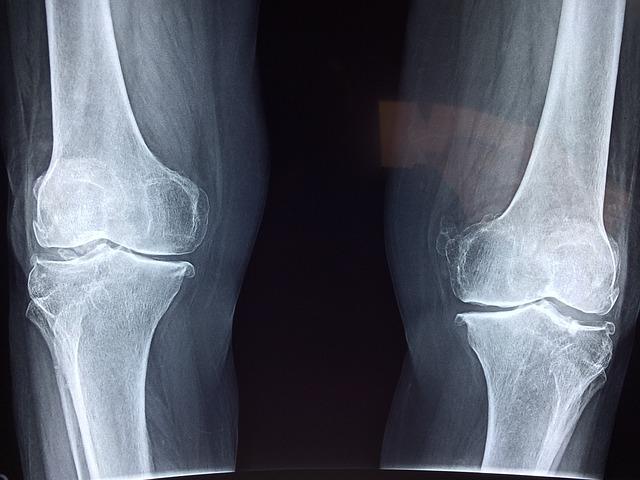
Managing Knee Health and Injury Prevention in Soccer
Having a torn ACL is a common injury among soccer players, and it can be devastating for those who rely on their knees for quick movements and stability on the field. Many athletes wonder if it’s possible to continue playing soccer without an ACL, and the answer is not so simple.
While it is technically possible to play soccer without an ACL, it is not recommended. The ACL is crucial for providing stability to the knee joint, and without it, players are at a higher risk of further injury and long-term damage. However, some athletes may choose to strengthen the surrounding muscles and wear a brace to support the knee in order to continue playing at a competitive level.
If you do choose to play soccer without an ACL, it’s important to focus on maintaining your knee health through proper conditioning, strengthening exercises, and injury prevention techniques. Here are some key tips for managing knee health and preventing injuries in soccer:
– **Focus on strengthening the surrounding muscles**: Building strength in the quadriceps, hamstrings, and calf muscles can help support the knee joint and reduce the risk of injury.
– **Improve your balance and agility**: Working on balance and agility exercises can help you move more efficiently on the field and reduce the strain on your knee.
– **Wear a supportive brace**: A knee brace can provide additional support and stability to your knee joint, reducing the risk of further injury during games and practices.
Remember, it’s always best to consult with a medical professional before making any decisions about playing sports without an ACL. Your doctor can provide personalized advice and guidance to help you stay safe and healthy on the field.
Rehabilitation and Training for Players with ACL Injuries
After sustaining an ACL injury, soccer players often face a long road to recovery before they can get back on the field. Rehabilitation and training are crucial components of this process, helping players rebuild strength, stability, and confidence in their knees.
While some athletes may be able to return to play without an ACL, it is generally not recommended due to the increased risk of further injuries and long-term joint damage. However, with proper rehabilitation and training, players can improve their overall knee health and reduce the likelihood of re-injury.
Key components of a comprehensive rehabilitation program for players with ACL injuries include:
- Physical therapy: Working with a trained therapist to strengthen the muscles surrounding the knee and improve range of motion.
- Strength training: Focusing on exercises that target the quadriceps, hamstrings, and core muscles to support the knee joint.
- Balance and proprioception exercises: Enhancing joint stability and coordination to prevent future injuries.
| Rehabilitation Tips | Training Techniques |
|---|---|
| Avoid high-impact activities until cleared by a doctor. | Incorporate agility drills and plyometric exercises to improve explosiveness. |
| Listen to your body and communicate with your healthcare team. | Gradually increase intensity and volume of workouts to prevent overloading the knee. |
Special Considerations for Soccer Players without an ACL
For soccer players who have undergone ACL surgery or sustained an ACL injury, the thought of returning to the field can be daunting. However, it is possible to continue playing soccer without an ACL with the right precautions and considerations in mind. Here are some :
- Strength training: Building strength in the muscles surrounding the knee, such as the quadriceps, hamstrings, and calves, is crucial for stability and support. Focus on exercises that target these muscle groups to help compensate for the lack of an ACL.
- Bracing: Wearing a knee brace can provide added support and stability to the knee joint. Consult with a sports medicine specialist to determine the best type of brace for your specific needs.
- Proper technique: It is essential to maintain proper technique while playing soccer to reduce the risk of injury. Avoid sudden pivots or twists that can put stress on the knee joint.
- Regular monitoring: Keep in close contact with your healthcare provider to monitor the health of your knee and make adjustments to your training regimen as needed. Regular check-ups and physical therapy sessions can help prevent further injury.

Tips for Protecting Your Knees during Soccer Matches
Are you a soccer player concerned about your knee health? It’s essential to take proactive steps to protect your knees during matches to prevent injuries. Here are some tips to keep your knees healthy and strong:
- Proper warm-up: Always start your soccer matches with a thorough warm-up routine. This helps to prepare your muscles and joints for the physical demands of the game.
- Use proper footwear: Wearing the right soccer shoes with proper support and cushioning can help reduce the impact on your knees during matches.
- Practice proper technique: Focus on using correct techniques while kicking, running, and changing directions to avoid unnecessary stress on your knees.
- Strength training: Incorporate exercises that target the muscles around your knees, such as squats and lunges, to improve their stability and reduce the risk of injury.
| Food | Benefits |
|---|---|
| Leafy greens | Rich in vitamin C and K, which help in maintaining healthy joints |
| Fatty fish | Source of Omega-3 fatty acids that reduce inflammation in the body |
| Nuts and seeds | Contain minerals like magnesium and zinc that are essential for joint health |
By following these tips and incorporating them into your soccer routine, you can help protect your knees and enjoy the game without worrying about injuries.

Consulting with a Healthcare Professional for Knee Health Advice
When it comes to knee health, consulting with a healthcare professional is essential for receiving accurate advice and guidance. Whether you are looking to prevent injuries or manage existing conditions, a healthcare professional can provide personalized recommendations based on your individual needs and goals.
One common concern many individuals have is whether it is possible to play sports, such as soccer, without an ACL. While the ACL (anterior cruciate ligament) plays a crucial role in knee stability, it is still possible to participate in physical activities without it. However, it is important to work closely with a healthcare professional to develop a customized plan that considers your specific circumstances and limitations.
During your consultation, your healthcare provider may recommend various strategies to support your knee health, such as:
- Strength training exercises to enhance the stability of your knee joint
- Proper warm-up and cool-down routines to prepare your body for physical activity and reduce the risk of injury
- Bracing or taping techniques to provide additional support and stability
| Exercise | Benefit |
|---|---|
| Squats | Strengthens quadriceps and hamstrings |
| Lunges | Improves balance and stability |
| Step-ups | Enhances overall lower body strength |
Exploring Surgical Options for ACL Tears in Soccer Players
When it comes to ACL tears in soccer players, exploring surgical options can be a crucial decision in determining the best course of action for their knee health. Soccer is a physically demanding sport that places a lot of strain on the knees, making ACL injuries quite common among players. While surgery is often recommended for athletes looking to return to play at their pre-injury level, the question remains: Can you play soccer without an ACL?
While it is possible to play soccer without an ACL, it is important to consider the risks and limitations that come with this choice. Without an ACL, players may experience instability in the knee, increased risk of further injury, and decreased performance on the field. However, some players may be able to successfully manage these challenges through rehabilitation, bracing, and modifications to their gameplay.
For soccer players weighing their options, here are some key factors to consider when deciding whether to pursue surgery for an ACL tear:
- Severity of the injury: The extent of the ACL tear will impact the effectiveness of surgery and the potential outcomes for the player.
- Player’s goals: Consider whether returning to play at a competitive level is a priority, as this may influence the decision to undergo surgery.
- Rehabilitation commitment: Post-surgery rehabilitation is crucial for a successful recovery and return to sport.
In conclusion, it is possible to navigate the world of soccer without an ACL, but it comes with its challenges and risks. Players who choose to play without an ACL must be extra cautious and mindful of their movements to prevent further injury.
There are various strategies and techniques that can be employed to help minimize the impact of playing without an ACL. Some of these include strengthening the surrounding muscles, such as the quadriceps and hamstrings, to provide additional support to the knee joint.
Additionally, utilizing a brace or sleeve can help stabilize the knee and provide added protection during physical activity. Players may also need to modify their playing style to reduce the risk of sudden twists or turns that could put undue stress on the knee.
Ultimately, each player’s journey with soccer without an ACL will be unique, and it is important to consult with medical professionals and coaches to develop a personalized plan that prioritizes both performance and safety. With determination, proper preparation, and careful consideration, it is possible to continue enjoying the beautiful game of soccer even without an ACL.
Key Takeaways
In conclusion, while playing soccer without an ACL can be risky, it is possible with the right precautions and rehabilitation. By following proper strengthening exercises, wearing a brace, and listening to your body, you can still enjoy the beautiful game while maintaining your knee health. Remember, always consult with a medical professional before making any decisions regarding your health and physical activity. Stay informed, stay safe, and keep kicking that ball with confidence!