

Injuries Unveiled: Can You Play Soccer with a Broken Wrist?
Every soccer player knows that injuries are an inevitable part of the game. From sprained ankles to torn ligaments, players often face physical hurdles along their journey on the field. But what happens when you suffer the less-common injury of a broken wrist? Can you still lace up your boots and join the game? In this article, we will delve into the world of soccer and the possibility of playing with a broken wrist. From understanding the nature of the injury to exploring potential challenges and necessary precautions, we will uncover the truths behind this intriguing question. So, if you’re curious to discover if it’s possible to continue playing the beautiful game despite a broken wrist, keep reading to explore the fascinating world of soccer injuries.
Contents
- 1 – Understanding the Impact of a Broken Wrist in Soccer: A Comprehensive Guide
- 2 – Assessing the Feasibility of Playing Soccer with a Broken Wrist: Factors to Consider
- 3 – Risks and Benefits: Weighing the Consequences of Playing Soccer with a Broken Wrist
- 4 – Modified Techniques: Adapting Your Game to Minimize Strain on a Broken Wrist
- 5 – Seeking Expert Advice: Consulting a Medical Professional for Informed Decision-Making
- 6 – Recovery First: Why Taking Time Off the Field is Crucial for Healing a Broken Wrist
- 7 – Protective Measures: How to Safeguard a Recovering Wrist during Soccer Play
- 8 – Strategies for Swift Healing: Effective Rehabilitation Exercises for a Broken Wrist
- 9 – Overcoming Mental Barriers: Building Confidence to Return to Soccer after a Broken Wrist
- 10 Overcoming Mental Barriers: Building Confidence to Return to Soccer after a Broken Wrist
- 11 Concluding Remarks
– Understanding the Impact of a Broken Wrist in Soccer: A Comprehensive Guide
Having a broken wrist can greatly impact a soccer player’s ability to perform at their best. While it is still possible to play soccer with a broken wrist, it is important to understand the potential consequences and take necessary precautions.
-
Limited Range of Motion: A broken wrist can restrict the player’s ability to move their hand and wrist freely. This can impair their ability to accurately pass the ball, control it, and even hold their position effectively. It also limits their ability to properly tackle opponents or defend against them.
-
Decreased Grip Strength: The fractured wrist may result in reduced grip strength, making it difficult for the player to firmly hold onto the ball or engage in physical challenges. This can potentially lead to more turnovers or losing control of the ball during a game.
-
Increased Risk of Injury: Playing soccer with a broken wrist increases the risk of exacerbating the injury or causing further damage. Falls or collisions can easily occur on the soccer field, and the player’s broken wrist may be more vulnerable to additional fractures or ligament damage.
- Recommended Precautions: If a soccer player decides to play despite a broken wrist, there are a few precautions they should consider. Firstly, wearing a protective brace or splint can provide some stability and support the healing process. Additionally, communication with teammates is crucial to ensure they understand the limitations and can adjust their gameplay accordingly.
To summarize, playing soccer with a broken wrist is possible, but it comes with several challenges. The player’s range of motion, grip strength, and risk of further injury are all affected. It is important to take necessary precautions, such as wearing protective gear and communicating with teammates. Ultimately, the decision to play should be made in consultation with a medical professional to ensure the best outcome for the player’s health and performance.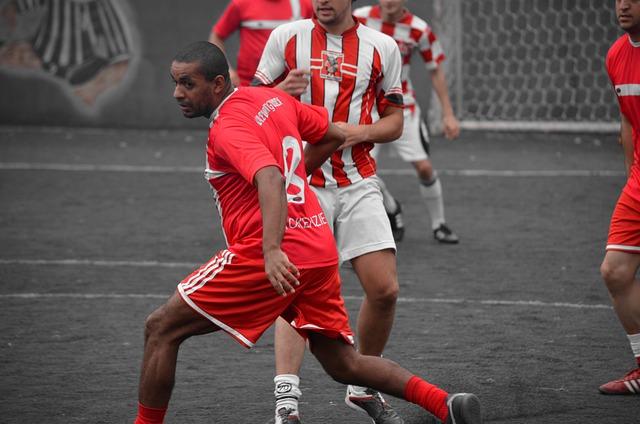
– Assessing the Feasibility of Playing Soccer with a Broken Wrist: Factors to Consider
Playing soccer with a broken wrist may seem like an impossible task, but with careful consideration of certain factors, it may actually be feasible. Here are some important factors to consider when assessing the feasibility of playing soccer with a broken wrist:
-
Severity of the injury: The first and most crucial factor to consider is the severity of the broken wrist. If it is a minor fracture or a simple sprain, it might be possible to take part in the game with certain precautions. However, if it is a severe fracture or requires surgery, participating in soccer may not be advisable.
-
Pain management: Pain can significantly impact your performance on the field. It is essential to assess your pain tolerance and determine whether it can be managed effectively during the game. Discuss with your doctor or physiotherapist about potential pain relief options that can allow you to play without causing further damage.
-
Protective measures: To minimize the risk of exacerbating the injury, it is vital to wear appropriate protective gear. Investing in a wrist brace or splint can provide stability and support during soccer matches. Additionally, padding on the affected wrist can act as a cushion against potential impacts, reducing the chances of further injury.
- Consultation with medical professionals: Before deciding to play soccer with a broken wrist, it is crucial to consult with medical professionals and seek their expert advice. They can evaluate the specific characteristics of your injury, consider your overall health and recovery progress, and provide personalized guidance on whether it is safe for you to partake in soccer activities.
Table: Potential Pros and Cons of Playing Soccer with a Broken Wrist
| Pros | Cons |
|---|---|
| Maintaining fitness and involvement in | Risk of aggravating the injury |
| the sport you love | Potential pain and discomfort during gameplay |
| Personal satisfaction | Delayed or hindered healing process |
| Possibility of needing additional medical intervention |
When considering playing soccer with a broken wrist, keep in mind that a full recovery should remain the top priority. It is essential to listen to your body, respect medical advice, and not push yourself beyond what is safe and appropriate. While it may be possible to continue playing with a broken wrist, always prioritize your long-term health and well-being.
– Risks and Benefits: Weighing the Consequences of Playing Soccer with a Broken Wrist
Playing soccer with a broken wrist can be an enticing idea for passionate athletes who hate being sidelined. However, it’s crucial to weigh the risks and benefits before making a decision. Here are some important factors to consider when contemplating whether or not to play soccer with a broken wrist.
-
Risks:
- Increased risk of further injury: A broken wrist is already a significant injury, and playing soccer with it can put you at a higher risk of exacerbating the damage and delaying the healing process.
- Impaired performance: Playing with a broken wrist may limit your ability to perform at your usual level. Gripping the ball or executing certain moves can be challenging and may compromise your overall performance on the field.
- Delayed recovery: Engaging in physical activity before your wrist has fully healed can impede the recovery process. It is important to prioritize your long-term health and allow your wrist to heal properly.
- Benefits:
- Mental well-being: For some individuals, the psychological benefits of staying active and participating in their favorite sport may outweigh potential risks. Consider how not playing soccer with a broken wrist might affect your overall mental state and if finding alternative ways to stay involved in the sport can be equally fulfilling.
- Modified participation options: In certain cases, with proper medical guidance, it may be possible to modify your participation to reduce the strain on your broken wrist. For example, you could focus on footwork, passing, or positioning instead of physically engaging in contact plays that could further endanger your wrist.
Remember, this information is not a substitute for professional medical advice. Consult with a healthcare professional to determine the best course of action specific to your situation. They can provide guidance tailored to your injury and help you make an informed decision regarding playing soccer with a broken wrist.
– Modified Techniques: Adapting Your Game to Minimize Strain on a Broken Wrist
When playing soccer with a broken wrist, it’s important to make some modifications to your game to minimize strain and avoid further injury. While it may seem daunting at first, with the right techniques and mindset, it is possible to continue playing soccer while your wrist heals.
-
Use protective gear: Investing in a wrist brace or splint can provide added stability and support to your injured wrist. This will help reduce the risk of reinjury and allow you to play with more confidence.
-
Modify your movements: With a broken wrist, certain movements may be painful or impossible. Consider adapting your game by avoiding activities that put excessive strain on your wrist, such as aggressive tackling or excessive ball control with your hands. Focus on using your non-injured hand and arm to compensate for the limited mobility of your wrist.
-
Improve your ball control techniques: Since relying on your injured wrist for ball control may not be feasible, try to improve your control using other body parts such as your chest, head, or feet. Practicing and refining these skills will enable you to maintain your performance on the field without compromising your wrist’s healing process.
- Communicate with your teammates: It’s vital to keep your teammates informed about your injury and limitations. By communicating openly, they can adjust their game to support you and make accommodations that will ease the strain on your wrist. Collaborating with your teammates and developing new strategies can help maintain your effectiveness as a player.
Remember, playing soccer with a broken wrist requires extra caution and a willingness to adapt your game. By taking these modified techniques into consideration, you can enjoy the sport you love while minimizing strain on your injured wrist. Don’t forget to consult with a medical professional for personalized advice and guidance on the progress of your recovery.
– Seeking Expert Advice: Consulting a Medical Professional for Informed Decision-Making
Playing soccer with a broken wrist may seem like a daunting prospect, but before making any decisions, it is important to seek expert advice from a medical professional. While people’s tolerance for pain and ability to play with an injury may vary, consulting a healthcare provider is crucial for informed decision-making.
Here are some reasons why consulting a medical professional is vital in this situation:
-
Accurate Diagnosis: Only a healthcare expert can accurately assess the severity of your broken wrist and provide a proper diagnosis. They will evaluate factors like the type of fracture, any accompanying injuries, and your overall health to determine the best course of action.
-
Understanding Risks: While playing soccer with a broken wrist may be feasible for some individuals, there are potential risks involved. A medical professional can help you understand these risks, such as exacerbating the injury, delaying healing, or causing further damage to the wrist.
-
Tailored Treatment Plan: Consulting a healthcare provider will allow you to receive a personalized treatment plan. They may recommend immobilizing the wrist with a cast or brace, prescribing pain medication, or advising against soccer until the wrist is fully healed. Their expertise will ensure optimal healing and minimize any long-term consequences.
- Rehabilitation and Recovery: Upon evaluating your broken wrist, a medical professional can guide you through the rehabilitation process. They may prescribe specific exercises or refer you to a physiotherapist to aid in the recovery and regain strength and mobility in the wrist.
Remember, seeking expert advice is crucial to make informed decisions about playing soccer with a broken wrist. While it may be disappointing to sit on the sidelines temporarily, prioritizing your health and well-being is of utmost importance in the long run.
– Recovery First: Why Taking Time Off the Field is Crucial for Healing a Broken Wrist
When it comes to playing sports like soccer, injuries are a common occurrence. Sometimes, these injuries are minor and players can continue playing with a little discomfort. But what about a broken wrist? Can you still play soccer with something as crucial as a broken wrist? The answer is simple: No.
A broken wrist is a serious injury that requires proper care and attention in order to heal properly. While the temptation to push through the pain and continue playing may be strong, not allowing yourself the necessary time off the field can have detrimental effects on your recovery.
Here are a few reasons why taking time off the field is crucial for healing a broken wrist:
- Rest and immobilization: In order for a broken wrist to heal, it needs time to rest and be immobilized. Continuing to play soccer with a broken wrist can put unnecessary strain on the injury, delaying the healing process.
- Reduced risk of further damage: Playing with a broken wrist can increase the risk of further damage or complications. A careless tackle, a fall, or even a simple collision can worsen the injury and may require more complex treatment.
- Physical limitations: A broken wrist can significantly impact your ability to perform at your best on the field. Pain, swelling, and limited range of motion can hinder your playing ability and potentially put you at a disadvantage.
- Prioritizing long-term well-being: While it may be difficult to take time off from playing your favorite sport, it’s essential to prioritize your long-term well-being. Giving yourself the necessary time to heal properly will ensure a faster recovery and minimize the chances of long-lasting effects.
By recognizing the importance of recovery first and giving your broken wrist the rest it needs, you are setting yourself up for a successful healing process. Remember, enduring a temporary break from the field is a small sacrifice compared to the potential consequences of playing through a serious injury.

– Protective Measures: How to Safeguard a Recovering Wrist during Soccer Play
Sustaining a broken wrist can be a major setback for any soccer player. Not only does it limit your ability to move and control the ball effectively, but it also poses a significant risk of further injury. However, with proper protective measures in place, it is indeed possible to continue playing soccer while recovering from a broken wrist.
One crucial step in safeguarding a recovering wrist during soccer play is to wear a protective brace or splint. These aids provide stability and support to the injured wrist, reducing the risk of worsening the injury or causing additional damage. Make sure to choose a brace that fits you properly and is designed specifically for sports activities. The right brace will allow for a comfortable range of motion while ensuring adequate protection.
Another essential aspect to consider is modifying your playing style to avoid putting excessive strain on the healing wrist. Focus on using your non-dominant hand more whenever possible to minimize strain on the injured wrist. Additionally, try to avoid activities that involve heavy contact or forceful impacts that could aggravate the injury. Instead, focus on honing skills that involve minimal wrist movement, such as passing and strategic positioning.
Furthermore, it is crucial to maintain a consistent rehabilitation routine to aid in the healing process. Consult with a physical therapist or medical professional to develop a personalized rehabilitation plan that includes exercises to strengthen the wrist and improve range of motion. Follow their instructions diligently and perform the exercises regularly to enhance the recovery process.
In conclusion, playing soccer with a broken wrist is possible with the right protective measures in place. By wearing a suitable brace, modifying your playing style, and following a rehabilitation routine, you can continue to enjoy the sport while allowing your wrist to heal. Just remember to listen to your body and consult a medical professional for guidance to ensure a safe and successful recovery.
– Strategies for Swift Healing: Effective Rehabilitation Exercises for a Broken Wrist
It’s a common question many athletes face when dealing with a broken wrist: can you still play soccer? Unfortunately, the answer is not as straightforward as one might hope. While it is technically possible to still play soccer with a broken wrist, it is highly discouraged for several reasons.
First and foremost, playing soccer with a broken wrist puts you at a higher risk of exacerbating the injury or causing further damage. The intense physical demands of the sport, including running, jumping, and tackling, can easily result in accidental falls or collisions, which can be detrimental to your healing wrist.
Moreover, playing with a broken wrist can significantly impact your performance on the field. Your wrist plays a crucial role in most movements in soccer, including dribbling, passing, and shooting. Any limitations or pain associated with your broken wrist can hinder your ability to execute these actions effectively, ultimately impairing your overall game.
Instead of taking unnecessary risks by playing soccer with a broken wrist, it is recommended to focus on your rehabilitation and healing process. Effective rehabilitation exercises can help expedite your recovery and promote swift healing. Some beneficial exercises for a broken wrist include:
-
Finger Flexion and Extension: Gently flex your fingers into a fist and then extend them fully. Repeat this motion several times to improve range of motion and strengthen your hand and forearm muscles.
-
Wrist Rotation: Rotate your wrist in small circles clockwise and then counterclockwise. Start with gentle movements and gradually increase the range of motion as your wrist heals.
- Grip Strengtheners: Squeeze a stress ball or grip strengthener to improve grip strength in your hand and forearm. This exercise helps rebuild the muscles that may have weakened due to immobilization.
Remember to consult with a healthcare professional or physical therapist before starting any exercise routine for your broken wrist. They can provide personalized guidance and ensure that the exercises are suitable for your specific injury and recovery stage.
In summary, while playing soccer with a broken wrist is not recommended, there are effective rehabilitation exercises that can help accelerate your healing process. Prioritizing your recovery and seeking professional advice will set you on the path to a swift and successful rehabilitation.
– Overcoming Mental Barriers: Building Confidence to Return to Soccer after a Broken Wrist
Overcoming Mental Barriers: Building Confidence to Return to Soccer after a Broken Wrist
Returning to soccer after a broken wrist can be a daunting task both physically and mentally. The fear of reinjury and hesitation to fully engage in the sport can create mental barriers that can hinder your confidence on the field. However, with the right mindset and preparation, it is absolutely possible to overcome these barriers and regain your confidence on the soccer field.
Here are some tips to help you build your confidence and get back into the game:
- Consult with a medical professional: Before returning to soccer, it is crucial to get clearance from a medical professional or physiotherapist. They will assess your wrist’s healing progress and provide you with any necessary recommendations or limitations to ensure a safe return to the sport.
- Gradual reintroduction: Start by gradually reintroducing your wrist to soccer-related movements and exercises. Begin with gentle stretching and strengthening exercises, and as your wrist gains strength, slowly progress to ball handling drills and light passing. Gradual reintroduction will help rebuild your confidence in your wrist’s ability to handle the demands of the game.
- Sport-specific training: Incorporate sport-specific drills into your training routine. Work on your ball control, shooting technique, and passing accuracy to improve your overall performance on the field. As you see progress in these areas, your confidence will naturally grow.
- Positive self-talk: Monitor your thoughts and replace any negative self-talk with positive affirmations. Remind yourself of your skills, past achievements, and your ability to recover from injuries. Keeping a positive mindset will help you eliminate self-doubt and boost your confidence.
Remember, returning to soccer after a broken wrist takes time and patience. Don’t rush the process and listen to your body. With consistent effort, proper rehabilitation, and a positive mindset, you will regain your confidence and be back on the field, playing the sport you love.
Concluding Remarks
In conclusion, while playing soccer with a broken wrist may seem like a daunting challenge, it is certainly not an impossible feat. With the right precautions, proper medical supervision, and a strong determination, many players have successfully returned to the field even with a wrist injury. Remember, everyone’s recovery process is different, so it’s important to consult with a healthcare professional before making any decisions. So, don’t let a broken wrist keep you away from the game you love. Stay informed, stay safe, and never underestimate the power of your own determination. After all, with the right mindset and care, you might just be able to conquer the soccer pitch even with a broken wrist.


