How Far Does a Soccer Player Run During a Game? Exploring Player Endurance!
Have you ever wondered just how much ground a soccer player covers during a game? The level of endurance required to compete at a professional level may surprise you. Join us as we delve into the statistics and explore the incredible distances covered by these athletically gifted players on the field.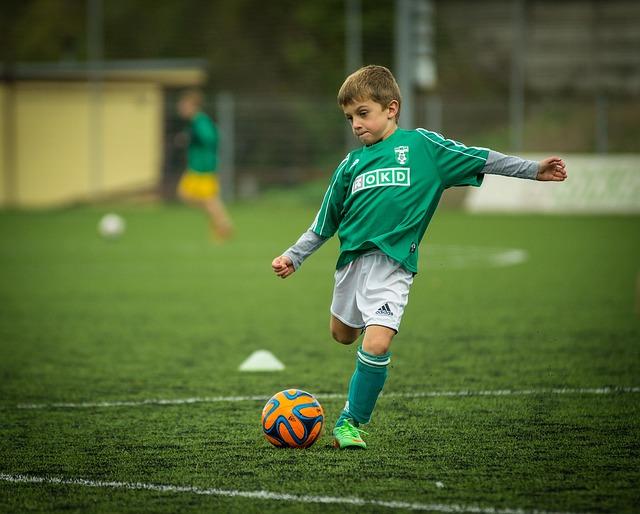
Contents
- 1 How far can a soccer player run during a game?
- 2 Factors affecting the distance covered by soccer players
- 3 The role of player endurance in soccer performance
- 4 Strategies to improve player endurance on the field
- 5 Monitoring player endurance through advanced technology
- 6 Key differences in running distances between positions
- 7 The importance of endurance training for soccer players
- 8 Nutritional considerations for maximizing player endurance
- 9 Impacts of player fatigue on game performance and injury risk
- 10 Final Thoughts
How far can a soccer player run during a game?
Soccer players are known for their incredible endurance and ability to cover large distances on the field during a game. The average professional soccer player can run anywhere from 7 to 9.5 miles (11-15 kilometers) during a 90-minute match. This distance can vary depending on the position of the player and the style of play of the team.
Midfielders typically cover the most ground during a game as they are responsible for both attacking and defending. They can run up to 9.5 miles (15 kilometers) in a single match. Defenders also cover a significant distance, usually running around 8.5 miles (13.6 kilometers) during a game. Forwards, on the other hand, tend to cover slightly less ground, running an average of 7 miles (11.2 kilometers) per game.
Players need to have exceptional cardiovascular fitness to be able to sustain this level of endurance throughout a game. They also need to possess speed, agility, and stamina to perform at the highest level. The ability to run long distances while maintaining their technical skills is what sets apart elite soccer players from the rest.
| Midfielders | 9.5 miles (15 kilometers) |
| Defenders | 8.5 miles (13.6 kilometers) |
| Forwards | 7 miles (11.2 kilometers) |

Factors affecting the distance covered by soccer players
There are several factors that can affect the distance covered by soccer players during a game. These factors can range from physical fitness levels to tactical decisions made on the field. Let’s explore some of the key factors that play a role in determining how far a soccer player runs during a match.
- Position on the field: The position that a player occupies on the field can greatly impact the distance they cover. For example, a midfielder is likely to cover more ground than a striker due to their defensive and offensive responsibilities.
- Playing style: Players who prefer to press high and apply constant pressure on the opposition are likely to cover more distance than those who sit back and wait for opportunities to arise.
- Physical fitness: The overall fitness levels of a player can also influence how far they run during a game. Players with higher levels of endurance are able to sustain intense efforts for longer periods.
| Player | Position | Distance Covered (in kilometers) |
|---|---|---|
| Messi | Forward | 9 |
| Kante | Midfielder | 13 |
| Ramos | Defender | 10 |
These are just a few of the factors that can impact the distance covered by soccer players during a game. By understanding these factors, coaches and players can work together to optimize performance on the field.

The role of player endurance in soccer performance
When it comes to soccer performance, player endurance plays a crucial role in determining the outcome of a game. The ability of a player to maintain high levels of physical and mental stamina throughout the entire match can make a significant impact on their team’s success.
During a typical soccer game, players cover a considerable amount of ground running back and forth on the field. On average, a soccer player can run anywhere from 7-9 miles during a 90-minute game. This distance can vary depending on the player’s position and playing style.
Player endurance is not just about running long distances, but also about the ability to sprint, change direction, and recover quickly. Soccer players need to have a combination of aerobic and anaerobic endurance to perform at their best throughout the game.
Improving player endurance involves a combination of physical training, proper nutrition, and mental conditioning. Coaches and trainers play a vital role in helping players develop the necessary stamina to perform at their peak levels during games.

Strategies to improve player endurance on the field
Improving player endurance on the soccer field is essential for maintaining peak performance throughout the game. There are several strategies that players can implement to increase their stamina and endurance levels, allowing them to cover more ground during a match.
One effective way to improve player endurance is through regular cardiovascular training. This can include activities such as running, cycling, or swimming, which all help to build stamina and endurance over time. Additionally, incorporating interval training into a player’s workout routine can also be beneficial, as it helps to improve both aerobic and anaerobic fitness levels.
Proper nutrition is another key component of enhancing player endurance on the field. Eating a well-balanced diet that includes plenty of complex carbohydrates, lean proteins, and healthy fats can provide the energy needed to sustain performance throughout a match. Staying hydrated is also crucial, as dehydration can quickly lead to fatigue and decreased endurance.
Lastly, incorporating recovery techniques into a player’s routine, such as stretching, foam rolling, and massage therapy, can help to reduce muscle fatigue and soreness, allowing for quicker recovery between games. By focusing on these strategies, players can work towards increasing their endurance levels and performing at their best on the soccer field.

Monitoring player endurance through advanced technology
Soccer players cover an impressive amount of ground during a game. Thanks to advanced technology, we are now able to monitor player endurance more accurately than ever before. By tracking their movements and heart rate throughout the match, coaches and sports scientists can gain valuable insights into a player’s physical performance. This data allows for more targeted training programs and helps to prevent injuries.
One of the key metrics used to measure player endurance is the distance covered during a game. On average, a soccer player runs around 7 miles during a 90-minute match. This includes a combination of jogging, sprinting, and walking. By analyzing this data, coaches can identify players who may need additional conditioning or rest and recovery periods.
Another important factor in monitoring player endurance is understanding the intensity of their movements. High-intensity runs, such as sprints and quick changes in direction, can be particularly taxing on a player’s body. By tracking these movements, coaches can ensure that players are properly prepared for the demands of a game and adjust their training accordingly.
Overall, the use of advanced technology in monitoring player endurance has revolutionized the way we approach training and performance in soccer. With real-time data at their fingertips, coaches can make more informed decisions to help their players reach their full potential on the field.

Key differences in running distances between positions
Soccer players cover a significant amount of ground during a game, with distances varying depending on the position they play. Let’s explore the :
Goalkeepers: Goalkeepers typically cover the least distance during a game as they mainly stay in their penalty area. They focus on positioning, organizing the defense, and making crucial saves rather than running long distances. On average, goalkeepers run around 1 mile per game.
Defenders: Defenders are responsible for protecting their goal and stopping the opposing team’s attacks. They cover moderate distances during a game, combining short sprints with longer runs to track and mark opponents. Defenders usually run between 6-7 miles per game.
Midfielders: Midfielders have one of the most demanding roles on the field, as they are involved in both attacking and defending. They cover the highest distance during a game, constantly moving to support their teammates and create scoring opportunities. Midfielders can run up to 9 miles per game.

The importance of endurance training for soccer players
Endurance training is a crucial aspect of a soccer player’s physical preparation. In a typical soccer game, players cover a significant distance running, sprinting, jogging, and walking. The ability to maintain high energy levels throughout the match is essential for performance and to prevent fatigue. This is where endurance training plays a key role.
During a soccer game, players can run anywhere from 5 to 7 miles on average. This distance may vary depending on the position and style of play. Midfielders and forwards tend to cover more ground compared to defenders and goalkeepers. Building endurance through various training methods can help players increase their stamina and cope with the physical demands of a match.
Endurance training for soccer players typically includes long-distance running, interval training, and circuit training. These exercises help improve cardiovascular fitness, muscle endurance, and recovery time. Incorporating a combination of aerobic and anaerobic workouts can help players maintain peak performance levels throughout the game.
By investing time and effort in endurance training, soccer players can enhance their overall game performance, reduce the risk of injuries, and stay competitive on the field. Building a solid foundation of endurance allows players to push themselves beyond their limits and make significant contributions to their team’s success.

Nutritional considerations for maximizing player endurance
Soccer players cover an impressive amount of ground during a game, with midfielders and forwards often running several miles throughout a match. This level of endurance requires careful attention to nutrition to ensure that players have the energy and stamina to keep going strong until the final whistle. Here are some key nutritional considerations that can help maximize player endurance on the field:
- Carbohydrates: Fueling up on carbohydrates before a game can provide players with the energy they need to sustain their effort throughout the match. Foods like pasta, rice, and potatoes are excellent sources of carbohydrates that can help maintain energy levels.
- Hydration: Staying properly hydrated is essential for optimizing performance and endurance. Players should drink water before, during, and after a game to prevent dehydration and maintain peak physical condition.
- Protein: Protein is crucial for muscle recovery and growth, which are key factors in maintaining endurance over the course of a game. Including lean sources of protein like chicken, fish, and beans in their diets can help players stay strong and resilient on the field.
| Nutrient | Food Source |
|---|---|
| Carbohydrates | Pasta, rice, potatoes |
| Protein | Chicken, fish, beans |
| Fats | Avocado, nuts, olive oil |
Impacts of player fatigue on game performance and injury risk
Player fatigue can have a significant impact on game performance and increase the risk of injuries for soccer players. One of the key factors contributing to player fatigue is the amount of running a player does during a game. On average, a soccer player can cover anywhere between 7 to 9 miles during a 90-minute match. This requires a high level of endurance and stamina to maintain performance throughout the game.
As players run long distances during a game, their muscles can become fatigued, leading to a decrease in performance. Fatigue can affect a player’s ability to sprint, make quick decisions, and maintain proper form, all of which are crucial for success on the field. In addition, tired muscles are more prone to injury, as they are less able to absorb the impact of physical contact or sudden movements.
It is essential for coaches and trainers to monitor players’ fatigue levels during games and practices to help prevent injuries and maintain performance levels. Strategies such as proper hydration, nutrition, and rest can help players recover quickly and reduce the risk of injury. Additionally, implementing a rotation system during games can help distribute playing time evenly among players, allowing them to rest and recover as needed.
| Impact of Fatigue | Effects on Performance |
|---|---|
| Fatigue | Decreased sprinting ability |
| Fatigue | Impaired decision-making skills |
| Fatigue | Increased risk of muscle injury |
Final Thoughts
In conclusion, the physical demands placed on soccer players during a game are immense, with players covering impressive distances in order to maintain peak performance. Understanding and enhancing player endurance is crucial for success on the field. By implementing proper training and fitness regimens, players can improve their stamina and overall performance. So next time you watch a soccer match, remember the incredible effort and endurance displayed by the players throughout the game. It truly is a testament to their dedication and athleticism.