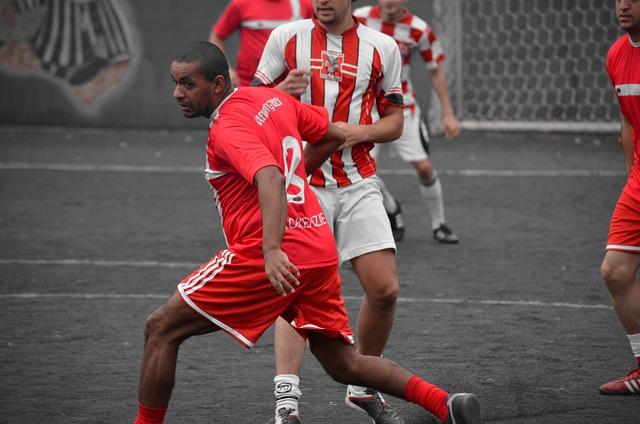
Foot Pain: Can You Play Soccer with an Ingrown Toenail?
Do you love playing soccer but are currently dealing with the discomfort of an ingrown toenail? You may be wondering if it’s safe to hit the field with this common foot ailment. In this article, we’ll explore whether or not you can continue playing soccer while managing an ingrown toenail, and provide tips for managing the pain. Let’s kick off the discussion!
Contents
- 1 – Understanding Ingrown Toenails and Their Impact on Foot Pain
- 2 – The Risks of Playing Soccer with an Ingrown Toenail
- 3 – Recommended Treatment Options for Ingrown Toenails
- 4 – Tips for Managing Foot Pain While Playing Soccer
- 5 – Recognizing When to Rest and Seek Medical Attention
- 6 – Proper Foot Care Techniques for Soccer Players
- 7 – Strategies for Preventing Ingrown Toenails in Athletes
- 8 – The Importance of Properly Fitting Footwear for Injury Prevention
- 9 – Balancing Soccer Performance with Foot Health
- 10 – Consulting a Podiatrist for Persistent Foot Pain
- 11 Final Thoughts
– Understanding Ingrown Toenails and Their Impact on Foot Pain
An ingrown toenail occurs when the edge of the nail grows into the surrounding skin, causing pain, redness, and swelling. This common condition can be extremely uncomfortable, especially when walking or playing sports like soccer.
One of the main symptoms of an ingrown toenail is foot pain, which can make it difficult to run, kick the ball, or change direction quickly on the field. Ignoring the problem and continuing to play soccer with an ingrown toenail can worsen the condition and lead to infection.
If you are experiencing foot pain from an ingrown toenail, it is important to seek treatment promptly to alleviate the discomfort and prevent further complications. In some cases, a healthcare professional may need to perform a minor procedure to remove the ingrown portion of the nail and provide relief.
Taking care of your feet and addressing foot pain promptly is essential for maintaining your overall health and performance on the soccer field. By understanding the impact of ingrown toenails on foot pain, you can take steps to prevent and treat this common condition effectively.
– The Risks of Playing Soccer with an Ingrown Toenail
Playing soccer with an ingrown toenail can be a painful experience that can lead to further complications if not dealt with properly. Here are some of the risks involved:
- Infection: When playing soccer with an ingrown toenail, there is a higher risk of infection due to the constant friction and pressure placed on the affected area.
- Increased Pain: The repetitive movements involved in playing soccer can aggravate the ingrown toenail, causing intense pain and discomfort.
- Delayed Healing: By continuing to play with an ingrown toenail, you may delay the healing process and prolong your recovery time.
It is important to prioritize your foot health and seek medical attention if you are experiencing pain or discomfort from an ingrown toenail. Taking a break from playing soccer until the toenail heals completely is crucial to avoid further complications.

– Recommended Treatment Options for Ingrown Toenails
Ingrown toenails can be incredibly painful and disruptive to daily activities, especially for athletes like soccer players. If you’re dealing with an ingrown toenail and wondering if you can still play soccer, you may want to consider the recommended treatment options below:
- Soaking your foot: Soaking your foot in warm water with Epsom salt can help reduce swelling and pain associated with ingrown toenails.
- Trimming the nail properly: Ensuring that you cut your toenails straight across can prevent them from growing into the skin.
- Wearing proper footwear: Avoid wearing tight shoes that can put pressure on the ingrown toenail and worsen the condition.
- Using over-the-counter treatments: Products like antibiotic ointments and toe braces can help alleviate pain and promote healing.
| Treatment Option | Description |
|---|---|
| Soaking | Helps reduce swelling and pain |
| Trimming | Prevents nails from growing into the skin |
| Proper footwear | Avoids pressure on the ingrown toenail |
| Over-the-counter treatments | Relieves pain and promotes healing |
While it’s possible to continue playing soccer with an ingrown toenail, it’s essential to prioritize your foot health and seek professional guidance if the pain persists. Remember that proper treatment and care can help you get back on the field in no time!

– Tips for Managing Foot Pain While Playing Soccer
One common foot issue that soccer players may face is ingrown toenails, which can cause pain and discomfort while playing. While it is possible to continue playing soccer with an ingrown toenail, there are some tips to help manage the pain and prevent further complications:
– **Properly trim your toenails:** Ensure that your toenails are cut straight across to prevent them from growing into the skin and causing an ingrown toenail.
– **Wear properly fitting shoes:** Make sure your soccer cleats or shoes are not too tight, as this can put pressure on the toenail and worsen the pain.
– **Use protective padding:** Consider using toe caps or gel cushions to protect the ingrown toenail and reduce discomfort while playing.
– **Take breaks:** If the pain becomes too intense, don’t hesitate to take a break from playing to give your foot some rest and allow the toenail to heal.
While it is generally safe to play soccer with an ingrown toenail, it’s essential to monitor the condition and seek medical attention if the pain persists or worsens. Remember to prioritize your foot health to prevent further complications and ensure an enjoyable soccer experience.
| Tip | Description |
|---|---|
| Properly trim your toenails | Ensure they are cut straight across |
| Wear properly fitting shoes | Avoid tight shoes to prevent pressure on toenail |
| Use protective padding | Consider toe caps or gel cushions for comfort |
| Take breaks | Rest your foot if the pain becomes too intense |

– Recognizing When to Rest and Seek Medical Attention
In the case of foot pain due to an ingrown toenail, it is important to listen to your body and know when to rest and seek medical attention. While it may be tempting to push through the pain and continue playing soccer, it is crucial to understand the potential risks associated with doing so. Here are some key signs to recognize when it comes to dealing with an ingrown toenail:
– **Increasing Pain:** If the pain in your toe is getting worse, especially during physical activity such as playing soccer, it is a clear indication that rest is necessary. Ignoring the pain and continuing to play can lead to further complications.
– **Swelling and Redness:** Inflammation, swelling, and redness around the affected toenail are common symptoms of an ingrown toenail. If you notice these signs, it is best to take a break from playing soccer and consult with a healthcare professional.
– **Pus or Drainage:** If you see pus or any kind of discharge coming from the ingrown toenail, it could be a sign of infection. This requires immediate medical attention to prevent the infection from spreading.
Remember, taking care of your feet is essential for overall health and well-being. Knowing when to rest and when to seek medical attention can help prevent further complications and ensure a speedy recovery. If you are unsure about the severity of your ingrown toenail, it is always best to consult with a healthcare professional for guidance.
– Proper Foot Care Techniques for Soccer Players
Ingrown toenails can be a common source of foot pain for soccer players, causing discomfort and potentially affecting performance on the field. While it is possible to play soccer with an ingrown toenail, it is important to take proper care of your feet to prevent further injury and discomfort.
Here are some foot care techniques that soccer players can follow to help alleviate foot pain caused by ingrown toenails:
- Proper trimming: Trim your toenails straight across to prevent them from growing into the skin. Avoid cutting them too short or rounding the edges.
- Wear proper footwear: Make sure your soccer cleats fit properly and provide enough room for your toes. Avoid wearing tight or ill-fitting shoes that can put pressure on your toenails.
- Keep your feet clean and dry: Wash your feet regularly with soap and water, and make sure to dry them thoroughly, especially between the toes. This can help prevent infections and reduce the risk of ingrown toenails.
| Proper Trimming | Wear Proper Footwear |
|---|---|
| Trim toenails straight across | Ensure proper fit and toe room in cleats |
| Avoid cutting too short | Avoid tight or ill-fitting shoes |

– Strategies for Preventing Ingrown Toenails in Athletes
Ingrown toenails can be a real pain for athletes, especially for those who play sports that involve a lot of running and cutting movements like soccer. However, with the right strategies, you can prevent ingrown toenails and keep playing the sport you love without any hindrances.
– **Properly Trim Your Toenails**: Make sure to trim your toenails straight across, not too short or too rounded. This can help prevent the nail from growing into the skin.
– **Wear Properly Fitting Shoes**: Ill-fitting shoes can put pressure on your toes and lead to ingrown toenails. Make sure your shoes have enough room for your toes to move freely.
– **Keep Your Feet Clean and Dry**: Moisture and bacteria can increase the risk of ingrown toenails. Always dry your feet thoroughly after washing them and change your socks regularly.
– **Avoid Trauma to Your Toenails**: Be mindful of any activities that could potentially injure your toes, such as kicking a ball with your toes.
By following these simple strategies, you can help prevent ingrown toenails and continue to perform at your best on the soccer field. Remember to pay attention to your foot health to avoid any unnecessary pain or discomfort.
– The Importance of Properly Fitting Footwear for Injury Prevention
When it comes to playing sports like soccer, having properly fitting footwear is crucial for injury prevention. One common foot issue that can arise from ill-fitting shoes is an ingrown toenail. This painful condition occurs when the nail grows into the surrounding skin, leading to swelling, redness, and infection.
Playing soccer with an ingrown toenail can worsen the pain and discomfort, as the constant running, kicking, and sudden movements can put additional pressure on the affected toe. This can not only hinder your performance on the field but also increase the risk of further injury.
By investing in shoes that fit properly and provide ample room for your toes, you can help prevent ingrown toenails and other foot-related issues. Look for soccer cleats that offer good arch support, cushioning, and a secure fit to keep your feet comfortable and protected during play.
Remember, taking care of your feet is essential for overall health and performance, so don’t underestimate the importance of wearing the right footwear when playing sports like soccer.

– Balancing Soccer Performance with Foot Health
One common foot issue that soccer players may encounter is an ingrown toenail. This painful condition occurs when the corner or side of a toenail grows into the soft flesh surrounding it. While it can be uncomfortable and even debilitating, it is possible to continue playing soccer with an ingrown toenail with proper care and attention.
It is essential to address the ingrown toenail promptly to prevent it from worsening and causing more pain or infection. Here are some tips to help manage an ingrown toenail while still performing well on the soccer field:
– Soak the affected toe in warm water to help reduce swelling and tenderness.
– Gently lift the corner of the ingrown toenail with a clean, sterile instrument to relieve pressure.
– Keep the toe clean and dry to prevent infection.
– Consider wearing protective padding or a bandage over the ingrown toenail while playing to minimize discomfort and protect the toe.
By taking these steps and staying mindful of your foot health, you can continue to excel in soccer while managing an ingrown toenail effectively. It’s important to listen to your body and seek medical attention if the pain persists or worsens. Remember, your health should always come first, even on the soccer field.
– Consulting a Podiatrist for Persistent Foot Pain
Ingrown toenails can cause significant discomfort and pain, especially when engaging in physical activities like playing soccer. This condition occurs when the edge of the nail grows into the skin, leading to redness, swelling, and tenderness. While some people may still attempt to play sports with an ingrown toenail, it is not recommended as it can exacerbate the issue and potentially lead to infection.
If you are experiencing persistent foot pain, consulting a podiatrist is crucial to properly address the root cause of the problem. A podiatrist can provide a comprehensive assessment of your foot condition, including determining the severity of the ingrown toenail and recommending appropriate treatment options. This may include:
- Trimming or removing the ingrown toenail
- Prescribing antibiotics to prevent infection
- Suggesting proper footwear to reduce pressure on the affected area
Ignoring foot pain and attempting to push through it can lead to further complications and prolonged discomfort. Seeking professional help from a podiatrist can help alleviate your foot pain and ensure that you can return to playing soccer or other physical activities without hindrance.
Final Thoughts
In conclusion, while playing soccer with an ingrown toenail is possible, it is important to listen to your body and prioritize your health. If the pain persists or worsens, it is best to consult a healthcare professional for proper diagnosis and treatment. Remember, your well-being comes first, so take care of your feet and enjoy the game pain-free. Stay active and stay safe!