
Does Playing Soccer Build Leg Muscle? Fitness Insights for Athletes!
Are you an athlete looking to boost your leg muscle strength? Wondering if playing soccer is the key to achieving your fitness goals? Look no further! In this article, we delve into the connection between playing soccer and building leg muscle. Get ready to gain some valuable insights and take your athleticism to the next level!
Contents
- 1 Does Playing Soccer Really Help Build Leg Muscles?
- 2 Benefits of Incorporating Soccer into Your Fitness Routine
- 3 Specific Leg Muscles Targeted During Soccer Training
- 4 Effective Strategies to Maximize Leg Muscle Development Through Soccer
- 5 Understanding the Importance of Leg Strength for Soccer Players
- 6 Tips for Improving Leg Muscle Endurance on the Soccer Field
- 7 Incorporating Strength Training Exercises to Complement Soccer Workouts
- 8 Nutrition Tips to Support Muscle Growth and Recovery for Soccer Players
- 9 How to Avoid Common Leg Muscle Injuries While Playing Soccer
- 10 Common Leg Muscle Injuries in Soccer
- 11 Tips to Avoid Leg Muscle Injuries
- 12 Insights and Conclusions
Does Playing Soccer Really Help Build Leg Muscles?
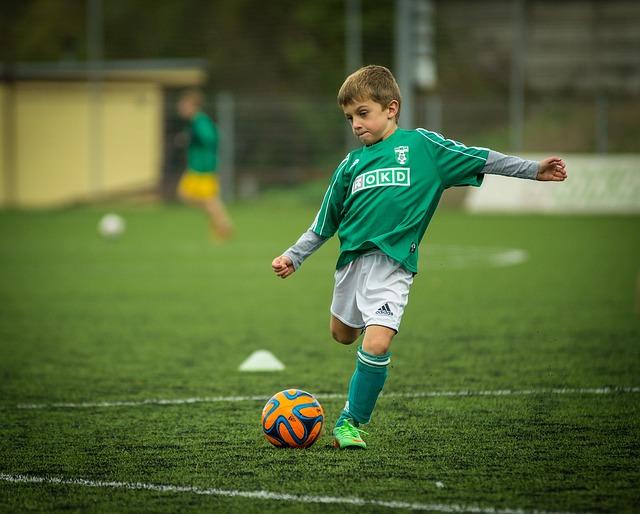
Playing soccer is a fantastic way to build leg muscles due to the nature of the sport. The constant running, jumping, kicking, and quick changes in direction all work together to target and strengthen the muscles in your legs. This includes the quadriceps, hamstrings, calves, and glutes.
When playing soccer, you engage in various muscle-building activities such as sprinting, kicking, and jumping. These movements help to tone and strengthen your leg muscles over time. Additionally, the repetitive nature of these actions can lead to increased muscle endurance, allowing you to play longer and stay stronger throughout the game.
Incorporating soccer into your fitness routine can also help improve your overall athleticism. It not only builds leg muscles but also enhances coordination, agility, and cardiovascular endurance. So, if you’re looking to sculpt your lower body while enjoying a fun and dynamic sport, playing soccer is an excellent choice.
Keep in mind that while playing soccer can help build leg muscles, it’s essential to complement your training with proper nutrition and rest. Remember to stretch before and after games to prevent injuries and improve flexibility. So, lace up your cleats, hit the field, and watch those leg muscles grow stronger with every kick and sprint!
Benefits of Incorporating Soccer into Your Fitness Routine
Playing soccer can be a fun and effective way to improve your fitness level, especially when it comes to building leg muscle. The constant running, kicking, and sprinting involved in soccer help to strengthen and tone the muscles in your legs, including your quadriceps, hamstrings, and calves.
Incorporating soccer into your fitness routine can also help improve your cardiovascular endurance and agility. The fast-paced nature of the game requires quick bursts of speed and rapid changes in direction, which can help enhance your overall athletic performance.
Additionally, playing soccer is a great way to burn calories and improve your coordination and balance. The various movements and skills involved in the game can help to challenge your body in new ways, leading to improved fitness and flexibility over time.
Overall, playing soccer on a regular basis can offer a well-rounded workout that targets multiple muscle groups and provides numerous health benefits. Whether you’re a seasoned athlete or just starting out, adding soccer to your fitness routine can help you stay motivated, engaged, and physically fit.
Specific Leg Muscles Targeted During Soccer Training
Quadriceps
The quadriceps muscles are heavily engaged during soccer training and gameplay. These muscles located at the front of the thigh are responsible for extending the knee and kicking the ball. Strengthening the quadriceps is essential for improving power and speed on the field.
Hamstrings
The hamstrings play a crucial role in soccer, especially during activities like sprinting, kicking, and changing direction quickly. These muscles located at the back of the thigh are responsible for flexing the knee and extending the hip. Strengthening the hamstrings can help prevent injuries and improve overall performance.
Calves
The calves are another important muscle group that is targeted during soccer training. These muscles, located at the back of the lower leg, are essential for activities like running, jumping, and pushing off the ground. Building strength in the calves can improve agility and explosiveness on the field.
| Muscle Group | Function |
|---|---|
| Quadriceps | Extend the knee and kick the ball |
| Hamstrings | Flex the knee and extend the hip |
| Calves | Assist in running, jumping, and pushing off the ground |
Effective Strategies to Maximize Leg Muscle Development Through Soccer
When it comes to maximizing leg muscle development through soccer, there are several effective strategies that athletes can implement to see significant results. One key aspect to consider is the importance of strength training specific to the muscles in the legs. Incorporating exercises such as squats, lunges, and calf raises can help to target and strengthen the quadriceps, hamstrings, and calf muscles.
Furthermore, adding plyometric exercises to your training regimen can also be beneficial for increasing leg muscle development. Plyometric exercises, such as box jumps, jump squats, and bounding drills, can help to improve explosive power and muscle activation in the legs.
Another crucial factor to consider for maximizing leg muscle development through soccer is ensuring proper nutrition and hydration. Consuming an adequate amount of protein, carbohydrates, and fluids is essential for muscle growth, repair, and recovery. Additionally, getting enough rest and sleep is crucial for allowing the muscles to recover and grow after intense training sessions.
Overall, by incorporating a combination of strength training, plyometric exercises, proper nutrition, and rest into your soccer training routine, athletes can effectively maximize leg muscle development and improve their overall performance on the field.
Understanding the Importance of Leg Strength for Soccer Players
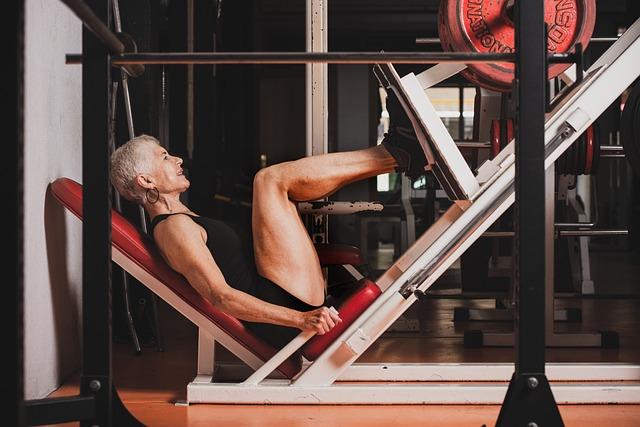
Having strong leg muscles is crucial for soccer players as it directly impacts their performance on the field. While playing soccer can help build leg muscle, it is essential for athletes to incorporate specific exercises to target and strengthen these muscles even further. Here are some key reasons why leg strength is so important for soccer players:
- Improves kicking power and accuracy
- Increases running speed and agility
- Enhances stability and balance
- Reduces the risk of injuries, especially to the knees and ankles
By focusing on developing strong leg muscles through targeted exercises such as squats, lunges, calf raises, and hamstring curls, soccer players can enhance their overall performance and endurance on the field. Additionally, incorporating plyometric exercises like box jumps and lateral hops can help improve explosive power and agility.
| Exercise | Benefits |
|---|---|
| Squats | Build overall leg strength |
| Lunges | Improves balance and stability |
| Calf Raises | Strengthens calf muscles for explosive movements |
| Hamstring Curls | Helps prevent hamstring injuries |
In conclusion, leg strength is a critical component for soccer players to excel in their sport. By incorporating a combination of soccer practice and targeted strength training exercises, athletes can improve their performance, reduce the risk of injuries, and ultimately enhance their overall game.

Tips for Improving Leg Muscle Endurance on the Soccer Field
Building leg muscle endurance is essential for soccer players to maintain performance throughout a game. Here are some tips to help improve your leg muscle endurance on the soccer field:
- Cardiovascular Endurance: Incorporate running, sprinting, and interval training into your workout routine to improve your overall cardiovascular endurance.
- Strength Training: Focus on exercises such as squats, lunges, and calf raises to build strength in your leg muscles.
- Plyometric Exercises: Include plyometric exercises like box jumps and jump squats to increase power and explosiveness in your legs.
- Proper Nutrition: Fuel your body with the right nutrients, including carbohydrates for energy and protein for muscle recovery and growth.
Remember, consistency is key when it comes to improving leg muscle endurance. By following these tips and staying dedicated to your training regimen, you can build the strength and stamina needed to excel on the soccer field.
Incorporating Strength Training Exercises to Complement Soccer Workouts
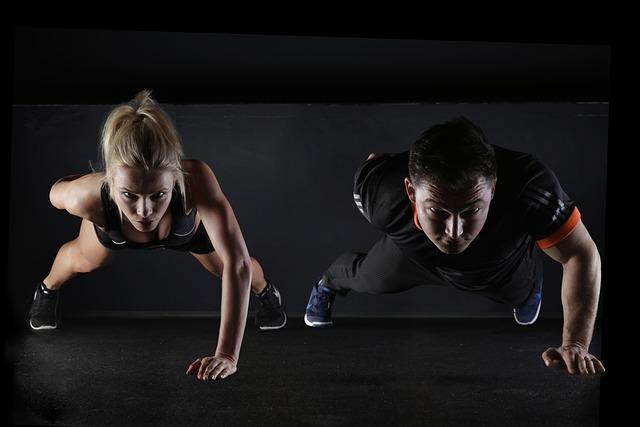
When it comes to improving your performance on the soccer field, incorporating strength training exercises can be incredibly beneficial. While playing soccer does help build leg muscles, adding strength training into your workout routine can further enhance your overall strength, power, and endurance.
Here are some key insights for athletes looking to incorporate strength training exercises to complement their soccer workouts:
- Focus on compound movements such as squats, deadlifts, and lunges to target multiple muscle groups at once.
- Include plyometric exercises like box jumps and bounding to improve explosive power and agility on the field.
- Incorporate exercises that target the core muscles, such as planks and Russian twists, to enhance stability and prevent injuries.
- Don’t forget to include rest days in your training schedule to allow your muscles to recover and grow stronger.
| Exercise | Benefits |
|---|---|
| Squats | Build leg strength and improve overall lower body power. |
| Lunges | Strengthen leg muscles and improve balance and stability. |
| Planks | Strengthen core muscles and improve overall stability. |

Nutrition Tips to Support Muscle Growth and Recovery for Soccer Players
One key component of enhancing muscle growth and supporting recovery for soccer players is ensuring a proper nutrition plan. By fueling your body with the right nutrients, you can optimize your performance on the field and promote muscle development. Here are some essential nutrition tips to help soccer players achieve their fitness goals:
- Consume an adequate amount of protein to support muscle repair and growth. Aim to include protein sources such as lean meats, poultry, fish, eggs, dairy, legumes, and plant-based proteins in your diet.
- Stay hydrated by drinking plenty of water throughout the day. Dehydration can negatively impact muscle function and recovery, so it’s crucial to prioritize fluid intake before, during, and after training sessions and games.
- Incorporate complex carbohydrates into your meals to fuel your muscles and provide sustained energy. Opt for whole grains, fruits, vegetables, and legumes to support your athletic performance.
- Include healthy fats in your diet to support muscle function and recovery. Sources of healthy fats include avocados, nuts, seeds, olive oil, and fatty fish like salmon.
By following these nutrition tips and fueling your body with the right nutrients, you can support muscle growth, enhance recovery, and optimize your performance as a soccer player. Remember that proper nutrition is a key component of athletic success and can help you reach your fitness goals on the field.
How to Avoid Common Leg Muscle Injuries While Playing Soccer
Common Leg Muscle Injuries in Soccer
Soccer is a demanding sport that requires a lot of running, jumping, and sudden changes in direction. As a result, leg muscle injuries are common among soccer players. Some of the most common injuries include:
- Hamstring Strain: This occurs when the muscles in the back of the thigh are stretched beyond their limit, leading to tears in the muscle fibers.
- Quadriceps Strain: A strain in the quadriceps muscles can occur when they are overworked or subjected to sudden movements.
- Calf Strain: This injury happens when the muscles in the back of the lower leg are stretched too far, causing tears in the muscle tissue.
Tips to Avoid Leg Muscle Injuries
Preventing leg muscle injuries while playing soccer is essential to staying on top of your game. Here are some tips to help you avoid common injuries:
- Warm-Up Properly: Before starting any physical activity, make sure to warm up your muscles with dynamic stretches and light jogging.
- Strengthen Your Muscles: Incorporate exercises that target your leg muscles, such as squats, lunges, and calf raises, to increase strength and stability.
- Listen to Your Body: Pay attention to any signs of fatigue or discomfort during training or games and give yourself time to rest and recover.
Insights and Conclusions
In conclusion, playing soccer is a fantastic way to build leg muscle and improve overall fitness levels. By engaging in this dynamic sport, athletes can enhance their strength, agility, and endurance, all while enjoying the thrill of the game. So lace up those cleats and hit the field – your legs will thank you for it!


