Do Soccer Players Play on Real Grass? Comparing Turf vs. Grass Fields!
Have you ever wondered whether your favorite soccer players compete on real grass or artificial turf? In this article, we will explore the differences between playing on turf versus grass fields in soccer. Stay tuned to learn about the pros and cons of each surface and how they impact the game. Let’s kick off this discussion and settle the score on which surface reigns supreme in the world of soccer!
Contents
- 1 – The Impact of Playing Surface on Soccer Performance
- 2 – Advantages and Disadvantages of Turf Fields
- 3 – The Importance of Grass Fields in Soccer
- 4 – Player Preferences and Performance on Different Surfaces
- 5 – Injury Risks Associated with Turf vs. Grass Fields
- 6 – Environmental Considerations: Sustainability of Playing Surfaces
- 7 – Maintenance Costs and Longevity of Turf vs. Grass Fields
- 8 – Recommendations for Choosing the Right Playing Surface
- 9 – Future Trends in Soccer Field Technology
- 10 – Balancing Player Safety, Performance, and Sustainability in Field Selection
- 11 Final Thoughts
– The Impact of Playing Surface on Soccer Performance
When it comes to soccer performance, the playing surface plays a crucial role in the game. The choice between turf and grass fields can significantly impact a player’s performance, injury risk, and overall experience on the field.
<p>While many professional soccer leagues and tournaments around the world still predominantly use natural grass fields, artificial turf has become increasingly popular in recent years due to its durability and lower maintenance costs.</p>


<p>Here are some key factors to consider when comparing turf vs. grass fields:</p>


<ul>

    <li><strong>Traction and Speed:</strong> Grass fields tend to provide better traction and ball control compared to artificial turf, which can be more slippery and affect players' speed and agility.</li>

    <li><strong>Injury Risk:</strong> Turf fields are known to cause more friction and impact on player's joints, leading to a higher risk of injuries such as turf burns, muscle strains, and knee injuries.</li>

    <li><strong>Ball Bounce and Consistency:</strong> Natural grass fields offer a more consistent and predictable ball bounce, whereas artificial turf can cause the ball to bounce unpredictably due to its synthetic surface.</li>

</ul>


<p>Overall, while both turf and grass fields have their pros and cons, the choice between the two ultimately depends on various factors such as budget, maintenance, player preference, and the level of competition.</p>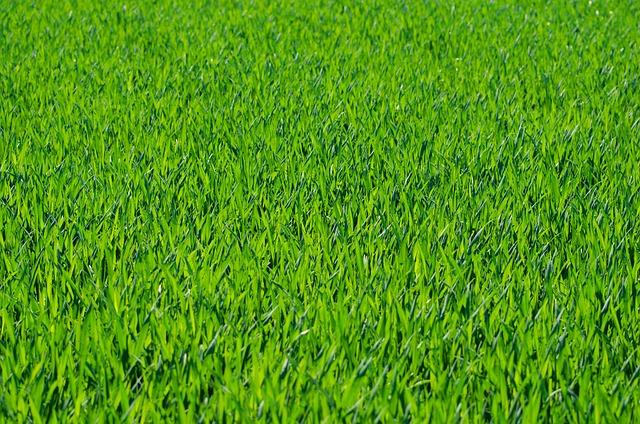
– Advantages and Disadvantages of Turf Fields
When it comes to soccer fields, the choice between turf and grass can be a hotly debated topic. Each type of surface has its own set of advantages and disadvantages, which can impact players’ performance and overall experience on the field.
Advantages of Turf Fields:
- All-Weather Play: Turf fields can be played on in any weather conditions, unlike grass fields which can become muddy and unplayable.
- Low Maintenance: Turf fields require less maintenance than grass fields, saving time and money on upkeep.
- Durability: Turf fields are more durable than grass fields, allowing for more frequent use without damage.
Disadvantages of Turf Fields:
- Increased Risk of Injuries: Turf fields are known to increase the risk of certain injuries, such as turf burns and knee injuries.
- Lack of Natural Feel: Many players prefer the natural feel of grass under their feet, which turf fields cannot replicate.
- Heat Retention: Turf fields can retain heat, making them uncomfortably hot to play on in the summer months.

– The Importance of Grass Fields in Soccer
Soccer players are often asked to perform at the highest level on a variety of playing surfaces, but the debate over turf vs. grass fields continues to be a hot topic. While artificial turf has its advantages in terms of durability and maintenance, many players still have a strong preference for natural grass fields. Let’s take a closer look at the importance of grass fields in soccer and why they remain the preferred choice for many athletes.
One of the main reasons why grass fields are crucial in soccer is their impact on gameplay. Natural grass provides a more predictable and consistent surface for players to run, dribble, and shoot the ball. The quality of the pitch can significantly affect ball movement and player performance, making grass fields essential for the development of technical skills and overall game experience.
Furthermore, grass fields offer a safer playing surface for athletes. The natural cushioning of grass reduces the risk of injuries, especially on impact-heavy tackles and falls. In comparison, artificial turf fields can be harder and less forgiving, leading to a higher likelihood of strains, sprains, and other injuries among players.
In addition to performance and safety benefits, grass fields also contribute to the aesthetic appeal of soccer matches. The lush green surface of a well-maintained grass field adds to the overall beauty of the game, creating a more enjoyable viewing experience for fans and players alike. While the debate between turf and grass fields persists, it’s clear that the tradition, authenticity, and essential qualities of natural grass make it an indispensable aspect of soccer.
– Player Preferences and Performance on Different Surfaces
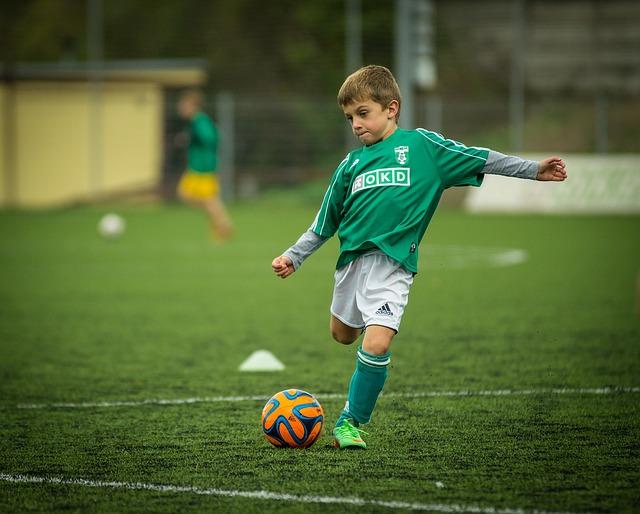
In the world of soccer, the type of playing surface can greatly impact a player’s performance. Some players thrive on turf fields, while others prefer the natural feel of playing on real grass. The debate between turf vs. grass fields has been ongoing, with arguments on both sides.
Players who prefer turf fields often cite the consistent playing surface and speed of the ball as advantages. Turf fields are also known for being more durable and requiring less maintenance compared to grass fields. On the other hand, some players argue that the harder surface of turf can lead to more injuries, especially when it comes to joint and muscle strain.
On the other hand, players who prefer grass fields appreciate the natural feel and cushioning that real grass provides. Grass fields are also known for being cooler to play on, which can be a significant factor in hot weather. However, grass fields require regular maintenance and can be more easily affected by weather conditions, such as rain or snow.
– Injury Risks Associated with Turf vs. Grass Fields
When it comes to soccer fields, there is a longstanding debate on whether turf or grass is the better playing surface. Both options have their own set of advantages and drawbacks, especially when it comes to injury risks for players.
Turf Fields:
- Consistency in surface, less affected by weather conditions
- Can cause abrasions and burns when players slide or fall
- Higher impact on joints and muscles due to the harder surface
Grass Fields:
- Natural cushioning, reduces the risk of impact injuries
- Potential for uneven surfaces, increasing the risk of trips and falls
- Susceptible to weather conditions, may become slippery or muddy
Ultimately, the choice between turf and grass fields comes down to a combination of factors like player preference, budget constraints, and maintenance capabilities. Both surfaces have their own unique characteristics, and it’s important for players and coaches to understand the injury risks associated with each.
– Environmental Considerations: Sustainability of Playing Surfaces
When it comes to soccer playing surfaces, the debate between turf and grass fields has been ongoing. While traditional grass fields are the classic choice for many players, artificial turf has become increasingly popular for its durability and low maintenance requirements. In terms of sustainability, both options have their pros and cons that should be considered.
Artificial turf fields are often made from synthetic materials like polyethylene or polypropylene, which can be harmful to the environment during production and disposal. On the other hand, natural grass fields require regular watering, fertilizing, and mowing, which can contribute to water waste and air pollution from gasoline-powered lawn equipment. Finding a balance between sustainability and functionality is crucial when it comes to choosing the right playing surface for soccer fields.
Factors to consider when evaluating the sustainability of playing surfaces include water usage, maintenance requirements, life cycle assessments, and the overall environmental impact. By weighing these considerations carefully, soccer clubs and organizations can make informed decisions that align with their values and goals. Ultimately, the choice between turf and grass fields depends on various factors such as budget, location, climate, and player preferences.
– Maintenance Costs and Longevity of Turf vs. Grass Fields
When it comes to soccer fields, the debate between turf and grass has been ongoing for decades. One of the main factors to consider is the maintenance costs associated with each type of field. While turf fields may have higher upfront costs, they tend to be more cost-effective in the long run due to lower maintenance needs. Grass fields, on the other hand, require regular watering, fertilizing, mowing, and pest control, which can add up over time.
In terms of longevity, turf fields also have an advantage over grass fields. Turf fields can withstand heavy use and inclement weather conditions better than grass fields, which can become worn out and muddy after extensive use. This means that turf fields can last longer without needing to be replaced, saving both time and money in the long term.
Overall, the decision between turf and grass fields ultimately depends on the specific needs and budget constraints of the organization or facility. Both options have their own set of advantages and disadvantages, so it’s important to weigh the pros and cons carefully before making a decision.

– Recommendations for Choosing the Right Playing Surface
When it comes to choosing the right playing surface for soccer, there are a few key factors to consider. The debate between turf vs. grass fields has been ongoing for years, with both surfaces offering their own set of advantages and disadvantages. Here are some recommendations to help you make the best decision:
- Player Safety: Consider the safety of the players when choosing a playing surface. While artificial turf fields may be more durable and easier to maintain, they can also be harder on the body and increase the risk of injuries.
- Game Speed: Grass fields tend to be more predictable in terms of ball movement and game speed, while artificial turf fields can sometimes be faster and lead to a different style of play.
- Maintenance: Grass fields require more maintenance, including regular mowing, watering, and fertilizing, while artificial turf fields are typically easier to care for and can be used more frequently.
| Surface Type | Advantages | Disadvantages |
|---|---|---|
| Grass | Natural feel, predictable play | Requires more maintenance |
| Artificial Turf | Durable, easy to maintain | Can increase risk of injuries |

– Future Trends in Soccer Field Technology
When it comes to soccer fields, the debate between turf and grass has been ongoing for years. While some players swear by the natural feel of grass under their feet, others appreciate the consistency and low maintenance of artificial turf. Let’s take a closer look at the differences between the two:
Grass Fields
– Usually made of natural grass
– Provides a soft and cushioned surface
– Requires significant maintenance, including watering, mowing, and fertilizing
– Can be affected by weather conditions and usage, leading to uneven surfaces
Turf Fields
– Artificial surface made of synthetic fibers
– Offers consistent playability and requires minimal maintenance
– Can be used in all weather conditions and withstand heavy usage
– Some players find turf to be less forgiving on their joints and muscles
While both grass and turf fields have their advantages and disadvantages, the future of soccer field technology seems to be leaning towards more advanced turf systems. These fields are designed to mimic the look and feel of natural grass while providing the durability and versatility of synthetic surfaces. As technology continues to evolve, we can expect to see even more innovative solutions for soccer fields that offer the best of both worlds.

– Balancing Player Safety, Performance, and Sustainability in Field Selection
When it comes to playing soccer, the type of field can have a significant impact on player safety, performance, and sustainability. One of the main debates in the soccer community is whether players should be competing on turf or grass fields. Let’s take a closer look at the pros and cons of each:
Grass Fields:
- Provide a more natural playing surface
- Reduce friction and impact on player’s joints
- Considered to be more aesthetically pleasing
- Require more maintenance and watering
Turf Fields:
- Offer consistent playability in all weather conditions
- Lower maintenance costs and water usage
- Can cause more abrasions and injuries due to the harder surface
- May have a shorter lifespan compared to natural grass
| Criteria | Grass Fields | Turf Fields |
|---|---|---|
| Playability | Dependent on weather conditions | Consistent in all weather |
| Maintenance | High | Low |
| Sustainability | Requires more water | Less water usage |
Ultimately, the decision between playing on turf or grass fields comes down to balancing player safety, performance, and sustainability. Soccer organizations must carefully consider the trade-offs and choose the option that best aligns with their goals and values.
Final Thoughts
In conclusion, the choice between playing on turf or grass fields ultimately comes down to personal preference and performance. While many professional soccer players still prefer the natural feel of real grass underfoot, the advancements in turf technology have made artificial surfaces a viable option for many. Whether you’re a fan of the traditional game played on grass or embrace the speed and consistency of turf, one thing is for certain – the passion for soccer will continue to thrive on both types of playing surfaces. So lace up your cleats and get ready to kick it on whatever field you find yourself on – the beautiful game awaits!