

Ball Preference: Can You Play Volleyball with a Soccer Ball?
Have you ever wondered if you can play volleyball with a soccer ball? Whether you’re a soccer player looking to mix up your game or a volleyball enthusiast trying something new, the concept of using a soccer ball for volleyball may peak your interest. In this article, we will explore the possibilities of playing volleyball with a soccer ball and discuss the pros and cons of this unconventional idea. Let’s dive in and see if the two sports can cross over in an exciting way!
Contents
- 1 Can You Use a Soccer Ball for Volleyball?
- 2 Key Differences Between Soccer and Volleyball Balls
- 3 Impact of Using a Soccer Ball for Volleyball Play
- 4 Benefits and Drawbacks of Using a Soccer Ball for Volleyball
- 5 Tips for Adapting to Playing Volleyball with a Soccer Ball
- 6 Recommended Ball Size and Weight for Volleyball Play
- 7 Potential Risks of Using the Wrong Ball for Volleyball
- 8 Best Practices for Choosing the Right Ball for Volleyball Games
- 9 Key Takeaways
Can You Use a Soccer Ball for Volleyball?
When it comes to playing volleyball, many people wonder if they can use a soccer ball as a substitute. While it is technically possible to use a soccer ball for volleyball, there are some important factors to consider before making the swap.
One key difference between a volleyball and a soccer ball is the size. A soccer ball is larger and heavier than a volleyball, which can make it more challenging to control and maneuver during a volleyball game. The size difference can also affect the trajectory and speed of the ball when playing volleyball.
Additionally, the surface of a soccer ball is typically smoother than a volleyball, which can impact the way the ball moves through the air and how it feels when hitting it. A volleyball is designed specifically for the sport, with a softer touch and better grip for players.
Overall, while you can technically use a soccer ball for volleyball in a pinch, it is not recommended for regular gameplay. To ensure the best experience and performance, it’s best to stick with a volleyball designed for the sport.
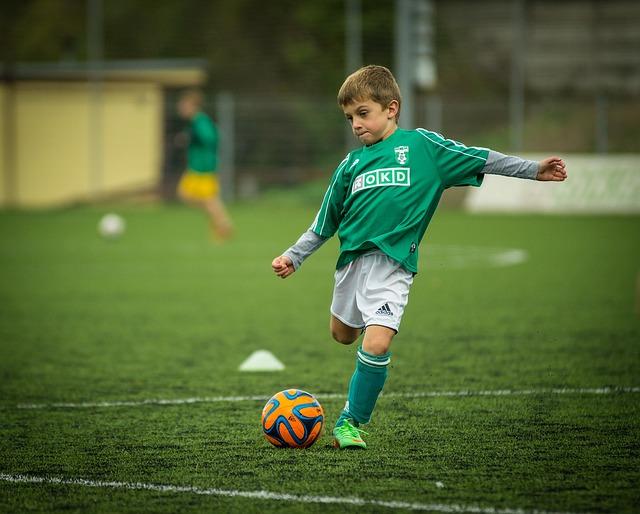
Key Differences Between Soccer and Volleyball Balls
When it comes to ball preference, the are crucial to consider. While both sports require a spherical object to play, the specific design and construction of each ball serve different purposes.
Soccer balls are typically larger and heavier than volleyball balls. They are designed to be kicked, passed, and headed during gameplay, requiring durability and resilience on various surfaces. In contrast, volleyball balls are lighter and smaller, allowing for greater control and precision when passing and setting.
The material used in the construction of soccer balls is often leather, synthetic leather, or rubber, providing a sturdy exterior for intense gameplay. On the other hand, volleyball balls are made of composite leather or synthetic materials to enhance grip and accuracy when serving and spiking.
Overall, while it may be possible to play volleyball with a soccer ball in a pinch, the specific design and characteristics of each ball cater to the unique demands of their respective sports. To maximize performance and enjoyment, it’s recommended to use the appropriate ball for each sport.
Impact of Using a Soccer Ball for Volleyball Play
Using a soccer ball for volleyball play can have both positive and negative impacts on the game.
**Positive impacts:**
– It can improve hand-eye coordination as players need to focus more on controlling a larger ball.
– It can help players develop stronger passing and setting skills due to the heavier weight of the soccer ball.
– It challenges players to adapt to different playing conditions, making them more versatile and adaptable on the volleyball court.
**Negative impacts:**
– The size and weight of a soccer ball may make it more challenging to control and maneuver, leading to more errors in gameplay.
– The different bounce and flight pattern of a soccer ball can throw off players used to a traditional volleyball, affecting their timing and positioning.
– Using a soccer ball may not provide the same level of accuracy and precision in passing and setting as a proper volleyball.
In conclusion, while using a soccer ball for volleyball play can be a fun and challenging alternative, it may not always be the best choice for serious or competitive gameplay due to the differences in size, weight, and performance compared to a standard volleyball.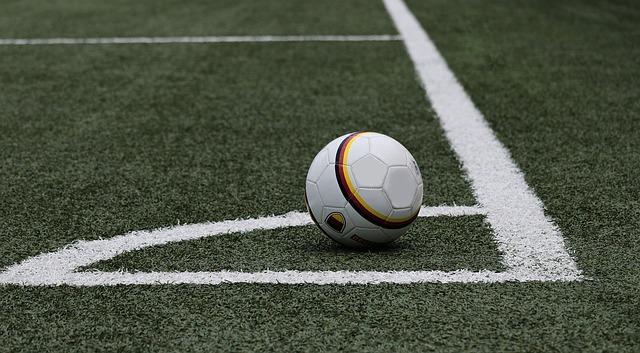
Benefits and Drawbacks of Using a Soccer Ball for Volleyball
When it comes to playing volleyball, the type of ball you use can make a big difference in your game. While traditional volleyball balls are designed specifically for the game, some players may wonder if they can use a soccer ball as an alternative. There are both benefits and drawbacks to using a soccer ball for volleyball.
**Benefits of Using a Soccer Ball for Volleyball:**
– Versatility: Soccer balls are widely available and can be used for both soccer and volleyball, making them a convenient option for players who enjoy both sports.
– Cost-effective: Soccer balls are generally more affordable than specialized volleyball balls, which can be a cost-saving option for players on a budget.
– Durable: Soccer balls are typically designed to withstand rough play on outdoor surfaces, making them a durable option for volleyball games played on different terrains.
**Drawbacks of Using a Soccer Ball for Volleyball:**
– Size and Weight: Soccer balls are larger and heavier than traditional volleyball balls, which can affect the speed and control of the game when used for volleyball.
– Lack of grip: Soccer balls have a smooth surface, which can make it harder to control the ball with precision during volleyball games.
– Bounce: Soccer balls are designed to bounce differently than volleyball balls, which can impact the accuracy and trajectory of passes and hits in volleyball games.
Overall, while using a soccer ball for volleyball can be a fun and cost-effective option, players may experience some challenges in terms of size, weight, grip, and bounce. Ultimately, it comes down to personal preference and adapting your game to the unique characteristics of a soccer ball.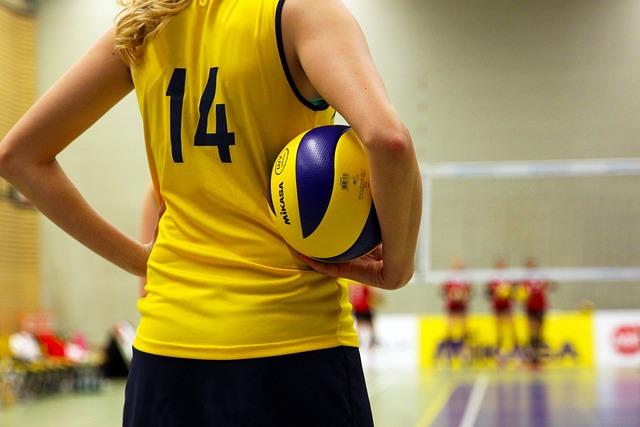
Tips for Adapting to Playing Volleyball with a Soccer Ball
When it comes to playing volleyball with a soccer ball, there are a few tips to keep in mind to adapt to the differences in size and weight. Here are some helpful suggestions:
- Adjust your touch: Soccer balls are larger and lighter than volleyball balls, so you’ll need to adjust your touch and finesse when playing with a soccer ball. Focus on controlling your hits and setting up plays with precision.
- Work on your footwork: Since soccer balls are designed for kicking, you may find yourself using your feet more often in volleyball. Practice your footwork to improve your passing and setting skills with a soccer ball.
- Pay attention to ball trajectory: Soccer balls have a different trajectory when hit compared to volleyball balls. Be mindful of how the ball flies through the air and adjust your positioning and timing accordingly.
By following these tips and practicing regularly with a soccer ball, you can improve your adaptability and skills when playing volleyball with a different type of ball.

Recommended Ball Size and Weight for Volleyball Play
In volleyball, the size and weight of the ball play a crucial role in the game. The standard volleyball ball size is between 25.6 to 26.4 inches in circumference and weighs between 9.2 to 9.9 ounces.
Using a soccer ball instead of a volleyball can significantly impact gameplay. A soccer ball is larger and heavier than a volleyball, making it harder to control and maneuver. The shape and texture of the soccer ball also differ, affecting the way it travels through the air and bounces off surfaces.
While playing volleyball with a soccer ball may be possible, it is not recommended. The size and weight differences can alter the dynamics of the game, leading to potential injury risks and a less enjoyable experience for players. It is best to stick to using the recommended ball size and weight for optimal performance and safety on the court.
So, when gearing up for a game of volleyball, remember that using the right equipment is key. Stick to the standard volleyball ball size and weight to ensure a smooth and competitive gameplay experience.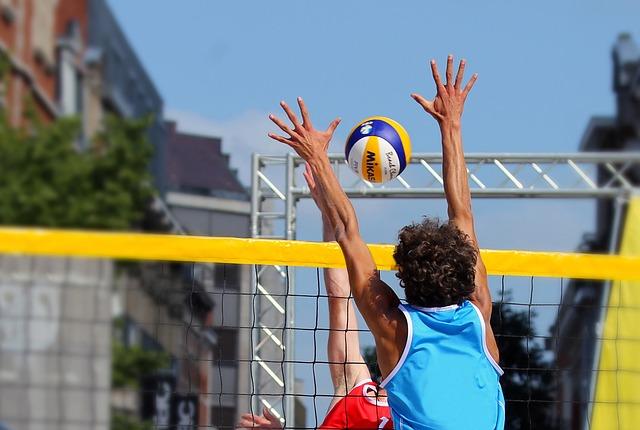
Potential Risks of Using the Wrong Ball for Volleyball
Using the wrong ball for volleyball can pose several potential risks to players and the overall game experience. One common misconception is using a soccer ball as a substitute for a volleyball. While the two balls may appear similar at first glance, there are significant differences that can affect gameplay and safety.
Here are some potential risks of using a soccer ball for volleyball:
- Size and Weight: Soccer balls are larger and heavier than volleyball balls, making them more difficult to control and maneuver during gameplay.
- Air Pressure: Soccer balls are inflated to a higher pressure than volleyball balls, leading to a harder and less forgiving surface for players to handle.
- Impact and Injury: The harder surface of a soccer ball can increase the risk of injury upon impact with players’ bodies, especially during spikes and serves.
Ultimately, using the wrong ball for volleyball can compromise the integrity of the game and the safety of its participants. It is essential to use the correct equipment to ensure a fun and competitive volleyball experience for everyone involved.

Best Practices for Choosing the Right Ball for Volleyball Games
When it comes to choosing the right ball for volleyball games, there are a few key factors to consider. While it may seem tempting to use a soccer ball for a game of volleyball, it’s important to understand the differences between the two types of balls.
Size and Weight: Volleyballs are larger and heavier than soccer balls, with a standard volleyball weighing between 9.2 and 9.9 ounces. Using a soccer ball for volleyball may result in difficulties with handling and accuracy due to the size and weight difference.
Material and Texture: Volleyballs are typically made of leather or synthetic materials, designed to provide optimal grip and control during play. Soccer balls, on the other hand, are often made of panels with different textures for enhanced aerodynamics. The smooth surface of a soccer ball may not provide the necessary grip for precise volleyball maneuvers.
Bounce and Flight: Volleyballs are specifically designed for consistent bounce and flight patterns that are crucial for the game. Using a soccer ball in volleyball may lead to unpredictable movements and trajectories, affecting the overall gameplay experience.
Key Takeaways
In conclusion, while it is possible to play volleyball with a soccer ball, it is not recommended for serious gameplay due to the differences in size, weight, and texture. Volleyball enthusiasts should stick to using regulation volleyball equipment for optimal performance and accuracy. Experimenting with different types of balls can be fun for recreational play, but when it comes to competitive matches, it’s best to stick with what works best for the game. So next time you hit the court, make sure to bring along a proper volleyball to up your game!


