Asthma Awareness: Can Someone with Asthma Play Soccer?
Asthma affects millions of people worldwide, but that doesn’t mean individuals with this condition can’t participate in their favorite sports. Soccer, with its fast-paced nature and physical demands, may seem daunting for those with asthma. However, with proper management and awareness, individuals with asthma can indeed play soccer and enjoy an active lifestyle. Let’s delve into the world of asthma awareness and explore whether someone with asthma can thrive on the soccer field.
Contents
- 1 Can Soccer Players with Asthma Participate in the Game?
- 2 Understanding the Limitations of Playing Soccer with Asthma
- 3 Effective Strategies for Managing Asthma Symptoms While Playing Soccer
- 4 The Importance of Proper Medication for Soccer Players with Asthma
- 5 Tips for Preparing Before, During, and After Soccer Matches
- 6 Working with Coaches and Teammates to Support Players with Asthma
- 7 Common Triggers to Avoid for Soccer Players with Asthma
- 8 Building Endurance and Lung Strength for Soccer Players with Asthma
- 9 Seeking Guidance from Healthcare Professionals for Asthma Management in Soccer
- 10 In Summary
Can Soccer Players with Asthma Participate in the Game?
Asthma is a chronic respiratory condition that affects millions of people around the world, including soccer players. Many professional athletes, including famous soccer players, have successfully managed their asthma while continuing to participate in their sport.
With proper management and medical guidance, soccer players with asthma can absolutely participate in the game. In fact, regular exercise, like playing soccer, can actually help improve lung function and overall respiratory health for individuals with asthma.
Some key considerations for soccer players with asthma include:
- Always carry a rescue inhaler during games and practices.
- Communicate openly with coaches, teammates, and medical professionals about your condition.
- Monitor asthma symptoms closely and adjust activity levels as needed.
Remember, having asthma should not limit your ability to enjoy playing soccer or any other physical activity. With the right management and precautions in place, individuals with asthma can lead active and fulfilling lives both on and off the field.

Understanding the Limitations of Playing Soccer with Asthma
Playing soccer with asthma can present some challenges and limitations, but it is definitely possible with proper management and precautions. It’s important for individuals with asthma to be aware of these limitations in order to safely participate in the sport they love.
Some of the limitations that individuals with asthma may face while playing soccer include:
- Shortness of breath during physical exertion
- Increased risk of asthma attacks, especially in cold weather or during periods of high pollen count
- Decreased endurance due to compromised lung function
Despite these limitations, there are ways to manage asthma symptoms and continue playing soccer. Some tips for individuals with asthma who want to play soccer include:
- Consulting with a doctor to develop an asthma action plan
- Using an inhaler before exercise to prevent symptoms
- Warming up properly before playing and cooling down afterwards
- Being mindful of environmental triggers and adjusting playing conditions as needed
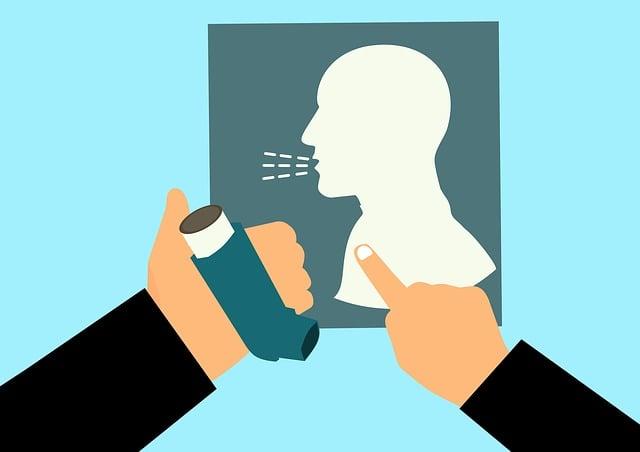
Effective Strategies for Managing Asthma Symptoms While Playing Soccer
Playing soccer with asthma can be challenging, but with the right strategies in place, it is possible to manage symptoms effectively. Here are some tips to help you navigate the field without letting asthma hold you back:
- Stay prepared: Always carry your rescue inhaler with you to quickly alleviate symptoms if needed during the game.
- Monitor your asthma: Keep track of your asthma triggers and symptoms to better understand how to prevent flare-ups while playing.
- Warm up properly: Take the time to properly warm up your muscles and lungs before hitting the field to reduce the risk of an asthma attack.
- Communicate with your coach and teammates: Make sure your coach and teammates are aware of your condition, so they can support you if needed during games or practices.
Remember, having asthma doesn’t mean you can’t enjoy the sport you love. By following these strategies and listening to your body, you can still excel on the soccer field while managing your asthma effectively.

The Importance of Proper Medication for Soccer Players with Asthma
Asthma should not prevent soccer players from pursuing their passion for the sport. With the right medication and proper management techniques, individuals with asthma can safely participate in soccer and other physical activities. It is important for players with asthma to work closely with their healthcare provider to develop a treatment plan that addresses their specific needs.
Proper medication plays a crucial role in controlling asthma symptoms and reducing the risk of asthma attacks during soccer games. Some common medications prescribed for asthma management include:
- Inhalers: These are essential for treating asthma symptoms quickly during physical exertion.
- Steroids: Inhaled or oral steroids may be prescribed to reduce airway inflammation and prevent asthma attacks.
- Long-acting bronchodilators: These medications help to relax the airway muscles, making it easier to breathe.
Players with asthma should always have their rescue inhaler on hand during games and practices. It is also important for coaches, teammates, and medical staff to be aware of their condition and know how to respond in case of an asthma emergency. By taking the necessary precautions and staying consistent with their medication regimen, soccer players with asthma can continue to enjoy the sport they love while managing their condition effectively.

Tips for Preparing Before, During, and After Soccer Matches
For individuals with asthma, playing soccer is not only possible but highly encouraged. However, it is crucial to take certain precautions to ensure a safe and enjoyable experience. Here are some :
- Before: Make sure to properly warm up before the match to prevent any sudden asthma attacks. Take your prescribed medication as directed by your healthcare provider. Stay hydrated and avoid triggers that may worsen your symptoms.
- During: Inform your teammates and coach about your condition so they can provide assistance if needed. Keep your inhaler with you at all times and use it as necessary. Take breaks when needed and listen to your body.
- After: Cool down properly after the match to prevent any post-exercise asthma symptoms. Stay hydrated and monitor your breathing for any unusual changes. Reflect on the match and make notes on how you can improve your asthma management for future games.

Working with Coaches and Teammates to Support Players with Asthma
When it comes to playing soccer with asthma, it’s important to have a supportive team environment that understands and accommodates players with asthma. Coaches and teammates can play a crucial role in supporting players with asthma by being aware of their condition and helping them manage it effectively.
Here are some ways coaches and teammates can support players with asthma on the soccer field:
- Encourage open communication: Create a safe space for players to talk about their asthma and any concerns they may have.
- Be aware of asthma triggers: Understand common asthma triggers such as cold weather, pollen, or exercise, and work together to minimize exposure to these triggers during practice and games.
- Support proper medication usage: Encourage players to carry their rescue inhaler with them at all times and know how to use it in case of an asthma attack.

Common Triggers to Avoid for Soccer Players with Asthma
Avoid These Common Triggers for Soccer Players with Asthma:
Asthma can be challenging for soccer players, but with proper management and awareness, it is possible to continue playing the sport you love. Here are some common triggers to avoid to help manage your asthma symptoms:
- Allergens: Pollen, dust mites, pet dander, and mold can trigger asthma symptoms. Try to avoid playing in grassy areas during peak pollen times, and wash your uniform and equipment regularly to remove allergens.
- Cold Air: Cold air can constrict airways and trigger asthma symptoms. Wear a scarf over your mouth and nose during cold weather games, and consider using a bronchodilator inhaler before playing.
- Exercise-Induced Asthma: Intense physical activity can trigger asthma symptoms in some individuals. Warm up properly before playing, and consider using a rescue inhaler before exercise to prevent symptoms.
| Triggers | Avoidance Tips |
|---|---|
| Allergens | Avoid grassy areas during peak pollen times |
| Cold Air | Wear a scarf over mouth and nose in cold weather |
| Exercise-Induced Asthma | Use a rescue inhaler before exercise |
By being aware of these common triggers and taking proactive steps to avoid them, soccer players with asthma can continue to enjoy the game while managing their symptoms effectively.
Building Endurance and Lung Strength for Soccer Players with Asthma
For soccer players with asthma, building endurance and lung strength is key to managing their condition while excelling on the field. It is possible for individuals with asthma to play soccer, but it requires extra care and preparation to ensure their safety and performance.
Here are some strategies for improving endurance and lung strength for soccer players with asthma:
- Regular Cardiovascular Exercise: Engaging in regular cardiovascular exercises such as running, cycling, or swimming can help improve lung capacity and endurance.
- Interval Training: Incorporating interval training into your workout regimen can help improve cardiovascular fitness and lung strength. Try incorporating short bursts of intense exercise followed by periods of rest.
- Breathing Exercises: Practicing deep breathing exercises can help improve lung function and control asthma symptoms. Try incorporating diaphragmatic breathing into your routine to strengthen your respiratory muscles.
| Dietary Tips | Benefits |
|---|---|
| Avoiding Trigger Foods | Reduces asthma symptoms |
| Hydration | Improves lung function |
| Consuming Omega-3 Fatty Acids | Reduces inflammation in the airways |

Seeking Guidance from Healthcare Professionals for Asthma Management in Soccer
Managing asthma while playing soccer can be a challenge, but with the right guidance from healthcare professionals, it is definitely possible. Asthma should not stop someone from participating in sports they love, including soccer. With proper management techniques and a solid asthma action plan in place, individuals with asthma can safely enjoy playing soccer.
Here are some key points to consider when :
- Consult with a healthcare provider to create a personalized asthma action plan tailored to your needs.
- Discuss medication options for both long-term control and quick relief during physical activity.
- Learn how to properly use inhalers or other asthma devices before engaging in soccer activities.
Remember, with proper guidance and management, individuals with asthma can safely participate in soccer and other physical activities. Don’t let asthma hold you back from doing what you love!
In Summary
In conclusion, individuals with asthma can absolutely play soccer, as long as they properly manage their condition and take necessary precautions. With proper medication, communication with coaches and teammates, and listening to their bodies, individuals with asthma can enjoy the benefits of physical activity while still staying safe. So, don’t let asthma hold you back from pursuing your passion for soccer – with the right approach, you can definitely hit the field and score goals just like any other player. Stay informed, stay prepared, and keep on playing!