
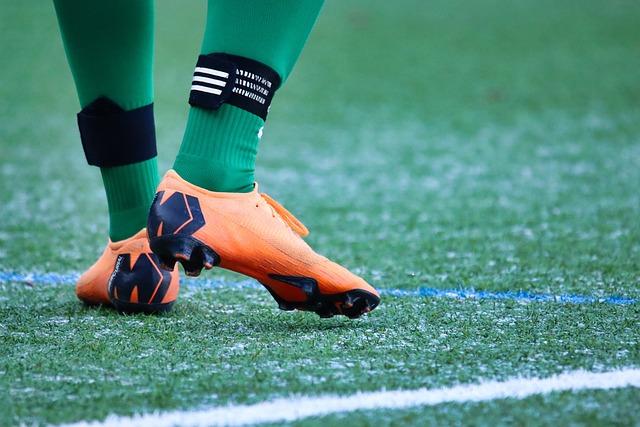
Ankle Support: Can I Play Soccer with a Sprained Ankle?
For soccer players, a sprained ankle can be a real setback to their game. But does that mean you have to hang up your cleats and sit on the sidelines? In this article, we’re going to explore the topic of ankle support and whether or not you can still hit the field with a sprained ankle. So lace up your boots and let’s dive in!
Contents
- 1 Can I Safely Play Soccer with a Sprained Ankle?
- 2 Understanding the Impact of Playing Soccer on a Sprained Ankle
- 3 Important Factors to Consider Before Returning to Soccer
- 4 Expert Recommendations for Playing Soccer with a Sprained Ankle
- 5 Risk Factors to Be Aware of When Playing Soccer with a Sprained Ankle
- 6 Tips for Protecting and Supporting Your Ankle During Soccer
- 7 Ways to Modify Your Game to Prevent Further Injury
- 8 Common Mistakes to Avoid When Playing Soccer with a Sprained Ankle
- 9 Listening to Your Body: Signs to Stop Playing and Rest
- 10 Consulting with a Healthcare Professional for Individualized Advice
- 11 Concluding Remarks
Can I Safely Play Soccer with a Sprained Ankle?
If you have a sprained ankle and are wondering whether you can safely play soccer, the answer is both yes and no. It ultimately depends on the severity of your sprain and how well you can manage the pain and swelling. Here are some things to consider before hitting the field:
- Consult with a healthcare professional: Before deciding to play soccer with a sprained ankle, it’s crucial to consult with a healthcare professional, such as a doctor or physiotherapist, to assess the extent of your injury and determine if it is safe for you to engage in physical activity.
- Use proper ankle support: Investing in a quality ankle brace or wrap can provide added stability and support to your injured ankle, reducing the risk of further injury while playing soccer.
- Listen to your body: If you experience increased pain, swelling, or instability while playing soccer with a sprained ankle, it’s essential to listen to your body and stop playing to prevent exacerbating the injury.

Understanding the Impact of Playing Soccer on a Sprained Ankle
Playing soccer with a sprained ankle can have a significant impact on your injury and recovery process. It’s important to understand how the sport can affect your ankle and what precautions you should take to prevent further damage. Here are some key points to consider:
– **Risk of aggravating the injury:** Playing soccer with a sprained ankle increases the risk of aggravating the injury. The sudden movements, twisting, and impact involved in the game can put additional strain on the already weakened ankle, leading to further damage.
– **Importance of ankle support:** Wearing proper ankle support, such as a brace or tape, can help stabilize the joint and reduce the risk of re-injury. This extra support can provide added protection and allow you to continue playing soccer while minimizing the impact on your sprained ankle.
– **Listen to your body:** It’s crucial to listen to your body and pay attention to any pain or discomfort while playing. If you experience increased pain, swelling, or instability in your ankle, it’s essential to stop playing immediately and seek medical attention.
In conclusion, while it may be possible to play soccer with a sprained ankle with the right precautions and support, it’s essential to prioritize your health and well-being. Consult with a healthcare professional to determine the best course of action for your specific injury and recovery plan.
Important Factors to Consider Before Returning to Soccer
When considering returning to soccer after a sprained ankle, it is important to assess the level of injury and determine if playing is safe. Your ankle will need time to heal properly before engaging in physical activity. Ensure that you have fully recovered to prevent further damage or re-injury.
**Factors to consider before returning to soccer:**
- Consult with a healthcare professional to assess the severity of the sprain and determine if it is safe to play.
- Gradually ease back into soccer activities to test the strength and stability of your ankle.
- Consider wearing ankle support or using tape to provide extra stability during gameplay.
- Listen to your body and do not push through pain or discomfort while playing. Take breaks as needed.
| Ankle Support | Purpose |
|---|---|
| Ankle Brace | Provides additional support and helps prevent further injury. |
| Ankle Tape | Offers temporary stability and helps with proprioception. |
Remember that it is essential to prioritize your health and safety when deciding whether to return to soccer with a sprained ankle. Always follow medical advice and take necessary precautions to prevent re-injury.

Expert Recommendations for Playing Soccer with a Sprained Ankle
When it comes to playing soccer with a sprained ankle, it’s essential to listen to your body and follow expert recommendations to prevent further injury. Here are some tips from sports medicine specialists:
- RICE Method: Rest, Ice, Compression, and Elevation are key to managing a sprained ankle. Make sure to follow this protocol immediately after the injury to reduce swelling and discomfort.
- Ankle Support: Consider wearing an ankle brace or tape to provide extra stability and support during gameplay. This can help prevent further strain on the injured ankle.
- Gradual Return: It’s important to ease back into playing soccer after a sprained ankle. Start with light drills and slowly increase intensity to avoid re-injury.
Remember, safety should always be your top priority when playing with a sprained ankle. Consult with a medical professional if you have any concerns about returning to the field.

Risk Factors to Be Aware of When Playing Soccer with a Sprained Ankle
Playing soccer with a sprained ankle can be risky and may lead to further injury if not careful. It is important to be aware of the following risk factors when deciding whether or not to play with a sprained ankle:
- Increased risk of re-injury: Continuously playing with a sprained ankle can weaken the ligaments and muscles, making you more prone to re-injury.
- Reduced mobility: A sprained ankle can limit your range of motion and affect your ability to move quickly and effectively on the field.
- Possible aggravation: Playing soccer with a sprained ankle can aggravate the injury and prolong the recovery process, leading to more time on the sidelines.
It is crucial to listen to your body and consult with a healthcare professional before making the decision to play soccer with a sprained ankle. Proper ankle support, rehabilitation exercises, and rest are key factors in promoting healing and preventing further damage.

Tips for Protecting and Supporting Your Ankle During Soccer
To protect and support your ankle during soccer, it’s essential to take proactive measures to prevent further injury and ensure a speedy recovery. One of the best ways to provide support to your ankle is by wearing a high-quality ankle brace designed specifically for sports like soccer. An ankle brace can help stabilize your ankle joint, reduce the risk of twisting or rolling, and provide additional support during intense physical activity.
In addition to wearing an ankle brace, you can also benefit from incorporating strengthening exercises into your regular training routine. Exercises that target the muscles around the ankle, such as calf raises, ankle circles, and heel walks, can help improve stability and reduce the likelihood of future injuries. It’s crucial to consult with a physiotherapist or sports medicine professional to determine the best exercises for your specific needs and goals.
Furthermore, pay attention to your footwear while playing soccer. Opt for cleats that offer good ankle support and traction to help prevent slips and falls on the field. Investing in high-quality soccer cleats can make a significant difference in maintaining the health and stability of your ankles during gameplay. Remember, taking care of your ankles now can help you stay on the field and enjoy the game for years to come.
Ways to Modify Your Game to Prevent Further Injury
Playing soccer with a sprained ankle can be risky, but with the right modifications, you can still enjoy the game while minimizing the risk of further injury. One way to modify your game is by wearing a supportive ankle brace or wrapping your ankle with athletic tape. This extra support can help stabilize your ankle and reduce the likelihood of re-injury.
Another modification you can make is to focus on low-impact activities during practice or games. Avoiding sudden stops and turns, as well as limiting jumping and running on uneven surfaces, can help protect your sprained ankle from additional strain. Additionally, incorporating strengthening exercises for the ankle and surrounding muscles into your training routine can improve stability and prevent future injuries.
It’s important to listen to your body and not push through pain while playing with a sprained ankle. If you experience increased discomfort or swelling during the game, it’s best to take a break and rest your ankle. Remember, proper rehabilitation and gradual return to full activity are key to a successful recovery from a sprained ankle. By making these modifications and listening to your body, you can safely continue playing soccer while allowing your ankle to heal properly.
Common Mistakes to Avoid When Playing Soccer with a Sprained Ankle
When playing soccer with a sprained ankle, it’s important to be aware of common mistakes that can worsen your injury. By avoiding these errors, you can minimize the risk of further damage and promote faster healing.
- Avoid pushing through the pain: While it may be tempting to ignore the discomfort and continue playing, this can lead to more severe injuries. Listen to your body and give your ankle time to recover.
- Don’t neglect proper ankle support: Using a brace or wrap can provide much-needed stability and prevent your ankle from rolling or twisting during play. This extra support can help you avoid reinjuring yourself.
- Choose appropriate footwear: Wearing cleats with good ankle support can reduce the strain on your injured ankle and lower the risk of aggravating the sprain. Opt for shoes that fit well and provide adequate cushioning.

Listening to Your Body: Signs to Stop Playing and Rest
When it comes to playing soccer with a sprained ankle, it’s crucial to listen to your body and know the signs when it’s time to stop and rest. Ignoring the signals from your body can lead to further injury and prolonged recovery time.
Here are some signs that indicate it’s time to stop playing and give your sprained ankle the rest it needs:
- Increased pain or discomfort in the ankle area
- Swelling or bruising that is getting worse
- Difficulty bearing weight on the affected ankle
- Lack of range of motion in the ankle joint
Remember, pushing through the pain can do more harm than good. It’s important to prioritize your body’s well-being and give it the time to heal properly before returning to the soccer field.

Consulting with a Healthcare Professional for Individualized Advice
When dealing with a sprained ankle, it’s essential to consult with a healthcare professional for personalized advice on whether it is safe to play soccer. A sprained ankle can vary in severity, with some cases requiring rest and others allowing for modified activity.
During your consultation with a healthcare professional, they will assess the extent of your sprain and provide guidance on the best course of action. Factors they will consider include:
- The severity of the sprain
- Your pain levels and range of motion
- Your overall fitness and previous injury history
Based on this assessment, your healthcare professional may recommend specific exercises, ankle support, or modifications to your soccer play to prevent further injury. It’s crucial to follow their advice to ensure a safe and successful return to the field.
Concluding Remarks
In conclusion, playing soccer with a sprained ankle is possible with the right ankle support. By wearing a supportive brace or tape, receiving proper treatment, and following a rehabilitation plan, you can get back on the field and continue enjoying the game you love. Remember to always listen to your body and consult with a healthcare professional if you have any concerns. With the right approach, you can confidently get back to playing soccer without risking further injury.


