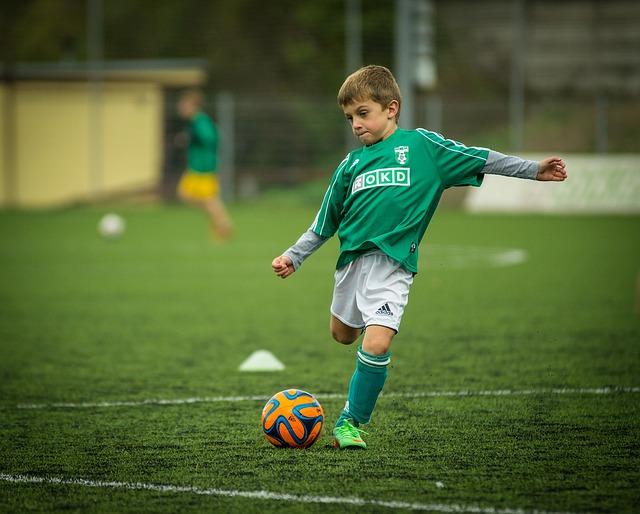
A Soccer Player Kicks a Ball Downfield: Exploring Long-Distance Passing!
Have you ever wondered how soccer players are able to kick a ball with such precision and power, sending it soaring down the field to their teammates? In this article, we will delve into the world of long-distance passing in soccer, exploring the techniques and strategies that players use to execute these impressive plays. Join us as we uncover the secrets behind a soccer player kicking a ball downfield and the skill and precision required to make it happen.
Contents
- 1 – Exploring the mechanics of long-distance passing in soccer
- 2 – Understanding the importance of technique in achieving a successful long pass
- 3 – Analyzing the role of power and precision in executing a flawless downfield kick
- 4 – Tips for improving your long-distance passing skills on the soccer field
- 5 – The impact of field conditions on the effectiveness of a downfield pass
- 6 – How to properly assess and adjust for wind and other environmental factors when making a long pass
- 7 – The mental focus required to consistently deliver accurate long passes
- 8 – Studying the positioning and movement of teammates to maximize the effectiveness of a downfield kick
- 9 – Recognizing and seizing opportunities for long-distance passing in a soccer match
- 10 In Conclusion
– Exploring the mechanics of long-distance passing in soccer
In soccer, long-distance passing is a crucial skill that can make or break a game. A well-executed long pass can open up space, break through defensive lines, and create scoring opportunities for the team. There are several key mechanics involved in achieving an accurate and powerful long-distance pass:
-
Technique: Proper technique is essential for a successful long pass. Players should approach the ball at the correct angle, with their non-kicking foot placed next to the ball for balance. The kicking foot should make contact with the center of the ball, following through with the leg to generate power and accuracy.
-
Power: Generating power in a long-distance pass requires a combination of leg strength and technique. Players should focus on striking the ball with the correct amount of force, while also maintaining control and accuracy.
-
Accuracy: Accuracy is key when it comes to long-distance passing. Players should aim to hit their target with precision, whether that be a teammate in space or a specific area on the field. Practicing consistent technique and foot placement can help improve accuracy over time.
- Vision: A player’s ability to read the game and anticipate movements on the field is crucial for successful long-distance passing. Having good vision and awareness of teammates’ positions can help players make quick decisions and execute effective passes downfield.

– Understanding the importance of technique in achieving a successful long pass
When it comes to executing a successful long pass in soccer, technique plays a crucial role in determining the accuracy, distance, and effectiveness of the pass. A well-executed long pass can be a game-changer, allowing a team to quickly transition from defense to offense and create scoring opportunities.

One key element in achieving a successful long pass is proper foot positioning. When preparing to kick the ball downfield, a player should plant their non-kicking foot next to the ball and slightly behind it for balance and power. This will allow the player to generate maximum force and accuracy when striking the ball.
Another important aspect of long-distance passing is the technique used to strike the ball. Players should aim to make clean contact with the center of the ball using the instep of their foot. This will help create a smooth, controlled trajectory for the pass and minimize the chances of the ball veering off course.

– Analyzing the role of power and precision in executing a flawless downfield kick
When it comes to executing a flawless downfield kick in soccer, there are two key factors at play: power and precision. A successful long-distance pass requires a delicate balance of both elements to ensure the ball reaches its intended target with accuracy and speed.
Power: The amount of force applied to the ball during a downfield kick is crucial in determining how far it will travel. Players must generate sufficient power through proper technique, including a strong follow-through and momentum transfer from the kicking leg. Without the right amount of power, the ball may fall short of its target or be intercepted by an opposing player.
Precision: Alongside power, precision is essential for a successful downfield kick. Players must carefully calculate the angle and trajectory of their kick to ensure the ball reaches its intended destination. Factors such as wind speed, pitch conditions, and the positioning of other players can all affect the accuracy of the kick.
By mastering the balance of power and precision in their downfield kicks, soccer players can effectively execute long-distance passes that help their team maintain possession, create scoring opportunities, and ultimately secure victory on the field.
– Tips for improving your long-distance passing skills on the soccer field
One key aspect of improving your long-distance passing skills on the soccer field is mastering the technique. Focus on striking the ball with the instep of your foot, keeping it low and driven with power. This will help ensure accuracy and distance in your passes.
Another important tip is to always keep your eye on the target. Visualizing where you want the ball to go will help you make more precise long-distance passes. Additionally, make sure to adjust the power and angle of your kick based on the distance to your teammate or target.
Practice makes perfect when it comes to long-distance passing. Set up drills that focus specifically on long passes, such as passing the ball to a teammate who is positioned far away. Repetition will help you hone your skills and improve your technique over time.
Lastly, don’t underestimate the importance of strength and conditioning in improving your long-distance passing abilities. Building lower body strength will help you generate more power in your kicks, allowing you to send the ball further downfield with ease. Remember, practice, focus, and dedication are key to mastering long-distance passing on the soccer field.
– The impact of field conditions on the effectiveness of a downfield pass
The effectiveness of a downfield pass in soccer can be greatly influenced by the field conditions. Factors such as the type of grass, weather conditions, and field surface can all play a significant role in how successful a long-distance pass will be. Here are some key points to consider when assessing the impact of field conditions on the effectiveness of a downfield pass:
– **Grass Type**: The type of grass on the field can affect how the ball travels. For example, longer grass may slow the ball down, making it harder to execute a successful long pass. On the other hand, shorter grass may allow the ball to travel further and more accurately.
– **Weather Conditions**: Weather can also have a big impact on the effectiveness of a downfield pass. Rainy or windy conditions may cause the ball to move unpredictably, making it difficult for the receiver to control. On the other hand, clear and calm weather can make it easier to execute a precise long pass.
– **Field Surface**: The surface of the field, whether it be natural grass, artificial turf, or a hybrid surface, can also affect the success of a downfield pass. Some surfaces may be more conducive to long-distance passing, while others may make it harder to control the ball and aim accurately.
Understanding how field conditions can impact the effectiveness of a downfield pass is crucial for soccer players looking to improve their long-distance passing skills. By taking into account factors such as grass type, weather conditions, and field surface, players can better adapt their techniques and strategies to maximize the success of their long passes.
– How to properly assess and adjust for wind and other environmental factors when making a long pass
One key aspect of making a successful long pass in soccer is being able to properly assess and adjust for environmental factors such as wind. Wind can significantly affect the trajectory and distance of the ball, potentially leading to an inaccurate pass if not taken into consideration.
To account for wind when making a long pass, players should first assess the direction and speed of the wind. This can be done by observing the movement of flags, trees, or any other objects that indicate the wind’s direction. Once the wind direction is determined, players can adjust their pass by aiming slightly to the opposite side of where they want the ball to ultimately land.
In addition to wind, other environmental factors such as rain, sun glare, or uneven ground can also impact the accuracy of a long pass. Players should be mindful of these factors and make necessary adjustments to their technique to ensure a successful pass. Practice in varying weather conditions can help players develop the skill and confidence to adapt to different environmental factors during a game.
Overall, mastering the ability to assess and adjust for wind and other environmental factors when making a long pass can greatly improve a player’s accuracy and effectiveness on the field. By staying attentive to these factors and making the necessary adjustments, players can increase their chances of successfully connecting with their teammates downfield.
– The mental focus required to consistently deliver accurate long passes
When it comes to executing accurate long passes in soccer, mental focus plays a crucial role in ensuring success on the field. Players must have a clear mindset and unwavering concentration to consistently deliver precise passes over long distances.
The mental focus required for accurate long passes involves:
- Visualization: Visualizing the intended target and trajectory of the pass helps players anticipate their next move and make split-second decisions.
- Confidence: Believing in one’s ability to execute the pass with accuracy is essential for maintaining composure under pressure.
- Precision: Calculating the right amount of power and technique to deliver the ball to the desired location requires mental acuity and sharp focus.
By honing their mental focus skills, soccer players can enhance their long-distance passing abilities and contribute to their team’s success on the pitch. It’s not just about kicking a ball downfield—it’s about executing each pass with precision and finesse.

– Studying the positioning and movement of teammates to maximize the effectiveness of a downfield kick
When a soccer player lines up to kick the ball downfield, there are numerous factors to consider in order to maximize the effectiveness of the play. One key aspect to study is the positioning and movement of teammates on the field. By understanding how players are positioned and how they are moving, a player can better assess where to send the ball for the most successful outcome.
One strategy to consider is creating space for the downfield kick. By maneuvering teammates strategically, a player can create openings in the opposing team’s defense. This can allow for a clearer path for the ball to travel and increase the chances of a successful long-distance pass.
Additionally, studying the positioning of teammates can help a player anticipate their movements and adjust the trajectory of the kick accordingly. By predicting where teammates will be, a player can send the ball to the optimal location, increasing the likelihood of a successful play.

– Recognizing and seizing opportunities for long-distance passing in a soccer match
When it comes to recognizing and seizing opportunities for long-distance passing in a soccer match, there are several key factors that players need to keep in mind. One of the most important aspects of successfully executing a long-distance pass is having excellent vision and awareness of the field. Players should constantly be scanning the field for open teammates and potential passing lanes.
Additionally, technique plays a crucial role in long-distance passing. Players should focus on striking the ball cleanly with the correct amount of power and accuracy. Proper technique involves using the instep of the foot to drive the ball with precision and control.
Timing is also essential when it comes to long-distance passing. Players need to be able to anticipate the movement of their teammates and the opposition in order to execute a successful pass. By waiting for the right moment and making quick decisions, players can take advantage of opportunities to play the ball downfield.
Overall, mastering the art of long-distance passing requires a combination of vision, technique, and timing. By honing these skills and staying focused on the field, players can become effective playmakers who are able to create scoring opportunities for their team.
In Conclusion
By mastering the art of long-distance passing, soccer players can unlock new possibilities on the field and create game-changing opportunities for their team. Whether you’re a seasoned player looking to fine-tune your skills or a beginner eager to learn the basics, understanding the technique and strategy behind this essential skill is key. So, next time you see a player kicking a ball downfield with precision and power, remember the thought and practice that goes into executing such a move. Keep practicing, stay focused, and keep pushing yourself to improve – you never know when your long-distance passing skills will come in handy on the pitch!