Limb Replacement: Can You Play Soccer with a Prosthetic Leg?
Have you ever wondered if it’s possible to play soccer with a prosthetic leg? Limb replacement technology has come a long way in recent years, allowing individuals to lead active and fulfilling lives. In this article, we will explore the possibility of playing soccer with a prosthetic leg and how advancements in prosthetic technology are making this sport more accessible than ever.
Contents
- 1 Introduction
- 2 Types of Prosthetic Legs for Athletes
- 3 Challenges and Benefits of Playing Soccer with a Prosthetic Leg
- 4 Real-life Success Stories of Athletes with Prosthetic Limbs
- 5 Tips for Choosing the Right Prosthetic Leg for Playing Soccer
- 6 Training and Rehabilitation for Soccer Players with Prosthetic Limbs
- 7 Common Misconceptions about Playing Soccer with a Prosthetic Leg
- 8 Professional Soccer Players Who Use Prosthetic Limbs
- 9 Safety Considerations for Playing Soccer with a Prosthetic Leg
- 10 Insights and Conclusions
Introduction
When it comes to limb replacement, one common question that arises is whether individuals with a prosthetic leg can still engage in high-impact activities such as playing soccer. The answer may surprise you – yes, it is entirely possible to play soccer with a prosthetic leg! With advancements in technology and design, prosthetic limbs are now more functional and versatile than ever before.
Prosthetic legs are specifically designed to provide individuals with the support and mobility needed to participate in various physical activities, including sports. Whether you are a recreational player or aspire to compete at a professional level, a prosthetic leg can help you stay active and pursue your passion for soccer.
There are many inspiring stories of athletes who have successfully returned to playing soccer after undergoing limb replacement surgery. With determination, dedication, and the right equipment, individuals with prosthetic legs can excel on the soccer field just like their able-bodied counterparts.
So, if you are considering limb replacement and wondering about its impact on your ability to play soccer, rest assured that with the proper prosthetic leg and training, you can continue to enjoy the beautiful game and thrive in your athletic pursuits.
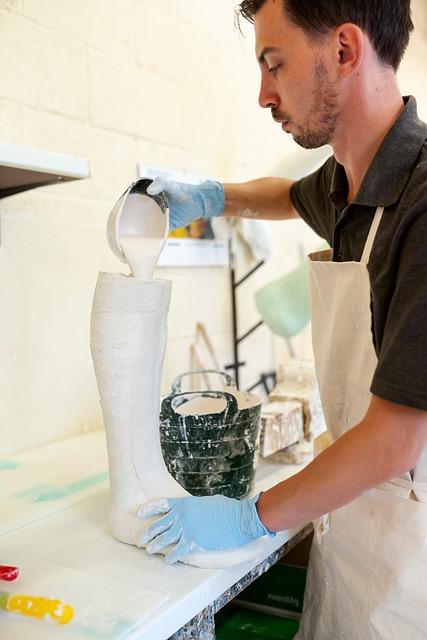
Types of Prosthetic Legs for Athletes
There are various types of prosthetic legs specifically designed for athletes who want to continue playing sports like soccer. These prosthetic limbs are engineered to provide stability, flexibility, and durability to withstand the demands of high-impact activities. Here are some of the most common types of prosthetic legs used by athletes:
- Blade Runners: These prosthetic legs are known for their spring-like quality, which mimics the natural function of the human foot and ankle. Blade runners are popular among athletes who participate in track and field sports.
- Solid Ankle Cushion Heel (SACH) Feet: SACH feet are designed to provide stability and shock absorption, making them ideal for athletes who engage in activities that require sudden stops and quick direction changes.
- Microprocessor-Controlled Prosthetic Legs: These advanced prosthetic limbs use sensors and microprocessors to adjust to the wearer’s movements in real-time, enhancing control and stability during physical activities such as running, jumping, and kicking a soccer ball.
Athletes who use prosthetic legs for soccer often undergo rigorous training to adapt to their new limb and maximize their athletic performance on the field. With the right prosthetic leg and dedication to training, many athletes have successfully returned to playing soccer at competitive levels, proving that limb replacement does not have to hinder one’s ability to pursue their passion for sports.
Challenges and Benefits of Playing Soccer with a Prosthetic Leg
Playing soccer with a prosthetic leg can present both challenges and benefits for individuals with limb replacements. One major challenge is the need to adjust to the new weight distribution and balance required to play the sport effectively. It may take time for players to regain their confidence and coordination on the field.
However, there are also many benefits to playing soccer with a prosthetic leg. It can be a great way for individuals to stay active and maintain their physical fitness. Additionally, it can provide a sense of accomplishment and empowerment, proving that physical limitations do not have to hold you back from pursuing your passion for sports.
Some tips for playing soccer with a prosthetic leg include:
– Ensuring that the prosthetic leg fits properly and is comfortable to wear during physical activity
– Participating in regular strength and conditioning exercises to improve overall mobility and stability
– Working closely with a prosthetist to make any necessary adjustments to the prosthetic leg for optimal performance on the field
Overall, while there may be challenges to overcome, playing soccer with a prosthetic leg can be a rewarding and fulfilling experience for individuals who are determined to continue pursuing their love for the sport.
Real-life Success Stories of Athletes with Prosthetic Limbs
Believe it or not, athletes with prosthetic limbs are not just surviving, they are thriving! Many have achieved remarkable success in their respective sports, breaking barriers and proving that physical limitations are no match for determination and perseverance.
One inspiring example is Paralympic sprinter Blake Leeper, who holds the world record for the 400m in the T44 category. Despite being born without lower legs, Leeper has not let his prosthetic limbs hold him back and continues to push the boundaries of what is possible in track and field.
Another incredible athlete is snowboarder Amy Purdy, who lost both of her legs due to bacterial meningitis. She not only learned to snowboard with prosthetic legs but also went on to win a bronze medal at the Paralympic Games. Purdy’s story is a testament to the fact that with determination and hard work, anything is possible.

Tips for Choosing the Right Prosthetic Leg for Playing Soccer
When it comes to choosing the right prosthetic leg for playing soccer, there are several factors to consider to ensure you can perform at your best on the field. Here are some tips to help you make an informed decision:
**1. Consult with a Prosthetist:** Before making any decisions, it’s important to consult with a prosthetist who specializes in sports prosthetics. They can assess your individual needs and recommend the best prosthetic leg for playing soccer based on your level of activity and mobility.
**2. Consider the Type of Prosthetic Leg:** There are different types of prosthetic legs available, such as carbon fiber blades, hydraulic knees, and energy-storing feet. Depending on your preference and playing style, you may need a specific type of prosthetic leg that offers the flexibility, stability, and support required for playing soccer.
**3. Test Different Options:** Once you have identified a few potential prosthetic legs, it’s essential to test them out on the field. This will allow you to see how each prosthetic leg performs during activities like running, kicking, and changing direction. Make sure to provide feedback to your prosthetist to make any necessary adjustments.
**4. Ensure Proper Fit and Comfort:** Lastly, it’s crucial to ensure that your prosthetic leg fits properly and is comfortable to wear for extended periods. A well-fitted prosthetic leg will help you maintain stability and prevent any discomfort or pain while playing soccer. Remember, finding the right prosthetic leg may take some trial and error, but with the help of a prosthetist, you can find the perfect fit for your soccer needs.
Training and Rehabilitation for Soccer Players with Prosthetic Limbs
When it comes to soccer players with prosthetic limbs, training and rehabilitation are crucial components of their success on the field. While many may question if it’s possible to play soccer with a prosthetic leg, the answer is a resounding yes!
With the right training and rehabilitation program, soccer players with prosthetic limbs can not only compete but excel in the sport. Here are some key aspects of training and rehabilitation for these athletes:
- Prosthetic Fit: Ensuring the prosthetic limb fits properly is essential for optimal performance and comfort during training and games.
- Strength and Conditioning: Building strength in the core and remaining limb, as well as improving cardiovascular endurance, is essential for soccer players with prosthetic limbs.
- Balance and Coordination: Developing balance and coordination skills is crucial for maintaining stability on the field and executing precise movements.
Overall, with the right support and determination, soccer players with prosthetic limbs can continue to pursue their passion for the sport and achieve great success.

Common Misconceptions about Playing Soccer with a Prosthetic Leg
Many people have misconceptions about playing soccer with a prosthetic leg. While it may seem challenging, the truth is that individuals with a prosthetic leg can absolutely play soccer just as effectively as those without. Here are some common misconceptions debunked:
- You can’t run as fast: Contrary to popular belief, modern prosthetic legs are designed to be lightweight and provide a wide range of motion. With the right prosthetic leg and proper training, individuals can run just as fast as anyone else on the soccer field.
- You can’t kick the ball accurately: Prosthetic legs are crafted with advanced technology that allows for precise movements. Many athletes with prosthetic legs have excellent control and accuracy when kicking a soccer ball.
- You are more prone to injury: While it is important to take precautions and wear protective gear, individuals with prosthetic legs are not necessarily more prone to injury while playing soccer. With proper training and awareness, they can play the game safely.

Professional Soccer Players Who Use Prosthetic Limbs
Playing professional soccer with a prosthetic limb may seem like a daunting challenge, but there are several inspirational athletes who prove that it is indeed possible. These individuals have not let their physical limitations hold them back from pursuing their dreams on the soccer field. They serve as shining examples of determination, resilience, and skill.
One such player is **Nico Calabria**, a talented soccer player who was born without a right leg. Despite this obstacle, Nico has excelled in the sport and even represented the United States in the Amputee World Cup. His incredible athleticism and passion for the game have inspired many aspiring athletes with disabilities.
Another notable figure is **Casey Bennett**, a professional soccer player from England who lost his leg in a motorcycle accident. After receiving a prosthetic limb, Casey worked tirelessly to regain his strength and agility on the field. His perseverance paid off, as he now competes at the highest level of the sport and serves as a role model for athletes facing similar challenges.
These remarkable individuals demonstrate that with the right support, technology, and mindset, playing soccer with a prosthetic limb is not only achievable but can also lead to remarkable success. Their stories are a testament to the power of the human spirit and the endless possibilities that exist when one is determined to overcome adversity.
Safety Considerations for Playing Soccer with a Prosthetic Leg
Playing soccer with a prosthetic leg can be a rewarding and fulfilling experience, but it’s crucial to take certain safety considerations into account. Here are some important tips to keep in mind when playing soccer with a prosthetic leg:
– Ensure that your prosthetic leg is properly fitted and comfortable to avoid any discomfort or potential injury during physical activity.
– Consult with your healthcare provider or prosthetist to determine if there are any specific limitations or restrictions on your prosthetic leg that may affect your ability to play soccer safely.
– Gradually build up your strength and endurance through regular exercise and practice to prevent overexertion or strain on your prosthetic leg.
– Use proper protective gear, such as shin guards, to minimize the risk of injury to your prosthetic leg and the surrounding areas while playing soccer.
Overall, with the right precautions and preparation, playing soccer with a prosthetic leg can be a fun and enjoyable experience. Just remember to listen to your body, take breaks when needed, and always prioritize your safety on the field.
Insights and Conclusions
In conclusion, while playing soccer with a prosthetic leg may present some challenges, it is entirely possible with the right equipment, training, and mindset. Many athletes have successfully returned to the sport they love with a prosthetic limb, showcasing the resilience and determination of the human spirit. So, if you’re considering limb replacement and worried about limitations, know that with dedication and perseverance, you can continue to pursue your passion for soccer. Remember, with the right support, anything is possible.
Get our latest guides, news, and insights highlighted in your Google Search & AI Overviews.