Soccer Drills for 3 Year Olds: Introducing Football Basics with Fun!
Are you looking for exciting ways to introduce your three-year-old to the world of football? Look no further! In this article, we will explore some fun and engaging soccer drills specially designed for young children. These activities will not only help your little one develop their soccer skills but also provide a great opportunity for bonding and having fun together. Let’s kick off this soccer adventure with enthusiasm and joy!
Contents
- 1 Soccer Drills Adapted for 3 Year Olds
- 2 Incorporating Playful Techniques to Teach Football Basics
- 3 Encouraging Coordination and Ball Control in Young Players
- 4 Introducing Teamwork and Communication Skills Through Soccer
- 5 Fun and Engaging Activities to Keep Children Interested
- 6 Developing Fundamental Motor Skills with Soccer Drills for Toddlers
- 7 Emphasizing Safety and Adaptability in Soccer Exercises for 3 Year Olds
- 8 Building Confidence and Self-Esteem Through Sports at a Young Age
- 9 Guidelines for Parents and Coaches when Training 3 Year Olds in Soccer
- 10 In Conclusion
Soccer Drills Adapted for 3 Year Olds
Introducing soccer drills to 3-year-olds can be a fun and engaging way to introduce them to the basics of football. These drills are adapted to suit their age and developmental stage, focusing on building their coordination, balance, and basic soccer skills in a playful manner.
Here are some soccer drills that are perfect for 3-year-olds:
- Dribbling through cones: Set up cones in a straight line and encourage the children to dribble the ball through them. This helps improve their ball control and coordination.
- Passing to a partner: Pair the children up and have them practice passing the ball back and forth. This drill helps them understand the concept of teamwork and cooperation.
- Shooting at a mini goal: Set up a small goal and have the children take turns shooting the ball into it. This helps them practice their shooting accuracy and aim.
Remember to keep the drills short, simple, and fun to keep the children engaged and excited about learning soccer basics at a young age.
Incorporating Playful Techniques to Teach Football Basics
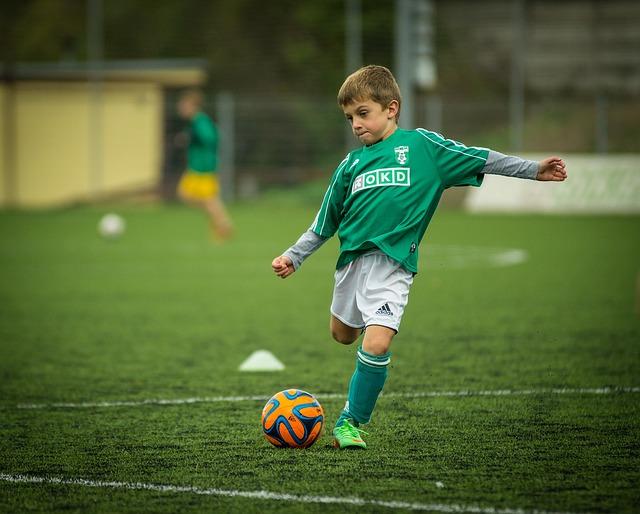
One of the best ways to introduce football basics to 3-year-olds is by incorporating playful techniques into your coaching sessions. By making learning fun and engaging, you can help young kids develop a love for the game while also teaching them important skills. Here are some creative soccer drills that are perfect for teaching football basics to toddlers:
- Simon Says Dribbling: Use the classic game of Simon Says to help kids practice dribbling the ball with their feet. This fun and interactive drill will improve their coordination and ball control.
- Obstacle Course Relay: Set up a mini obstacle course with cones, hoops, and other props. Divide the kids into teams and have them race through the course while dribbling the ball. This drill will help them work on their agility and speed.
- Animal Soccer: Assign each child an animal (e.g. kangaroo, elephant, giraffe) and have them mimic the animal’s movements while dribbling the ball. This silly and imaginative drill will keep them entertained while also developing their motor skills.
By incorporating these playful techniques into your coaching sessions, you can make learning football basics a fun and memorable experience for 3-year-olds. Remember to keep the drills simple, age-appropriate, and always encourage positivity and praise to help build confidence in young players.
Encouraging Coordination and Ball Control in Young Players
One of the key skills to develop in young soccer players is coordination and ball control. By introducing fun and interactive drills, you can help 3-year-olds start to grasp the basics of football in an engaging way. Here are some soccer drills that focus on :
**1. Beanbag Balancing:** Have players balance a beanbag on their heads while dribbling the ball. This drill helps improve balance and coordination while also working on ball control.
**2. Cone Dribbling:** Set up a series of cones in a zig-zag pattern and have players dribble the ball through them. This drill helps improve foot-eye coordination and ball control skills.
**3. Simon Says with a Soccer Twist:** Play a game of “Simon Says” but with soccer-related actions, such as hopping on one foot while tapping the ball with the other. This helps players develop coordination and listening skills.
**4. Soccer Bowling:** Set up cones in a triangle formation and have players take turns kicking the ball to knock down the cones. This drill helps improve aim, coordination, and ball control.
These fun and interactive drills not only help young players develop their coordination and ball control skills but also make learning football basics enjoyable and engaging for them. Incorporating these drills into your training sessions can set a strong foundation for young players to build upon as they continue to grow and develop in the sport.
Introducing Teamwork and Communication Skills Through Soccer
Soccer drills for 3-year-olds are a great way to introduce young children to the basics of football in a fun and engaging way. By incorporating simple exercises and games into their playtime, kids can start to develop teamwork and communication skills from a young age.
One popular drill for this age group is the Cone Dribbling Game, where children practice dribbling the ball around cones while focusing on their footwork and ball control. This not only helps improve their soccer skills but also encourages them to work together and communicate with their teammates.
Another fun activity is the Mini-Goal Scrimmage, where kids work in teams to score goals in small mini-goals. This game promotes collaboration and teamwork as children learn to pass the ball, defend, and work towards a common goal.
Overall, at a young age can set a strong foundation for children to build upon as they continue to develop their soccer abilities. By making learning enjoyable and interactive, kids can start to understand the importance of working together to achieve success on the field.
Fun and Engaging Activities to Keep Children Interested
When it comes to teaching young children the basics of soccer, it’s important to focus on fun and engaging activities that will keep them interested and excited about the sport. Soccer drills for 3 year olds should introduce fundamental skills in a way that is age-appropriate and enjoyable.
One great way to get little ones started is by practicing dribbling with a colorful and easy-to-kick ball. Set up cones or other markers in a small area and encourage the children to weave in and out of them while keeping control of the ball. This activity not only helps develop their coordination and ball-handling skills but also keeps them active and entertained.
Another fun drill for young children is playing “Red Light, Green Light” with a soccer twist. Have the kids dribble their ball around the field, and when you yell “Red Light,” they must stop the ball with their foot. When you yell “Green Light,” they can continue dribbling. This game helps them practice stopping and starting while having a blast.
Lastly, incorporating small-sided games into your practice sessions can make learning soccer more interactive and exciting for 3-year-olds. Split the children into teams and have them play mini-games with simplified rules, such as no goalies or using a larger, softer ball. This encourages teamwork, communication, and a better understanding of the game.

Developing Fundamental Motor Skills with Soccer Drills for Toddlers
When it comes to introducing football basics to 3-year-olds, it’s important to focus on developing fundamental motor skills through fun and engaging soccer drills. Toddlers at this age are still developing their coordination, balance, and spatial awareness, so incorporating age-appropriate activities is key to their overall development.
One essential skill to focus on is dribbling. Dribbling helps toddlers improve their foot-eye coordination, balance, and control. Set up a simple obstacle course using cones or markers and encourage your little ones to dribble the ball around the obstacles using both feet. This will help them become more comfortable with the ball at their feet and improve their agility.
Passing is another important skill to introduce to 3-year-olds. Start by teaching them how to properly kick the ball with the inside of their foot. Set up a small passing drill where they can practice passing the ball back and forth with a partner. This will not only improve their passing accuracy but also their communication skills and teamwork.
Lastly, don’t forget about shooting! While shooting may seem advanced for toddlers, practicing basic shooting techniques can help improve their leg strength and coordination. Set up a small goal and encourage them to take shots from different distances. Make it fun by adding targets or playing a mini-game to keep them engaged and excited about learning.

Emphasizing Safety and Adaptability in Soccer Exercises for 3 Year Olds
In order to ensure that soccer drills for 3-year-olds are both fun and safe, it is essential to emphasize the importance of safety and adaptability in all exercises. When designing drills for young children, it is crucial to keep in mind their physical limitations and abilities. By focusing on safety, coaches can create an environment where children can learn and grow without the risk of injury.
One way to emphasize safety in soccer drills for 3-year-olds is to use equipment that is age-appropriate and safe. This includes using soft, lightweight balls and cones that are easy for young children to maneuver. Additionally, it is important to provide adequate supervision and guidance during drills to ensure that children are using proper technique and avoiding potential hazards.
Another key aspect of soccer drills for 3-year-olds is adaptability. Children at this age are still developing their motor skills and coordination, so it is important to tailor drills to their individual abilities. By incorporating fun and engaging activities that keep children interested and motivated, coaches can help young players develop a love for the game while also focusing on fundamental skills such as dribbling, passing, and shooting.
Overall, by prioritizing safety and adaptability in soccer drills for 3-year-olds, coaches can create a positive and nurturing environment where children can learn and grow while having fun. By focusing on these key principles, coaches can help young players develop a strong foundation in soccer that will benefit them as they continue to progress in the sport.
Building Confidence and Self-Esteem Through Sports at a Young Age
Introducing soccer drills to 3-year-olds can be a fun and engaging way to teach them the basics of football while also helping them build confidence and self-esteem at a young age. By incorporating simple and age-appropriate drills, children can start developing their coordination, balance, and motor skills while having a blast on the field.
One great drill to start with is dribbling through cones. Set up a few cones in a straight line and encourage the kids to dribble the ball in and out of the cones using both feet. This not only helps with ball control but also teaches them to navigate obstacles and improve their agility.
Another fun drill is passing the ball back and forth. Pair the kids up and have them pass the ball to each other, focusing on using the inside of their foot and aiming for their partner’s feet. This helps them practice teamwork, communication, and accuracy while boosting their confidence in their abilities.
Lastly, a mini scrimmage can be a great way to introduce the concept of teamwork and scoring goals. Divide the kids into two teams and encourage them to work together to move the ball towards the opposing team’s goal. This drill helps them understand the basics of the game while fostering a sense of accomplishment and camaraderie.

Guidelines for Parents and Coaches when Training 3 Year Olds in Soccer
To ensure a successful and enjoyable experience when training 3-year-olds in soccer, it is important for parents and coaches to keep in mind a few guidelines. First and foremost, it is crucial to make the training sessions fun and engaging for the young players. Incorporating games, music, and colorful equipment can help keep their attention and make learning the basics of soccer more enjoyable.
Additionally, keeping the drills simple and age-appropriate is key. Focus on introducing basic skills such as dribbling, passing, and shooting in a way that is easy for them to understand. Break down each skill into small, manageable steps and provide plenty of positive reinforcement and encouragement as they practice.
It is also important to be patient and understanding with 3-year-olds. Remember that they are still developing their motor skills and coordination, so it is normal for them to struggle at times. Celebrate their efforts and progress, no matter how small, to build their confidence and keep them motivated.
Lastly, create a positive and supportive environment for the young players. Encourage teamwork and sportsmanship, and emphasize the importance of having fun and trying their best above all else. By following these guidelines, parents and coaches can help 3-year-olds learn the basics of soccer while fostering a love for the game that will last a lifetime.
In Conclusion
So there you have it, a variety of fun and engaging soccer drills tailored specifically for 3-year-olds to help introduce them to the basics of football. By incorporating these drills into your child’s routine, you’ll not only be helping them develop their skills, but also fostering a love for the beautiful game. Remember to keep it light, fun, and encouraging, and watch as your little ones start to show off their moves on the field!