

Soccer Communication Drills: Enhancing Verbal and Non-Verbal Communication!
Communication is key in every team sport, especially in soccer where split-second decisions can make all the difference. In this article, we will explore the importance of verbal and non-verbal communication on the soccer field, and reveal some effective drills to enhance both aspects of communication among players. Whether you’re a coach looking to sharpen your team’s communication skills or a player striving to improve your on-field interactions, these drills will help you take your game to the next level.
Contents
- 1 Headings:
- 2 Importance of Communication in Soccer
- 3 Verbal Communication Drills for Team Unity
- 4 Non-Verbal Communication Strategies on the Field
- 5 Soccer Communication Drills: Enhancing Verbal and Non-Verbal Communication!
- 6 Effective Ways to Improve Communication Skills
- 7 Developing Clear and Concise Signals
- 8 Building Trust Through Communication Exercises
- 9 Enhancing Decision-Making Through Communication
- 10 Utilizing Communication Drills in Game Situations
- 11 Promoting Leadership Qualities Through Effective Communication Skills
- 12 Insights and Conclusions
Headings:
In soccer, effective communication amongst teammates is crucial for success on the field. Verbal and non-verbal cues help players coordinate movements, make split-second decisions, and execute strategies seamlessly. To enhance communication skills, coaches can incorporate specific drills into training sessions that focus on both verbal and non-verbal communication.
One effective drill to improve verbal communication is the "Call and Response" exercise. In this drill, players are divided into pairs, with one player calling out instructions or signals while the other responds accordingly. This helps players practice clear and concise communication under pressure, which is essential during a fast-paced match.
Another valuable drill is the "Mirror Drill" which focuses on non-verbal communication. In this exercise, players are paired up and must mimic each other’s movements without using any verbal cues. This helps players develop a better understanding of body language and cues from their teammates, leading to improved coordination and teamwork on the field.
By incorporating these soccer communication drills into training sessions, coaches can help players strengthen their ability to effectively communicate both verbally and non-verbally during matches. This can ultimately lead to better teamwork, improved decision-making, and increased success on the field.
Importance of Communication in Soccer
Soccer communication drills play a crucial role in enhancing both verbal and non-verbal communication skills amongst players on the field. Effective communication is key to success in soccer, as it ensures that players are on the same page, leading to better coordination and overall team performance.
Verbal communication involves giving clear instructions, calling for the ball, and providing updates on the game situation. Non-verbal communication, on the other hand, includes body language, eye contact, and hand signals. Both forms of communication are essential in ensuring effective teamwork and successful gameplay.
By incorporating soccer communication drills into training sessions, players can improve their ability to communicate effectively with their teammates, leading to fewer mistakes and better decision-making on the field. These drills help players develop trust, understanding, and cohesion within the team, ultimately leading to improved performance and results.
Remember, communication is the key to success in soccer. So, make sure to practice both verbal and non-verbal communication skills regularly to enhance your team’s performance and achieve your goals on the field!

Verbal Communication Drills for Team Unity
Effective communication is essential for any team sport, especially soccer, where quick decision-making and coordination are key. Verbal communication drills are a great way to improve teamwork and unity on the field. By practicing both verbal and non-verbal communication skills, players can enhance their understanding of each other’s movements and intentions.
One effective drill to improve verbal communication is the “Traffic Light Drill”. In this drill, players are divided into groups of three. One player is assigned as the “caller” and uses colors (red, yellow, green) to signal to their teammates when to speed up, slow down, or stop. This helps players practice listening to verbal cues and reacting quickly.
Another helpful drill is the “Target Passing Drill”. Players are paired up and must communicate to pass the ball accurately to their partner. This not only improves verbal communication but also enhances non-verbal cues such as eye contact and body language. It encourages players to be aware of their surroundings and communicate effectively to achieve their goal.
| Benefits of Verbal Communication Drills: |
|---|
| Enhanced teamwork and unity |
| Improved decision-making on the field |
| Increased awareness of teammates’ movements |
Non-Verbal Communication Strategies on the Field
Soccer Communication Drills: Enhancing Verbal and Non-Verbal Communication!
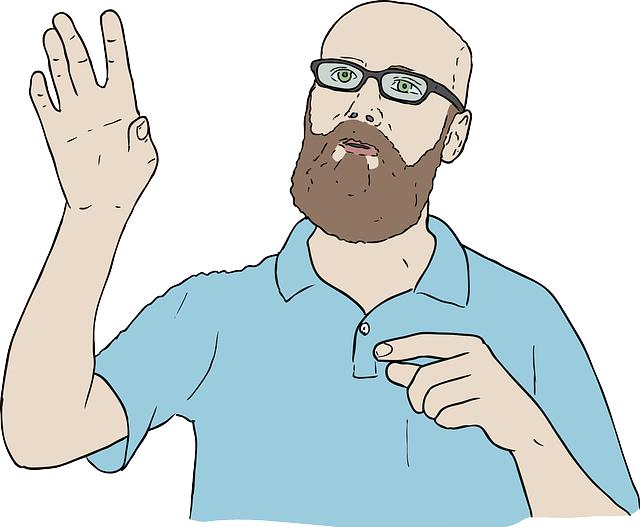
Mastering non-verbal communication on the soccer field is just as crucial as verbal communication. Here are some strategies and drills to improve your non-verbal communication skills:
- Eye Contact: Maintain strong eye contact with your teammates to signal your intentions and communicate effectively.
- Body Language: Use open body language to show that you are engaged and ready to receive or pass the ball.
- Hand Signals: Develop a set of hand signals with your teammates to convey plays and strategies without speaking.
- Positioning: Pay attention to your positioning on the field to create passing lanes and angles for your teammates.
By incorporating these non-verbal communication strategies into your training sessions, you can enhance your overall performance on the field and create a stronger connection with your teammates.

Effective Ways to Improve Communication Skills
Incorporating soccer communication drills into your training regimen is a fun and effective way to improve both verbal and non-verbal communication skills on the field. These drills not only enhance teamwork but also help players develop a better understanding of each other’s movements and intentions.
Some effective soccer communication drills include:
- Passing Drill: Set up a passing drill where players must communicate with each other to maintain possession of the ball. Encourage players to use verbal cues such as “man on” or “time” to help their teammates make quick decisions.
- Shooting Drill: Create a shooting drill where players must communicate with the shooter to provide accurate passes and set up scoring opportunities. Non-verbal communication, such as eye contact or hand signals, can also be emphasized in this drill.
- Defensive Drill: Set up a defensive drill where players must work together to stop an attacking player. Encourage defenders to communicate with each other to track the movement of the attacker and anticipate their next move.
By consistently practicing these soccer communication drills, players can develop stronger communication skills that will not only benefit them on the field but also in other aspects of their lives. Remember, effective communication is key to success in soccer and beyond!
Developing Clear and Concise Signals
is essential in soccer to ensure effective communication between players on the field. Poor communication can lead to confusion, missed opportunities, and ultimately, lost games. By implementing communication drills that focus on both verbal and non-verbal signals, teams can improve their coordination and decision-making on the field.
Verbal communication drills can include practicing calling for the ball, giving instructions to teammates, and providing updates on the game situation. Players should speak clearly and confidently to ensure that their messages are understood by their teammates. Using simple and specific instructions, such as “man on” or “switch play,” can help streamline communication during matches.
Non-verbal signals are equally important in soccer, as they can convey messages quickly and discreetly on the field. Incorporating drills that focus on gestures, body language, and eye contact can help players develop a common language that enhances their understanding of each other’s movements and intentions. Clear hand signals for passing, overlapping runs, and defensive positioning can improve cohesion and decision-making during game situations.
Utilizing a combination of verbal and non-verbal communication in drills can help players become more efficient in their interactions on the field. By practicing these skills consistently, teams can enhance their overall performance and success in matches. Clear and concise signals are the foundation of effective teamwork in soccer, and investing time in communication drills can make a significant impact on a team’s ability to communicate and collaborate effectively.
Building Trust Through Communication Exercises
Soccer communication drills are a fun and effective way to improve both verbal and non-verbal communication skills among players. These exercises not only strengthen teamwork on the field but also build trust and understanding among teammates. By enhancing communication, players can anticipate each other’s movements, make split-second decisions, and ultimately improve their performance on the pitch.
One popular communication drill in soccer is the “Passing Square” exercise. Players form a square with cones and must pass the ball to each other using verbal cues such as “man on” or “time” to signal when to pass. This helps players communicate effectively under pressure and develop a common language on the field. Additionally, incorporating non-verbal communication such as eye contact and body language further enhances players’ understanding of each other’s intentions.
Another effective drill is the “Number Passing” exercise, where players are assigned numbers and must pass the ball in sequence. This drill not only improves players’ passing accuracy but also requires them to communicate verbally by calling out the number of the player they are passing to. By incorporating both verbal and non-verbal communication, players learn to trust each other’s decision-making and develop a strong team dynamic.
| Benefits of Soccer Communication Drills | Why It Works |
|---|---|
| Enhances teamwork and trust | Players learn to rely on each other and work together towards a common goal |
| Improves decision-making skills | Players must communicate effectively to make quick decisions on the field |
| Strengthens non-verbal communication | Players develop a better understanding of each other’s movements and intentions |

Enhancing Decision-Making Through Communication
In soccer, effective communication is key to success on the field. By improving both verbal and non-verbal communication skills, players can enhance their decision-making abilities and ultimately boost their team’s performance. Soccer communication drills are a great way to practice and improve these skills in a fun and interactive way.
**Verbal Communication Drills:**
– 1. **Passing Drill**: Players must call out the name of the teammate they are passing to, improving both vocal clarity and teamwork.
– 2. **Positioning Drill**: Players must communicate their position on the field to their teammates, enhancing spatial awareness and coordination.
– 3. **Game Scenario Drill**: Simulating game situations where players must verbally communicate strategies and plays, improving overall team communication.
**Non-Verbal Communication Drills:**
– 1. **Eye Contact Drill**: Encouraging players to make eye contact with their teammates to signal their intentions without needing to speak.
– 2. **Body Language Drill**: Practicing how to read and interpret the body language of teammates to anticipate their next move.
– 3. **Signal Drill**: Using hand signals or gestures to communicate quickly and effectively without words, improving on-field decision-making.
By incorporating these soccer communication drills into your training sessions, you can help your team become more cohesive, decisive, and successful on the field. Remember, communication is not just about talking but also about understanding and connecting with your teammates in a meaningful way.
Utilizing Communication Drills in Game Situations
Communication is key in all aspects of soccer, especially during game situations where split-second decisions can make all the difference. By utilizing communication drills, players can enhance both their verbal and non-verbal communication skills on the field. These drills not only help players convey important information to their teammates effectively but also foster a sense of unity and cohesion within the team.
One popular communication drill is the “Passing and Movement Drill,” where players are required to constantly communicate with each other to maintain possession of the ball and create scoring opportunities. This drill not only improves verbal communication skills but also emphasizes the importance of non-verbal cues such as eye contact and body positioning.
Another effective communication drill is the “Defensive Shape Drill,” where players must work together to maintain a solid defensive structure. By constantly communicating with each other about positioning, marking assignments, and potential threats, players can effectively shut down the opposition’s attacks. This drill highlights the importance of clear and concise communication in high-pressure situations.
In conclusion, incorporating communication drills into training sessions can significantly enhance a team’s performance on the field. Whether it’s improving verbal cues or honing non-verbal communication skills, these drills are essential for fostering teamwork, unity, and success in game situations. So, next time you hit the training pitch, don’t forget to prioritize communication drills to take your team’s game to the next level!
Promoting Leadership Qualities Through Effective Communication Skills
Effective communication skills are crucial in fostering leadership qualities in any individual. One effective way to enhance both verbal and non-verbal communication skills is through soccer communication drills. Soccer is a fast-paced sport that requires quick decision-making and clear communication among teammates.
Verbal communication drills in soccer involve practicing concise and effective communication on the field. Players must learn to give clear instructions, provide feedback, and communicate their intentions to their teammates. This not only improves teamwork but also fosters leadership qualities in players.
Non-verbal communication drills in soccer focus on body language, gestures, and eye contact. Players must learn to use these non-verbal cues to convey information to their teammates effectively. This helps in building trust and understanding among team members, ultimately leading to improved performance on the field.
By incorporating soccer communication drills into training sessions, coaches can help players develop essential communication skills that will not only benefit them on the field but also in various aspects of their lives. Effective communication is the key to successful leadership, and mastering it through soccer drills is a fun and engaging way to do so!
Insights and Conclusions
So, there you have it – a guide to soccer communication drills that will help enhance both verbal and non-verbal communication on the field. By incorporating these exercises into your training sessions, you and your team can work towards improving coordination, teamwork, and ultimately, achieving success on the field. Remember, effective communication is key in any sport, so make sure to consistently practice and integrate these drills into your routine. Good luck and have fun sharpening your skills!


