Defensive Dominance: Defensive Drills for Youth Soccer
As any coach or player knows, a strong defense is key to success on the soccer field. By implementing effective defensive drills, youth soccer teams can build a foundation of skills and strategies that will enable them to dominate their opponents. In this article, we will explore some essential defensive drills that will help young players improve their performance and turn their team into a defensive force to be reckoned with. Let’s get started!
Contents
- 1 Effective Defensive Positioning for Youth Players
- 2 Importance of Communication in Defensive Drills
- 3 Mastering the Art of 1v1 Defending
- 4 Developing Tactical Awareness in Defenders
- 5 The Role of Angles and Body Positioning in Defense
- 6 Utilizing Pressure and Cover in Defensive Strategies
- 7 Improving Decision Making Under Pressure
- 8 Building Confidence in Defensive Skills
- 9 Incorporating Small-Sided Games for Defensive Development
- 10 To Conclude
Effective Defensive Positioning for Youth Players
In order for youth soccer players to excel on the defensive end, it is crucial for them to master the art of positioning. Effective defensive positioning can make all the difference in shutting down opposing offenses and winning games. Here are some key drills and tips to help youth players become defensive dynamos on the soccer field:
1. Communication is key: Encourage your players to constantly communicate with their teammates on the field. Whether it’s calling out assignments, alerting others of incoming threats, or providing support, clear communication can help players stay organized and in sync with each other.
2. Stay compact: Teach your players the importance of staying compact as a defensive unit. By maintaining a tight defensive shape, players can limit spaces for the opposing team to exploit and make it harder for them to find openings.
3. Anticipate and react: Train your players to anticipate the movements of the opposing team and react accordingly. By reading the play and staying one step ahead, players can intercept passes, block shots, and disrupt the opposing team’s rhythm effectively.
4. Be aggressive but disciplined: Encourage your players to be aggressive in challenging the ball and pressuring the opponent, but also stress the importance of discipline. Remind them not to commit unnecessary fouls or leave gaps in the defense while being aggressive in their play.
By incorporating these defensive drills and principles into their training regimen, youth players can develop a strong defensive foundation that will serve them well on the soccer field. Defensive dominance starts with sound positioning, communication, and tactical awareness – and with practice, dedication, and the right guidance, young players can become defensive stalwarts in no time.
Importance of Communication in Defensive Drills
Effective communication is the cornerstone of successful defensive drills in youth soccer. When players are able to effectively communicate with each other on the field, they can coordinate their movements, cover each other’s positions, and defend as a cohesive unit.
Clear communication helps players anticipate the movements of the opposing team, mark their opponents effectively, and prevent scoring opportunities. It also allows players to provide support to each other when needed, whether it’s through verbal cues or non-verbal signals.
By emphasizing the importance of communication during defensive drills, coaches can help players develop their awareness, teamwork, and decision-making skills. This ultimately leads to a more organized and solid defense that can shut down the opposition and create opportunities for counterattacks.
Encouraging players to be vocal, assertive, and supportive during defensive drills can greatly enhance their overall performance on the field. It fosters a sense of trust and unity among teammates, leading to a stronger defensive line that can effectively protect the goal and secure victories for the team.

Mastering the Art of 1v1 Defending
When it comes to in youth soccer, it’s all about equipping players with the skills and techniques needed to dominate on the defensive end. Here are some key defensive drills that can help young players improve their 1v1 defending skills:
- Shadow Defensive Drill: In this drill, players practice mirroring the movements of an attacking player without making contact. This helps players improve their positioning and timing in 1v1 situations.
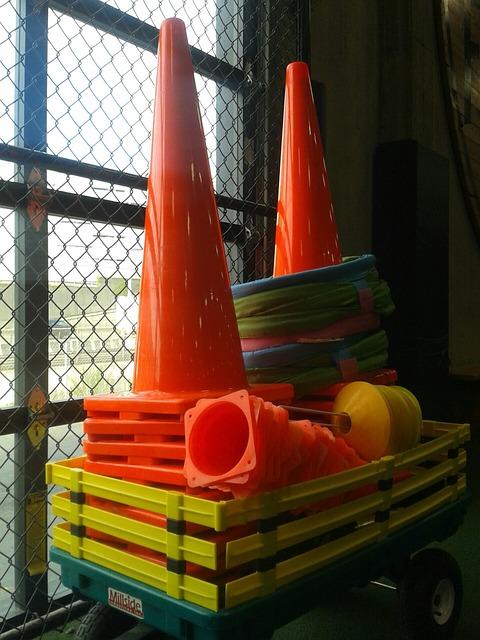
- Cone Gate Drill: Set up a series of cones in a gate formation and have players defend the gates while trying to prevent an opponent from dribbling through. This drill helps players work on their footwork and agility in tight spaces.
- Pressure and Cover Drill: In this drill, one player applies pressure to the attacker while their teammate provides cover. This teaches players how to work together to shut down opponents effectively.
By incorporating these defensive drills into training sessions, young players can develop the skills and confidence needed to excel in 1v1 defending situations on the soccer field. Remember, practice makes perfect, so encourage players to work hard and stay focused during these drills to see improvement over time.

Developing Tactical Awareness in Defenders
In order to become a formidable defender on the soccer field, developing tactical awareness is crucial. This skill involves understanding the game, anticipating plays, and positioning yourself effectively to shut down the opposition. By working on specific drills, young soccer players can enhance their defensive abilities and contribute to their team’s success.
One important aspect of is improving communication on the field. Effective communication among defenders can help organize the defense, track opponents, and prevent goals. Encourage players to communicate constantly, whether it’s calling out positions, providing updates on the play, or alerting teammates to potential threats.
Another key element of defensive dominance is mastering one-on-one defending. This involves staying on your toes, maintaining a proper defensive stance, and staying patient when facing an opponent. Set up drills that focus on honing these skills, such as 1v1 defending exercises, to help defenders feel more confident and composed when facing attackers.
Additionally, teaching defenders how to read the game and anticipate plays can give them a strategic advantage. Encourage players to study the opposing team’s tendencies, observe patterns in their movements, and stay alert to potential dangers. By honing their tactical awareness, defenders can become more proactive in their defensive efforts and make smarter decisions on the field.
The Role of Angles and Body Positioning in Defense
When it comes to defensive play in youth soccer, angles and body positioning are crucial elements that can make or break a team’s performance on the field. By understanding the role of angles and how to position their bodies effectively, young players can greatly improve their defensive skills and help their team maintain control of the game.
One key aspect of defensive dominance is knowing how to position oneself in relation to the opponent and the ball. By utilizing proper angles, defenders can cut off passing lanes, anticipate the opponent’s moves, and intercept the ball more effectively. This requires players to constantly adjust their positioning based on the movement of the opponent and the ball, ensuring they are always in the best possible position to defend.
Another important factor to consider is body positioning. Defenders should focus on staying low and balanced, with their body weight slightly forward to be ready to react quickly to any offensive plays. By maintaining a low center of gravity and keeping their body between the opponent and the goal, defenders can make it more challenging for attackers to get past them and create scoring opportunities. Additionally, using their arms and hands to maintain distance from the opponent can help defenders control the situation and limit the attacker’s options.
Overall, mastering the art of angles and body positioning in defense requires practice, awareness, and a strategic mindset. By incorporating defensive drills that focus on these fundamental aspects of the game, youth soccer players can develop the skills and confidence needed to become defensive powerhouses on the field.

Utilizing Pressure and Cover in Defensive Strategies
One key aspect of defensive strategies in youth soccer is the effective utilization of pressure and cover. By understanding how to apply these tactics on the field, players can work together to shut down opponents and maintain control of the game.
**Pressure:**
– Pressure refers to the act of putting immediate, intense defensive force on the player with the ball. It can force mistakes and create turnovers, allowing the defensive team to regain possession quickly.
– Players should be encouraged to apply pressure as a team, ensuring that gaps are covered and the opponent is not able to easily bypass the defense.
– Communication is crucial when applying pressure, as players need to work together to anticipate and react to the movements of the opposing team.
**Cover:**
– Cover involves providing support to the player applying pressure, ensuring that passing lanes are blocked and potential threats are neutralized.
– Players should be trained to quickly shift into covering positions when pressure is applied, maintaining a strong defensive shape and preventing the opponent from finding openings.
– By combining pressure and cover effectively, youth soccer teams can create a defensive wall that is difficult for the opposition to break down.
Utilizing drills that focus on pressure and cover can help young players develop their defensive skills and understand the importance of working together as a unit. By practicing these strategies regularly, teams can improve their defensive performance and become more dominant on the field.
Improving Decision Making Under Pressure
When it comes to in youth soccer, defensive drills play a crucial role in honing players’ skills and abilities. By incorporating specific drills that focus on defensive tactics, players can learn how to make quick and effective decisions while under pressure on the field.
One effective defensive drill for youth soccer is the “Pressure and Cover” drill. In this drill, players are split into pairs, with one player acting as the defender and the other as the attacker. The defender must apply pressure on the attacker while the attacker tries to maintain possession of the ball. This drill helps players work on their positioning, decision making, and communication skills under pressure.
Another valuable defensive drill is the “Defensive Shape” drill. In this drill, players practice maintaining a solid defensive shape as a team. By focusing on positioning, communication, and teamwork, players learn how to effectively defend as a unit and make quick decisions on when to press, when to cover, and when to hold their position.
By incorporating these defensive drills into training sessions, youth soccer players can improve their decision making under pressure, ultimately enhancing their overall performance on the field. With dedication and practice, players can develop the skills needed to react quickly and confidently in high-pressure situations during games.

Building Confidence in Defensive Skills
When it comes to youth soccer, is crucial for creating a strong and well-rounded team. By focusing on defensive drills, players can improve their positioning, timing, and decision-making on the field. These drills not only help players become better defenders but also instill a sense of trust and camaraderie among teammates.
One effective defensive drill is the “Pressure and Cover” drill, where players work in pairs to defend against an attacking player. This drill helps players understand the importance of communication and teamwork in defensive situations. It also emphasizes the roles of the first defender (putting pressure on the ball) and the second defender (providing cover and support).
Another useful drill is the “1v1 Defending” drill, where players practice defending against an opponent in a small space. This drill helps players improve their tackling, jockeying, and body positioning skills. It also teaches players how to stay patient and focused when facing a skilled attacker.
Overall, by incorporating these defensive drills into training sessions, youth soccer players can enhance their confidence and abilities on the field. Building a strong defensive foundation is essential for any successful team, and these drills are key in developing well-rounded and reliable defenders.

Incorporating Small-Sided Games for Defensive Development
Playing small-sided games can greatly benefit the defensive development of youth soccer players. These drills provide opportunities for players to work on their defensive skills in a fun and competitive environment. By incorporating small-sided games into training sessions, coaches can help their players improve their defensive positioning, communication, and decision-making abilities.
One effective small-sided game for defensive development is the “3v3 defending drill.” In this drill, three defenders work together to stop three attackers from scoring. This encourages players to stay compact, communicate effectively, and work as a unit to disrupt the opposition’s attacks. By repeatedly practicing this drill, players can develop a better understanding of defensive principles and improve their ability to anticipate and react to the movements of their opponents.
Another beneficial small-sided game for defensive development is the “4v4 transition game.” In this game, four defenders must quickly transition from attacking to defending when possession is lost. This drill helps players improve their speed of thought and decision-making, as well as their ability to quickly organize themselves defensively. It also simulates game-like situations where defenders must react swiftly to counterattacks, making it a valuable tool for developing defensive skills.
To Conclude
In conclusion, by incorporating these defensive drills into your youth soccer training regimen, you can help your team develop the skills and teamwork necessary to achieve defensive dominance on the field. Remember, practice makes perfect, so be sure to dedicate time and effort to mastering these techniques. With hard work and dedication, your team will be well on their way to becoming a formidable defensive force in the world of youth soccer. So lace up those cleats, hit the field, and watch as your team’s defensive prowess shines through!
Get our latest guides, news, and insights highlighted in your Google Search & AI Overviews.