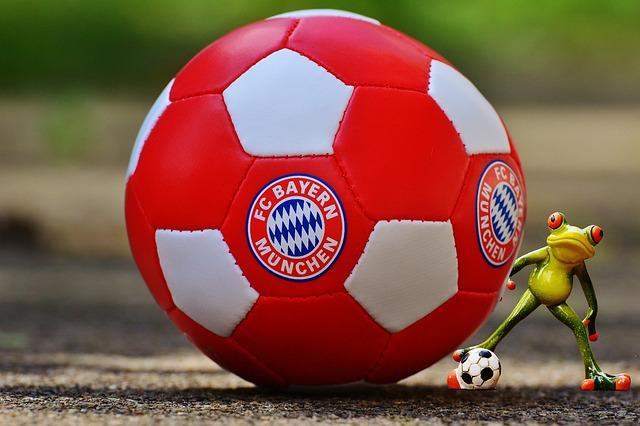
How Do European Soccer Clubs Work: Understanding Operations in European Football!
Have you ever wondered how European soccer clubs operate behind the scenes? From scouting and transfers to youth development and strategic partnerships, European football clubs have a complex web of operations that drive their success on the field. In this article, we will delve into the inner workings of European soccer clubs to help you better understand how they function and what sets them apart from the rest. So, lace up your boots and join us on a journey through the world of European football operations!
Contents
- 1 Key Aspects of European Soccer Club Operations
- 2 Understanding the Structure of European Football Clubs
- 3 Club Hierarchy
- 4 Player Recruitment and Transfers
- 5 Revenue Streams and Financial Fair Play
- 6 Exploring Revenue Streams in European Soccer
- 7 The Importance of Youth Development in European Clubs
- 8 Player Recruitment and Transfer Strategy in European Football
- 9 The Role of Managers and Coaches in European Soccer Clubs
- 10 Club Leadership and Decision-Making Processes
- 11 Managing Fan Engagement and Community Relations
- 12 Navigating the Complexities of European Club Finances
- 13 Understanding the Financial Operations of European Soccer Clubs
- 14 Strategies for Success in European Soccer Club Operations
- 15 Concluding Remarks
Key Aspects of European Soccer Club Operations
To truly understand the inner workings of European soccer clubs, it’s essential to delve into the key aspects of their operations. From player recruitment to financial management, these clubs have a multitude of tasks that contribute to their success both on and off the pitch.
Player Recruitment: European clubs often have a network of scouts and agents who are constantly on the lookout for talented players. These scouts attend matches, tournaments, and even youth academies to identify potential prospects for the club. Once a player is scouted, negotiations begin to bring them to the club, often involving transfer fees, contracts, and personal terms.
Financial Management: Managing the finances of a top European soccer club is no small feat. Clubs have to deal with a range of financial issues, including player wages, transfer fees, sponsorship deals, and stadium expenses. Many clubs also have to adhere to financial fair play regulations set by governing bodies to ensure financial stability.
Youth Development: Developing young players is crucial for the long-term success of European soccer clubs. Most clubs have their own youth academies where talented youngsters are nurtured and trained to potentially join the first team. Investing in youth development can also be a cost-effective way for clubs to build a strong squad without relying solely on expensive transfer fees.
Marketing and Branding: European soccer clubs are not just sports teams; they are also global brands with millions of fans worldwide. Marketing plays a crucial role in promoting the club, selling merchandise, and attracting sponsors. Through social media, partnerships, and international tours, clubs work hard to enhance their brand and reach a broader audience.
| Aspect: | Example: |
|---|---|
| Player Recruitment: | Signing a top striker from a rival club |
| Financial Management: | Negotiating a new sponsorship deal |
| Youth Development: | Promoting a young talent to the first team |
| Marketing and Branding: | Launching a new kit design for the season |

Understanding the Structure of European Football Clubs
Club Hierarchy
European football clubs operate under a hierarchical structure that typically includes a President or Chairman at the top, followed by a Board of Directors who manage the overall strategy and decision-making process. There is also a General Manager or Chief Executive Officer who oversees the day-to-day operations of the club. Beneath them, you have various departments such as marketing, finance, scouting, and youth development, each headed by a director or manager.
Player Recruitment and Transfers
One of the most exciting aspects of European football is the player recruitment and transfer process. Clubs have scouts who travel around the world to identify talented players, negotiate contracts, and facilitate player transfers. The transfer window is a crucial period during the season when clubs can buy, sell, or loan players to strengthen their squad. It’s a complex and highly competitive process that requires strategic planning and financial management.
Revenue Streams and Financial Fair Play
European football clubs generate revenue from various sources, including ticket sales, broadcasting rights, sponsorship deals, and merchandise sales. Financial Fair Play regulations were introduced by UEFA to ensure clubs operate within their means and promote financial stability in the sport. Clubs must submit financial reports to prove they are not overspending and risking their long-term sustainability.

Exploring Revenue Streams in European Soccer
One of the key aspects of European soccer clubs is understanding the various revenue streams that contribute to their financial success. These clubs operate in a complex ecosystem where revenue generation is crucial for their sustainability and growth. Let’s take a closer look at the different revenue streams that European soccer clubs rely on:
- Matchday Revenue: This includes ticket sales, hospitality packages, and other matchday experiences that fans can purchase. Matchday revenue is a significant source of income for clubs, especially those with large stadiums and passionate fan bases.
- Broadcasting Rights: Television rights deals are a major source of revenue for European soccer clubs. These deals allow clubs to broadcast their matches to a global audience, reaching millions of fans and generating significant income.
- Commercial Partnerships: Sponsorship deals with companies from various industries, merchandise sales, and other commercial partnerships also play a vital role in generating revenue for European soccer clubs. These partnerships help clubs increase their brand exposure and reach new audiences.
- Player Transfers: The buying and selling of players is another important revenue stream for European soccer clubs. Transfers involve significant sums of money, with transfer fees often reaching record-breaking amounts.
By diversifying their revenue streams and maximizing their income potential, European soccer clubs can ensure their financial stability and competitiveness in the ever-evolving world of football.

The Importance of Youth Development in European Clubs
In European soccer clubs, youth development plays a crucial role in shaping the future of the sport. Clubs across the continent invest heavily in their youth academies to nurture young talent and develop them into professional players. The importance of youth development cannot be overstated, as it not only helps clubs create a pipeline of talented players but also ensures sustainability and long-term success.
**Key Aspects of Youth Development in European Clubs:**
- Academy Structure: European clubs have well-structured youth academies where young players receive top-notch coaching and training.
- Talent Identification: Talent scouts are constantly on the lookout for promising young players who show potential for a successful career in football.
- Integration into First Team: Clubs often integrate promising young players into the first team to provide them with valuable experience and exposure to top-level competition.
- Scouting players from a young age to develop them within the club’s academy
- Utilizing data analysis to identify potential transfer targets and assess their value
- Negotiating with other clubs, agents, and players to secure transfers
- Strategically planning transfers to balance the squad and address weaknesses
- Developing game plans and strategies
- Managing player transfers and contracts
- Training and developing players
- Conducting team meetings and analysis
- Creating interactive fan experiences: Clubs organize events such as fan days, player meet and greets, and stadium tours to provide fans with opportunities to engage with the team and players.
- Supporting local communities: Clubs often partner with local charities and organizations to give back to the community and show their support for important causes.
- Utilizing social media: European soccer clubs are active on social media platforms to connect with fans, provide updates on matches and events, and create a sense of community among supporters.
| Club | Youth Development Ranking |
|---|---|
| FC Barcelona | 1st |
| Ajax Amsterdam | 2nd |
| Bayern Munich | 3rd |
Overall, youth development in European clubs is a multi-faceted process that requires dedication, resources, and a long-term vision. By investing in their youth academies and nurturing young talent, European clubs are able to sustain their success and remain competitive in the ever-evolving world of football.

Player Recruitment and Transfer Strategy in European Football
When it comes to , clubs follow a complex and strategic approach to building their teams. European soccer clubs operate on a global scale, scouting players from all over the world to strengthen their squads and compete at the highest level.
Clubs utilize a combination of data analysis, scouting networks, and negotiations to identify and acquire top talent. The transfer market plays a crucial role in shaping the competitive landscape of European football, with clubs constantly looking to improve their rosters and stay ahead of the competition.
Key aspects of :
| Club | Player | Transfer Fee |
|---|---|---|
| Real Madrid | Eden Hazard | €100 million |
| Manchester City | Ruben Dias | €68 million |
| FC Barcelona | Lionel Messi | Free transfer |

The Role of Managers and Coaches in European Soccer Clubs
In European soccer clubs, managers and coaches play a crucial role in the success of the team. They are responsible for overseeing the day-to-day operations, developing tactics, and managing player performance.
Managers are typically in charge of the overall strategy and direction of the club, while coaches focus on training and developing the players. Together, they work to ensure that the team performs at its best both on and off the field.
Key responsibilities of managers and coaches in European soccer clubs include:
| Manager | Coach |
|---|---|
| Oversees overall strategy | Focuses on player development |
| Manages player contracts | Plans and conducts training sessions |

Club Leadership and Decision-Making Processes
European soccer clubs operate under a unique structure that involves a combination of . Understanding how these clubs work is crucial for fans and enthusiasts alike.
Club leadership in European football is typically structured in a hierarchical manner. At the top of the hierarchy is the club president or owner, who is responsible for setting the overall direction and vision for the club. Below the president, there is often a board of directors, who help in making key decisions and overseeing the club’s operations.
Decision-making processes in European soccer clubs are usually collaborative and involve input from various stakeholders. Coaches, players, and staff all play a role in influencing decisions related to player transfers, team tactics, and overall strategy.
Ultimately, the success of a European soccer club is dependent on how well the leadership and decision-making processes are managed. By understanding these operations, fans can gain insight into what makes their favorite clubs successful on and off the field.
Managing Fan Engagement and Community Relations
European soccer clubs operate in a unique and complex manner that sets them apart from other sports organizations. Understanding how these clubs function can provide valuable insights into their success and fan engagement strategies.
One key aspect of European soccer club operations is their strong focus on fan engagement and community relations. Clubs prioritize building strong relationships with their supporters through various initiatives and activities.
Some common strategies that European soccer clubs use to manage fan engagement and community relations include:
By effectively , European soccer clubs can cultivate a loyal fan base and strengthen their position in the competitive world of football.

Understanding the Financial Operations of European Soccer Clubs
European soccer clubs are some of the most successful and valuable sports organizations in the world. However, their financial structures can be complex and intricate, requiring a deep dive into the inner workings of these clubs to truly understand how they operate.
One key aspect of European club finances is the reliance on multiple revenue streams to stay afloat. These clubs generate income from various sources, including ticket sales, broadcast rights, merchandise sales, sponsorships, and player transfers. Balancing these revenue streams is crucial to the financial stability of the club.
Additionally, European clubs often operate with high levels of debt, leveraging loans and credit facilities to fund player transfers, stadium upgrades, and other investments. This debt can impact the club’s financial health and must be managed carefully to avoid financial pitfalls in the future.
In order to navigate the complexities of European club finances, it is essential to have a solid understanding of how these clubs generate revenue, manage debt, and invest in their long-term sustainability. By gaining insight into the financial operations of European soccer clubs, fans and stakeholders can better understand the business side of the beautiful game.

Strategies for Success in European Soccer Club Operations
European soccer clubs operate differently from clubs in other parts of the world, with unique strategies for success. One key aspect of European club operations is their focus on youth development. Many clubs have robust youth academies that nurture young talent from a very early age, creating a pipeline of skilled players for the future.
Another important strategy for success in European soccer club operations is their approach to scouting and recruitment. Clubs employ a network of scouts who are constantly on the lookout for promising players, both domestically and internationally. This allows clubs to identify and sign talented players before they become well-known, giving them a competitive edge.
Financial management is also crucial for European soccer clubs to succeed. Clubs must balance their budgets while also investing in player transfers, facilities, and other expenses. This requires careful planning and strategic decision-making to ensure long-term success.
Overall, understanding the intricacies of European soccer club operations is essential for fans and aspiring club managers alike. By recognizing the unique strategies employed by these clubs, one can gain a deeper appreciation for the sport and its rich history.
Concluding Remarks
In conclusion, European soccer clubs operate on a complex system with a rich history and tradition. Understanding the ins and outs of how these clubs function is essential for any fan of the beautiful game. By grasping the inner workings of European football, you will gain a deeper appreciation for the strategies and decisions that shape the teams you love. So next time you watch a match, keep in mind the intricate operations behind the scenes that make it all possible. Let’s continue to celebrate the world’s most popular sport and the clubs that bring us together.