

Unraveling the Mystery: What Is the Hardest Position in Soccer?
Soccer is a game of skill, strategy, and endurance, but what position on the field requires the most mental and physical stamina? Join us as we dive into the world of soccer and unravel the mystery behind what is considered to be the hardest position in the beautiful game.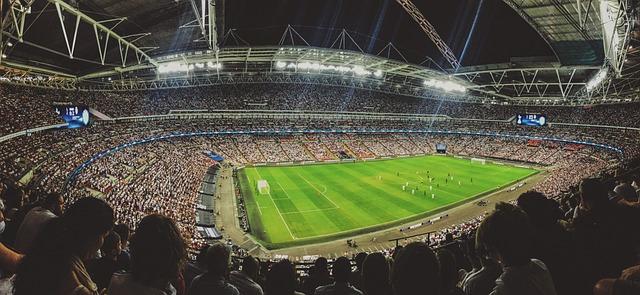
Contents
- 1 Defining the Parameters: Physical Demands and Mental Agility of Soccer Positions
- 2 Analyzing Field Positions: Goalkeeper, Defender, Midfielder, and Striker
- 3 Goalkeeper
- 4 Defender
- 5 Midfielder
- 6 Striker
- 7 Breaking Down the Roles: Responsibilities and Challenges of Each Position
- 8 Forward
- 9 Midfielder
- 10 Defender
- 11 Comparing the Rigors: Which Position Requires the Most Skills and Attributes?
- 12 Goalkeeper
- 13 Defender
- 14 Midfielder
- 15 Examining the Pressure: Mental Toughness Required by Different Positions
- 16 Exploring Mental Toughness in Soccer Positions
- 17 Assessing the Versatility: Can Players Transition Seamlessly Between Positions?
- 18 Highlighting the Importance: Impact of Positional Play on Team Performance
- 19 Providing Insights: Strategies for Developing Skills for Challenging Positions
- 20 In Retrospect
Defining the Parameters: Physical Demands and Mental Agility of Soccer Positions
In the intricate world of soccer, each position demands a unique blend of physical prowess and mental agility. From the lightning-fast reflexes required of a goalkeeper to the strategic vision of a midfielder, every player on the field plays a crucial role in the team’s success. However, one question that often sparks debate among fans and analysts alike is, "What is the hardest position in soccer?"
When it comes to physical demands, defenders are tasked with stopping the opposing team’s advances and must possess exceptional strength, speed, and endurance. On the other hand, forwards are expected to be quick on their feet, have precise ball control, and be able to score goals under intense pressure. Midfielders, known as the engine room of the team, must have a perfect mix of stamina, vision, and passing accuracy to dominate the center of the field.
In terms of mental agility, the role of a goalkeeper stands out as one of the most challenging positions on the field. They must constantly anticipate the opposition’s moves, make split-second decisions, and stay focused even during high-pressure situations. Meanwhile, strikers must possess sharp instincts, the ability to read the game, and the composure to finish chances in front of goal. The midfielder’s role requires tactical intelligence, the ability to dictate play, and quick decision-making to control the game’s flow.
Ultimately, deciding the hardest position in soccer is subjective and can vary depending on individual perspectives. Each role brings its own unique challenges, and it’s the collective effort of all players working together that leads to success on the field. So, while the debate may continue, one thing is certain – it takes a combination of physical demands and mental agility to excel in any position in the beautiful game of soccer.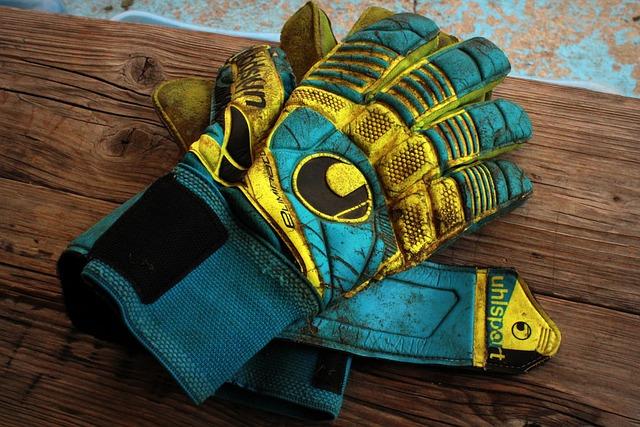
Analyzing Field Positions: Goalkeeper, Defender, Midfielder, and Striker
When it comes to analyzing field positions in soccer, it’s clear that each role on the field holds its own unique challenges and responsibilities. From the goalkeeper to the striker, every player plays a crucial part in the team’s success. But which position is the hardest? Let’s unravel the mystery and dive into the intricacies of being a goalkeeper, defender, midfielder, and striker.
Goalkeeper
Being a goalkeeper requires quick reflexes, strong communication skills, and mental toughness. Goalkeepers are responsible for not only stopping shots but also organizing their defense and initiating plays from the back. The pressure to make crucial saves and keep a clean sheet can be immense, making this position one of the most challenging on the field.
Defender
Defenders are the first line of defense and play a crucial role in shutting down opposition attacks. They must possess excellent tackling and positioning skills, as well as the ability to read the game and anticipate the opponent’s next move. A defender’s primary goal is to prevent the opposition from scoring, which requires a high level of concentration and physicality.
Midfielder
Midfielders are often referred to as the engine of the team, as they are responsible for connecting the defense to the attack. They must be versatile players who can contribute both defensively and offensively, controlling the pace of the game and distributing the ball effectively. Midfielders need to have exceptional stamina, vision, and technical ability to thrive in this demanding position.
Striker
Strikers are tasked with putting the ball in the back of the net and scoring goals for their team. This position requires clinical finishing, speed, agility, and the ability to create scoring opportunities out of nothing. Strikers often face intense pressure to deliver goals and are under constant scrutiny, making this position a challenging but rewarding one for those who excel in front of goal.
Breaking Down the Roles: Responsibilities and Challenges of Each Position
Forward
Forwards are often seen as the star players on the field. Their main responsibility is to score goals and create scoring opportunities for their team. This position requires a high level of skill, speed, and precision. One of the biggest challenges that forwards face is the pressure to perform consistently and score goals when it matters most. They must also be able to work well with their teammates to create scoring chances and capitalize on them.
Midfielder
Midfielders play a vital role in connecting the defense and the offense. They are responsible for controlling the flow of the game, maintaining possession, and creating scoring opportunities. One of the biggest challenges that midfielders face is the need to be versatile and adaptable. They must be able to both defend and attack, as well as transition between the two seamlessly. Additionally, midfielders often cover the most ground during a match, requiring high levels of stamina and endurance.
Defender
Defenders are tasked with preventing the opposing team from scoring goals. Their main responsibilities include marking opposing players, intercepting passes, and clearing the ball away from their own goal. One of the biggest challenges that defenders face is the need for excellent positioning and decision-making. They must be able to anticipate the movements of the opposing team and react quickly to defend against attacks. Defenders also need to be strong and physical to win duels and maintain control in the defensive third.
Comparing the Rigors: Which Position Requires the Most Skills and Attributes?
Goalkeeper
Goalkeepers are often regarded as the last line of defense in soccer, requiring a unique set of skills and attributes to excel in their position. The goalkeeper must possess quick reflexes, excellent hand-eye coordination, and the ability to make split-second decisions under immense pressure. They are responsible for organizing the defense, communicating with teammates, and making critical saves to keep the opposing team from scoring.
Some key skills and attributes required for goalkeepers include:
- Excellent shot-stopping ability
- Strong communication skills
- Athleticism and agility
- Distribution skills
Defender
Defenders play a crucial role in preventing the opposing team from scoring goals. They must be strong, physical, and disciplined in their positioning to thwart attacking plays. Defenders need to be able to anticipate the movements of opposing players, tackle effectively, and win aerial duels to regain possession of the ball. They are the foundation of a solid defense and often serve as the first line of attack in launching counter-attacks.
Key skills and attributes required for defenders include:
- Tactical awareness
- Physical strength and resilience
- Ball control and passing ability
- Ability to read the game and make quick decisions
Midfielder
Midfielders are often considered the engine room of the team, linking defense to attack and controlling the flow of the game. They must possess a wide range of skills and attributes, including passing accuracy, vision, creativity, and tactical awareness. Midfielders are responsible for dictating the tempo of the game, breaking up opposition attacks, and creating goal-scoring opportunities for their teammates. They must be able to cover a lot of ground, both offensively and defensively, and have the stamina to maintain a high work rate throughout the match.
Key skills and attributes required for midfielders include:
- Vision and passing ability
- Work rate and stamina
- Tactical awareness and positioning
- Ball control and dribbling skills
Examining the Pressure: Mental Toughness Required by Different Positions
Exploring Mental Toughness in Soccer Positions
Playing soccer requires a unique blend of physical skill, tactical awareness, and mental toughness. Each position on the field faces its own set of challenges and pressures, requiring a different level of resilience and focus. Let’s dive into the mental demands of some key positions in soccer:
Goalkeeper
Being a goalkeeper is often considered one of the most mentally challenging positions on the field. Keepers face constant pressure to make split-second decisions, handle high-pressure situations, and maintain focus for the entire duration of the game. The ability to stay calm under pressure and bounce back from mistakes is crucial for success in this position.
Striker
On the other end of the spectrum, strikers also require a high level of mental toughness. They must possess the confidence to take on defenders, the composure to finish scoring opportunities, and the resilience to handle the frustrations of missed chances. The ability to stay mentally sharp and keep a positive mindset is key for strikers to consistently perform at their best.

Assessing the Versatility: Can Players Transition Seamlessly Between Positions?
In the world of soccer, players are often lauded for their versatility and ability to seamlessly transition between positions on the field. This begs the question: can players truly excel when asked to play in a different role than their usual one?
When assessing the versatility of players, it is crucial to consider the skills and attributes required for each position. For example, a defender may need different qualities compared to a striker. However, some players have the unique ability to adapt quickly and effectively regardless of the position they are asked to play.
One of the key factors that contribute to a player’s success in transitioning between positions is their understanding of the game. Players who have a deep tactical knowledge and awareness are more likely to excel in different roles on the field. Additionally, their physical attributes, such as speed, strength, and agility, can also play a significant role in determining how well they can adapt to a new position.
Ultimately, while some positions may be more challenging than others, it is the player’s determination, adaptability, and skillset that will ultimately determine their success in transitioning seamlessly between positions. As the saying goes, “a good player can play anywhere on the field.”

Highlighting the Importance: Impact of Positional Play on Team Performance
When it comes to the game of soccer, each position on the field plays a crucial role in the team’s performance. However, there is a particular position that is often deemed the most challenging and demanding – the central midfielder. This position requires a unique skill set, tactical awareness, and the ability to control the game from the center of the field.
Central midfielders are tasked with dictating the pace of the game, orchestrating the team’s attacks, and providing defensive cover for the backline. They must possess exceptional passing range, vision, and decision-making skills to effectively link up play between the defense and attack. Additionally, central midfielders must have the stamina to cover vast amounts of ground throughout the match and the physicality to win duels in midfield.
One of the key responsibilities of a central midfielder is to maintain possession and control of the ball, which is essential for implementing a team’s positional play. They act as the engine of the team, constantly moving off the ball to create passing lanes and options for their teammates. Their ability to read the game, anticipate opposition movements, and make split-second decisions under pressure is what sets them apart as one of the most challenging positions in soccer.

Providing Insights: Strategies for Developing Skills for Challenging Positions
Soccer is a sport that requires a unique set of skills from its players, but there is one position that stands out as particularly challenging: the goalkeeper. Goalkeepers are often considered the last line of defense, responsible for preventing the opposing team from scoring goals. This position requires a combination of physical agility, mental toughness, and quick decision-making skills.
Some key factors that contribute to the difficulty of being a goalkeeper in soccer include:
- Constant pressure to perform under intense scrutiny
- Having to react quickly to unpredictable situations
- Dealing with the psychological aspect of being the only player on the field allowed to use their hands
- Balancing the physical demands of diving, jumping, and kicking with the need for precision
Despite these challenges, many goalkeepers thrive in this position and become instrumental in their team’s success. By honing their skills through rigorous training, mental preparation, and experience on the field, goalkeepers can develop the resilience and confidence needed to excel in this demanding role.
In Retrospect
In conclusion, the debate over the hardest position in soccer continues to be a mystery that will likely never be fully unraveled. Each position comes with its own unique set of challenges and demands, making it difficult to definitively crown one as the hardest. However, we can all agree that the beauty of soccer lies in its diversity and the skills required by players in every position. Whether you’re a goalkeeper, defender, midfielder, or forward, the game of soccer offers countless opportunities for players to showcase their talent and make a lasting impact on the field. So next time you watch a match, take a moment to appreciate the incredible abilities and dedication of players in every position, knowing that each one plays a crucial role in the success of their team.


