

Effective Communication: Soccer Drills for Communication
Effective communication is the key to success both on and off the soccer field. Developing clear and concise communication skills amongst players can greatly improve team performance and cohesion. In this article, we will explore some soccer drills specifically designed to enhance communication amongst players during practice and games. Let’s kick off our journey to better communication on the field!
Contents
- 1 Effective Communication on the Soccer Field
- 2 Importance of Communication in Soccer
- 3 Key Drills to Improve Communication on the Field
- 4 Understanding Nonverbal Communication in Soccer
- 5 Tips for Enhancing Verbal Communication During a Game
- 6 Utilizing Team Huddles for Clear Communication Strategies
- 7 Role of Body Language in Effective Communication on the Soccer Field
- 8 Encouraging Positive Feedback Amongst Teammates
- 9 Implementing Communication Drills in Practice Sessions
- 10 Developing Strong Bonds Through Open Communication in Soccer
- 11 In Conclusion
Effective Communication on the Soccer Field
is crucial for a team’s success. Players need to be able to effectively convey information, make quick decisions, and work together seamlessly. By incorporating specific soccer drills focused on communication, teams can improve their on-field performance and cohesion.
One effective drill for communication is the “Passing Relay”. In this drill, players are divided into two teams and must pass the ball to each other as quickly as possible. This drill helps players practice verbally communicating with their teammates, calling for the ball, and coordinating their movements.
Another communication drill is the “Defensive Shape Drill”. In this drill, players work on maintaining proper defensive positioning and communicating with each other to prevent the opposition from scoring. By emphasizing the importance of communication in defensive situations, teams can improve their overall defensive effectiveness.
Overall, incorporating these soccer drills focused on communication can help teams improve their on-field performance, enhance their cohesion, and ultimately achieve success on the soccer field.

Importance of Communication in Soccer
Communication is a vital aspect of success in soccer, as it allows players to work together effectively and achieve their goals on the field. Clear and concise communication can help players coordinate their movements, make split-second decisions, and ultimately outperform their opponents.
One way to improve communication skills in soccer is through specific drills designed to enhance verbal and non-verbal cues among players. These drills focus on quick and accurate exchanges of information, such as calling for the ball, directing teammates, and providing support during gameplay.
By incorporating communication drills into regular training sessions, teams can develop a stronger sense of cohesion and unity on the field. When players are able to effectively communicate with one another, they are better equipped to anticipate each other’s actions, adjust their strategies, and ultimately elevate their performance as a team.
Key Drills to Improve Communication on the Field
Effective communication is essential for success on the soccer field. Clear and concise communication can make the difference between winning and losing a game. Here are some key drills that can help improve communication among players:
- Passing Relay: Divide players into pairs and have them pass the ball back and forth while calling out each other’s names. This drill helps players get used to communicating during fast-paced situations.
- Defensive Shape Drill: Set up cones to represent attacking players and have the defensive line communicate to shift and maintain their shape. This drill emphasizes the importance of verbal cues in organizing the defense.
- Small-Sided Game: Play a small-sided game where players are encouraged to constantly communicate with each other. This drill mimics the chaos of a real game and forces players to rely on communication to succeed.
| Drill | Purpose |
|---|---|
| Passing Relay | Improve communication during fast-paced situations |
| Defensive Shape Drill | Emphasize the importance of verbal cues in organizing the defense |
| Small-Sided Game | Force players to rely on communication to succeed in a chaotic environment |

Understanding Nonverbal Communication in Soccer
Nonverbal communication plays a crucial role in soccer, as players need to be able to understand each other without speaking. To improve communication on the field, incorporating specific drills into training sessions can be highly beneficial. These drills focus on developing players’ awareness of their teammates’ movements, positioning, and intentions.
One effective drill is the Mirror Game, where players pair up and mirror each other’s movements without speaking. This helps players become more attuned to each other’s nonverbal cues and develop a better understanding of each other’s playing styles. Another useful drill is the Blindfolded Passing Drill, where players are blindfolded and must rely solely on their sense of touch and spatial awareness to pass the ball accurately. This exercise enhances players’ ability to communicate effectively without using words.
Incorporating these drills into regular training sessions can help improve team communication on the field. By becoming more aware of nonverbal cues and developing a better understanding of their teammates, players can enhance their performance and coordination during games. Effective communication is key to success in soccer, and these drills are valuable tools for fostering a strong and cohesive team dynamic.
Tips for Enhancing Verbal Communication During a Game
When it comes to enhancing verbal communication during a game, there are several tips and soccer drills that can help improve team dynamics and overall performance on the field.
One effective drill is the “Pass and Move” exercise, where players are required to communicate with each other in order to pass the ball and move into open spaces. This not only improves passing accuracy but also encourages players to vocally communicate with their teammates.
Another helpful tip is to establish clear and concise signals or calls for different game situations. For example, creating a simple code word for pressing high up the field can help players quickly react and coordinate their movements without confusion.
Additionally, incorporating small-sided games like 5v5 or 7v7 can be beneficial in fostering communication among players in a more intense and fast-paced environment. These games require constant communication and quick decision-making, which can translate into improved communication skills during larger matches.
Utilizing Team Huddles for Clear Communication Strategies
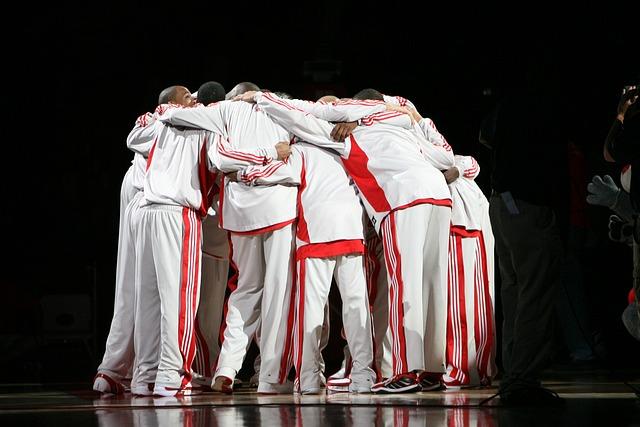
Using team huddles in soccer is a fantastic way to ensure clear communication strategies on the field. By coming together as a team before, during, and after games, players can discuss tactics, address any issues, and motivate each other for peak performance.
During these huddles, it’s important to emphasize the following communication strategies:
- Active Listening: Encourage all team members to listen actively to each other’s ideas and feedback.
- Clear Instructions: Clearly communicate game plans, strategies, and roles to ensure everyone is on the same page.
- Positive Reinforcement: Offer praise and encouragement to boost team morale and motivation.
To make team huddles even more effective, consider incorporating specific soccer drills that focus on communication. One such drill is the “Keep Away” drill, where players must communicate effectively to maintain possession of the ball. This not only sharpens communication skills but also improves teamwork and coordination on the field.
In conclusion, in soccer is essential for success on the field. By fostering open communication, active listening, and positive reinforcement, teams can work together cohesively towards their goals. Incorporating communication-focused drills in these huddles can further enhance team dynamics and overall performance.
Role of Body Language in Effective Communication on the Soccer Field
Body language plays a crucial role in effective communication on the soccer field. It can convey messages, instructions, and emotions to teammates without saying a word. By understanding and utilizing body language, players can improve their communication skills and enhance their overall performance on the field.
One way to improve communication through body language is by practicing specific soccer drills. These drills focus on non-verbal cues, gestures, and movements that players can use to communicate effectively with their teammates during a game. Here are some soccer drills that can help enhance communication:
- Eye Contact Drill: Players practice making eye contact with their teammates to signal passes, runs, or positioning on the field.
- Body Positioning Drill: Players work on using their body positioning to indicate where they want the ball played or where they intend to make their next move.
- Hand Signal Drill: Players use hand signals to communicate instructions, plays, or strategies with their teammates without verbally speaking.
By incorporating these drills into practice sessions, teams can improve their communication skills, build better understanding amongst teammates, and ultimately perform better on the soccer field.

Encouraging Positive Feedback Amongst Teammates
One of the key aspects of effective communication on the soccer field is . This not only fosters a supportive team environment but also helps improve overall performance. Here are some soccer drills that focus on enhancing communication skills:
- Passing Drill: Set up a passing drill where players have to call out the name of the person they are passing to. This encourages clear communication and helps teammates get used to calling out each other’s names during gameplay.
- Defensive Organization Exercise: Create a drill where defenders have to communicate with each other to mark opponents effectively. This drill emphasizes the importance of vocal communication in organizing the defense.
- Small-Sided Game: Play a small-sided game where players are only allowed to pass the ball a certain number of times before shooting. This drill forces players to communicate effectively to keep possession and create scoring opportunities.
| Drill | Purpose |
|---|---|
| Passing Drill | Enhance communication and passing accuracy |
| Defensive Organization Exercise | Improve defensive communication and organization |
| Small-Sided Game | Encourage quick decision-making and teamwork |
By incorporating these drills into your training sessions, you can help your team develop strong communication skills on the field. Remember that effective communication is essential for success in soccer, so make sure to prioritize this aspect of training with your teammates.

Implementing Communication Drills in Practice Sessions
Effective communication is key to success on the soccer field. One way to improve communication among players is by . These drills can help players understand the importance of clear and concise communication, which is essential for effective teamwork.
One drill that can be used is the “Pass and Move” drill, where players must communicate with each other to pass the ball and move into open spaces. This not only improves passing accuracy but also encourages players to vocalize their movements and intentions to their teammates.
Another effective drill is the “Defensive Shape” drill, where players must communicate with each other to maintain a strong defensive shape. By vocalizing their positions and movements, players can ensure that the team stays organized and compact, making it harder for the opposition to score.
Overall, incorporating communication drills into practice sessions can help players develop their verbal and non-verbal communication skills on the field. By practicing effective communication, teams can improve their overall performance and work together more cohesively to achieve success.

Developing Strong Bonds Through Open Communication in Soccer
Effective communication is key to developing strong bonds within a soccer team. By fostering open communication on and off the field, players can better understand each other’s strengths and weaknesses, leading to improved teamwork and performance. One way to enhance communication skills in soccer is through specific drills that focus on verbal and non-verbal cues.
**Soccer Drills for Communication:**
- Passing Patterns: Encourage players to communicate with each other by calling for the ball and providing clear instructions on where they want it played. This drill not only improves passing accuracy but also enhances communication skills.
- Small-Sided Games: Divide the team into smaller groups and play games that require constant communication, such as “Keep Away” or “Rondo.” Players must work together to maintain possession of the ball, requiring effective communication to succeed.
**Benefits of Communication in Soccer:**
- Improved Team Chemistry: When players communicate openly and effectively, they build trust and understanding with their teammates, creating a stronger bond both on and off the field.
- Enhanced Decision-Making: Clear communication allows players to make quick and informed decisions, leading to better overall performance during games.
| Drill | Purpose |
|---|---|
| Passing Patterns | Enhance passing accuracy and communication skills |
| Small-Sided Games | Improve teamwork and coordination through constant communication |
In Conclusion
Incorporating these soccer drills into your training regimen can help improve your team’s communication on the field. By practicing effective communication skills, you can enhance your team’s performance and work together towards achieving your goals. Remember, communication is key in any team sport, so keep practicing and watching your team’s cohesion grow stronger with each game. Let’s kick off those old habits and score big with effective communication on the field!


