
When Is Soccer Season? All You Need to Know!
Soccer season is a much-anticipated time of year for fans and players alike, but with different leagues and tournaments happening throughout the year, it can be challenging to keep track of when it all happens. Whether you’re a die-hard supporter or just looking to catch a game or two, understanding the key seasons of soccer can help you plan your viewing schedule. Get ready to kick off your understanding of soccer season with all you need to know.
Contents
- 1 When Does the Soccer Season Typically Start and End?
- 2 Understanding the Different Soccer Seasons Across the Globe
- 3 Europe:
- 4 South America:
- 5 MLS (Major League Soccer):
- 6 Key Factors Influencing the Timing of Soccer Seasons
- 7 What to Expect During Major Soccer Leagues’ Season Schedules
- 8 The Importance of Pre-Season Training and International Friendlies
- 9 How Weather Conditions Impact the Soccer Season Calendar
- 10 Balancing Club and National Team Commitments During the Season
- 11 The Role of TV Broadcasters in Shaping Soccer Season Fixtures
- 12 Navigating Transfer Windows and Player Contracts Throughout the Season
- 13 To Conclude
When Does the Soccer Season Typically Start and End?
In general, the soccer season typically starts around August or September and runs through May or June. However, the exact start and end dates can vary depending on the specific league or competition you are following. For example, the Premier League in England usually kicks off in mid-August and finishes in mid-May, while Major League Soccer (MLS) in the United States starts in March and concludes in November.
Here is a general breakdown of when the soccer season typically starts and ends in some of the major leagues around the world:
- English Premier League: August – May
- La Liga (Spain): August – May
- Bundesliga (Germany): August – May
- Serie A (Italy): August – May
- Ligue 1 (France): August – May
It’s worth noting that international competitions, such as the FIFA World Cup or UEFA European Championship, can also impact the soccer season schedule, with breaks often included to accommodate these tournaments.
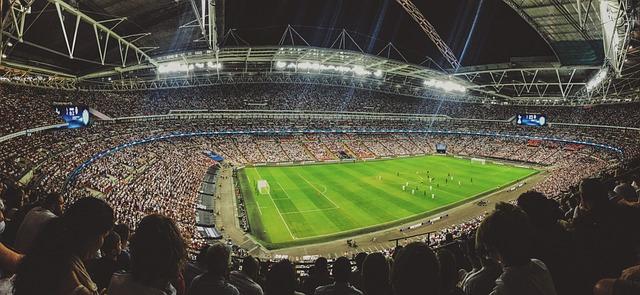
Understanding the Different Soccer Seasons Across the Globe
Many countries around the world have their own unique soccer seasons that typically follow the schedule of their respective leagues. Here’s a breakdown of some of the major soccer seasons you may want to keep an eye on:
Europe:
- English Premier League: The season typically runs from August to May, with matches played on weekends and occasionally midweek.
- La Liga: Spain’s top division also runs from August to May, with matches mostly played on weekends.
- Bundesliga: Germany’s top league follows a similar schedule to the English Premier League.
South America:
- Campeonato Brasileiro Série A: The Brazilian top division typically runs from May to December, with matches played on weekends.
- Argentine Primera División: Argentina’s top league follows a similar schedule to the Brazilian league.
MLS (Major League Soccer):
- MLS: The MLS season typically starts in March and ends with the MLS Cup in November, with matches played mostly on weekends.

Key Factors Influencing the Timing of Soccer Seasons
One key factor influencing the timing of soccer seasons is the geographical location of the league or competition. In Europe, for example, most leagues follow a traditional schedule running from August to May, aligning with the summer months when the weather is more favorable for outdoor games. On the other hand, countries in the southern hemisphere, like Australia, have their soccer seasons in the winter months to avoid extreme heat.
Another important factor to consider is the international soccer calendar, which includes major tournaments like the FIFA World Cup and continental championships such as the UEFA European Championship. These events can impact the timing of domestic leagues, as players often need to take breaks or adjust their schedules to participate in these competitions.
Additionally, the availability of stadiums and logistical considerations play a role in determining when soccer seasons take place. Stadiums may have conflicting schedules with other sports or events, forcing leagues to adjust their calendars accordingly. Travel considerations, such as distance between teams and weather conditions, also influence the timing of games and season schedules.
In conclusion, the timing of soccer seasons is influenced by a variety of factors, including geography, international events, stadium availability, and logistical considerations. Understanding these key factors can help fans and players anticipate when to expect their favorite teams to take the field.
What to Expect During Major Soccer Leagues’ Season Schedules
During the major soccer leagues’ season schedules, fans can expect a whirlwind of excitement and anticipation as their favorite teams battle it out on the field. The soccer season typically runs from late summer to early spring, depending on the league, with matches taking place on weekends and occasionally midweek.
**Key Things to Expect During Soccer Season:**
– *Fixture Congestion:* With multiple competitions like league matches, cup games, and international fixtures, teams often face a packed schedule, leading to fatigue and possible injuries for players.
– *Title Races:* Fans can look forward to intense battles at the top of the league table as teams vie for the coveted championship title.
– *Player Transfers:* The transfer window opens during the season, allowing clubs to bolster their squads with new signings or offload underperforming players.
**Sample Schedule for a Premier League Season:**
| Matchweek | Date | Home Team | Away Team | Venue |
|———–|—————-|—————-|—————–|——————-|
| 1 | Aug 14, 2021 | Manchester Utd | Chelsea | Old Trafford |
| 2 | Aug 21, 2021 | Liverpool | Arsenal | Anfield |
| 3 | Sep 4, 2021 | Manchester City| Tottenham | Etihad Stadium |
Stay tuned for thrilling matches, surprising upsets, and nail-biting moments throughout the soccer season!
The Importance of Pre-Season Training and International Friendlies
Pre-season training and international friendlies play a crucial role in preparing soccer teams for the upcoming season. These activities help players build their fitness levels, improve their skills, and develop team chemistry. By dedicating time to training and playing friendly matches against international opponents, teams can identify areas for improvement and work towards achieving success in the upcoming season.
One of the key benefits of pre-season training is that it allows players to regain their fitness levels after the off-season. Through a combination of strength training, cardio exercises, and tactical drills, players can ensure they are in top physical condition for the start of the season. This training also gives coaches the opportunity to assess the strengths and weaknesses of their players, allowing them to make any necessary adjustments to the team’s tactics or lineup.
International friendlies provide teams with the chance to test themselves against different styles of play and quality of opposition. By facing international teams, players can gain valuable experience and learn how to adapt their game to different situations. Additionally, these matches often attract a wider audience, allowing teams to showcase their talent on a global stage and attract new fans.
Overall, pre-season training and international friendlies are essential components of a successful soccer season. By putting in the hard work during the off-season and testing themselves against top international teams, soccer clubs can set themselves up for success in the upcoming season.

How Weather Conditions Impact the Soccer Season Calendar
When planning the soccer season calendar, one of the key factors to consider is the impact of weather conditions. The weather can have a significant influence on when games can be played, as well as the overall schedule for the season. Here are some ways in which weather conditions can impact the soccer season:
- Winter Weather: In many regions, winter weather can make it difficult to play soccer games outside. Cold temperatures, snow, and ice can all pose challenges for players and teams. As a result, many leagues schedule their seasons to avoid the coldest months of the year.
- Rainy Season: In some areas, the rainy season can make it difficult to play on grass fields. Heavy rainfall can lead to waterlogged pitches, making it unsafe for players to compete. Leagues in these regions may adjust their schedules to avoid the wettest months.
By taking into account the impact of weather conditions, soccer leagues can create a season calendar that allows for safe and enjoyable play for all participants. Whether it’s scheduling games during the warmer months or making provisions for indoor facilities, careful planning can help ensure a successful season for everyone involved.

Balancing Club and National Team Commitments During the Season
One of the biggest challenges for soccer players is balancing their commitments between their club and national team during the season. With both teams vying for their attention and time, players often find themselves torn between loyalty to their club and duty to their country.
**So, when does soccer season actually start and end?**
Club seasons typically run from late summer to early spring, depending on the league and country. However, international competitions like the World Cup, European Championship, Copa America, and African Cup of Nations can disrupt the club season and require players to join their national teams for extended periods.
**Here are a few key points to consider when :**
- Communicate openly and honestly with both your club and national team coaches about your availability and commitments.
- Understand the importance of rest and recovery to prevent burnout and injuries from playing too many matches in a short period.
- Work with both teams to create a schedule that allows you to fulfill your obligations to both without sacrificing your performance or well-being.

The Role of TV Broadcasters in Shaping Soccer Season Fixtures
TV broadcasters play a crucial role in shaping soccer season fixtures by influencing match schedules and kick-off times. The broadcasting rights for major leagues and tournaments are a highly sought-after commodity, with networks investing large sums of money to secure exclusive coverage.
By working closely with soccer leagues and governing bodies, broadcasters have the power to dictate when matches are held to maximize viewership and advertising revenue. This can lead to fixtures being moved to different days or times to accommodate television schedules.
Key points to consider:
- TV broadcasters often prioritize high-profile matches involving popular teams or star players.
- They may influence the creation of special events, such as mid-week matches or marquee matchups on weekends.
- Broadcasters play a significant role in shaping the overall viewing experience for soccer fans around the world.
| League | Broadcasting Network | Popular Matches |
|---|---|---|
| Premier League | Sky Sports, BT Sport | Manchester United vs Liverpool, Arsenal vs Chelsea |
| La Liga | beIN Sports | Barcelona vs Real Madrid, Atletico Madrid vs Sevilla |

In the world of soccer, transfer windows and player contracts play a crucial role throughout the season. Understanding the ins and outs of these processes can give fans a deeper insight into their favorite teams’ strategies and decision-making.
Transfer Windows: The transfer window refers to specific periods during the season when clubs are allowed to buy, sell, or loan players. In most leagues, there are two transfer windows: one in the summer and one in January. It’s during these times that clubs can make significant changes to their squads, bringing in new talent or offloading players who are no longer needed.
Player Contracts: Player contracts are legal agreements that outline the terms of a player’s employment with a club. These contracts typically cover details such as salary, bonuses, and length of stay. Understanding player contracts can help fans predict potential transfers or gauge a player’s commitment to their current club.
Stay Informed: To stay up to date on transfer windows and player contracts, follow reliable sources such as official club announcements, reputable sports journalists, and transfer news websites. By keeping tabs on the latest developments, you’ll be better equipped to understand the movements and decisions shaping the soccer season.
To Conclude
Now that you have all the information you need about soccer season, you can confidently mark your calendars and start planning your game day celebrations. Whether you’re a die-hard fan or a casual observer, knowing when soccer season is in full swing will ensure you don’t miss out on any of the action. So grab your jerseys, foam fingers, and lucky scarves, and get ready to cheer on your favorite teams as they battle it out on the field. Let the games begin!