

How Long Is a Soccer Season? Essential Guide!
Soccer fans around the world eagerly anticipate the start of each new season, but just how long does the excitement last? In this essential guide, we break down the duration of a typical soccer season, from its thrilling beginnings to its nail-biting conclusion. Whether you’re a seasoned supporter or a curious newcomer to the game, understanding the length of a soccer season is key to fully enjoying the beautiful game. So, lace up your boots and join us as we explore the answer to the burning question: How long is a soccer season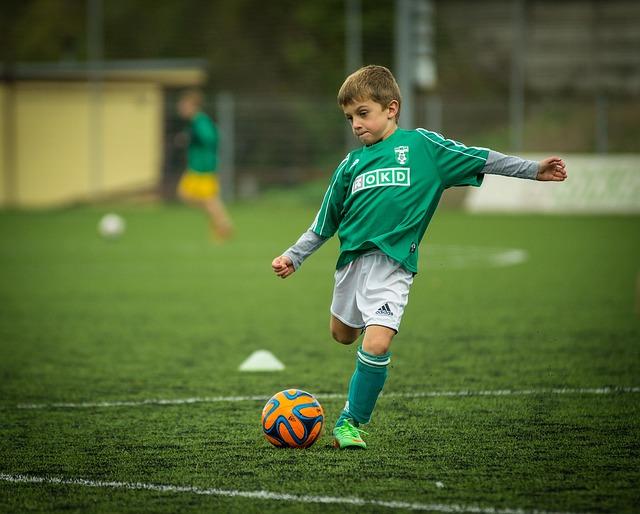
Contents
- 1 How Long Does the Typical Soccer Season Last?
- 2 How Long Is a Soccer Season? Essential Guide!
- 3 Key Factors That Determine the Length of a Soccer Season
- 4 Understanding the Different Types of Soccer Seasons
- 5 Insight into Major League Soccer Season Duration
- 6 International Competitions and Their Impact on the Soccer Season
- 7 Tips for Planning Your Schedule around Soccer Season
- 8 Important Dates to Remember During the Soccer Season
- 9 Making the Most of the Off-Season in Soccer
- 10 Balancing Training and Rest Throughout the Soccer Season
- 11 The Conclusion
How Long Does the Typical Soccer Season Last?
How Long Is a Soccer Season? Essential Guide!
When it comes to the length of a typical soccer season, there are a few key factors to consider. Soccer seasons can vary depending on the level of play, the country, and the specific league or competition. However, on average, a soccer season can last anywhere from a few months to nearly a year.
Here are some key points to keep in mind when looking at the duration of a soccer season:
- Professional soccer seasons typically last around 9-10 months, running from late summer to late spring.
- College soccer seasons in the United States usually span from late summer to early winter, lasting about 3-4 months.
- Youth soccer seasons can vary greatly, with some leagues running year-round and others following a more traditional schedule.
It’s important to note that within a soccer season, there are typically breaks for international competitions, holidays, and other events. This can impact the overall length of the season, so be sure to check the specific schedule for the league or team you are following.

Key Factors That Determine the Length of a Soccer Season
Factors such as league regulations, team schedules, and external events play a significant role in determining the length of a soccer season. One key factor is the format of the league itself. Leagues can be structured in various ways, including round-robin tournaments, knockout competitions, or a combination of both.
Team schedules also impact the length of a soccer season. The number of teams in a league, the frequency of matches, and the presence of international tournaments can all affect how long a season lasts. Additionally, factors such as playoffs, promotions, and relegations can extend the season beyond the regular match schedule.
External events, such as the FIFA World Cup or continental tournaments like the UEFA European Championship, can also influence the length of a soccer season. Leagues may need to adjust their schedules to accommodate these events, leading to changes in the duration of the season.
In conclusion, the length of a soccer season is determined by a combination of league regulations, team schedules, and external events. By considering these key factors, fans and players can better understand why some seasons are longer or shorter than others.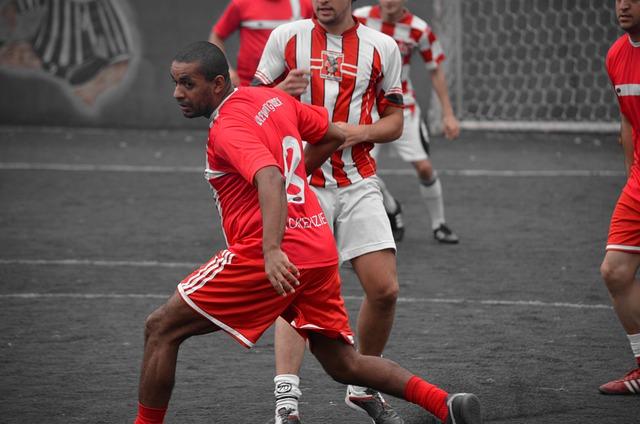
Understanding the Different Types of Soccer Seasons
Soccer seasons vary in length and structure depending on the league and country. can help you follow the sport more effectively and know what to expect.
1. Traditional Season: In most European leagues, the soccer season typically runs from August to May. Teams play each other twice, once at home and once away, for a total of 38 matches.
2. Split Season: Some leagues, such as the MLS in the United States, have a split season format where the season is divided into two parts. The first part determines the regular season standings, while the second part features playoffs to determine the champion.
3. Intercalary Season: In countries like Argentina and Uruguay, soccer seasons are split into two separate tournaments – the Apertura and Clausura. Each tournament crowns its own champion, and the overall winner is determined by a playoff or a points system.

Insight into Major League Soccer Season Duration
When it comes to the duration of a Major League Soccer season, it’s important to understand that the schedule can vary slightly from year to year. However, there are some key aspects that remain consistent across seasons. Here’s a breakdown of how long a typical soccer season lasts:
- Regular Season: The regular season of Major League Soccer usually spans from March to October, with each team playing a total of 34 games.
- Playoffs: Following the regular season, the top teams compete in the MLS Cup Playoffs, which typically take place in November and December.
- MLS Cup: The season culminates in the MLS Cup, which is usually held in early December and determines the league champion.
Overall, the Major League Soccer season lasts approximately 9 months, from the beginning of the regular season in March to the MLS Cup in December. This timeframe allows for an exciting and competitive season that keeps fans engaged throughout the year.

International Competitions and Their Impact on the Soccer Season
International competitions such as the FIFA World Cup, UEFA European Championship, Copa America, and African Cup of Nations have a significant impact on the soccer season. These tournaments bring together the best national teams from around the world, leading to a disruption in the regular club football calendar. During these competitions, many clubs have to cope with the absence of key players who are representing their countries on the international stage.
As a result of international competitions, the soccer season can be extended for some players and teams. Those who participate in the final stages of these tournaments may have a shorter break before the start of the new season, affecting their physical and mental readiness. Additionally, clubs with players involved in international competitions may need to adjust their preseason plans and strategies to accommodate the delayed return of their stars.
Furthermore, international competitions can also impact the scheduling of domestic leagues and cup competitions. Matches may be rescheduled or postponed to allow players to participate in international fixtures, leading to fixture congestion and potential fixture postponements in some leagues. This can have a knock-on effect on the overall competitiveness and fairness of the domestic competitions.
In conclusion, while international competitions bring excitement and global appeal to the sport of soccer, their impact on the soccer season cannot be underestimated. Clubs, players, and fans alike need to adapt to the changes in the calendar caused by these tournaments in order to navigate through a challenging and unpredictable season.

Tips for Planning Your Schedule around Soccer Season
If you or your child plays soccer, you know how important it is to plan your schedule around the soccer season. But how long does soccer season actually last? Soccer seasons can vary depending on the level of play and the organization, but typically they last around 10-12 weeks for youth leagues and up to 9 months for professional leagues.
Here are some :
- Check the soccer calendar: Make sure you have a copy of the soccer schedule so you can see when games and practices are happening.
- Communicate with coaches: Keep in touch with your child’s coach to stay informed about any changes to the schedule.
- Coordinate with other commitments: Make sure to schedule other activities around soccer games and practices to avoid conflicts.
- Plan ahead: Use a planner or calendar to keep track of important dates and events throughout the soccer season.

Important Dates to Remember During the Soccer Season
As the soccer season kicks off, it’s essential to mark your calendars with important dates to make sure you don’t miss a single game or event. Whether you’re a die-hard fan or a casual observer, staying on top of key dates will enhance your soccer experience. Here are some crucial dates to remember throughout the soccer season:
- Opening Day: The excitement starts on the opening day of the season when teams hit the field to kick off another thrilling season of soccer action.
- Derby Matches: Circle the dates when your favorite teams face off in intense derby matches. These games are filled with passion, rivalry, and unforgettable moments.
- Transfer Deadline Day: Keep an eye on the transfer deadline day, as clubs rush to secure last-minute deals for new players to strengthen their squads.
- Championship Final: The culmination of the season, the championship final is the pinnacle of soccer excellence where the top two teams battle it out for glory.
| Date | Event |
|---|---|
| August 1 | Opening Day |
| November 15 | Derby Match |
| February 1 | Transfer Deadline Day |
| May 30 | Championship Final |
Making the Most of the Off-Season in Soccer
During the off-season in soccer, players have the opportunity to regroup, refresh, and prepare for the upcoming season ahead. It’s a crucial time for athletes to focus on recovery, fitness, and skills development to ensure they are in top form when the season kicks off. Here are some key ways to make the most of the off-season in soccer:
– **Rest and Recovery:** After a grueling season, it’s essential for players to rest and allow their bodies to recover. This downtime is crucial for preventing injuries and ensuring optimal performance when training resumes.
– **Fitness Training:** Use the off-season to work on building strength, endurance, and agility. Focus on improving cardiovascular fitness and muscular strength through workouts tailored to soccer-specific movements.
– **Skill Development:** Dedicate time to work on individual skills such as dribbling, passing, shooting, and defending. Attend clinics or training camps to learn new techniques and sharpen your abilities on the field.
– **Set Goals:** Use the off-season to establish clear goals for the upcoming season. Whether it’s improving your speed, increasing your goal-scoring tally, or making the starting lineup, setting targets will help motivate you to stay on track during the off-season.
Balancing Training and Rest Throughout the Soccer Season
In order to maintain peak performance throughout the soccer season, it is important for players to find the right balance between training and rest. The length of a soccer season can vary depending on the league or level of play, but typically lasts several months. During this time, players must carefully manage their physical and mental well-being to avoid burnout and injuries.
Training: It is essential for players to participate in regular training sessions to improve their skills, fitness, and tactical understanding. Training should be structured and varied, incorporating elements such as strength and conditioning, skill drills, and team tactics. Players should also consider supplementing their training with individual practice sessions to enhance their performance.
Rest: Rest and recovery are equally important aspects of a player’s routine. Adequate rest allows the body to repair and rebuild muscle tissue, reducing the risk of injury and fatigue. Players should ensure they get enough sleep each night, as well as incorporate rest days into their training schedule. Additionally, activities such as stretching, massage, and ice baths can help promote recovery and reduce muscle soreness.
| Tip: | Take breaks during training sessions to hydrate and refuel. |
|---|---|
| Tip: | Listen to your body and adjust your training intensity accordingly. |
| Tip: | Seek guidance from a coach or sports medicine professional to create a personalized training and rest plan. |
The Conclusion
Now that you know all about the length of a soccer season, you can better prepare yourself for the marathon of games and competitions that lie ahead. Whether you’re a player, coach, or fan, understanding the duration of the season is essential to navigating the ups and downs of the beautiful game. So gear up, lace up your boots, and get ready for an exciting season of soccer action!


