Does Soccer and Football Have the Same Season? Comparing Seasons
Have you ever wondered if soccer and football have the same season? Well, you’re not alone. The sports world is filled with a multitude of overlapping seasons, causing even the most dedicated fans to scratch their heads. In this article, we’ll dive into the intriguing question of whether soccer and football share the same playing season. By comparing the two sports and their respective schedules, we’ll shed light on this perennial debate. So, fasten your seatbelts, sports enthusiasts, as we embark on a journey to unravel the mysteries of soccer and football seasons. Get ready for an informative, neutral, and clear exploration of these beloved sports!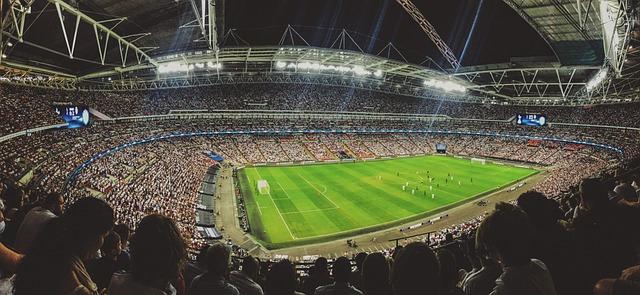
Contents
- 1 Does Soccer and Football Have the Same Season?
- 2 Comparing Seasons:
- 3 1. Introduction: Unraveling the Overlapping and Unique Seasons of Soccer and Football
- 4 2. Different Leagues, Different Schedules: A Closer Look at Soccer Seasonality
- 5 3. Decoding the Football Season: Understanding the Timing and Schedule of American Football
- 6 4. Climate Matters: How Weather Influences Soccer and Football Seasons
- 7 5. Global Showdown: How International Competitions Impact the Football and Soccer Schedules
- 8 6. Overlapping Windows: Exploring the Coinciding Periods of Soccer and Football
- 9 7. Bridging Gaps: Strategies to Enjoy Both Soccer and Football Throughout the Year
- 10 8. When to Cheer: Key Recommendations for the Soccer and Football Enthusiasts
- 11 Soccer and Football Seasons: A Comparison
- 12 9. Making the Choice: Prioritizing Between Soccer and Football Seasonal Events
- 13 10. Conclusion: Embrace the Sport Spectacle Year-Round with Soccer and Football
- 14 The Way Forward
Does Soccer and Football Have the Same Season?
Soccer and football may seem like two different sports, but they actually have a lot in common when it comes to their seasons. While there are some differences between the two, there are also many similarities that make the comparison interesting.
One of the main similarities between soccer and football is that they both follow a seasonal schedule. Both sports have a regular season, where teams compete against each other to earn a spot in the playoffs. The regular season usually lasts for several months, with games taking place on a weekly basis.
In terms of timing, soccer and football seasons typically overlap. The soccer season usually starts in the late summer or early fall and runs through the spring. Similarly, the football season kicks off in the late summer and extends into the winter months. This overlapping schedule allows fans to enjoy both sports during the same time of year.
However, there are some differences in the duration and structure of the seasons. Soccer seasons tend to be longer, with teams playing a higher number of games. In contrast, football seasons are shorter and more condensed, with teams playing fewer games but with higher stakes. This is because football teams typically have a higher risk of injury due to the physical nature of the sport.
Overall, while soccer and football may have some differences in their seasons, they both offer an exciting and competitive experience for fans. Whether you prefer the finesse and strategy of soccer or the power and intensity of football, there’s no denying that both sports have a special place in the hearts of fans worldwide.
WordPress Table Example (Styling using WordPress table classes):
| Soccer | Football |
|---|---|
| Longer season | Shorter season |
| More games | Fewer games |
| Runs from late summer to spring | Runs from late summer to winter |

Comparing Seasons:
In the world of sports, there are certain seasons that are dedicated to specific sports. Soccer and football, two of the most popular sports globally, also have their respective seasons. While there are similarities between the two sports, their seasons vary depending on the region.
In Europe and most parts of the world, soccer is played primarily during the fall and spring seasons. The soccer season typically runs from August to May, with a winter break in December and January. This allows teams to compete in various leagues and cups, such as the English Premier League, La Liga, and the UEFA Champions League. The summer months are usually reserved for international competitions, like the FIFA World Cup and the UEFA European Championship.
On the other hand, football, also known as American football, has its season during the autumn and early winter. The football season in the United States typically starts in September and culminates with the Super Bowl in February. During this time, teams from the National Football League (NFL) battle it out on the field, aiming to secure a spot in the playoffs and ultimately the coveted championship title.
While soccer and football may differ in their playing styles and rules, they both have a dedicated fan base and provide thrilling entertainment. Whether it’s the intense battles on the soccer pitch or the strategic maneuvers on the football field, both sports have their unique charm that keeps fans hooked throughout the season.
In conclusion, soccer and football have different seasons depending on the geographical location. Soccer is predominantly played during the fall and spring months, while football takes center stage during the autumn and early winter. Nevertheless, both sports captivate audiences worldwide with their passionate players, thrilling matches, and moments of glory on the field.
1. Introduction: Unraveling the Overlapping and Unique Seasons of Soccer and Football
Soccer and football, two of the most popular sports in the world, have captivated fans for decades. Many people often wonder if these two sports follow the same season or if they have different schedules. In this article, we will unravel the overlapping and unique seasons of soccer and football, comparing their schedules and shedding light on the similarities and differences between the two.
Soccer, or as it is known in many parts of the world, football, is a year-round sport. In most countries, the soccer season kicks off in late summer or early fall and runs until late spring or early summer of the following year. The exact start and end dates of the season vary depending on the country and the league. For example, in Europe, major soccer leagues like the English Premier League and the Spanish La Liga typically start in August and end in May. However, in countries where the climate allows, some leagues might follow a different schedule, such as beginning in February and concluding in November.
On the other hand, football, commonly referred to as American football, follows a more distinct season. The National Football League (NFL), the most popular professional football league in the United States, starts in early September and concludes with the Super Bowl in early February. The football season lasts for around five months, with each team playing 16 regular-season games. Unlike soccer, football has a structured playoff system that determines the teams that qualify for the postseason and eventually compete in the Super Bowl.
While soccer and football have different season lengths, they do share some overlapping periods. For instance, during the fall months in the United States, both sports are in full swing. Soccer matches are being played in Europe, while American football games are taking place across the country. However, it’s important to note that the primary seasons for these sports do not directly coincide.
In summary, soccer and football have distinct seasons, with soccer being played year-round and football following a more concentrated schedule. Despite some shared periods of play, soccer and football do not have the same season. Fans can enjoy both sports throughout the year, with each offering its unique style and excitement on the field.
2. Different Leagues, Different Schedules: A Closer Look at Soccer Seasonality
When it comes to the seasonality of soccer and football, there are some key differences that set them apart. While both sports have a defined season, the schedules and timing vary based on the league and country.
One major difference is the length of the season. In soccer, the season typically lasts around 9-10 months, starting in August or September and ending in May. This allows for a longer period of play and more opportunities for teams to compete. On the other hand, football has a shorter season, typically running from September to February, culminating in the highly anticipated Super Bowl.
Another difference lies in the number of games played. Soccer leagues often consist of a higher number of matches, with teams playing against each other multiple times throughout the season. This allows for a more comprehensive evaluation of a team’s performance over the course of the year. In contrast, football teams play a significantly lower number of games, with each team participating in 16 regular season games.
The timing of the season also differs between soccer and football. Soccer leagues in Europe, such as the English Premier League and La Liga, follow a traditional calendar year season, running from August to May. However, some leagues in other countries, like Major League Soccer in the United States, have a different schedule, with the season typically starting in March and ending in October.
Overall, while both soccer and football have defined seasons, they vary in terms of length, number of games, and timing. Understanding these differences is essential for fans and players alike, as it enables a better appreciation and comparison of each sport’s seasonality.

3. Decoding the Football Season: Understanding the Timing and Schedule of American Football
American football and soccer may share some similarities, but when it comes to their seasons, they follow entirely different schedules. While soccer follows a traditional seasonal format, American football has its own unique timing and schedule. Let’s dive into the details and compare the seasons of these two popular sports.
1. Duration: The soccer season typically runs from August to May, with a break during the winter months. On the other hand, American football has a much shorter season, running from September to January or early February, culminating in the highly anticipated Super Bowl.
2. Structure: Soccer leagues around the world usually adopt a round-robin format, where teams play multiple games against each other throughout the season. The team with the most points at the end is crowned the champion. American football, however, is based on a playoff system. The regular season determines the rankings, and the top teams advance to the playoffs, competing for a chance to reach the Super Bowl.
3. International Competitions: Soccer also has international competitions, such as the FIFA World Cup and continental championships like the UEFA Champions League. These events take place during the off-season of domestic leagues. In contrast, American football does not have a prominent international competition, as it is mainly played within the United States.
4. Fan Culture: The different seasons of soccer and American football contribute to unique fan cultures. In soccer, fans often travel long distances to support their teams, creating an electric atmosphere in stadiums. In American football, the shorter season intensifies the passion of fans, who eagerly await each game and the ultimate showdown of the Super Bowl.
While both soccer and American football have their own distinctive seasons, they continue to captivate fans worldwide with their thrilling matches and contagious enthusiasm. Whether you prefer the year-round excitement of soccer or the intense spectacle of American football, there’s no denying the joy these sports bring to millions of fans. So, grab your favorite team’s jersey and get ready to cheer them on, no matter the season!
4. Climate Matters: How Weather Influences Soccer and Football Seasons
When it comes to soccer and football seasons, the climate plays a crucial role in determining the timing and conditions of these sports. While both soccer and football are played in various regions around the world, their seasons often differ due to the diverse weather patterns that impact each sport.
1. Soccer:
In most parts of Europe and North America, soccer season traditionally begins in late summer or early autumn, when the weather is milder and more conducive to outdoor activities. This timing allows players to compete without extreme temperatures or adverse weather conditions. The season typically runs through the fall and winter months, with some regions extending it into the spring. In warmer climates, such as Southern Europe, South America, and parts of Asia, soccer seasons may span across the spring and summer months to avoid scorching temperatures.
2. Football:
Football, on the other hand, primarily follows a different pattern for its seasons. In North America, professional football, also known as the National Football League (NFL), has its regular season starting in early September and concluding in late December or early January. This schedule allows teams to avoid extreme heat, rain, or snow that may affect gameplay. The playoffs and championship games typically occur in January and February, leading up to the ultimate sporting event, the Super Bowl.
In contrast, football in Europe is primarily played during the autumn and winter months, aligning with the colder climate. Leagues such as the English Premier League, Spanish La Liga, and German Bundesliga commence their seasons around August or September, continuing through the winter until May. This timing allows matches to take place in the cooler temperatures, which are favored by both players and spectators alike.
In summary, while both soccer and football share similarities in terms of being highly popular sports, the timings of their seasons differ globally. Soccer tends to adapt its season according to regional climate conditions, with a focus on avoiding extreme weather conditions, whereas football seasons revolve around traditional schedules that are optimized for the specific needs and preferences of the sport. Regardless of the variations, both soccer and football seasons captivate millions of fans around the world, showcasing the power of these sports to unite people across different regions and cultures.
5. Global Showdown: How International Competitions Impact the Football and Soccer Schedules
International competitions play a significant role in shaping the schedules for both football and soccer, but the seasons for these two sports are not always the same. While there are some similarities, there are also notable differences that impact the timing of key matches and tournaments.
In football, the traditional season for most European leagues runs from August to May. This allows teams to participate in various domestic competitions like the Premier League in England, La Liga in Spain, and Serie A in Italy. However, the football calendar is also heavily influenced by international tournaments such as the FIFA World Cup and the UEFA European Championship. These global showdowns often take place in the summer and can disrupt domestic league schedules, leading to adjustments and potential conflicts for clubs and players.
On the other hand, soccer, particularly in North America, follows a different schedule. Major League Soccer (MLS), for example, typically starts in March and culminates with the MLS Cup in November. The reason for this difference lies in the climate and traditions of the regions where soccer is popular. The warmer weather in North America during the summer months allows for outdoor play, making it more comfortable for players and fans. Additionally, this timing aligns with other American sports seasons, enabling soccer to be showcased alongside sports like basketball and baseball.
When international competitions, such as the FIFA World Cup or the UEFA European Championship, occur during the traditional soccer season, adjustments need to be made to accommodate players representing their respective national teams. This can result in schedule changes, possible player absences, and rescheduling of league matches. The impact of these global competitions can be significant, as they capture the attention of fans worldwide and draw in billions of viewers.
So, while both football and soccer have their seasons, there are variations influenced by international competitions and regional factors. These differences add complexity to the scheduling process, requiring careful coordination between domestic leagues, global governing bodies, and the aspirations of players and clubs.

6. Overlapping Windows: Exploring the Coinciding Periods of Soccer and Football
For sports enthusiasts and fans who enjoy both soccer and football, one of the burning questions is whether these two popular sports share the same season. Comparing the seasons of soccer and football can shed light on how these sports coexist and offer exciting opportunities for fans throughout the year.
Soccer, also known as football in many parts of the world, typically follows a different schedule compared to American football. In most countries, soccer seasons align with the calendar year, starting in late summer and ending in late spring or early summer. On the other hand, football in the United States takes place primarily during the fall and winter, with the National Football League (NFL) season commencing in September and concluding with the Super Bowl in February.
However, as soccer’s popularity grows in the United States, an overlapping period between soccer and football has emerged. This period, often referred to as the “off-season” for American football, offers soccer a chance to take center stage. Major League Soccer (MLS), the premier soccer league in the United States, plays its regular season from March to October, with playoffs extending into November and the MLS Cup being held in early December.
During this overlapping window, soccer provides an exciting alternative for football fans seeking action-packed sports. With MLS matches being held in stadiums across the country, fans can attend games or tune in to watch matches during the football off-season. This timeframe also presents an opportunity for soccer and football fans to explore both sports in a unique way, appreciating the skills and thrills each sport offers.
Key Points:
- Soccer and football do not have the exact same season.
- Soccer seasons predominantly align with the calendar year.
- Football, particularly in the United States, primarily takes place in the fall and winter.
- However, an overlapping window exists where soccer gains prominence during the football off-season.
- The MLS regular season runs from March to October, providing an alternative for sports fans during this period.
- During this time, fans can experience the excitement of both sports and appreciate the unique qualities of each.

7. Bridging Gaps: Strategies to Enjoy Both Soccer and Football Throughout the Year
Many sports enthusiasts often find themselves torn between their love for soccer and football, as these two sports have different seasons. Soccer is typically played during spring and summer, while football takes place in the fall and winter. However, with some creative strategies, it’s possible to enjoy both sports throughout the year. In this post, we will compare the seasons of soccer and football, and explore how you can bridge the gaps between the two.
1. Understanding the seasons:
- Soccer: The soccer season usually begins in the spring and continues through the summer. This is when domestic leagues, international tournaments, and friendly matches take place.
- Football: Often referred to as “American football,” the season starts in the fall and extends into the winter. The NFL (National Football League) and college football games dominate this time, with playoffs and the Super Bowl taking place in early February.
2. Overlapping seasons:
Fortunately, the seasons of soccer and football do overlap to a certain extent. In early fall and late spring, you can catch some professional soccer matches while still enjoying the excitement of football. This is an ideal time to watch international soccer competitions, such as the UEFA Champions League or FIFA World Cup qualifiers.
3. Exploring alternative leagues:
If you crave soccer during the football season, consider following alternative leagues from different parts of the world. European leagues, such as the English Premier League or Spanish La Liga, have matches year-round and can keep you entertained during football’s downtime.
4. Engaging in recreational leagues:
Participating in recreational soccer and football leagues is another excellent strategy to bridge the gaps between the two sports. You can join local community teams or organize friendly matches with friends. This way, you can play soccer during the football season and vice versa, ensuring you never miss out on the thrill of either sport.
In conclusion, although soccer and football have different seasons, it’s possible to enjoy both throughout the year. By understanding the seasons, exploring alternative leagues, and participating in recreational activities, you can bridge the gaps and never miss a chance to indulge in your passion for these two incredible sports.

8. When to Cheer: Key Recommendations for the Soccer and Football Enthusiasts
Soccer and Football Seasons: A Comparison
When it comes to cheering for your favorite soccer or football team, it’s important to know when their seasons begin and end. While soccer and football are both exciting sports that capture the attention of millions, their seasons differ in various aspects.
1. Start of the Season
In soccer, the season typically starts in late summer, around August or September, and continues until late spring the following year. On the other hand, football season typically begins in early September and ends in late December or early January. This means that soccer enthusiasts can enjoy their favorite sport throughout most of the year, while football enthusiasts have a more concentrated season.
2. League Structure
Soccer leagues around the world typically follow a round-robin format, where each team plays every other team in the league. These leagues may span several months or even a year, with teams accumulating points to determine the winner. In football, the league structure is divided into regular season games followed by playoffs, leading up to the ultimate championship game.
3. International Competitions
Soccer enthusiasts have the privilege of witnessing various international competitions that gather national teams from different countries. Tournaments like the FIFA World Cup and the UEFA European Championship are held every four years, capturing the attention of soccer fans worldwide. Football, on the other hand, has its own international competition known as the Super Bowl, which takes place at the end of the season and attracts millions of viewers.
Regardless of the differences in seasons, soccer and football enthusiasts share the joy of supporting their favorite teams and players. Whether you’re a fan of the exciting, fast-paced soccer matches or the strategic, hard-hitting football games, there’s always something to cheer about throughout the year!

9. Making the Choice: Prioritizing Between Soccer and Football Seasonal Events
When it comes to sports, soccer and football are two of the most popular choices for fans around the world. However, one question that often arises is whether these two sports have the same season. Let’s take a closer look at their respective seasons and compare them.
Soccer, also known as football in many countries, is a sport that is played throughout the year, with different leagues and tournaments taking place at different times. In Europe, for example, the soccer season typically runs from August to May, with a break during the winter months. Major tournaments such as the FIFA World Cup and the UEFA Champions League are organized on a yearly basis, bringing together teams and players from all over the globe.
On the other hand, football, often referred to as American football, has a more distinct season that kicks off in the late summer and concludes in early February. The National Football League (NFL) is the premier professional league for football in the United States, and it spans across 17 weeks, followed by the highly anticipated playoffs leading up to the Super Bowl. Football season is characterized by tailgating parties, fantasy football leagues, and exciting rivalries.
Comparing the seasons of soccer and football, it becomes evident that they are quite different. While soccer is a year-round sport with multiple leagues and tournaments taking place simultaneously, football is more concentrated into a specific time frame with the focus on the NFL and the road to the Super Bowl. Both sports offer their own unique excitement and entertainment, and fans often find themselves torn between prioritizing between the two during their respective seasons.

10. Conclusion: Embrace the Sport Spectacle Year-Round with Soccer and Football
The conclusion of our analysis on soccer and football seasons brings together an exciting revelation. Contrary to popular belief, soccer and football do not share the same season. While there may be some overlap in their schedules, each sport has its designated time of the year when it takes center stage. Let’s break it down:
Soccer, also known as football in many parts of the world, dominates the sports scene throughout the year. From domestic leagues to international tournaments, there is always a soccer competition happening somewhere. The beauty of soccer lies in its global appeal, ensuring that fans can indulge in the sport spectacle virtually year-round. Whether you’re following the English Premier League, the UEFA Champions League, or even the World Cup, there’s never a shortage of top-quality soccer action to enjoy.
On the other hand, football, primarily referring to American football, has a more concentrated season. The National Football League (NFL), the premier American football league, kicks off in September and concludes with the Super Bowl in early February. During these several months, football enthusiasts gather around their screens or flock to stadiums to witness the hard-hitting action, strategic plays, and unforgettable moments that make the sport so iconic. With its limited season, football creates an intense atmosphere that captivates fans across the United States.
While soccer and football may have different seasons, one thing is for certain: both sports offer an unmatched spectacle for sports enthusiasts worldwide. Whether you’re a die-hard fan of the beautiful game or a passionate follower of the gridiron, there’s no shortage of excitement and entertainment to be had throughout the year. So, embrace the thrilling world of soccer and football, and prepare for a year-round journey filled with goals, touchdowns, and unforgettable sporting moments.
To summarize, soccer enthusiasts can indulge in the sport spectacle year-round, thanks to the continuous flow of tournaments and leagues worldwide. Football, on the other hand, has a concentrated season from September to February, culminating in the highly anticipated Super Bowl. As sports lovers, we are fortunate to have the opportunity to embrace the best of both worlds and immerse ourselves in the magic of soccer and football all year long.
The Way Forward
In conclusion, while soccer and football are both beloved sports played worldwide, they do have different seasons. Soccer, also known as football in other parts of the world, is usually played from late summer to early spring, allowing players to showcase their skills in various weather conditions. On the other hand, football, often referred to as American football, takes place during the fall and winter months, providing a thrilling spectacle for fans as teams battle it out on the gridiron. So, next time you’re wondering if soccer and football have the same season, remember that each sport has its own unique timeline.