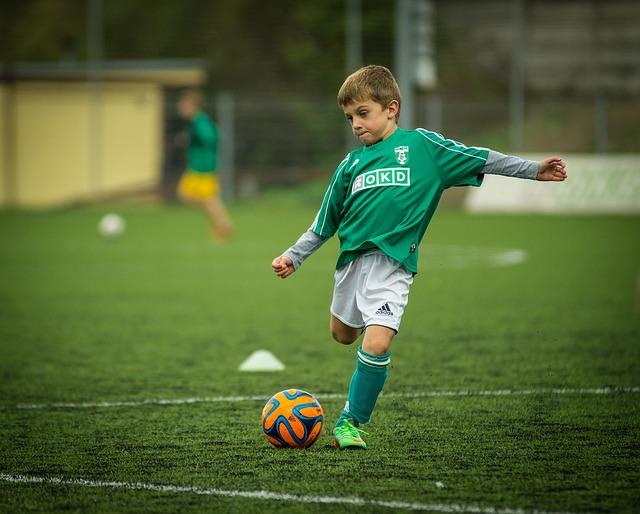
Which Position Runs the Most in Soccer? Unveiling the Endurance Role!
Have you ever wondered which position runs the most in a soccer match? The answer may surprise you. In this article, we will unveil the role of endurance in soccer and explore which position requires the most running on the field. Get ready to dive into the world of soccer endurance and discover the key players who keep the game moving at full speed.
Contents
- 1 Understanding the Importance of Endurance in Soccer
- 2 Analyzing the Role of Midfielders in Running Distance
- 3 Exploring the Physical Demands of Defenders in Soccer
- 4 Unveiling the Running Stats of Forwards in Soccer
- 5 Comparing the Running Patterns of Different Positions
- 6 Key Factors Influencing Running Distance in Soccer
- 7 Factors Affecting Running Distance in Soccer
- 8 Tips for Improving Endurance in Soccer Players
- 9 Strategies for Enhancing Overall Performance through Endurance Training
- 10 To Conclude
Understanding the Importance of Endurance in Soccer
In soccer, endurance plays a crucial role in determining a player’s performance on the field. It is essential for players to have the stamina to keep up with the demands of the game, especially considering that soccer matches can last for 90 minutes or more.
One interesting aspect of endurance in soccer is the amount of running that different positions are required to do during a game. While all players need a good level of endurance, some positions tend to cover more ground than others. Midfielders, for example, are known to cover the most distance during a game, constantly moving up and down the field to support both the defense and the offense.
Defenders also require a high level of endurance, as they need to be able to keep up with opposing attackers and prevent goals from being scored. On the other hand, forwards may not cover as much ground as midfielders or defenders, but they still need to have the stamina to make quick sprints and capitalize on scoring opportunities.
Overall, no matter what position a player is in, endurance is a key factor that can make a significant difference in their performance on the soccer field. By incorporating endurance training into their routine, players can improve their stamina, stay sharp throughout the game, and contribute more effectively to their team’s success.

Analyzing the Role of Midfielders in Running Distance
Midfielders play a crucial role in soccer, often acting as the engine of the team. They are responsible for linking the defense with the attack, making crucial tackles, and creating scoring opportunities for their teammates. But one aspect of their game that often goes unnoticed is their incredible endurance and ability to cover large distances on the field.
In a typical soccer match, midfielders are required to run the most in order to maintain possession, track back defensively, and support the forwards in attack. This constant movement and high-intensity running can often be physically demanding, requiring top-notch fitness levels and stamina.
When breaking down the statistics, it is evident that midfielders cover the most distance during a game compared to other positions on the field. Their role requires them to be constantly on the move, covering both defensive and attacking duties throughout the match. This relentless running not only showcases their endurance but also highlights their importance in dictating the tempo of the game.
In conclusion, the role of midfielders in running distance is a vital component of a successful soccer team. Their ability to cover large areas of the field, both offensively and defensively, is crucial in maintaining possession, creating scoring chances, and ultimately influencing the outcome of the game. So next time you watch a match, pay attention to the tireless work ethic of the midfielders and appreciate the impact they have on the game.
Exploring the Physical Demands of Defenders in Soccer
Defenders in soccer play a vital role in the team’s success, as they are responsible for stopping the opposition’s attacks and protecting their own goal. Understanding the physical demands placed on defenders can provide valuable insights into their endurance levels and overall performance on the field.
One of the key aspects of a defender’s physical demands is the amount of running they do during a match. While all players on the field must cover significant distances, defenders are often tasked with tracking back to defend their goal, making crucial tackles, and supporting the team in attack. This constant movement requires a high level of endurance to maintain performance throughout the game.
When it comes to running distances in soccer, defenders are known for covering impressive amounts of ground. Their role requires them to be mobile, agile, and capable of quick bursts of speed to keep up with opposing attackers. Defenders often have to sprint back and forth across the field, making it one of the most physically demanding positions in the game.
Research has shown that defenders in soccer can run up to 8-9 miles in a single match, depending on the style of play and the level of competition. This high level of endurance and physical fitness is essential for defenders to be effective in their role, as they are required to defend their goal for the entire match while also contributing to their team’s attacking efforts.

Unveiling the Running Stats of Forwards in Soccer
When it comes to the game of soccer, one of the most debated topics is which position runs the most. While all players on the field cover a significant amount of ground during a match, forwards are often the ones who stand out for their endurance and work rate.
Forwards in soccer are constantly on the move, making runs to create scoring opportunities, pressuring the opponents, and tracking back to help in defense. This high level of activity requires a great deal of stamina and fitness, as forwards need to be able to sustain their intensity throughout the entire match.
Studies have shown that forwards can run anywhere from 7 to 10 kilometers per game, depending on the level of competition and the playing style of the team. This means that forwards are not only responsible for scoring goals but also for covering a significant amount of distance on the field.
So, next time you watch a soccer match, keep an eye on the forwards and their movement off the ball. You’ll quickly see why they are often considered the workhorses of the team and why their running stats are among the highest on the field.

Comparing the Running Patterns of Different Positions
When it comes to the amount of running involved in a soccer match, the position you play on the field can have a significant impact on your endurance requirements. Different positions have distinct running patterns that contribute to their overall contribution to the team’s performance. Let’s delve into the running patterns of various positions to unveil which role requires the most endurance.
Defenders, typically stationed at the backline, are responsible for preventing the opposing team from scoring. While they may not cover as much ground as other positions, defenders engage in frequent sprints and lateral movements to intercept the ball and mark their opponents effectively. This combination of short bursts of high-intensity running and strategic positioning demands a good level of endurance.
Midfielders, known as the engine of the team, cover the most distance on the field. They shuttle between defense and attack, supporting both ends of the pitch. Midfielders are involved in constant running, whether it’s tracking back to defend or making runs forward to create scoring opportunities. Their versatility and work rate make them one of the most physically demanding positions.
Forwards, or strikers, are primarily focused on scoring goals. While they may not cover as much ground as midfielders, forwards rely on quick bursts of acceleration to exploit gaps in the defense and capitalize on scoring chances. Their running patterns are more explosive and concentrated in the final third of the field, requiring sharp bursts of energy and speed.

Key Factors Influencing Running Distance in Soccer
Factors Affecting Running Distance in Soccer
Running distance in soccer is influenced by various key factors that affect the endurance levels of players on the field. Understanding these factors can give us insights into which positions require the most physical stamina and running capabilities. Let’s delve into some of the :
- Position on the Field: Certain positions like midfielders and full-backs tend to cover more ground compared to forwards and center-backs. This is because they are involved in both defensive and offensive plays, requiring them to run longer distances throughout the game.
- Tactics and Playing Style: Teams that employ high-pressing tactics or focus on quick transitions may require their players to run more to maintain pressure on the opponents. Playing style also plays a significant role in determining running distance.
- Fitness Levels: Players with higher fitness levels are able to cover more ground and maintain a high intensity throughout the game. Conditioning, strength, and overall fitness are crucial factors in determining running distance in soccer.
- Game Situation: The scoreline, game tempo, and intensity can also impact running distance. Players may run more in tightly contested games or when trying to chase a lead, while the distance covered may vary in different game situations.

Tips for Improving Endurance in Soccer Players
When it comes to improving endurance in soccer players, it is essential to understand the demands of each position on the field. While all players need a good level of stamina, some positions require a higher level of endurance than others. Let’s take a closer look at which position runs the most in soccer and how to improve endurance for players in that role.
The Midfielders:
Midfielders are known for covering the most ground during a soccer match. They are constantly moving up and down the field, supporting both the defense and the attack. To improve endurance in midfielders, focus on:
- High-intensity interval training (HIIT) to simulate the quick bursts of energy needed during a match.
- Incorporating long-distance runs to build overall stamina.
- Emphasizing proper recovery techniques to prevent burnout.
Sample Endurance Training Plan for Midfielders:
| Day | Activity | Duration |
|---|---|---|
| Monday | HIIT Session | 45 minutes |
| Wednesday | Long-Distance Run | 60 minutes |
| Friday | Recovery Session (Yoga/Stretching) | 30 minutes |
By tailoring their training to mimic the demands of their position, midfielders can build the endurance needed to excel on the field. Remember, endurance is not just about running long distances but also about being able to sustain high-intensity efforts throughout the match.

Strategies for Enhancing Overall Performance through Endurance Training
When it comes to the game of soccer, endurance plays a crucial role in the overall performance of players on the field. While all positions require a certain level of endurance, there is one position in particular that tends to run the most during a game – the midfielder. Midfielders are responsible for both offensive and defensive plays, requiring them to cover a significant amount of ground throughout the match.
Here are some for soccer players:
- Incorporate interval training into your workout routine to improve cardiovascular endurance and stamina.
- Focus on building lower body strength through exercises like squats, lunges, and plyometrics to help improve agility and power.
- Include long distance runs in your training schedule to build endurance and increase your overall stamina.
- Don’t forget to prioritize rest and recovery to allow your body to recover and repair after strenuous training sessions.
By incorporating these strategies into your training regimen, you can improve your overall performance on the field and increase your endurance levels to keep up with the demands of the game.
To Conclude
In conclusion, the question of which position runs the most in soccer can be answered by looking at the endurance role within the team. While all players contribute to the overall movement on the field, it is the midfielders and full-backs who are typically the ones covering the most ground. Understanding the demands of each position can help players and coaches better prepare for matches and optimize their performance. So next time you’re watching a game, keep an eye out for those players who never seem to stop running – they’re likely the ones filling the endurance role on the team.