

What Position Do the Best Soccer Players Play? Analyzing Elite Roles!
Have you ever wondered what position the best soccer players in the world play? In this article, we will delve into the elite roles of top-tier athletes and analyze the key positions that define their success on the field. From goalkeepers to forwards, we will explore the unique skills and strategies that make these players stand out among the rest. Join us as we uncover the secrets behind the positions of the best soccer players in the game!
Contents
- 1 Top Positions for Elite Soccer Players
- 2 Goalkeeper
- 3 Defender
- 4 Midfielder
- 5 Forward
- 6 Analyzing the Role of Strikers in Soccer
- 7 The Importance of Midfielders in Elite Teams
- 8 Key Attributes and Strategies for Defenders
- 9 Goalkeepers: The Last Line of Defense
- 10 Understanding the Role of Wingers in Modern Football
- 11 The Versatility of Attacking Midfielders
- 12 Defensive Midfielders: The Unsung Heroes
- 13 Fullbacks: The Backbone of the Defense
- 14 Central Defenders: The Pillars of Strength
- 15 To Conclude
Top Positions for Elite Soccer Players
Goalkeeper
Goalkeepers play a crucial role in soccer, being the last line of defense for their team. They are responsible for preventing the opposing team from scoring by blocking shots on goal and organizing the defense. Elite goalkeepers are known for their quick reflexes, agility, and ability to make split-second decisions under pressure.
Defender
Defenders are tasked with stopping the opposing team from advancing the ball and scoring. They are typically strong, physical players who excel at tackling, marking, and intercepting passes. Elite defenders are known for their positioning, anticipation, and ability to read the game.
Midfielder
Midfielders are the engine of the team, connecting the defense and attack. They are responsible for controlling the flow of the game, distributing the ball, and creating scoring opportunities. Elite midfielders are versatile, with exceptional passing, dribbling, and vision on the field.
Forward
Forwards are the goal-scorers of the team, responsible for putting the ball in the back of the net. They are typically fast, skillful players who can create and finish goal-scoring chances. Elite forwards are known for their goal-scoring prowess, creativity, and ability to change the game with a single moment of brilliance.
Analyzing the Role of Strikers in Soccer
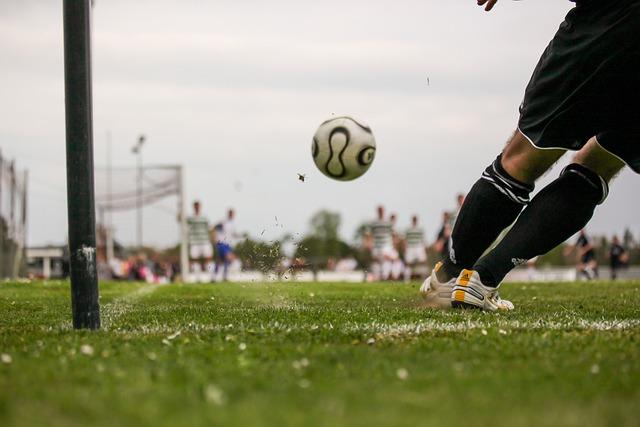
When it comes to , one must consider the importance of these players in the game. Strikers are often referred to as the goal scorers of the team, as their primary role is to score goals and create scoring opportunities for their teammates. These players are typically positioned at the top of the formation, closest to the opponent’s goal, in order to capitalize on scoring chances.
Elite soccer players who excel in the striker position possess a unique skill set that sets them apart from other players on the field. They are known for their speed, agility, and ability to finish with precision. Their tactical awareness and ability to read the game also play a crucial role in their success on the field.
Some of the best soccer players in the world, such as Lionel Messi and Cristiano Ronaldo, have made a name for themselves as prolific strikers. Their goal-scoring records and ability to change the course of a game single-handedly have solidified their status as some of the greatest players of all time.
The Importance of Midfielders in Elite Teams
Midfielders play a crucial role in elite soccer teams, acting as the link between defense and attack. They are often referred to as the engine of the team, controlling the flow of the game and dictating the pace of play. Without strong midfielders, teams can struggle to maintain possession, create scoring opportunities, and defend effectively.
One key responsibility of midfielders is to win back possession of the ball and distribute it to their teammates. They must be able to intercept passes, tackle opponents, and cover a lot of ground during a match. Additionally, midfielders are often tasked with initiating attacks, providing key passes to forwards, and even scoring goals themselves.
In elite teams, midfielders are expected to be versatile and well-rounded players. They need to have excellent passing, dribbling, and defensive skills, as well as the ability to read the game and make quick decisions under pressure. Some of the best soccer players in the world, such as Kevin De Bruyne, Luka Modric, and N’Golo Kante, excel in the midfield position.
Key Attributes and Strategies for Defenders
Defenders in soccer play a crucial role in protecting their team’s goal and stopping the opponent’s attack. What sets the best defenders apart from the rest are their key attributes and strategies that make them elite players on the field.
Some key attributes that top defenders possess include:
- Positioning: The ability to anticipate plays and position themselves in the right spot to intercept passes or block shots.
- Tackling: Good tackling skills are essential for defenders to win the ball back from the opponent without committing fouls.
- Speed and Agility: Defenders need to be quick and agile to keep up with fast-paced attacks and cover their teammates.
- Strength and Physicality: Being able to outmuscle opponents and win physical battles is important for defenders in maintaining control of the game.
In terms of defensive strategies, elite defenders are masters of:
- Communication: Good defenders communicate effectively with their teammates to organize the defense and maintain shape.
- Marking: Marking tightly, tracking opponents, and denying them space are key strategies to prevent scoring opportunities.
- Covering: Defenders need to cover for each other, provide support, and track back quickly to defend against counterattacks.
Goalkeepers: The Last Line of Defense
Goalkeepers are often referred to as the last line of defense in soccer, and for good reason. They play a crucial role in preventing the opposing team from scoring by using their reflexes, agility, and decision-making skills to stop shots on goal.
One of the key responsibilities of a goalkeeper is to organize and communicate with the defense to ensure they are in the right position to defend against the opposing team’s attacks. This requires strong leadership qualities and excellent communication skills.
Elite goalkeepers are known for their ability to make game-changing saves in crucial moments, as well as their composure under pressure. They must also be skilled at distributing the ball accurately to start offensive plays for their team.
In the world of soccer, goalkeepers are often considered the unsung heroes of the game, with their performances often going unnoticed unless they make a critical mistake. However, their presence on the field is indispensable in ensuring the team’s success and defensive stability.

Understanding the Role of Wingers in Modern Football
In modern football, wingers play a crucial role in shaping the outcome of matches. These players are known for their speed, agility, and ability to create scoring opportunities for their teammates. Wingers are responsible for providing width to the team’s attack, stretching the opposition’s defense, and delivering crosses into the box. They often possess exceptional dribbling skills, allowing them to take on defenders one-on-one and create goal-scoring chances.
One of the key responsibilities of wingers is to track back and help out defensively when their team is not in possession of the ball. They are required to cover the opposing full-backs and prevent them from pushing forward and creating chances. Wingers also play a vital role in set-piece situations, as they are often tasked with delivering corners and free-kicks into dangerous areas in the opponent’s penalty box.
Some of the best soccer players in the world play as wingers, showcasing their speed, skill, and creativity on the field. Players like Lionel Messi, Cristiano Ronaldo, and Neymar Jr. have excelled in this position, using their flair and technical ability to turn matches in their team’s favor. Wingers have the unique ability to change the course of a game with a moment of brilliance, making them indispensable to modern football tactics.
The Versatility of Attacking Midfielders
Attacking midfielders are often considered the maestros of the soccer field, orchestrating plays and creating scoring opportunities for their teams. These players possess a unique blend of skills that make them essential members of any elite squad. Here’s a closer look at :
**Key Attributes of Attacking Midfielders:**
- Vision: Attacking midfielders have a keen eye for spotting openings in the defense and setting up their teammates for goals.
- Dribbling: These players are known for their exceptional ball control and ability to maneuver past defenders with ease.
- Shooting: Attacking midfielders are also proficient goal scorers, often netting crucial goals from outside the box.
**Roles on the Field:**
Attacking midfielders play a central role in linking the defense and the forwards, providing a crucial link in the team’s attacking play. They are responsible for creating chances, dictating the tempo of the game, and contributing both defensively and offensively.
| Player | Position |
|---|---|
| Lionel Messi | Attacking Midfielder/Forward |
| Kevin De Bruyne | Attacking Midfielder |
| Luka Modric | Central Midfielder/Attacking Midfielder |

Defensive Midfielders: The Unsung Heroes
In the world of soccer, there are a few positions that often go unnoticed but play a crucial role in a team’s success. One of these positions is the defensive midfielder. While goal scorers and flashy wingers often steal the spotlight, defensive midfielders quietly control the pace of the game and provide vital support to both the defense and the attack.
These unsung heroes are responsible for breaking up opposition attacks, intercepting passes, and initiating counterattacks. They serve as the link between the defense and the midfield, providing stability and balance to the team. The best defensive midfielders possess exceptional vision, intelligence, and tactical awareness, making them indispensable to their teams.
Some of the most talented soccer players in the world have excelled in the role of a defensive midfielder. Players like N’Golo Kanté, Sergio Busquets, and Fabinho are known for their exceptional defensive skills and ability to dictate the tempo of the game. While they may not always grab the headlines, their impact on the pitch is undeniable.
Fullbacks: The Backbone of the Defense
Fullbacks are often overlooked when talking about the best soccer players, but they are truly the backbone of the defense. These players have a crucial role in both defending and attacking, providing support on the flanks and ensuring the team’s backline is secure. Some of the best soccer players in the world have excelled in the fullback position, showcasing their versatility, speed, and defensive abilities.
One key aspect of a top fullback is their defensive prowess. They are responsible for marking opposition wingers, preventing crosses into the box, and making crucial tackles to stop attacks. Elite fullbacks are able to read the game well, anticipate the opponent’s moves, and make quick decisions to shut down dangerous plays.
In addition to their defensive duties, fullbacks also play a significant role in the team’s attacking strategy. They are expected to join the attack, provide width on the field, and deliver accurate crosses into the box. The best fullbacks have excellent passing and crossing abilities, allowing them to create scoring opportunities for their teammates and contribute to the team’s offensive plays.
Overall, fullbacks are essential players in any successful soccer team. Their ability to excel in both defensive and attacking roles makes them versatile assets on the field. The best soccer players understand the importance of the fullback position and value the contributions of these unsung heroes in every match.
Central Defenders: The Pillars of Strength
When it comes to elite soccer players, the central defenders are truly the pillars of strength on the field. These players are tasked with not only defending against the opposing team’s attacks but also providing crucial support to the midfield and forwards. Central defenders are known for their exceptional strength, aerial prowess, and tactical awareness.
One of the key roles of central defenders is to organize the defense and communicate effectively with their teammates. They are responsible for maintaining the team’s shape and ensuring that the backline is secure. Central defenders must also be adept at reading the game, anticipating the opposing team’s moves, and making split-second decisions to intercept passes and clear the ball.
- Strong physical presence on the field
- Excellent heading ability
- Exceptional one-on-one defending skills
- Ability to initiate attacks from the back
It is no wonder that some of the best soccer players in the world excel in the central defender position. Players like Virgil van Dijk, Sergio Ramos, and Kalidou Koulibaly are widely regarded as some of the top central defenders in the game. Their impact on their respective teams is undeniable, as they provide a solid foundation for success both defensively and offensively.
To Conclude
In conclusion, it is clear that the best soccer players possess a unique combination of skills and attributes that allow them to excel in specific positions on the field. From goalkeepers to forwards, each role requires a distinct set of abilities and tactical awareness. By analyzing the roles of elite players, we can gain a deeper understanding of the game and appreciate the diverse talents that make soccer a truly beautiful sport. Whether you are a fan, player, or coach, knowing the positions and responsibilities of each player can enhance your enjoyment and appreciation of the game. So next time you watch a match, pay close attention to the different roles being played on the field, and see if you can identify the key factors that contribute to a player’s success.


