

Why Does My Back Hurt After Playing Soccer? Exploring Common Injuries!
If you’ve ever found yourself wincing in pain after a lively game of soccer, you’re not alone. Back injuries are a common complaint among athletes, and understanding why they occur can help you prevent them in the future. In this article, we’ll explore some of the most common reasons why your back might be hurting after hitting the field, and provide tips on how to keep yourself healthy and injury-free while playing the sport you love.
Contents
- 1 Possible Headings:
- 2 – Understanding the Impact of Repetitive Movements in Soccer on Back Pain
- 3 – Common Soccer-Related Back Injuries: Causes and Symptoms
- 4 – Exploring the Role of Poor Posture and Technique in Back Pain During Soccer
- 5 – The Importance of Proper Warm-Up and Cool-Down Exercises for Preventing Back Pain
- 6 – Tips for Strengthening Core Muscles to Support the Lower Back During Soccer
- 7 – Seeking Professional Help: When to Consult a Physical Therapist or Chiropractor for Back Pain
- 8 – Exploring Treatment Options for Soccer-Related Back Injuries: Rest, Ice, Compression, Elevation
- 9 – The Role of Proper Footwear and Equipment in Preventing Back Pain While Playing Soccer
- 10 – Tips for Maintaining a Healthy Back Through Stretching and Strengthening Exercises
- 11 – Developing a Long-Term Prevention Plan to Avoid Back Pain While Playing Soccer
- 12 Concluding Remarks
Possible Headings:
When it comes to back pain after playing soccer, there could be various reasons why you may be experiencing discomfort. Here are a few possible explanations for why your back may be hurting:
- Muscle Strain: During a soccer game, you may have overexerted your back muscles, leading to strain and soreness.
- Herniated Disc: An injury to the discs in your spine can cause pain in your back, especially if there is compression on surrounding nerves.
- Poor Posture: Incorrect form while playing can put unnecessary stress on your back, leading to discomfort and pain.
It’s essential to pinpoint the exact cause of your back pain to determine the appropriate course of action for treatment and prevention. Consulting with a healthcare professional can help you address any underlying issues and get back to enjoying the game without discomfort.

– Understanding the Impact of Repetitive Movements in Soccer on Back Pain
Soccer is a physically demanding sport that involves a lot of repetitive movements, which can sometimes lead to back pain. Understanding the impact of these movements on back pain is crucial to preventing injuries and staying healthy on the field.
Common injuries associated with repetitive movements in soccer that can cause back pain include:
- Muscle strains
- Herniated discs
- Spondylolisthesis
- Sciatica
It is important to pay attention to your body and seek treatment if you experience persistent back pain after playing soccer. Proper warm-up, cool down, stretching, strengthening exercises, and good posture can help prevent back injuries and reduce pain.
| Injury | Cause |
|---|---|
| Muscle Strains | Overuse or sudden movements |
| Herniated Discs | Trauma or wear and tear |
| Spondylolisthesis | Vertebrae slipping forward |
| Sciatica | Pressure on the sciatic nerve |

– Common Soccer-Related Back Injuries: Causes and Symptoms
One common back injury that soccer players often experience is a lumbar strain. This type of injury occurs when the muscles or ligaments in the lower back are stretched too far or torn, leading to pain, stiffness, and limited mobility. The repetitive twisting, bending, and running involved in soccer can put strain on the lower back and increase the risk of developing a lumbar strain.
Another common back injury in soccer is a herniated disc. This occurs when the gel-like center of a spinal disc pushes through the tough outer layer, putting pressure on nearby nerves. Symptoms of a herniated disc can include sharp pain, numbness or tingling in the legs, and weakness in the muscles. The high-impact nature of soccer, along with sudden movements and tackles, can contribute to the development of herniated discs in players.
It is essential for soccer players to be aware of the causes and symptoms of common back injuries in order to prevent and properly treat them. Strengthening core muscles, maintaining proper posture, and using proper techniques during training and gameplay can all help reduce the risk of back injuries. If you experience persistent back pain or other symptoms, it is important to seek medical attention to receive an accurate diagnosis and appropriate treatment. Remember, taking care of your back is crucial for your overall performance and longevity in the sport.
– Exploring the Role of Poor Posture and Technique in Back Pain During Soccer
Have you ever experienced back pain after a soccer game? It’s a common complaint among players, and poor posture and technique can play a significant role in causing or exacerbating this discomfort. By examining how your body moves and the way you position yourself during play, you can identify potential sources of strain on your back.
One of the main contributors to back pain in soccer is poor posture. When you’re running, kicking, and changing direction on the field, it’s easy for your body to fall into positions that place excessive stress on your spine. This can lead to muscle imbalances, strained ligaments, and even herniated discs over time. By focusing on maintaining proper posture throughout your game, you can reduce the risk of developing back pain.
Another factor to consider is your technique when performing soccer-specific movements. For example, when executing a powerful kick, it’s essential to engage your core muscles to support your lower back and prevent injury. Similarly, when heading the ball, using your neck and shoulder muscles to absorb the impact can help protect your spine from unnecessary strain.
By being mindful of your posture and technique on the field, you can minimize the risk of developing back pain during and after playing soccer. Remember to listen to your body, make adjustments as needed, and seek guidance from a healthcare professional if you experience persistent discomfort. With the right approach, you can enjoy the game while keeping your back healthy and strong.

– The Importance of Proper Warm-Up and Cool-Down Exercises for Preventing Back Pain
Injuries while playing sports like soccer are unfortunately quite common, especially when it comes to back pain. Many people experience discomfort or pain in their backs after playing a vigorous game, and this can be due to a variety of reasons. One significant factor to consider is the lack of proper warm-up and cool-down exercises before and after engaging in physical activity.
**Importance of Proper Warm-Up Exercises**
– Increases blood flow to muscles
– Prepares muscles for activity
– Enhances flexibility and range of motion
**Importance of Cool-Down Exercises**
– Helps reduce muscle soreness
– Prevents stiffness
– Allows the body to gradually return to its resting state
By incorporating both warm-up and cool-down exercises into your pre and post-soccer routine, you can greatly reduce the risk of back pain and other injuries. This extra effort and attention to your body’s needs can go a long way in ensuring you stay healthy and pain-free while enjoying the sport you love.
– Tips for Strengthening Core Muscles to Support the Lower Back During Soccer
One common reason for back pain after playing soccer is the lack of core strength to support the lower back during physical activity. When your core muscles are weak, they can’t adequately support your spine, leading to stress and strain on your lower back. This can result in pain and discomfort, especially after intense physical activity like playing soccer.
To prevent back pain and injuries while playing soccer, it’s essential to focus on strengthening your core muscles. Here are some tips to help you strengthen your core muscles and support your lower back during soccer:
- Planks: Incorporate planks into your workout routine to strengthen your core muscles, including your abdominals, obliques, and lower back.
- Leg Raises: Leg raises are another effective exercise for targeting the lower abdominal muscles, which play a crucial role in supporting the lower back.
- Russian Twists: Russian twists engage your obliques and help improve core stability, which is essential for protecting your lower back during physical activity.
| Exercise | Benefits |
|---|---|
| Planks | Strengthens core muscles |
| Leg Raises | Targets lower abdominal muscles |
| Russian Twists | Improves core stability |

– Seeking Professional Help: When to Consult a Physical Therapist or Chiropractor for Back Pain
Back pain after playing soccer is a common issue that many athletes experience. The repetitive motions, sudden movements, and physical contact involved in the game can put a strain on the back muscles and spine, leading to discomfort and pain. If you find yourself in this situation, it’s essential to understand the potential injuries that could be causing your back pain.
Some common injuries that may result in back pain after playing soccer include:
- Muscle strains
- Herniated discs
- Spondylolisthesis
- Sciatica
If your back pain persists or worsens, it may be time to consult a professional for help. A physical therapist or chiropractor can provide effective treatment and guidance to help you recover and prevent future injuries. Here are some signs that indicate you should seek professional help:
- Chronic pain that lasts more than a few days
- Difficulty performing daily activities due to back pain
- Numbness or tingling in the legs
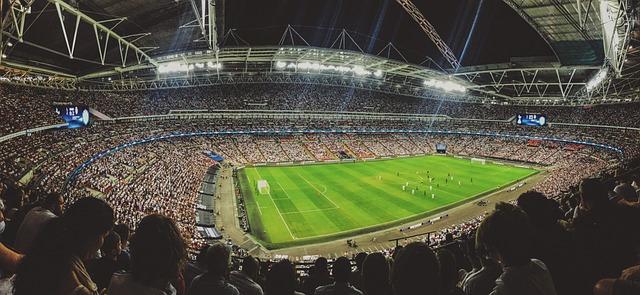
– Exploring Treatment Options for Soccer-Related Back Injuries: Rest, Ice, Compression, Elevation
In the fast-paced world of soccer, back injuries are all too common among players of all levels. Whether you’re a seasoned pro or a weekend warrior, the strain of running, kicking, and sudden movements can take a toll on your back. From muscle strains to herniated discs, there are various injuries that can cause discomfort and pain after a game.
One of the most common reasons for back pain after playing soccer is muscle strain. This can occur when the muscles in your back are overworked or stretched beyond their limits. In addition, herniated discs, which are small cushions between the vertebrae in your spine, can also be a source of pain. These injuries can result from sudden impacts or twisting motions during play.
When it comes to treating soccer-related back injuries, the RICE method is often recommended by healthcare providers. **Rest** is crucial to allow your body to heal and prevent further strain on your back. **Ice** can help reduce inflammation and numb the pain in the affected area. **Compression** can provide support and reduce swelling, while **elevation** helps to promote blood flow and reduce discomfort. It’s important to consult with a healthcare professional to determine the best treatment plan for your specific injury.
– The Role of Proper Footwear and Equipment in Preventing Back Pain While Playing Soccer
When it comes to preventing back pain while playing soccer, proper footwear and equipment play a crucial role in ensuring your comfort and safety on the field. Wearing the right shoes can help reduce the risk of back injuries and strains by providing adequate support and stability for your feet and ankles. Choose soccer cleats that are designed for your specific playing surface, whether it’s grass, turf, or indoor courts.
Additionally, investing in quality shin guards can protect your lower legs from impact and help prevent injuries that can radiate up your body, including your back. Make sure your shin guards fit properly and are worn securely to maximize their effectiveness during gameplay.
Properly fitting jerseys and shorts can also contribute to your overall comfort and performance on the field. Avoid wearing overly tight or restrictive clothing that can limit your range of motion and cause unnecessary strain on your muscles and joints. Opt for breathable, moisture-wicking fabrics to help regulate your body temperature and keep you feeling cool and dry throughout the game.
– Tips for Maintaining a Healthy Back Through Stretching and Strengthening Exercises
When it comes to playing soccer, the high-intensity nature of the sport can put a lot of strain on your back. This can often lead to discomfort or pain, especially if you’re not properly stretching and strengthening your back muscles. To help prevent back pain and injuries while playing soccer, it’s important to incorporate a regular stretching and strengthening routine into your overall fitness regimen.
Here are some tips for maintaining a healthy back through stretching and strengthening exercises:
- Focus on exercises that target the core muscles, such as planks, Russian twists, and bird dogs.
- Incorporate back stretches into your warm-up and cool-down routines to improve flexibility and reduce muscle tension.
- Avoid excessive twisting or bending movements that can strain your back, especially during quick changes in direction on the soccer field.
- Consider consulting with a physical therapist or personal trainer to develop a customized exercise program tailored to your specific needs and goals.
– Developing a Long-Term Prevention Plan to Avoid Back Pain While Playing Soccer
Playing soccer can be a fun and exciting way to stay active, but it can also lead to back pain if proper precautions are not taken. Back pain is a common issue among soccer players, and it can be caused by a variety of factors, including poor posture, muscle imbalances, and overuse injuries.
One of the most common injuries that can lead to back pain in soccer players is a herniated disc. This occurs when the soft tissue inside the spinal disc protrudes out and puts pressure on the surrounding nerves, causing pain and discomfort. Additionally, muscle strains and ligament sprains can also contribute to back pain, especially if they are not given enough time to heal properly.
To prevent back pain while playing soccer, it is important to develop a long-term prevention plan that includes a combination of strengthening exercises, stretching routines, and proper warm-up and cool-down techniques. By strengthening the muscles that support the spine, such as the core muscles and the back muscles, you can help prevent injuries and reduce the risk of back pain.
Furthermore, paying attention to your posture while playing and making sure to take breaks and rest when needed can also help prevent back pain. It is essential to listen to your body and seek medical attention if you experience persistent or severe back pain while playing soccer.
Concluding Remarks
In conclusion, it is important to understand that back pain after playing soccer is a common issue that many athletes face. By being aware of the potential injuries and taking steps to prevent them, you can continue to enjoy the beautiful game without being sidelined by discomfort. Remember to listen to your body, use proper techniques, and seek medical attention if needed. With the right knowledge and care, you can keep your back healthy and continue to pursue your passion for soccer. Stay strong, stay informed, and keep playing!


