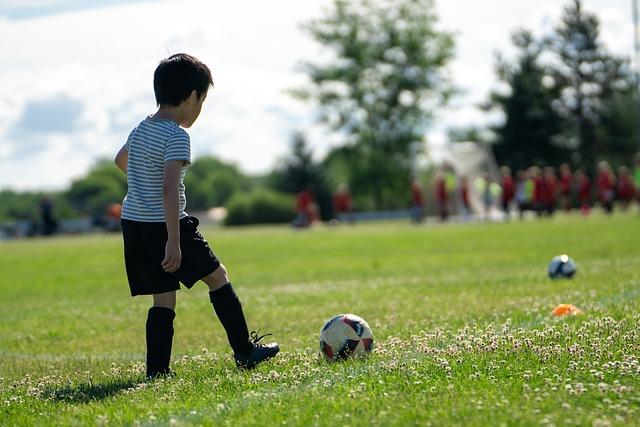
Soccer Drills for Kindergarteners: Exciting Activities for Growing Players!
As children begin their journey into the world of soccer, it’s important to start them off on the right foot with engaging and exciting drills. From mastering basic skills to fostering a love for the game, soccer drills for kindergarteners play a crucial role in their development. In this article, we’ll delve into some fun and effective activities designed to help your young players grow and improve their game. Ready to kick things off? Let’s get started!
Contents
- 1 – The Importance of Fundamental Soccer Skills for Kindergarteners
- 2 – Creative and Fun Drills to Develop Coordination and Agility
- 3 – Building Teamwork and Communication through Soccer Activities
- 4 – Encouraging Confidence and Sportsmanship in Young Players
- 5 – Incorporating Basic Rules and Understanding into Drills
- 6 – Balancing Structure and Playfulness in Practice Sessions
- 7 – Adapting Drills for Different Skill Levels and Learning Styles
- 8 – Using Positive Reinforcement and Encouragement for Motivation
- 9 – Fostering a Love for the Game through Engaging Drills
- 10 Final Thoughts
– The Importance of Fundamental Soccer Skills for Kindergarteners
Developing fundamental soccer skills at a young age is crucial for the growth and development of kindergarteners as soccer players. These skills lay the foundation for future success on the field and help instill a love for the sport from an early age. By incorporating fun and engaging soccer drills into their training sessions, young players can improve their coordination, balance, agility, and overall soccer skills.
One exciting activity for growing kindergarteners is the Obstacle Course Challenge. Set up cones, hoops, and other obstacles in a creative arrangement and have players dribble through the course, practicing their ball control and agility. This drill not only improves soccer skills but also enhances their spatial awareness and decision-making abilities on the field.
Another fun drill for kindergarteners is the Dribbling Race. Set up a race course with cones and have players dribble the ball from start to finish as fast as they can. This drill helps improve their dribbling skills and speed while also encouraging healthy competition among teammates.
| Drill | Objective |
|---|---|
| Passing Relay | Improve passing accuracy and teamwork |
| Shooting Gallery | Enhance shooting technique and accuracy |

– Creative and Fun Drills to Develop Coordination and Agility
Looking for fun and creative soccer drills to help kindergarteners develop their coordination and agility? Look no further! We have a variety of exciting activities that will keep young players engaged and learning while having a blast on the field.
One fun drill is the Cone Maze, where players navigate through a series of cones set up in a maze-like pattern. This drill helps improve coordination and footwork while also enhancing problem-solving skills. Encourage players to move through the maze quickly but carefully, adjusting their speed and direction as needed.
Another great drill is the Traffic Lights game, where players move around the field following the commands of the coach acting as the “traffic light.” Green means go, yellow means slow down, and red means stop. This drill helps players work on their agility and reaction time while also adding an element of fun and unpredictability.
For a more structured approach, consider setting up a mini obstacle course with different stations for players to dribble around, jump over, and weave through. This type of drill not only improves coordination and agility but also helps players learn to control the ball in tight spaces and under pressure.

– Building Teamwork and Communication through Soccer Activities
Welcome to our exciting soccer drills for kindergarteners! These activities are designed to help young players develop important skills such as teamwork, communication, and coordination, all while having fun on the field. By engaging in these drills, kids will not only improve their soccer abilities but also learn the value of working together with their teammates.
One fun drill to try with kindergarteners is the “Dribble Relay Race”. Divide the players into teams and have them dribble the ball around cones to a designated spot and back. This activity not only works on dribbling skills but also encourages teamwork as players must pass the ball to their teammates and communicate effectively to win the race.
Another engaging activity is the “Passing Circle”. Form a circle with the players and have them pass the ball to each other, focusing on accuracy and technique. This drill helps improve passing skills and fosters communication as players need to call out to their teammates to receive the ball. Encourage players to support each other and work together to keep the ball moving in the circle.

– Encouraging Confidence and Sportsmanship in Young Players
When it comes to developing confidence and sportsmanship in young soccer players, incorporating fun and exciting drills is key. For kindergarteners, it’s important to focus on activities that not only build their skills on the field but also foster a positive and supportive environment.
One great soccer drill for kindergarteners is the “Dribble and Score” game. This activity involves setting up cones or markers in a small grid and having players dribble the ball through the obstacles to score a goal. Not only does this drill help improve their dribbling skills, but it also teaches them the importance of teamwork and perseverance.
Another engaging activity for growing players is the “Passing Relay Race”. In this drill, players are divided into teams and must pass the ball to each other as quickly as possible to reach the finish line. This not only enhances their passing accuracy but also encourages communication and collaboration among teammates.
Overall, these soccer drills for kindergarteners are designed to keep young players engaged, active, and most importantly, having fun while learning important skills on the field. By encouraging confidence and sportsmanship through these exciting activities, we can help develop well-rounded and resilient athletes for the future.

– Incorporating Basic Rules and Understanding into Drills
When designing soccer drills for kindergarteners, it is essential to incorporate basic rules and understanding into the activities. By introducing fundamental concepts early on, young players can develop a strong foundation for their soccer skills.
One way to incorporate basic rules into drills is to start each session with a brief explanation of key concepts such as offside, dribbling, passing, and shooting. This can help players understand the objectives of the drills and how they relate to the game of soccer.
In addition to verbal explanations, visual aids can also be helpful in reinforcing these basic rules. Consider using colorful cones, markers, or even small goal posts to create a fun and engaging training environment for kindergarteners.
By combining these elements into drills, young players can not only improve their soccer skills but also develop a better understanding of the game. Remember to keep the activities fun and exciting to maintain the interest and enthusiasm of growing players!

– Balancing Structure and Playfulness in Practice Sessions
When it comes to designing soccer drills for kindergarteners, it’s important to strike a balance between structure and playfulness. While young players benefit from having a clear framework to follow, it’s also crucial to keep things fun and engaging to maintain their interest and enthusiasm.
One way to achieve this balance is to incorporate a mix of structured drills and games that allow for creativity and experimentation. For example, you could set up a mini-obstacle course where players have to dribble around cones, pass through a tunnel, and shoot at a target. This provides a clear structure for the practice session while also allowing room for players to express themselves and have fun.
Another strategy is to introduce small-sided games that encourage teamwork and decision-making. By dividing players into small teams and setting specific objectives (e.g. scoring a certain number of goals or completing a set number of passes), you provide a structured environment for learning important skills while also fostering a sense of competition and excitement.
Overall, the key to designing effective soccer drills for kindergarteners lies in finding the perfect balance between structure and playfulness. By incorporating a variety of activities that challenge players both mentally and physically, you can create an engaging and rewarding practice session that will help young athletes grow and develop their skills.

– Adapting Drills for Different Skill Levels and Learning Styles
Incorporating soccer drills tailored to kindergarteners can greatly enhance their learning and development on the field. When adapting drills for different skill levels and learning styles, it is important to consider the age and abilities of the players. For young players, it is crucial to keep the activities engaging and fun to maintain their interest and motivation.
**Here are some exciting soccer drills suitable for kindergarteners:**
– Dribbling through cones: Set up cones in a zig-zag pattern and have the players dribble the ball through them. This helps improve their ball control and dribbling skills.
– Passing with a partner: Pair up the players and have them practice passing the ball back and forth. This drill helps develop teamwork and communication skills.
– Shooting at mini goals: Set up mini goals and encourage the players to take shots on goal. This drill improves their shooting accuracy and technique.
**When adapting drills for different skill levels and learning styles, consider the following approaches:**
– Visual learners may benefit from using visual cues such as colored cones or diagrams.
– Kinesthetic learners may prefer hands-on activities and physical demonstrations.
– Auditory learners may respond well to verbal instructions and explanations.
By incorporating a variety of drills that cater to different skill levels and learning styles, coaches can create a positive and inclusive learning environment for kindergarteners to thrive in their soccer journey.
– Using Positive Reinforcement and Encouragement for Motivation
When it comes to teaching soccer drills to kindergarteners, using positive reinforcement and encouragement is key to keeping them motivated and engaged. By creating exciting activities that focus on fun and skill-building, young players can develop a love for the game while improving their abilities on the field.
One effective drill that incorporates positive reinforcement is the “Dribble Relay Race.” Divide the players into teams and set up cones in a zig-zag pattern. Encourage the kids to dribble the ball through the cones as quickly as they can, cheering them on and praising their effort. This drill not only helps improve dribbling skills but also fosters teamwork and competitiveness.
Another fun activity to motivate kindergarteners is the “Shooting Stars Challenge.” Set up targets (such as hula hoops or cones) around the goal and have the players take turns shooting the ball into the targets. Offer plenty of encouragement and praise for successful shots, and even create a friendly competition to see who can hit the most targets.
By using positive reinforcement and encouragement in soccer drills for kindergarteners, coaches can help young players build confidence, improve their skills, and most importantly, have fun on the field.

– Fostering a Love for the Game through Engaging Drills
One of the key aspects of developing a love for soccer in young players is through engaging and exciting drills. By incorporating fun activities into their training sessions, kindergarteners can learn important skills while enjoying the game.
Some soccer drills for kindergarteners that can foster a love for the game include:
- Dribbling through cones: Set up a course with cones for the children to dribble the ball through, encouraging them to use different parts of their feet.
- Passing accuracy game: Create a target area where the players must pass the ball into, improving their accuracy and control.
- Mini scrimmage: Divide the players into small teams for a friendly scrimmage, allowing them to experience the thrill of scoring goals.
| Drill | Objective |
|---|---|
| Dribbling through cones | Improve dribbling skills and ball control |
| Passing accuracy game | Enhance passing accuracy and control |
| Mini scrimmage | Promote teamwork and scoring goals |
By incorporating these engaging drills into their training sessions, coaches can help kindergarteners develop a love for soccer while honing their skills in a fun and enjoyable way.
Final Thoughts
In conclusion, incorporating fun and engaging soccer drills for kindergarteners is a fantastic way to help them develop their skills and passion for the sport from a young age. By focusing on basic techniques and fostering a love for the game, these activities can set them on the path to becoming confident and skilled players in the future. So grab a ball, gather some pint-sized players, and watch as they kick, dribble, and score their way to a bright soccer future!