

Do Soccer Clubs Provide Keeper Training? Essential Goalkeeping Techniques!
Have you ever wondered if soccer clubs provide specialized training for goalkeepers? In this article, we will explore the essential goalkeeping techniques that every aspiring goalkeeper should know and whether soccer clubs offer dedicated keeper training. From mastering positioning to honing reflexes, we will delve into the world of goalkeeping and uncover the key skills needed to succeed between the posts.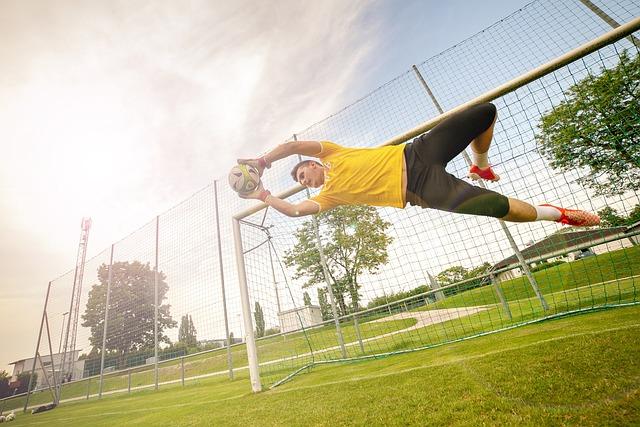
Contents
- 1 – The Importance of Goalkeeper Training in Soccer Clubs
- 2 – Key Techniques Every Goalkeeper Should Master
- 3 – How Soccer Clubs Incorporate Keeper Training Into Their Programs
- 4 – Different Drills and Exercises for Developing Goalkeeping Skills
- 5 – The Role of Goalkeeper Coaches in Professional Soccer Clubs
- 6 – Specialized Training for Dealing with Different Types of Shots
- 7 – Improving Distribution and Communication Skills as a Goalkeeper
- 8 – Advice for Goalkeepers Looking to Enhance Their Performance
- 9 – Maximizing Your Potential as a Soccer Club Goalkeeper
- 10 Insights and Conclusions
– The Importance of Goalkeeper Training in Soccer Clubs
Goalkeepers are often referred to as the "last line of defense" on the soccer field, making their role crucial in determining the outcome of a match. While outfield players receive specialized training in various aspects of the game, the importance of goalkeeper training is sometimes overlooked in soccer clubs.
It is essential for soccer clubs to provide dedicated goalkeeper training sessions to ensure that their keepers are equipped with the necessary skills and techniques to excel in their position. Goalkeeping requires specific abilities such as agility, reflexes, positioning, and distribution, all of which can be honed through regular training.
Some essential goalkeeping techniques that should be covered in training include:
- Positioning: Goalkeepers must constantly be aware of their positioning in relation to the ball and the goal to make crucial saves.
- Handling: Proper handling techniques, including catching, parrying, and punching the ball, are vital for keepers to control and distribute the ball effectively.
- Shot-stopping: Goalkeepers need to practice various shot-stopping techniques to react quickly and decisively to shots on goal.
In addition to technical skills, goalkeeper training also focuses on mental aspects such as communication, decision-making, and leadership on the field. By investing in goalkeeper training, soccer clubs can help their keepers reach their full potential and contribute significantly to the team’s success.
– Key Techniques Every Goalkeeper Should Master
Being a goalkeeper in soccer is a unique and crucial position that requires a specific set of skills to excel. Whether you are just starting out or looking to improve your game, mastering key techniques is essential for success on the field. Here are some essential goalkeeping techniques that every goalkeeper should master:
- Catching: The ability to catch the ball securely is fundamental for a goalkeeper. Practice catching balls of various heights, distances, and speeds to improve your technique.
- Diving: A goalkeeper must be able to dive quickly and decisively to reach shots that are out of reach. Work on your diving technique to cover more ground and make impactful saves.
- Distribution: A goalkeeper’s distribution is vital for starting attacks and relieving pressure on the defense. Practice throwing, kicking, and rolling the ball accurately and with pace.
- Positioning: Good positioning can make all the difference in preventing goals. Stay alert, communicate with your defense, and constantly adjust your position to be in the best place to make a save.
– How Soccer Clubs Incorporate Keeper Training Into Their Programs
Incorporating keeper training into soccer club programs is essential for cultivating strong goalkeepers. Clubs understand the importance of providing specialized training for goalkeepers to help them develop the necessary skills and techniques to excel in their role on the field.
One way soccer clubs incorporate keeper training is by hiring experienced goalkeeper coaches who focus solely on training the goalkeepers. These coaches have a deep understanding of the specific techniques and tactics that goalkeepers need to master, such as positioning, shot-stopping, distribution, and communication with the defense.
Another common practice is to include dedicated goalkeeper training sessions within the club’s regular training schedule. This allows goalkeepers to work on their skills in a focused and structured environment, while also receiving individualized feedback and coaching.
Clubs may also organize goalkeeper-specific drills and exercises during team training sessions to ensure that goalkeepers are constantly honing their skills and staying sharp. These drills can help goalkeepers improve their agility, reflexes, decision-making, and overall performance on the field.
– Different Drills and Exercises for Developing Goalkeeping Skills
When it comes to goalkeeper training, soccer clubs often provide specialized coaching to help goalkeepers enhance their skills. These training sessions focus on improving essential goalkeeping techniques such as positioning, handling, shot-stopping, distribution, and communication. Goalkeepers need to be constantly working on their skills to ensure they are ready to perform at their best during matches.
- Shot-Stopping Drills: These drills focus on improving the goalkeeper’s ability to react quickly to shots, make saves, and control rebounds. By practicing different shot-stopping techniques, goalkeepers can become more confident and consistent in their performance.
- Crossing and High-Ball Drills: Goalkeepers need to be able to command their penalty area and deal effectively with crosses and high balls. These drills help goalkeepers improve their positioning, timing, and catching ability when dealing with aerial threats.
- Distribution Drills: Good distribution is key for goalkeepers to start counterattacks and support their team’s buildup play. These drills focus on improving the goalkeeper’s kicking, throwing, and passing accuracy under pressure.
| Drill | Focus |
|---|---|
| 1v1 Drills | Improving decision making and positioning. |
| Reaction Drills | Enhancing reflexes and quick decision making. |
| Communication Exercises | Working on clear and effective communication with teammates. |
– The Role of Goalkeeper Coaches in Professional Soccer Clubs
Goalkeeper coaches play a crucial role in professional soccer clubs by providing specialized training to the team’s goalkeepers. These coaches are responsible for developing the technical skills, tactical awareness, and mental fortitude of the keepers, helping them excel in their position on the field.
Some essential goalkeeping techniques that goalkeeper coaches focus on include:
– Positioning: Goalkeepers must be able to read the game and position themselves in the best possible way to make a save.
– Shot-stopping: Keepers must have quick reflexes and good hand-eye coordination to deny shots on goal.
– Distribution: Goalkeepers need to be able to distribute the ball effectively to start counter attacks and build from the back.
– Communication: Keepers are often the eyes and ears of the defense, so effective communication with teammates is key.
To ensure that goalkeepers are constantly improving and refining their skills, soccer clubs provide regular keeper training sessions led by experienced goalkeeper coaches. These sessions are tailored to the individual needs of each keeper, helping them reach their full potential and make crucial saves when it matters most.
– Specialized Training for Dealing with Different Types of Shots
Specialized training for goalkeepers is essential for dealing with different types of shots on goal. Soccer clubs often provide specific keeper training to help goalkeepers hone their skills and develop essential techniques. These training sessions focus on improving reaction time, agility, positioning, and decision-making in high-pressure situations.
Some of the essential goalkeeping techniques that are covered in specialized training include:
- Diving: Goalkeepers are taught various diving techniques to make saves across the goal.
- Crosses: Keepers learn how to command their area and come out to catch or punch away crosses.
- Shot-stopping: Developing quick reflexes and proper positioning to make saves on shots from different angles.
- Distribution: Training on the proper distribution of the ball with throws or kicks after making a save.
By receiving specialized training, goalkeepers can enhance their skills and confidence on the field, ultimately improving their performance and helping their team succeed. It’s crucial for goalkeepers to continuously work on their technique and receive proper training to excel in their position.

– Improving Distribution and Communication Skills as a Goalkeeper
One crucial aspect of being a successful goalkeeper is improving distribution and communication skills on the field. Whether you are playing in a youth league or a professional setting, these skills can make a significant impact on your performance and the success of your team.
When it comes to distribution, goalkeepers need to be able to accurately and strategically pass the ball to their teammates. This includes knowing when to play short passes, long balls, or even throw the ball to initiate a quick counterattack. By mastering distribution techniques, goalkeepers can help maintain possession, build up play, and create scoring opportunities for their team.
Communication is also key for goalkeepers, as they are often the eyes and ears of the team on the field. Clear and effective communication with defenders, midfielders, and other players can help organize the team’s defense, prevent dangerous situations, and coordinate set plays such as offside traps and corner kick strategies.
While some soccer clubs provide specialized goalkeeper training, goalkeepers can also work on improving their distribution and communication skills through individual drills, watching professional matches for inspiration, and seeking feedback from coaches and teammates. Remember, practice makes perfect, and consistent effort in honing these skills can elevate your game to the next level!
– Advice for Goalkeepers Looking to Enhance Their Performance
When it comes to enhancing your performance as a goalkeeper, there are several key factors to consider. One important aspect is seeking out specialized training to hone your skills. While some soccer clubs may offer goalkeeper training, it is not always guaranteed. However, many clubs do have goalkeeper coaches who work with the keepers to improve their technique and performance.
As a goalkeeper, there are essential techniques that you should focus on to enhance your performance on the field. Some of these techniques include:
- Positioning: Ensure you are always in the right position to make a save and cut down the angles for the shooter.
- Diving: Work on your diving technique to reach those hard-to-reach shots and make spectacular saves.
- Distribution: Improve your ability to distribute the ball accurately and effectively to start counterattacks.
- Communication: Develop strong communication skills to organize your defense and prevent scoring opportunities.
By focusing on these key techniques and seeking out additional training opportunities, you can enhance your performance as a goalkeeper and become a crucial asset to your team.

– Maximizing Your Potential as a Soccer Club Goalkeeper
As a soccer club goalkeeper, it is essential to consistently work on improving your skills and maximizing your potential on the field. One way to do this is by taking advantage of goalkeeper training sessions provided by soccer clubs. These specialized training sessions are designed to help goalkeepers hone their craft and develop the necessary techniques to excel in their position.
During goalkeeper training sessions, you can expect to learn and practice essential goalkeeping techniques that will help you stand out on the field. Some of the key techniques that are typically covered include:
- Diving: Mastering the art of diving to make critical saves during matches.
- Positioning: Learning how to position yourself effectively to defend the goal and cut down shooting angles.
- Distribution: Improving your ability to distribute the ball accurately and quickly to start counter attacks.
- Crosses: Developing the skills needed to confidently deal with crosses into the box.
By regularly attending goalkeeper training sessions and diligently practicing these techniques, you can elevate your game and become a more formidable presence between the posts. Remember, consistent training and dedication are key to maximizing your potential as a soccer club goalkeeper!
Insights and Conclusions
In conclusion, soccer clubs do indeed provide keeper training, equipping goalkeepers with essential techniques to excel on the field. Whether you’re a seasoned professional or a budding young goalkeeper, honing your skills through club training can make all the difference in your performance. So next time you step onto the pitch, remember the techniques you’ve learned and showcase your goalkeeping prowess with confidence. Keep honing those skills and keep saving those shots!


